How to Take Care of Betta Fish Wikihow
Our wikihow-style guide shows you exactly how to take care of betta fish the right way. You will learn about tank setup, water temperature, feeding schedules, and common health issues. Whether you are a beginner or a seasoned fish owner, these practical tips will keep your betta thriving and colorful.
If you have ever wondered how to take care of betta fish wikihow style, you are in the right place. Betta fish are some of the most beautiful and rewarding pets you can keep at home. They come in stunning colors and have personalities that genuinely surprise people. But here is the thing — they need proper care to truly thrive.
This guide breaks everything down into simple, easy-to-follow steps. You do not need a biology degree to keep your betta happy. Just a little knowledge, the right supplies, and a bit of patience. Let us dive into the world of betta fish care and make sure your finned friend lives a long, healthy life.
Key Takeaways
- Proper Tank Size Matters: A minimum 5-gallon tank gives your betta room to swim and stay healthy.
- Water Temperature Is Critical: Keep the water between 76-82°F to mimic your betta’s natural habitat.
- Feeding Balance Prevents Disease: Feed small amounts 2 times a day and avoid overfeeding at all costs.
- Regular Water Changes Keep Things Clean: Change 25-30% of the water weekly to maintain quality.
- Know the Warning Signs: Recognizing stress and illness early can save your betta’s life.
- A Simple Filter and Heater Go a Long Way: These two tools make betta care much easier.
📑 Table of Contents
- Understanding Your Betta Fish Basics
- Water Quality and Temperature Control
- Feeding Your Betta Fish the Right Way
- Common Betta Fish Health Issues
- Betta Fish Tank Maintenance Routine
- Common Mistakes to Avoid When Caring for Bettas
- Enhancing Your Betta’s Color and Vitality
- When to Seek Help for Your Betta
- Conclusion
Understanding Your Betta Fish Basics
Before you set up a tank, it helps to understand what makes bettas tick. These fish originate from the warm, slow-moving waters of Southeast Asia. They are labyrinth fish, which means they can breathe air from the surface. This is why you often see them gulp air at the top of the tank.
Bettas are also called Siamese fighting fish. Males are especially territorial and should never be housed together. A common mistake new owners make is keeping two male bettas in the same tank. This causes serious stress and can even be fatal. Always research how to take care of a betta male fish before adding one to your collection.
The average betta fish lifespan ranges from 3 to 5 years. With excellent care, some bettas live even longer. Your job is to create an environment that closely mimics their natural habitat. This means clean water, stable temperature, and enough space to move around freely.
Choosing the Right Tank Size
Many people still believe bettas thrive in tiny bowls. This is a myth. While bettas can survive in small containers short-term, they truly flourish in larger spaces. A 5-gallon tank is the absolute minimum for a single betta. A 10-gallon tank is even better if you have the space.
Larger tanks are easier to maintain because water parameters stay more stable. In a small bowl, toxins like ammonia build up quickly. This leads to health problems fast. Think of it this way — would you want to live in a cramped closet forever? Your betta feels the same way.
Setting Up the Perfect Betta Habitat
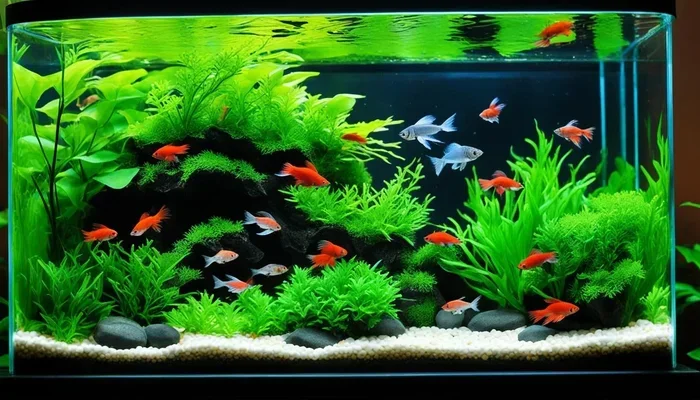
Setting up a tank properly is the foundation of good betta care. Here is what you need to do step by step.
- Rinse the tank with clean water. Do not use soap or any chemicals.
- Add a substrate like gravel or sand. This gives the tank a natural look and supports beneficial bacteria.
- Install a gentle filter. Bettas do not like strong currents. Choose a sponge filter or adjust the flow to be very soft.
- Add a heater. Bettas need warm water between 76 and 82 degrees Fahrenheit. A small aquarium heater works perfectly.
- Decorate with plants and hiding spots. Live or silk plants are best. Avoid sharp plastic decorations that can tear their delicate fins.
- Fill with treated water. Always use a tap water conditioner to remove chlorine and chloramine before adding your betta.
Let the tank cycle for at least 24 to 48 hours before introducing your fish. This allows beneficial bacteria to establish, which is essential for keeping the water safe.
Water Quality and Temperature Control
If there is one thing that matters most for betta fish, it is water quality. Clean, properly heated water is the single biggest factor in your betta’s health. Poor water conditions cause more fish diseases than anything else.
The ideal water temperature for bettas sits between 76 and 82 degrees Fahrenheit. Use a reliable aquarium thermometer to monitor this daily. Sudden temperature drops can shock your fish and weaken their immune system. If you are keeping your betta in a bowl, consider how to warm a betta fish bowl properly with a small heater.
Water Parameters to Monitor
Here are the key water parameters you should keep an eye on:
- Ammonia: 0 ppm (parts per million). Any amount above zero is dangerous.
- Nitrite: 0 ppm. This toxic compound builds up from waste and can kill fish fast.
- Nitrate: Below 20 ppm. Regular water changes keep nitrate levels in check.
- pH Level: Between 6.5 and 7.5. Stable pH matters more than hitting a perfect number.
Invest in a liquid test kit. Strip tests are convenient but less accurate. Testing your water weekly helps you catch problems before they become emergencies.
How Often to Change the Water
For a 5-gallon tank, change about 25 to 30 percent of the water every week. Use a gravel vacuum to remove debris from the substrate while you drain. Always match the temperature of the new water to the tank water. Adding cold water suddenly can stress your betta.
Never do a 100 percent water change. This wipes out beneficial bacteria that keep your tank balanced. A partial change keeps the ecosystem stable while removing built-up waste.
Feeding Your Betta Fish the Right Way
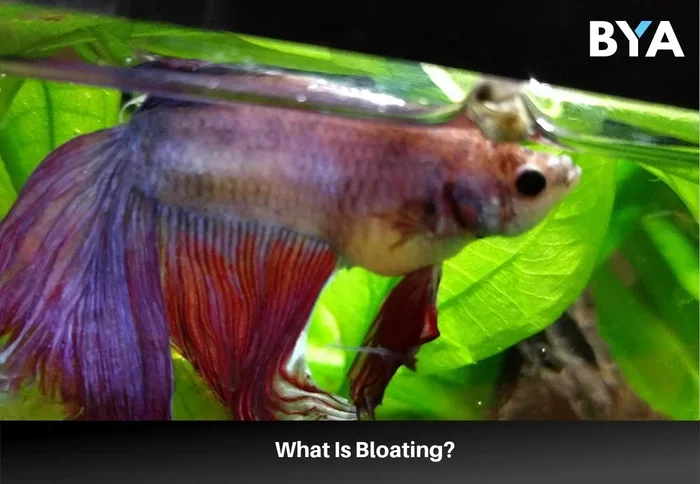
Feeding your betta properly is one of the most important parts of daily care. But it is also where many owners make mistakes. Overfeeding is extremely common and can lead to serious health issues like bloating and swim bladder disease.
Bettas are carnivores. They need a protein-rich diet to stay healthy. In the wild, they eat insects, larvae, and small crustaceans. Your job is to replicate this diet as closely as possible in a home setting.
Best Foods for Betta Fish
Here are the top food options for your betta:
- High-quality betta pellets: Look for pellets where the first ingredient is whole fish or fish meal. These should make up the staple of their diet.
- Frozen or live bloodworms: A great treat that mimics natural prey. Feed sparingly — a few worms 2 to 3 times a week.
- Brine shrimp: Another excellent treat. Many bettas go crazy for these.
- Daphnia: This is a small freshwater crustacean that aids digestion. It works well as an occasional meal.
Feeding Schedule and Portions
Feed your betta 2 times a day. Give them only what they can eat in 2 minutes. Remove any uneaten food after that time. Excess food decays in the water and pollutes it quickly.
One fasting day per week is also helpful. Skipping a meal once a week helps prevent constipation and keeps the digestive system working properly. It might feel strange not to feed your fish, but trust me — your betta will be just fine.
Common Betta Fish Health Issues
Even with the best care, bettas can get sick. Knowing the signs of common diseases helps you act fast and save your fish. Prevention is always better than treatment, but early detection makes a huge difference.
Fin Rot
Fin rot is one of the most common betta health problems. You will notice the edges of the fins turning white, brown, or ragged. This is usually caused by poor water quality or bacterial infection.
The fix is straightforward. First, test your water parameters. Do a 50 percent water change immediately. Clean the tank thoroughly. If the condition does not improve, consider using a broad-spectrum fish antibiotic. Keeping the water clean is the best way to prevent fin rot from coming back.
Ich (White Spot Disease)
Ich shows up as tiny white spots on the body and fins. It is caused by a parasite and spreads quickly in stressed fish. If you notice these spots, raise the water temperature slowly to 82 degrees Fahrenheit. This speeds up the parasite’s life cycle and makes it easier to treat.
You can also use medication specifically designed for ich. Learn how to treat ich on a betta fish with our detailed guide for step-by-step instructions.
Swim Bladder Disease
Swim bladder disease causes your betta to float sideways or struggle to stay upright. This condition is often linked to overfeeding or constipation. The first step is to fast your fish for 2 to 3 days. After that, feed a small piece of cooked, shelled pea to help with digestion.
Most bettas recover from swim bladder issues within a few days. Just make sure to adjust their feeding routine going forward to prevent it from happening again.
Stress Signs to Watch For
Stressed bettas show clear warning signs. Look out for these behaviors:
- Clamped fins (fins held close to the body)
- Refusing to eat
- Hiding constantly or staying at the bottom
- Rapid breathing or gasping at the surface
- Fading color or pale appearance
If you notice any of these signs, check your water quality first. Poor water is the number one cause of stress in betta fish. Address any water issues immediately and give your fish some quiet time without disturbances.
Betta Fish Tank Maintenance Routine
Keeping a consistent maintenance routine is what separates healthy bettas from sick ones. A simple schedule makes the work manageable and prevents problems before they start.
Here is a weekly maintenance checklist you can follow:
- Check the temperature. Make sure it stays between 76 and 82 degrees Fahrenheit.
- Test water parameters. Check ammonia, nitrite, nitrate, and pH levels.
- Do a partial water change. Replace 25 to 30 percent of the tank water with treated, temperature-matched water.
- Vacuum the gravel. Remove debris and waste from the substrate.
- Clean the glass. Use an algae scraper to keep the viewing panels clear.
- Rinse the filter media. Do this in old tank water, never tap water. This preserves beneficial bacteria.
- Feed your betta properly. Stick to the 2-minute feeding rule and skip one meal per week.
Monthly tasks include replacing filter cartridges if needed and checking equipment like heaters and thermometers for proper function. A well-maintained tank is your best defense against disease and poor health.
Common Mistakes to Avoid When Caring for Bettas
Learning from other people’s mistakes saves you a lot of heartache. Here are the most common errors betta owners make:
- Keeping bettas in tiny bowls. A bowl under 3 gallons is too small for long-term health. Upgrade to at least 5 gallons.
- Skipping the heater. Room temperature water is almost always too cold for bettas. They need consistent warmth.
- Overfeeding. This is the number one killer of pet bettas. Less food is almost always better.
- Using untreated tap water. Chlorine and chloramine in tap water harm fish. Always condition water before adding it to the tank.
- Adding tank mates without research. Not all fish get along with bettas. Some species can cause stress or aggression.
- Ignoring water changes. Even with a filter, regular water changes are essential. No filter replaces the need for fresh water.
Avoiding these six mistakes puts you ahead of most betta owners. Your fish will live longer and stay healthier because of it.
Enhancing Your Betta’s Color and Vitality
A well-cared-for betta develops vivid, brilliant colors. If your fish looks pale or dull, something in the environment needs adjusting. Proper nutrition, clean water, and a stress-free habitat all contribute to color intensity.
Feeding a varied diet with high-quality pellets and occasional treats like bloodworms enhances pigmentation. Some owners also use color-enhancing foods that contain natural pigments like astaxanthin. These supplements bring out reds, blues, and greens in the fins.
Water quality also plays a huge role. Clean, well-maintained water allows the fish’s natural colors to shine through. Stressed or sick bettas often lose their vibrancy. If you notice fading, check your water parameters and look for signs of illness right away.
Remember, every betta is unique. Some naturally display brighter colors than others. But with proper care, even a pale betta can develop into a stunning display of color over time.
When to Seek Help for Your Betta
Sometimes home care is not enough. If your betta shows severe symptoms like open sores, bulging eyes, or complete loss of appetite, it may need professional attention. Many local fish stores offer basic health consultations. You can also find out if you can take your betta fish to the vet at Petco for expert guidance.
Do not wait too long when you notice something is wrong. Bettas deteriorate quickly once illness takes hold. Acting early gives your fish the best chance of recovery.
Conclusion
Taking care of a betta fish does not have to be complicated. With the right tank setup, clean water, proper feeding, and regular maintenance, your betta can live a happy and healthy life for years. The key is consistency — small daily efforts add up to big results over time.
Now that you know how to take care of betta fish wikihow style, you are fully equipped to give your fish the best life possible. Start with the basics, stay observant, and never stop learning. Your betta will thank you with vibrant colors and lively behavior every single day.
Frequently Asked Questions
How often should I feed my betta fish?
Feed your betta twice a day, giving only what they can eat within two minutes. Overfeeding is one of the most common mistakes betta owners make. A single fasting day per week helps with digestion and overall health.
What size tank does a betta fish need?
A minimum of 5 gallons is recommended for a single betta fish. Larger tanks like 10 gallons provide even more stability and room for swimming. Avoid keeping bettas in bowls smaller than 3 gallons for long-term care.
Can betta fish live with other fish?
Male bettas should never be housed with other male bettas due to aggression. Some peaceful community fish like snails or certain shrimp can coexist with bettas in a well-planned tank. Always research compatibility before adding tank mates.
What is the ideal water temperature for betta fish?
The ideal temperature range is 76 to 82 degrees Fahrenheit. Use an aquarium heater to maintain stable warmth. Sudden temperature changes can stress your betta and weaken its immune system.
How do I know if my betta fish is sick?
Common signs of illness include clamped fins, loss of appetite, fading color, rapid breathing, and hiding behavior. Regular water testing and observation help you catch problems early. Acting quickly gives your betta the best chance of recovery.
Do betta fish need a filter and heater?
Yes, both a filter and a heater are essential for proper betta care. A gentle filter keeps the water clean without creating strong currents. A heater maintains the warm temperatures bettas need to stay healthy and active.