How to Take Care of a Koi Betta Fish
Taking care of a koi betta fish is a rewarding experience that combines vibrant colors with peaceful aquarium keeping. This guide covers everything you need to know about koi betta fish care, from setting up the perfect tank and maintaining clean water to feeding the right diet and spotting early signs of illness. Whether you are a beginner or a seasoned fish keeper, you will find practical tips to help your koi betta thrive for years to come.
Taking care of a koi betta fish is one of the most enjoyable hobbies you can have. These stunning fish display beautiful patterns that remind many people of koi carp. Their flowing fins and bright scales make them a real showstopper in any home aquarium. But beauty aside, koi bettas need proper care to stay healthy and colorful.
Many people think bettas are easy to keep in small bowls. That is a common myth. In reality, a koi betta fish needs a well-maintained tank, clean water, and a balanced diet. When you give them the right environment, they can live for three to five years or even longer. This guide will walk you through every step of caring for your koi betta the right way.
If you are new to betta keeping, start with the basics. Understanding what your fish needs is the first step toward success. A well-set-up tank makes all the difference. You want your koi betta to feel safe, comfortable, and active every single day.
Key Takeaways
- Proper Tank Setup: A koi betta needs at least a 5-gallon tank with a gentle filter and stable heater to stay healthy.
- Water Quality Matters: Regular water changes and proper cycling keep ammonia and nitrite levels at zero, which is critical for koi betta fish care.
- Balanced Diet: Feed high-quality pellets, frozen foods, and occasional treats in small portions twice a day.
- Watch for Health Issues: Common problems like fin rot, ich, and stress can be prevented with clean water and a calm environment.
- Compatible Tank Mates: Choose peaceful species that share similar water conditions to avoid aggression and stress.
- Regular Maintenance: A consistent care routine including weekly water changes and filter cleaning keeps your koi betta thriving.
📑 Table of Contents
Understanding the Koi Betta Fish
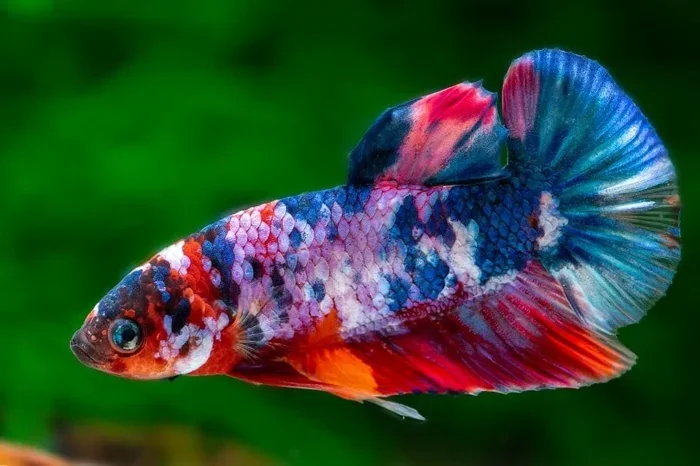
The koi betta is a special type of betta fish known for its striking color patterns. These fish display a mix of orange, red, white, and black patches that look very similar to traditional koi carp. Their scales often have an iridescent sheen that catches the light beautifully.
Koi bettas belong to the Betta splendens species, just like other fancy bettas. What sets them apart is their unique coloration and pattern distribution. Each koi betta has a one-of-a-kind look, which is part of what makes them so popular among fish enthusiasts.
What Makes Koi Bettas Special
Koi bettas stand out for several reasons. First, their color patterns are bold and eye-catching. The patches of color spread across their body and fins in a way that looks almost artistic. Second, koi bettas tend to have long, flowing fins that add to their elegance. Third, their personality matches their beauty. Koi bettas are curious and active swimmers that love to explore their surroundings.
These fish also have a calm temperament compared to some other betta varieties. They are less likely to flare aggressively, which makes them a good choice for community tanks. However, every fish has its own personality, so always observe behavior before adding tank mates.
Setting Up the Perfect Tank for Your Koi Betta
A proper tank setup is the foundation of good koi betta fish care. Many beginners make the mistake of using too small a container. A koi betta needs space to swim and explore. The minimum recommended tank size is 5 gallons, but bigger is always better.
Tank Size and Shape
A 5-gallon tank is the smallest acceptable size for a single koi betta. A 10-gallon tank gives your fish more room to move around and makes it easier to maintain stable water parameters. Avoid round or bowl-shaped tanks. They limit swimming space and make it harder to install proper equipment.
Rectangular tanks work best because they provide more surface area at the top. This allows for better gas exchange, which helps keep oxygen levels stable. Your koi betta will appreciate the extra swimming room and cleaner water.
Filtration and Heating
Use a gentle sponge filter for your koi betta tank. Strong filters create too much current, which can stress your fish. Sponge filters provide effective mechanical and biological filtration without being too powerful. They are also safe for small fish because there are no intake tubes that can trap fins.
A heater is essential for maintaining stable water temperature. Keep the water between 76 and 82 degrees Fahrenheit. Use an adjustable heater with a built-in thermostat to avoid temperature swings. Sudden changes in temperature can weaken your fish’s immune system and lead to illness.
If you want to learn more about the basics of setting up a proper habitat, check out our guide on how to set up a fish tank for betta fish.
Substrate, Decorations, and Plants
Choose a soft, fine gravel or sand substrate for your koi betta tank. Rough or sharp substrates can damage their delicate fins. Smooth pebbles also work well and add a natural look to the aquarium.
Add live plants like java fern, anubias, or amazon sword. Plants provide hiding spots, reduce stress, and help maintain water quality. They also give your koi betta something to explore, which keeps them mentally stimulated. Avoid sharp or rough decorations that could tear their fins.
Water Conditions and Maintenance
Clean water is the single most important factor in koi betta fish care. Poor water quality is the leading cause of illness and early death in aquarium fish. Keeping your water parameters stable will help your koi betta live a long, healthy life.
Ideal Water Parameters
Here are the key water parameters you need to monitor for your koi betta:
- Temperature: 76 to 82 degrees Fahrenheit
- pH Level: 6.5 to 7.5
- Ammonia: 0 ppm
- Nitrite: 0 ppm
- Nitrate: Below 20 ppm
- Water Hardness: 3 to 4 dGH
Test your water at least once a week using a reliable liquid test kit. Test strips are convenient but less accurate. Liquid tests give you precise readings that help you catch problems early.
Water Changes and Cycling
Perform a 25 to 30 percent water change every week. Use a gravel vacuum to remove debris from the substrate during water changes. Always treat new water with a water conditioner before adding it to the tank. This removes chlorine and chloramine, which are harmful to fish.
Before adding your koi betta, make sure the tank is fully cycled. Cycling establishes beneficial bacteria that break down toxic ammonia and nitrite. A properly cycled tank creates a stable and safe environment. If you need help with the cycling process, our article on how to take care of betta fish water provides detailed step-by-step instructions.
Common Water Mistakes to Avoid
- Never use untreated tap water directly in the tank
- Do not skip weekly water changes, even if the water looks clear
- Avoid sudden temperature swings when performing water changes
- Do not overclean the tank, as this removes beneficial bacteria
- Never let ammonia or nitrite levels rise above zero
Feeding Your Koi Betta Fish
Feeding is one of the most enjoyable parts of owning a koi betta. These fish are not picky eaters, but they do need a balanced diet to stay healthy and maintain their vibrant colors.
Best Foods for Koi Bettas
Offer a variety of foods to ensure proper nutrition:
- High-Quality Pellets: These should be the staple of your koi betta’s diet. Look for pellets made specifically for bettas with high protein content.
- Frozen or Freeze-Dried Bloodworms: A great treat that provides protein and encourages natural hunting behavior.
- Brine Shrimp: Another excellent treat that is rich in nutrients.
- Daphnia: Helps with digestion and makes a good occasional meal.
Feed your koi betta small portions twice a day. Only give them as much food as they can eat in two to three minutes. Overfeeding is one of the most common mistakes betta owners make. Excess food decays in the water and raises ammonia levels, which can make your fish sick.
Feeding Schedule and Tips
- Feed in the morning and again in the evening
- Soak frozen foods before offering them to prevent bloating
- Skip one feeding day per week to support digestion
- Rotate between different food types for balanced nutrition
- Remove any uneaten food after feeding time
A varied diet keeps your koi betta active and supports healthy growth. It also enhances their natural colors, making those koi patterns even more vivid.
Common Health Issues and How to Prevent Them
Even with the best care, koi bettas can sometimes get sick. Knowing the signs of common health problems helps you act quickly and keep your fish safe.
Fin Rot
Fin rot is one of the most common issues in betta fish. It causes the fins to look ragged, torn, or discolored. Poor water quality is the main cause. To treat fin rot, perform a water change immediately and add aquarium salt at the recommended dosage. Keep the water clean and warm to speed up healing.
Ich (White Spot Disease)
Ich appears as small white spots on the body and fins. It is caused by a parasite and spreads quickly in stressed fish. Raise the water temperature to 82 degrees Fahrenheit gradually and add aquarium salt. For more detailed treatment steps, read our guide on how to treat ich on a betta fish. Quarantine new fish before adding them to your main tank to prevent outbreaks.
Stress and Behavioral Changes
Stressed koi bettas may hide, refuse food, or stay at the bottom of the tank. Common causes of stress include poor water quality, aggressive tank mates, and sudden changes in environment. To reduce stress, keep the tank in a quiet area away from loud noises and direct sunlight. Provide plenty of hiding spots with plants and decorations.
Prevention Tips
- Maintain a consistent water change schedule
- Test water parameters regularly
- Do not overcrowd the tank
- Quarantine new fish for at least two weeks
- Feed a balanced diet and avoid overfeeding
- Keep the tank in a calm, stable environment
If you notice any signs of illness, act quickly. Early treatment gives your koi betta the best chance of a full recovery.
Tank Mates and Community Setup
While koi bettas can live alone, many owners enjoy adding compatible tank mates. The key is choosing peaceful species that share similar water and temperature requirements.
Good Tank Mates for Koi Bettas
- Corydoras Catfish: Bottom-dwellers that stay peaceful and help clean the tank
- Neon Tetras: Small, colorful fish that stay in the upper and middle levels
- Snails: Nerite snails and mystery snails are great additions that do not bother bettas
- Ghost Shrimp: Affordable and entertaining, they help keep the tank clean
Fish to Avoid
Do not keep your koi betta with aggressive or fin-nipping fish. Avoid tiger barbs, guppies with long fins, and any large or boisterous species. Male bettas should never be housed together, as they will fight. Always research any potential tank mate before adding them to your koi betta tank.
For more information on building a peaceful community tank, our guide on how to take care of a betta fish covers tank mate selection in detail.
Building a Bond with Your Koi Betta
One of the most rewarding parts of owning a koi betta is the bond you can build over time. These fish are smarter than many people realize. With patience and consistency, your koi betta will recognize you and respond to your presence.
Tips for Bonding with Your Fish
- Spend time near the tank each day so your betta gets used to your presence
- Feed your koi betta by hand once they are comfortable with you
- Talk softly near the tank to help them get accustomed to your voice
- Use a mirror briefly during playtime to encourage natural behavior
- Observe your fish daily to learn their unique personality and habits
Bonding with your koi betta makes the care routine more enjoyable and helps you notice changes in behavior early. A happy, healthy fish is an active and curious fish.
Conclusion
Caring for a koi betta fish is a journey that brings joy, relaxation, and beauty into your home. From setting up the right tank and maintaining clean water to feeding a balanced diet and watching for health issues, every step matters. Your koi betta depends on you to provide a safe and thriving environment.
Start with the basics and build your routine over time. Do not get discouraged if you face challenges along the way. Every experienced fish keeper started as a beginner. With patience, consistency, and a genuine love for your fish, you will create a home where your koi betta can truly flourish. Enjoy the process and celebrate the unique beauty that your koi betta brings to your life.
Frequently Asked Questions
How big does a koi betta fish get?
Koi bettas typically grow to about 2.5 to 3 inches in length, including their fins. With proper care and a healthy diet, they reach their full size within 6 to 12 months. Providing a spacious tank and balanced nutrition helps them reach their maximum potential size.
How long do koi betta fish live?
With excellent care, koi bettas can live for three to five years, and some even reach six years. The key factors that influence their lifespan include water quality, diet, tank size, and stress levels. A well-maintained aquarium with stable conditions gives your koi betta the best chance at a long, healthy life.
Can koi betta fish live with other fish?
Yes, koi bettas can live with peaceful tank mates like corydoras catfish, neon tetras, snails, and ghost shrimp. Avoid aggressive or fin-nipping species that could stress or injure your betta. Always introduce new fish slowly and monitor interactions closely for the first few weeks.
What makes koi betta fish different from regular bettas?
Koi bettas are distinguished by their unique color patterns, which feature patches of orange, red, white, and black similar to koi carp. Their scales often have an iridescent quality that sets them apart from solid-color bettas. Their temperament is generally calm and curious, making them a favorite among betta enthusiasts.
How often should I feed my koi betta fish?
Feed your koi betta small portions twice a day, morning and evening. Only offer as much food as they can consume in two to three minutes. Skipping one feeding day per week supports healthy digestion and helps prevent overfeeding-related issues like bloating and water quality problems.
Why is my koi betta fish losing color?
Color loss in koi bettas can be caused by stress, poor water quality, inadequate diet, or illness. Check your water parameters first and perform a water change if needed. Ensure you are feeding a varied, high-quality diet. If the color loss continues, look for other symptoms of disease and treat accordingly.