How to Take Care of a Baby Girl Betta Fish
Taking care of a baby girl betta fish requires the right tank setup, warm water, proper feeding, and regular maintenance. Female betta fry are delicate creatures that need a safe, clean environment to grow strong and healthy. This guide walks you through every step, from setting up the perfect habitat to keeping your baby betta thriving as she matures.
Taking care of a baby girl betta fish is one of the most rewarding experiences for any fish lover. These tiny, colorful creatures may look delicate, but with the right care, they can thrive and live a happy life in your home. Whether you just brought home your first baby betta or you are planning to raise one from fry, this guide has everything you need.
Many people think betta fish are easy to care for. But baby bettas need extra attention. They are more sensitive to water changes, temperature swings, and food size. Getting the basics right from day one makes a huge difference. This guide will show you exactly how to do it.
How to Take Care of a Baby Girl Betta Fish starts with understanding her unique needs. Female bettas are slightly different from males. They tend to be less aggressive, but they still need space, clean water, and a proper diet. Let us dive into the details.
## Setting Up the Perfect Tank for Your Baby Betta
A proper tank setup is the foundation of good care. You cannot just put a baby girl betta fish in any bowl and expect her to thrive. She needs a clean, safe, and comfortable environment.
### Choose the Right Tank Size
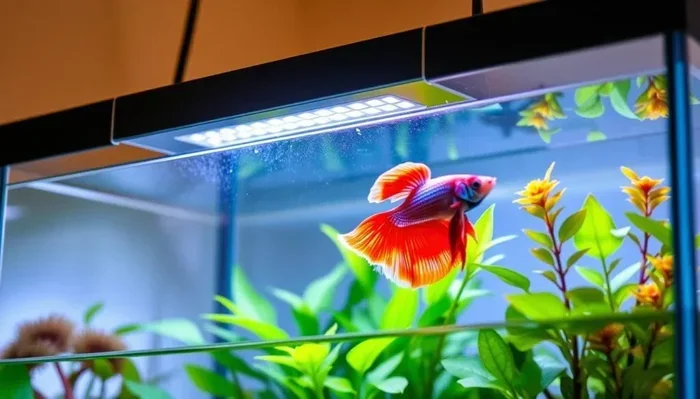
Many people wonder how big a tank a baby betta needs. The truth is, even baby bettas benefit from a tank that is at least 5 gallons. A small tank is easier to manage, but a 5-gallon tank gives your fish room to swim and grow. It also helps keep water parameters stable.
If you are starting with a very young fry, you can use a smaller container temporarily. But plan to move her into a proper tank as she grows. A larger tank also makes it easier to maintain stable water conditions, which is essential for baby fish.
### Add a Gentle Filter and Heater
Baby bettas are weak swimmers. A strong filter can push them around and stress them out. Use a sponge filter or adjust your filter output to create a gentle flow. This keeps the water clean without bothering your little fish.
A heater is equally important. Betta fish water temperature should stay between 78 and 80 degrees Fahrenheit. Use a small aquarium heater with a thermostat to keep the temperature steady. Temperature swings can make your baby betta sick very quickly.
### Add Plants and Hiding Spots
Baby bettas feel safer when they have places to hide. Live or silk plants work great. Avoid sharp plastic decorations that can tear her delicate fins. Adding plants also helps keep the water clean by absorbing nitrates.
You can also add a betta hammock or leaf perch. This gives your fish a place to rest near the surface. Baby bettas love to rest on things near the top of the tank.
## Feeding Your Baby Girl Betta Fish
Feeding is one of the most important parts of how to take care of a baby girl betta fish. Baby bettas have tiny stomachs and need food that is small enough for them to eat. Getting the feeding routine right helps them grow fast and stay healthy.
### What to Feed Baby Bettas
Newborn betta fry need very tiny food. Here are the best options:
- Infusoria: This is a natural culture of tiny organisms that fry love to eat. You can buy it online or grow your own.
- Baby brine shrimp: These are tiny crustaceans packed with protein. They are one of the best foods for growing betta fry.
- Crushed betta pellets: Use high-quality pellets and crush them into a fine powder. This makes them easy for small mouths to eat.
- Microworms: These are small nematodes that make an excellent live food source for baby fish.
### How Often to Feed
Baby bettas need to eat more often than adult fish. Feed your baby girl betta fish 3 to 4 times a day. Give her only a tiny amount each time. She should eat within a few minutes. Overfeeding is one of the biggest mistakes new betta owners make.
Excess food will sink to the bottom and pollute the water. This can cause ammonia spikes that harm or even kill your baby betta. Always remove any uneaten food after feeding time.
### Feeding Schedule Example
Here is a simple daily feeding schedule you can follow:
- Morning: A few drops of infusoria or crushed pellet powder.
- Midday: A small pinch of microworms or baby brine shrimp.
- Afternoon: Another small feeding of crushed pellets.
- Evening: A final tiny feeding of baby brine shrimp.
## Water Quality and Maintenance
Clean water is the single most important factor in keeping your baby betta healthy. Baby fish are much more sensitive to poor water quality than adult fish. Even small changes in ammonia or nitrite levels can be dangerous.
### Water Parameters to Monitor
Here are the key water parameters you should track for your baby girl betta fish:
- Temperature: 78-80°F (25-27°C)
- pH Level: 6.5 to 7.5
- Ammonia: 0 ppm (zero)
- Nitrite: 0 ppm (zero)
- Nitrate: Below 20 ppm
### How to Perform Water Changes
For a baby betta tank, do 25% water changes every week. Use a turkey baster or small siphon to remove debris from the substrate. Always match the temperature of the new water to the tank water. Cold water added suddenly can shock your baby betta.
Never use tap water directly. Tap water contains chlorine and chloramine that are harmful to fish. Use a water conditioner like Seachem Prime to remove these chemicals before adding water to the tank.
### Cycling the Tank
Before you add your baby betta, make sure the tank is fully cycled. Cycling means building up beneficial bacteria that break down harmful waste. This process takes 4 to 6 weeks. If you add a baby betta to an uncycled tank, she may develop ammonia poisoning, which is often fatal.
If you are unsure about cycling, read up on how to set up a fish tank for betta fish. A well-cycled tank gives your baby betta the best chance at a long, healthy life.
## Health and Common Issues
Even with the best care, baby bettas can sometimes get sick. Knowing the signs of common problems helps you act fast and save your fish.
### Signs of a Healthy Baby Betta
A healthy baby girl betta fish should:
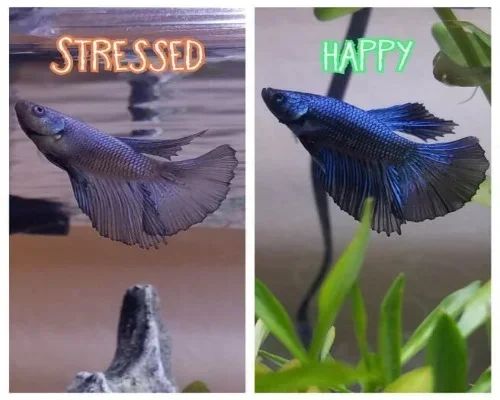
- Have bright, vivid colors
- Swim actively and smoothly
- Eat eagerly at feeding time
- Have no torn or ragged fins
- Breathe normally without gasping at the surface
### Common Illnesses in Baby Bettas
Fin rot is one of the most common problems in baby bettas. It causes the edges of the fins to look ragged or discolored. It is usually caused by poor water quality. Regular water changes and a clean tank can prevent fin rot.
Another common issue is ich, which shows up as white spots on the body and fins. Ich spreads quickly in stressed fish. Keeping water parameters stable is the best way to prevent it. If your baby betta gets ich, raise the temperature slightly and treat the tank with a proper medication.
### When to See a Vet
If your baby betta stops eating, becomes lethargic, or shows signs of swelling, it is time to take action. Sometimes simple water changes can fix the problem. Other times, you may need to use medication. Keeping a quarantine tank on hand is a smart move if you notice any signs of disease.
## Understanding Your Female Betta’s Growth
Watching your baby girl betta grow is one of the joys of fish keeping. Baby bettas, also called betta fry, go through several growth stages. Each stage has its own care requirements.
### Growth Stages of a Baby Betta
- Fry Stage (0-2 weeks): The baby fish are tiny and mostly stay in one place. They feed on infusoria and need very warm, clean water.
- Juvenile Stage (2-8 weeks): Your betta starts to develop color and fins. She becomes more active and can eat slightly larger food like microworms and baby brine shrimp.
- Sub-Adult Stage (8-12 weeks): The fins grow longer, and the fish starts to look like a miniature adult. You can begin feeding standard betta pellets.
- Adult Stage (12+ weeks): Your baby betta is now fully grown. She will have full color and flowing fins. At this point, her care routine becomes similar to that of an adult female betta.
### How Long Do Female Bettas Live?
With proper care, a female betta fish can live 3 to 5 years. The key is starting her off right from the beginning. A baby girl betta fish that gets good food, clean water, and a stress-free environment has the best chance of living a long and healthy life.
## Common Mistakes to Avoid
Even experienced fish keepers make mistakes. Here are some common errors to watch out for when caring for a baby girl betta fish.
- Using too small a container: A tiny bowl may seem cute, but it makes it very hard to maintain stable water conditions.
- Overfeeding: Baby bettas have tiny stomachs. Too much food causes bloating and pollutes the water.
- Skipping water changes: Dirty water leads to disease. Keep up with your weekly maintenance routine.
- Adding tank mates too early: Young female bettas can be territorial. Wait until she is fully grown before considering other fish.
- Ignoring temperature: Cold water weakens a betta’s immune system. Always use a heater and monitor the temperature.
## Final Thoughts on Raising a Baby Girl Betta
Raising a baby girl betta fish is a wonderful journey. It takes patience, consistency, and a little bit of knowledge. But the joy of watching a tiny fry grow into a beautiful, colorful adult is truly unmatched.
Start with a proper tank setup, feed her the right food, and keep her water clean. Pay attention to her behavior and health every day. If you follow the steps in this guide, your baby betta will have everything she needs to thrive.
Remember, every betta fish is unique. Some are bold and active, while others are shy and calm. Learning to read your fish’s personality is one of the most rewarding parts of the hobby. Enjoy the process, and you will be rewarded with a healthy, happy companion for years to come.
If you want to learn more about general betta care, check out how to take care of a betta fish for additional tips and advice.
Key Takeaways
- Tank Size Matters: A baby girl betta fish needs at least a 5-gallon tank with a gentle filter and heater to stay healthy.
- Water Quality Is Critical: Keep the water temperature between 78-80°F and perform weekly water changes to prevent illness.
- Feed Small and Often: Baby bettas need tiny, frequent meals of high-quality food like brine shrimp or crushed flakes.
- Know Her Gender Early: Learning how to tell the gender of a betta fish helps you plan the right tank setup and avoid aggression.
- Watch for Health Signs: Spotting early warning signs like lethargy or loss of color can save your baby betta’s life.
- Patience Pays Off: Raising a baby girl betta fish takes time, but the reward of watching her grow is incredibly fulfilling.
Frequently Asked Questions
How big is a baby girl betta fish when she is born?
Baby betta fry are incredibly tiny, usually less than a quarter of an inch long. They are almost transparent at birth and develop color over the first few weeks. Their small size means they need very fine food like infusoria or baby brine shrimp to eat.
Can baby girl betta fish live together?
Female bettas can sometimes live together in groups called sororities, but this is risky for baby fry. Young female bettas can be aggressive toward each other. It is best to keep baby bettas separate until they are fully grown and you can assess their temperaments.
How often should I feed my baby girl betta fish?
Feed your baby betta 3 to 4 times a day with very small amounts of food. She needs frequent, tiny meals to support her rapid growth. Always remove any uneaten food after a few minutes to keep the water clean.
What is the best water temperature for a baby betta?
The ideal temperature for a baby betta is between 78 and 80 degrees Fahrenheit. Use a small aquarium heater to maintain this range consistently. Sudden temperature changes can stress your baby fish and make her vulnerable to illness.
How can I tell if my baby betta is male or female?
Learning how to tell the gender of a betta fish becomes easier as she grows. Female bettas have a small white egg spot on their underside and a shorter tail compared to males. For more details on identifying gender, you can read guides on how to tell the gender of a betta fish.
Do baby betta fish need a filter?
Yes, even baby bettas need a filter to keep the water clean. However, you should use a gentle sponge filter that will not create a strong current. Baby bettas are weak swimmers and can be stressed by powerful filtration. A sponge filter provides mechanical and biological filtration without harming your little fish.