How Much Light Do Betta Fish Require
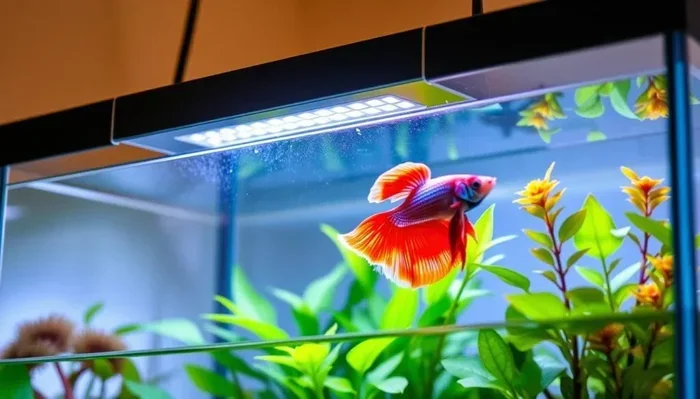
Betta fish need about 8 to 12 hours of light per day to stay healthy and vibrant. Providing the right betta fish lighting requirements helps maintain their color, supports their sleep cycle, and keeps their tank environment balanced. Too much or too little light can cause stress, so finding the right balance is key.
If you own a betta fish, you might wonder about the betta fish lighting requirements in their tank. Light plays a bigger role in your fish’s life than most people realize. It affects their mood, their colors, their sleep, and even their appetite. Getting the light right can mean the difference between a vibrant, active fish and a stressed, dull-looking one.
The good news is that setting up the right light for your betta is not complicated. You do not need expensive equipment or a science degree. With a few simple guidelines, you can create the perfect light environment for betta fish in your home. Let us break it all down so you can give your betta exactly what they need.
Key Takeaways
- 8 to 12 hours of light daily is the sweet spot for betta fish health and happiness.
- LED aquarium lights with adjustable brightness give you the best control over your betta’s environment.
- Too much light can cause stress, algae blooms, and disrupt your betta’s natural sleep cycle.
- Betta fish need darkness at night to rest properly, just like humans do.
- A consistent light schedule helps regulate your betta’s behavior and keeps them feeling safe.
- Natural light from a window can work but requires careful monitoring to avoid overheating.
- Using a tank light timer simplifies your routine and ensures your betta gets consistent lighting.
📑 Table of Contents
Why Light Matters for Betta Fish
Betta fish come from the warm, slow-moving waters of Southeast Asia. In their natural habitat, they experience a natural day and night cycle. Replicating that cycle in your tank is one of the best things you can do for their overall well-being.
Light affects betta fish in several important ways. First, it influences their betta fish color. Proper lighting makes their fins and scales pop with vibrant hues. Without enough light, colors can fade and look dull. But too much light can actually stress them out and cause health problems.
Light also plays a role in your betta’s sleep cycle. Just like us, betta fish need a clear distinction between day and night. When the lights go off, their body knows it is time to rest. A confused light schedule can lead to restless nights and an unhappy fish.
Another reason light matters is algae control. Too much light encourages algae to grow rapidly in your tank. Algae blooms can make the water cloudy and reduce oxygen levels. This creates an unhealthy environment for your betta and makes your tank look terrible.
How Betta Fish Respond to Light
Betta fish are sensitive creatures. They respond to changes in light throughout the day. During the day, a well-lit tank makes them feel active and curious. They swim around more, explore their space, and show off their colors.
At night, they need darkness to feel safe. Do betta fish like light at night? The short answer is no. Most betta fish prefer complete darkness when it is time to sleep. Leaving a light on overnight can disrupt their rest and weaken their immune system over time.
If you have ever noticed your betta hiding or staying still during the day, the lighting might be the culprit. Some bettas become shy and withdrawn when the light is too harsh or too bright. Adjusting the light intensity for betta fish can often solve these behavioral issues quickly.
How Many Hours of Light Do Betta Fish Need
The general rule for how much light do betta fish require is simple. Aim for 8 to 12 hours of light per day. This range mimics the natural daylight cycle they would experience in the wild. It gives them enough light to stay active and healthy without overdoing it.
Here is a quick breakdown of what different light durations mean for your betta:
- 6 hours or less: Too little light. Your betta may become sluggish and lose color. Plants in the tank may also struggle.
- 8 to 10 hours: The ideal range for most betta setups. This keeps your fish active and your tank balanced.
- 12 hours: Still acceptable but watch for algae growth. Some tanks handle this well, others do not.
- 14 hours or more: Too much light. This can stress your betta and fuel algae blooms rapidly.
Consistency matters just as much as the number of hours. Try to turn the light on and off at the same time every day. Bettas thrive on routine. A predictable schedule helps them feel secure and reduces stress. Using a tank light timer is one of the easiest ways to keep your schedule consistent without having to think about it.
Can You Give Betta Fish Too Much Light?
Yes, absolutely. Can you give betta fish too much light? is a common question, and the answer is yes. Overexposure to light causes several problems. It stresses your fish, promotes algae growth, and can even raise the water temperature in your tank.
Signs that your betta is getting too much light include hiding frequently, not eating well, and appearing pale or faded. If you notice these signs, reduce the light duration or move the tank away from direct sunlight. Your betta will thank you with better energy and brighter colors.
Some people ask, do betta fish always need light? The answer is no. They need a cycle of light and dark. Constant light is harmful and should always be avoided. Your betta needs those quiet, dark hours to rest and recharge just like you do after a long day.
Best Types of Light for Betta Fish Tanks
Not all aquarium lights are created equal. Choosing the right type of light makes a big difference in your betta’s comfort and the overall look of your tank. Let us look at the most popular options.
LED Lights
LED aquarium lights are the top choice for most betta owners. They are energy efficient, produce very little heat, and last for years. LED lights come in a wide range of colors and brightness levels, so you can customize the look of your tank.
Many LED lights designed for aquariums have adjustable settings. You can dim them down for a softer look or crank them up to show off your betta’s colors. Some models even have built-in timers, which makes managing your light schedule for betta fish super easy.
Fluorescent Lights
Fluorescent lights are another option. They work well in smaller tanks and provide a natural-looking glow. However, they produce more heat than LEDs and need to be replaced more often. If you have a small betta bowl or tank, fluorescent lights can still do the job nicely.
Natural Light from Windows
Placing your betta tank near a window might seem like a free and natural solution. And it can work. But there are risks. Direct sunlight can cause dramatic temperature swings in your tank. It also fuels algae growth much faster than artificial light.
If you do use natural light, keep the tank away from direct sun exposure. Indirect light from a nearby window is safer. Just be mindful that natural light changes with the seasons, so your betta fish daylight hours may vary throughout the year.
Setting Up the Perfect Light Schedule
Now that you know how many hours of light your betta needs, let us talk about setting up a schedule that works in real life. A good schedule is simple, consistent, and easy to maintain.
Here is a practical routine you can follow:
- Turn your aquarium light on in the morning, around 7 or 8 AM.
- Let the light stay on for 8 to 10 hours during the day.
- Turn the light off in the evening, around 6 or 7 PM.
- Keep the tank in complete darkness overnight.
This routine gives your betta a clear day and night cycle. It also gives you time to enjoy your tank during the evening when the colors really shine. If your schedule does not allow you to turn lights on and off manually, invest in a simple outlet timer. These cost just a few dollars and do the work for you.
Do betta fish hate light? No, they do not hate light. They simply need it in the right amounts at the right times. A well-timed light schedule helps them feel calm and comfortable in their environment.
Tips for Maintaining a Consistent Schedule
- Use a timer: Plug your light into a mechanical or digital timer for automatic on-off control.
- Avoid sudden changes: If you need to adjust the schedule, do it gradually over several days.
- Watch your betta’s behavior: If they seem restless at night, check if any ambient light is leaking into the room.
- Dim the lights slowly: If your light has a dimmer feature, lower it gradually before turning it off to help your betta transition to nighttime.
How Light Affects Betta Fish Health and Behavior
Light is not just about making your tank look pretty. It directly impacts your betta’s physical and mental health. Understanding this connection helps you make better decisions for your fish.
One of the most visible effects of light is on your betta’s coloration. Betta fish have special cells in their skin called chromatophores. These cells respond to light by expanding or contracting, which changes the intensity of their colors. Under the right lighting, a betta’s reds become deeper and blues become more vivid. Poor lighting can make even the most beautiful fish look washed out.
Light also affects your betta’s appetite. Most bettas are more active and willing to eat during daylight hours. If the tank is too dark, they may not feel motivated to eat. On the flip side, constant bright light can make them nervous and cause them to stop feeding.
How do betta fish sleep at night? They need darkness to enter a restful state. During the night, their activity drops significantly. They may rest on the bottom of the tank or find a quiet spot among plants and decorations. If you notice your betta floating motionless near the surface at night, it is usually just sleeping. This is perfectly normal as long as they are active and healthy during the day.
Light and Stress in Betta Fish
Stress is one of the biggest threats to betta fish health. And lighting plays a surprising role in stress levels. Fish that are exposed to irregular light patterns or constant light tend to be more stressed than those with a predictable cycle.
Stressed bettas are more susceptible to diseases like fin rot and ich. They may also display aggressive behavior or lose interest in their surroundings. Keeping a steady, appropriate light schedule for betta fish is one of the simplest ways to reduce stress and promote long-term health.
If you ever notice your betta acting strangely, take a look at the lighting first. Sometimes the fix is as simple as turning off a light that is too bright or adding a timer to create consistency. Small changes in the environment can have a big impact on how your fish feels and behaves.
Common Mistakes With Betta Fish Lighting
Even experienced fish keepers make mistakes with lighting. Here are some common errors to avoid so your betta stays healthy and happy.
Leaving the Light On 24/7
This is probably the most common mistake. Some owners think more light is better. It is not. Leaving the light on all day and night exhausts your betta and creates a perfect environment for algae to thrive. Your fish needs uninterrupted darkness every single night.
Placing the Tank in Direct Sunlight
A sunny window might look nice, but it can cause wild temperature swings. The water can heat up quickly during the day and cool down at night. These fluctuations stress your betta and can even be dangerous. Keep the tank in a spot with indirect or artificial light instead.
Using the Wrong Bulb
Not all bulbs are suitable for aquarium use. Some household bulbs produce too much heat or the wrong spectrum of light. Stick with lights specifically designed for aquariums. They are built to support fish health and plant growth without creating excess heat.
Ignoring the Night Cycle
Many people forget that betta fish need a night cycle just as much as a day cycle. If your bedroom light shines into the tank at night, it can disrupt your betta’s rest. Consider covering the tank or moving it to a room where nighttime light is not an issue.
Quick Tips for Perfect Betta Fish Lighting
Here are some fast, actionable tips you can use right away to improve the lighting in your betta tank:
- Keep the light on for 8 to 12 hours per day.
- Use an LED aquarium light with adjustable brightness.
- Set a consistent on-off schedule using a timer.
- Never leave the light on overnight.
- Watch for signs of too much light, like excessive algae or a stressed fish.
- If you are unsure about your setup, check how your betta behaves. A happy betta is active during the day and rests at night.
- For more guidance on betta care basics, check out how to care for a betta fish to cover all the essentials.
Remember that every tank is slightly different. Factors like tank size, plant density, and room lighting all play a role. Start with the recommended range and adjust based on how your betta responds. A little observation goes a long way in finding the perfect setup for your fish.
Also, if you are curious about whether betta fish need light around the clock, you might want to read up on do betta fish need light 24 seven. This topic covers why constant light is harmful and what happens when you skip the dark hours entirely.
For a deeper dive into the relationship between betta fish and their lighting environment, consider reading do betta fish have light to understand how light impacts their natural behavior and biology.
Finally, understanding how much light is too much can save you a lot of headaches. Visit can you give betta fish too much light to learn about the warning signs of light overexposure and how to fix them quickly.
Conclusion
Getting the betta fish lighting requirements right is one of the simplest yet most impactful things you can do for your fish. Aim for 8 to 12 hours of quality light per day, keep the schedule consistent, and always provide darkness at night. Your betta will reward you with vibrant colors, active behavior, and a long, healthy life.
Light is not just an accessory for your aquarium. It is a fundamental part of your betta’s world. Treat it with the same care you give their food and water, and you will see the difference. Start with the basics, observe your fish, and adjust as needed. A well-lit tank is a happy tank, and a happy tank means a happy betta fish.
Frequently Asked Questions
How many hours of light do betta fish need each day?
Betta fish need about 8 to 12 hours of light per day. This range mimics their natural daylight cycle and keeps them healthy, active, and colorful. Always make sure to turn the lights off at night so your betta can rest properly.
Can betta fish sleep with the light on?
Betta fish can technically sleep with the light on, but they should not. Light at night disrupts their sleep cycle and causes stress over time. They need complete darkness to enter a restful state, just like humans do. Using a timer to turn the light off automatically is the best approach.
Do betta fish need light to stay healthy?
Yes, betta fish need light to maintain their color, appetite, and natural behavior. However, they need a balanced cycle of light and dark. The key is providing the right amount of light at the right times rather than leaving it on constantly all day.
What type of light is best for a betta fish tank?
LED aquarium lights are the best choice for most betta setups. They are energy efficient, produce minimal heat, and offer adjustable brightness. Look for lights specifically designed for aquariums to ensure the right spectrum of light for your fish and any live plants in the tank.
How do I know if my betta is getting too much light?
Signs of too much light include your betta hiding frequently, loss of appetite, pale coloring, and heavy algae growth in the tank. If you notice these signs, reduce the light duration, move the tank away from direct sunlight, or add a timer to control the schedule more precisely.
Should I use a light timer for my betta fish tank?
Yes, a light timer is one of the best investments you can make for your betta tank. It ensures a consistent light schedule every single day without you having to remember to turn the light on or off. Most timers are inexpensive and very easy to set up. This simple tool helps reduce stress and keeps your betta’s environment stable and predictable.