How to Take Care Betta Fish in Bowl
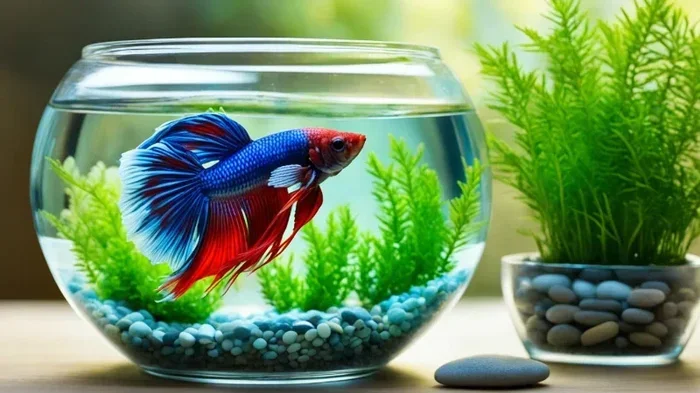
Learning how to take care betta fish in a bowl is easier than most people think. With the right bowl size, clean water, proper feeding, and a warm environment, your betta can thrive for years. This guide covers everything you need to keep your betta healthy and happy in a bowl setup.
Key Takeaways
- Choose the right bowl size: At least 2.5 gallons gives your betta room to swim and stay healthy.
- Keep the water warm: Maintain a stable temperature between 76°F and 82°F for optimal betta health.
- Perform regular water changes: Change 25-50% of the water weekly to prevent toxins from building up.
- Feed small amounts daily: Overfeeding is one of the most common mistakes that leads to health problems.
- Add plants and gentle décor: Plants and soft decorations create a natural habitat and reduce stress.
- Watch for illness signs: Early detection of common betta diseases saves lives and prevents spread.
📑 Table of Contents
Why a Bowl Is a Great Home for Your Betta Fish
Many people wonder if a bowl is really enough for a betta fish. The truth is, bettas can live happily in a bowl when you set it up right. These fish come from warm, slow-moving waters in Southeast Asia. A bowl can actually mimic their natural habitat quite well.
The key is understanding what your betta needs. It is not just about putting water in a container. You need to think about size, temperature, filtration, and enrichment. When you get these basics right, your betta will show vibrant colors and active behavior every day.
One big advantage of a bowl setup is simplicity. Bowls are easy to clean, affordable, and take up less space than large aquariums. They work great for beginners who are just starting out with betta fish care. But simplicity does not mean you can skip important steps.
Bettas are also known as labyrinth fish. This means they can breathe air from the surface. So even without a powerful filter, they can survive in smaller water volumes. Still, your goal should always be to give them the best possible environment.
What Makes a Bowl Suitable for Bettas
A good bowl for a betta should be at least 2.5 gallons. Anything smaller can cause stress and health issues over time. The bowl should be wide enough at the top to allow easy access to the surface for breathing. Round bowls might look pretty, but they limit swimming space. Rectangular or square shapes work better.
You also want a bowl that is easy to clean. Glass bowls are easier to scrub than plastic ones. They do not scratch as easily and do not cloud up over time. A clear bowl also lets you watch your fish and spot any problems early.
Setting Up the Perfect Betta Fish Bowl
Setting up a bowl for your betta is the first and most important step. A rushed setup can lead to problems later. Take your time and follow these steps to create a safe and comfortable home.
Step 1: Choose the Right Bowl
Start by picking a bowl that holds at least 2.5 gallons. Go bigger if you can. A 5-gallon bowl gives your betta even more room to explore. Make sure the bowl has no cracks or chips. Check that it is clean and free of any chemical residues before use.
Step 2: Add the Right Substrate
You do not need gravel, but a thin layer of smooth sand or small pebbles looks nice and helps with beneficial bacteria. Avoid rough or sharp substrates. Bettas have long fins that can tear easily. If you use gravel, rinse it thoroughly before adding it to the bowl.
Step 3: Install a Gentle Filter
Even though bettas prefer still water in the wild, a gentle filter in a bowl helps maintain water quality. Choose a sponge filter or a very low-flow filter. Strong currents stress bettas out and make them tired. The filter should create a soft flow, not a strong one.
Step 4: Add a Heater
Bettas need warm water to stay healthy. A small submersible heater set to 78°F works well for most bowls. Temperature swings are dangerous for bettas. A heater keeps the water stable, especially during cold months. If you live in a cooler climate, a heater is not optional, it is essential.
Step 5: Decorate Thoughtfully
Add plants, caves, or gentle décor to make the bowl feel like a natural habitat. Live plants are the best choice because they help filter the water. Silk plants work well too, but avoid sharp plastic decorations. A few hiding spots reduce stress and make your betta feel safe.
For more ideas on creating a natural setup, check out this guide on setting up a betta fish bowl with a plant.
Step 6: Cycle the Bowl Before Adding Your Fish
This step is often skipped but it is critical. Cycling means letting beneficial bacteria build up in the bowl before your fish arrives. This process takes about 2-4 weeks. It helps break down harmful toxins like ammonia. Adding your betta to an uncycled bowl can cause serious health problems.
Feeding Your Betta Fish the Right Way
Feeding might seem simple, but it is one of the areas where most betta owners make mistakes. Overfeeding is extremely common and can lead to serious health issues. Bettas have small stomachs, about the size of their eye. They do not need a lot of food.
What to Feed Your Betta
High-quality betta pellets should be the staple of your fish’s diet. Look for pellets with a protein content of at least 35%. You can also offer frozen or live foods like brine shrimp and bloodworms as treats. These foods make colors pop and add variety to the diet.
Avoid feeding your betta flakes meant for tropical community fish. They do not provide enough protein and can cause digestive issues. Betta-specific food is always the better choice.
How Often and How Much
Feed your betta 2-3 small meals per day. Each meal should be about 2-3 pellets or a tiny pinch of food. Skip one feeding day per week. This helps the digestive system clear out any buildup. If you notice leftover food sinking to the bottom, you are giving too much.
Remove any uneaten food within a few minutes. Rotting food pollutes the water fast. Clean water is one of the most important parts of maintaining a betta fish bowl and keeping your fish healthy.
Water Quality and Maintenance
Clean water is the foundation of good betta care. In a bowl, water quality can change quickly because the volume is small. Regular maintenance keeps ammonia and nitrite levels at zero. These toxins are invisible but deadly.
How Often to Change the Water
For a bowl under 5 gallons, change 25-30% of the water every week. For larger setups, you can stretch to every 10 days. Always use a water conditioner to remove chlorine and chloramine from tap water. These chemicals are harmful to bettas even in small amounts.
How to Do a Water Change
Use a small siphon or turkey baster to remove old water. Vacuum the gravel lightly to pull out debris. Replace the removed water with fresh, conditioned water at the same temperature. Sudden temperature drops can shock your betta. Match the new water temperature as closely as possible.
Never replace all the water at once. This removes beneficial bacteria and destabilizes the bowl. A partial change keeps the ecosystem balanced while removing waste buildup.
Testing the Water
Invest in a simple liquid test kit. It tests for ammonia, nitrite, nitrate, and pH. Test the water once a week during your maintenance routine. You want ammonia and nitrite at zero. Nitrate should stay below 20 ppm. If levels spike, do a larger water change right away.
For a deeper dive into water care, see our guide on how to take care of betta fish water.
Quick Tips for Water Quality
- Always let tap water sit for 24 hours before adding it, or use a conditioner.
- Keep the bowl away from direct sunlight to prevent algae blooms.
- Do not place the bowl near drafty windows or air vents.
- Use room-temperature water for changes to avoid temperature shock.
- Clean the bowl glass gently with a soft sponge during water changes.
Keeping Your Betta Fish Healthy and Happy
A healthy betta is an active, colorful fish with flowing fins. But illness can strike even in the best-maintained bowls. Knowing the signs of common problems helps you act fast and save your fish.
Common Betta Illnesses
The most common health issues in bettas include fin rot, ich, and swim bladder disease. Fin rot shows as ragged or discolored fins. Ich appears as white spots on the body. Swim bladder problems cause the fish to float sideways or struggle to stay upright.
Most of these issues come from poor water quality or stress. Regular maintenance prevents the majority of illnesses. If you notice any symptoms, test the water first. Often, a water change alone solves the problem.
Stress Signs to Watch For
Stressed bettas lose color, hide at the bottom, or stay at the surface gasping. Clamped fins are another clear sign of stress. Common causes include wrong temperature, aggressive tankmates, and dirty water. Fix the root cause quickly and your betta should recover within a few days.
If your betta seems lethargic or uninterested in food, check the water parameters first. Illness is not always the culprit. Sometimes the environment is the problem. For tips on treating specific conditions, check out our guide on caring for a sick betta fish.
Keeping the Water Warm in Winter
Cold water is one of the biggest threats to bettas during winter. Without a heater, room temperature water can drop below what bettas need. This causes sluggishness, loss of appetite, and eventually illness.
If your home gets cold, consider a small bowl heater. These are inexpensive and easy to use. Place a thermometer in the bowl to monitor the temperature daily. During very cold nights, you can also wrap a towel around the bowl for extra insulation. For more details, see our guide on how to warm a betta fish bowl.
Common Mistakes to Avoid
Even well-meaning betta owners make mistakes. Knowing what to avoid saves you time, money, and most importantly, your fish.
Overfeeding
This is the number one mistake. Bettas will eat as much as you give them, and then some. Uneaten food rots quickly in a small bowl and spikes ammonia levels. Stick to small portions and skip one feeding day each week.
Using Too Small a Bowl
Tiny vases and cups are popular but they are not suitable for long-term betta care. A bowl under 1 gallon causes stress and stunts growth. Always go for at least 2.5 gallons. The extra space makes a huge difference in your fish’s quality of life.
Skipping Water Changes
Some owners think a filter means they never need to change water. This is not true. Filters remove debris and host beneficial bacteria, but they do not remove dissolved waste. Regular water changes are essential no matter what equipment you use.
Placing the Bowl in Direct Sunlight
Sunlight causes algae to grow out of control. It also heats the water unevenly, creating hot spots that stress your betta. Place the bowl in a spot with indirect light instead. If algae does appear, clean the bowl glass during your weekly water change.
Using Soap or Chemicals to Clean the Bowl
Never use soap, detergent, or household cleaners on your betta bowl. Even tiny residues are toxic to fish. Use only warm water and a soft sponge. If you need to remove algae, a dedicated aquarium scrubber works great without leaving harmful traces.
Adding Too Many Fish to One Bowl
Bettas are solitary fish. They do not need tankmates and often become aggressive when housed with other fish. In a bowl, keep only one betta. If you want other creatures, consider a few snails or shrimp in a larger setup.
Expert Insights on Betta Bowl Care
Experienced betta keepers agree that consistency is the secret to success. A simple routine of feeding, water changes, and observation keeps most problems away. You do not need expensive equipment or advanced knowledge. You just need to be present and attentive.
Many experts also recommend keeping a log of water parameters and feeding schedules. This helps you spot patterns and catch issues early. Over time, you will develop an instinct for what your betta needs. The bond you build with your fish through proper care is one of the most rewarding parts of this hobby.
Remember that every betta has its own personality. Some are active and curious, while others are calm and laid back. Learning your individual fish’s habits makes care easier and more enjoyable. The more you observe, the better you understand what makes your betta thrive.
Conclusion
Taking care of a betta fish in a bowl is a rewarding experience that anyone can enjoy. The key is to focus on the basics: proper bowl size, warm and clean water, balanced feeding, and a stress-free environment. When you follow these steps consistently, your betta will reward you with vibrant colors, active swimming, and a long, healthy life.
Start with the setup, stick to a maintenance routine, and always watch for signs of trouble. Learning how to take care betta fish in a bowl does not have to be complicated. With patience and a little effort, you will create a happy home for your fish. Apply what you have learned here today, and enjoy the journey of being a great betta owner.
Frequently Asked Questions
What size bowl is best for a betta fish?
A bowl of at least 2.5 gallons is the minimum recommended size for a betta fish. Larger bowls, such as 5 gallons, give your fish more room to swim and help maintain stable water conditions. Avoid tiny vases or cups, as they cause stress and health problems over time.
How often should I change the water in my betta bowl?
Change 25-30% of the water in your betta bowl every week. This removes waste buildup and keeps ammonia levels low. Always use treated water that matches the bowl temperature to avoid shocking your fish.
Can betta fish live in a bowl without a filter?
Yes, bettas can survive in a bowl without a filter, but a gentle sponge filter greatly improves water quality. Filters help remove debris and support beneficial bacteria that break down toxins. Without a filter, you will need to do water changes more frequently.
What is the best water temperature for a betta fish in a bowl?
The ideal water temperature for a betta fish is between 76°F and 82°F. Use a small submersible heater and a thermometer to keep the temperature stable. Sudden temperature drops can make your betta sick, so monitoring is essential.
How do I know if my betta fish is stressed?
Signs of a stressed betta include faded colors, clamped fins, hiding at the bottom, gasping at the surface, or loss of appetite. Check your water parameters first, as poor water quality is the most common cause of stress in bettas. Fixing the environment usually resolves these symptoms quickly.
What should I feed my betta fish in a bowl?
Feed your betta high-quality betta pellets 2-3 times a day in small amounts. You can also offer frozen or live brine shrimp and bloodworms as occasional treats. Avoid overfeeding and remove any uneaten food within a few minutes to keep the water clean.
=== INTERNAL LINKS USED ===