How to Start a Tank for a Betta Fish
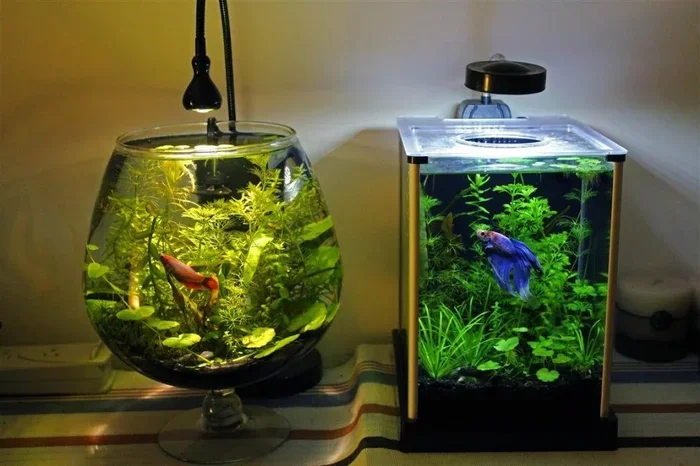
Starting a tank for a betta fish is easier than most people think. You need the right tank size, proper filtration, and a fully cycled aquarium. This guide walks you through every step to create a safe and thriving betta fish habitat.
So you want to start a tank for a betta fish? That is a fantastic decision. Betta fish are some of the most colorful, interesting freshwater pets you can keep. But here is the thing many beginners miss — a betta needs more than just a bowl of water. A proper betta fish tank setup makes all the difference between a fish that thrives and one that struggles.
In this guide, we will walk through every single step you need to take. From picking the right tank size to cycling your aquarium and adding your betta safely, we have you covered. By the end, you will feel confident and ready to build a beautiful aquarium for betta that your fish will love.
Let us dive right in.
Key Takeaways
- Choose the right tank size: A minimum of 5 gallons gives your betta room to swim and stay healthy.
- Cycle your tank first: Always complete the nitrogen cycle before adding your betta to avoid toxic ammonia buildup.
- Keep water parameters stable: Maintain temperature between 78-80°F and keep pH between 6.5 and 7.5.
- Add gentle filtration and heating: A sponge filter and adjustable heater are essential for a comfortable betta environment.
- Decorate thoughtfully: Use soft substrate, live plants, and hiding spots to reduce stress and mimic natural habitats.
- Acclimate your betta slowly: Gradual introduction to new water conditions prevents shock and illness.
- Maintain the tank regularly: Weekly water changes and consistent cleaning keep your betta happy long-term.
📑 Table of Contents
Why Your Betta Needs a Proper Tank
Many people think betta fish can live in tiny cups or vases. That is a common myth, and it is simply not true. In the wild, bettas live in warm, slow-moving waters across Southeast Asia. They need space, clean water, and a stable environment to stay healthy.
A properly started tank gives your betta room to explore, swim, and display its full colors. Without the right setup, your fish can become stressed, sick, or have a much shorter lifespan. Taking the time to set things up correctly from day one is one of the best things you can do as a betta owner.
How Big Should the Tank Be?
The smallest tank size for a single betta fish is 5 gallons. However, bigger is always better. A 10-gallon tank gives your betta much more room to swim and makes it easier to keep water parameters stable. If you have the space, go for the larger option. Your betta will thank you.
Keep in mind that bettas are surface breathers. They have a special organ called the labyrinth organ that lets them breathe air from the surface. So even in a wider tank, make sure the water level leaves enough space between the surface and the lid for your fish to access air easily.
Gathering the Right Equipment
Before you fill a single drop of water, you need the right betta fish equipment. Having everything ready saves time and prevents costly mistakes later. Here is what you will need to get started.
Tank and Lid
Choose a tank with a minimum capacity of 5 gallons. Glass tanks are durable and scratch-resistant, while acrylic tanks are lighter and insulate better. Either works well for bettas. Always use a lid or hood because bettas are known jumpers. A secure cover prevents your fish from leaping out and drying out.
Filter
A filter keeps the water clean by removing waste and harmful chemicals. For bettas, choose a gentle filter. Strong currents can stress bettas because they naturally live in calm waters. A sponge filter is an excellent choice. It provides mechanical and biological filtration without creating too much water flow.
Heater
Betta fish are tropical creatures. They need warm water to stay healthy and active. An adjustable aquarium heater lets you maintain the ideal temperature range of 78 to 80 degrees Fahrenheit. Look for a heater with a thermostat so it keeps the temperature steady without constant monitoring.
Substrate
The substrate is the material at the bottom of your tank. You have several options. Sand is soft and natural-looking, and it works well with live plants. Gravel is another popular choice and comes in many colors. Whatever you pick, make sure it is smooth and free of sharp edges. Bettas like to explore the bottom of their tank, and rough surfaces can damage their delicate fins.
Lighting
Standard aquarium LED lights work great for betta tanks. You do not need expensive or high-powered lighting. A simple light on a timer helps simulate a natural day and night cycle. This keeps your betta on a healthy routine and makes any live plants or decorations look vibrant.
Water Conditioner and Test Kit
Tap water contains chlorine and chloramine that are harmful to fish. A good water conditioner neutralizes these chemicals instantly. You should also invest in a liquid test kit to monitor ammonia, nitrite, nitrate, and pH levels. Testing your water regularly is one of the easiest ways to catch problems early.
How to Cycle Your Betta Tank
Cycling is the most important step in how to start a tank for a betta fish. Cycling means building up beneficial bacteria in your filter that break down toxic ammonia and nitrite. Adding your betta to an uncycled tank is one of the fastest ways to lose a fish.
If you want to learn more about the full cycling process, check out our guide on how to cycle a fish tank for betta for detailed instructions.
What Is the Nitrogen Cycle?
The nitrogen cycle is a natural process that converts harmful waste into less toxic substances. Here is a simple breakdown:
- Ammonia: Comes from fish waste, uneaten food, and decaying matter. It is toxic even in small amounts.
- Nitrite: Produced when beneficial bacteria break down ammonia. Still harmful to fish.
- Nitrate: The final product, which is much less toxic. Regular water changes keep nitrate levels low.
How to Cycle Without Fish
The safest way to cycle a tank is without any fish in it. This method is called fishless cycling. You add a source of ammonia to the tank and let the beneficial bacteria grow over two to four weeks. You test the water regularly until ammonia and nitrite readings drop to zero. At that point, your tank is fully cycled and ready for your betta.
How to Know When Your Tank Is Ready
Your test kit is your best friend here. You want to see zero ammonia, zero nitrite, and some nitrate (usually below 20 ppm). Once those numbers are stable for at least a week, you can safely introduce your betta fish to its new home.
Setting Up the Tank
Now that your tank is cycled, it is time to set everything up. This is the fun part where you get to create a beautiful environment for your fish.
Step-by-Step Setup Process
- Rinse your tank and substrate: Use clean water to rinse the gravel or sand. Do not use soap or any cleaning chemicals.
- Add the substrate: Spread it evenly across the bottom of the tank. Aim for about 1 to 2 inches of depth.
- Install equipment: Place your filter, heater, and thermometer in the tank. Follow the manufacturer instructions for each piece.
- Add decorations and plants: Arrange rocks, driftwood, and live or artificial plants. Leave open swimming areas for your betta.
- Fill with water: Use a plate or bowl to pour the water gently onto the substrate. This prevents disturbing your decorations.
- Add water conditioner: Dose the conditioner according to the product instructions to neutralize chlorine and chloramine.
- Turn on the filter and heater: Let everything run for at least 24 hours before adding your betta. Check that the temperature stabilizes at 78 to 80 degrees Fahrenheit.
Decorating Your Betta Tank
Betta fish love places to explore and hide. Add caves, plants, and gentle decorations. Live plants are especially great because they help maintain water quality and provide natural hiding spots. Avoid sharp or rough decorations that could tear your betta’s long fins.
If you want more ideas for making your tank look amazing, our article on how to decorate a betta fish tank has plenty of creative suggestions.
Prepare the Water Properly
Water quality is the foundation of a healthy betta tank. Getting the water right before you add your fish makes a huge difference. If you want a deeper dive into this topic, read our guide on how to prepare water for a betta fish.
Water Parameters for Betta Fish
Here are the ideal water parameters for a betta tank:
- Temperature: 78 to 80 degrees Fahrenheit
- pH: 6.5 to 7.5
- Ammonia: 0 ppm
- Nitrite: 0 ppm
- Nitrate: Below 20 ppm
- Water hardness: Soft to moderately hard (3 to 4 dGH is ideal)
Water Changes and Maintenance
Even after your tank is established, regular maintenance is essential. Perform 25 to 30 percent water changes every week. Use a gravel vacuum to remove debris from the substrate during water changes. Always treat new water with conditioner before adding it to the tank.
If you are unsure how often or how to clean your tank properly, check out how to clean a betta fish tank for beginner-friendly advice.
Adding Your Betta Fish to the New Tank
This is the exciting part. But rushing this step can cause problems. The key is to introduce your betta slowly and carefully.
Acclimating Your Betta
When you bring your betta home, float the sealed bag in the tank for 15 to 20 minutes. This lets the water temperature adjust. Then, slowly add small amounts of tank water to the bag over the next 20 to 30 minutes. This gradual process helps your betta adjust to the new water chemistry.
After acclimation, use a net to gently transfer your betta into the tank. Do not pour the bag water into the tank because it may contain contaminants or pathogens from the store.
What to Expect After Introduction
Your betta might hide or stay still for the first day or two. This is completely normal. Give your fish time to explore at its own pace. Avoid bright lights and keep the tank quiet during the adjustment period. Most bettas start swimming confidently and showing their full colors within a few days.
Common Mistakes to Avoid
Even experienced fish keepers make mistakes sometimes. Here are the most common ones when starting a betta tank:
- Skipping the cycle: Never add a betta to an uncycled tank. Ammonia and nitrite spikes can be fatal.
- Using too small a tank: Bowls and cups are not suitable for bettas long-term. A 5-gallon tank is the minimum.
- Overfeeding: Betta fish have small stomachs. Feed small amounts once or twice a day and remove any uneaten food.
- Placing the tank in direct sunlight: Sunlight causes temperature swings and algae blooms. Choose a spot with indirect light.
- Using a strong filter: Powerful filters create currents that stress bettas. Always choose gentle filtration.
- Neglecting water tests: Even if the water looks clear, harmful chemicals can be present. Test regularly.
Final Thoughts
Starting a tank for a betta fish is a rewarding experience that is simpler than it might seem at first. By choosing the right tank, cycling properly, maintaining water quality, and introducing your fish carefully, you set the stage for a long and healthy life for your betta. Every step you take matters, and the effort you invest upfront pays off in a beautiful, thriving aquarium.
Remember that betta fish care is an ongoing journey. Keep learning, keep observing your fish, and keep enjoying the process. Your betta will reward you with stunning colors and peaceful companionship for years to come.
Whether you are just beginning or looking to improve your current setup, the principles in this guide will serve you well. Happy fishkeeping.
Frequently Asked Questions
What size tank do I need to start for a betta fish?
A 5-gallon tank is the minimum recommended size for a single betta fish. A 10-gallon tank is even better because it provides more swimming space and makes it easier to maintain stable water parameters. Avoid tanks smaller than 5 gallons for long-term betta health.
Do I need to cycle the tank before adding my betta?
Yes, absolutely. Cycling your tank builds up beneficial bacteria that convert toxic ammonia and nitrite into harmless nitrate. Adding a betta to an uncycled tank can expose it to dangerous chemical spikes that can be fatal. Fishless cycling is the safest method and takes about two to four weeks.
How often should I change the water in my betta tank?
Perform a 25 to 30 percent water change every week. This removes accumulated nitrates and keeps the water fresh. Always treat new water with a conditioner before adding it to the tank to neutralize harmful chemicals like chlorine.
Can I keep a betta fish in a bowl without a filter?
While bettas can survive in bowls without filters, it is not ideal. A filter helps maintain water quality and reduces the frequency of water changes. If you do use a bowl, you will need to perform water changes more frequently to keep the environment safe and healthy for your fish.
What temperature should my betta tank be?
The ideal temperature for a betta tank is between 78 and 80 degrees Fahrenheit. Use an adjustable aquarium heater with a thermostat to maintain a steady temperature. Sudden temperature drops or spikes can stress your betta and weaken its immune system.
How do I know if my betta tank is fully cycled?
Your tank is fully cycled when water tests show zero ammonia, zero nitrite, and some nitrate below 20 ppm. These readings should remain stable for at least a week before you add your betta. A liquid test kit is the most reliable way to confirm that cycling is complete.