How to Set Up an Aquarium for Betta Fish
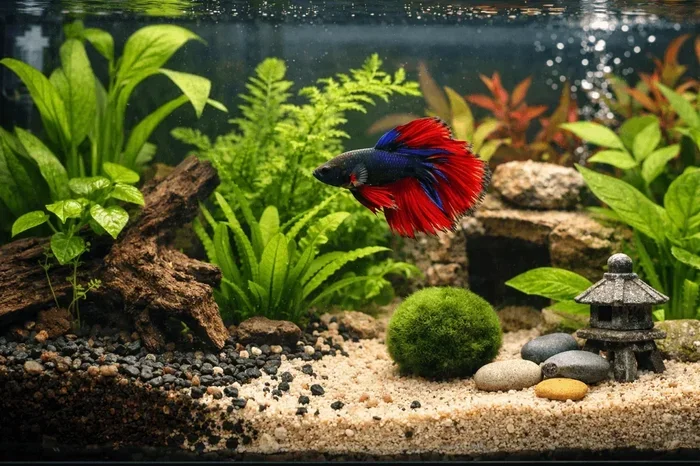
Setting up an aquarium for betta fish is easier than most people think. You just need the right tank size, a good heater, a gentle filter, and a few simple decorations. This guide walks you through every step so your betta stays healthy and happy.
So you want to set up an aquarium for betta fish? That is a great idea. Bettas are beautiful, active fish that bring so much life to a home. But many new fish owners make mistakes that hurt their betta. The good news is that setting up a proper tank is not hard. You just need the right information and a little patience.
In this guide, we will walk you through every step. From picking the right tank size to choosing the best decorations, we have you covered. By the end, you will know exactly how to create a safe and happy home for your betta. Let us get started.
Key Takeaways
- Choose at least a 5-gallon tank: Bigger tanks are easier to maintain and keep water stable.
- Always use a heater and filter: Bettas need warm water between 78-80°F and clean water to thrive.
- Cycle your tank before adding your betta: This removes harmful toxins and creates a safe habitat.
- Add soft substrate and live plants: They mimic the betta’s natural environment and reduce stress.
- Perform regular water changes: A weekly 25% water change keeps your aquarium clean and your fish healthy.
📑 Table of Contents
Why the Right Tank Setup Matters for Your Betta
Many people think bettas can live in tiny bowls. That is a myth. Bettas need space to swim and explore. A proper betta fish tank setup does more than look nice. It keeps your fish healthy and stress-free.
When you set up an aquarium correctly, you control the water temperature, cleanliness, and pH levels. This means fewer health problems for your betta. A well-designed tank also lets your betta show off its full colors and natural behaviors. You will see your fish flare, explore, and swim happily every day.
What Happens When You Skip the Basics
Putting a betta in an unprepared tank can cause serious problems. Unstable water temperature leads to stress. Poor water quality causes diseases like fin rot. And a tank that is too small can make your betta lethargic and sad. That is why taking the time to set things up properly is so important.
If you want more tips on keeping your betta healthy long-term, check out our guide on how to properly care for betta fish. It covers daily habits that make a big difference.
Choosing the Right Tank Size and Type
The first big decision is picking the right tank. Many pet stores sell tiny cups and bowls for bettas. Do not fall for that. Your betta deserves a real aquarium.
Minimum Tank Size for a Betta
A 5-gallon tank is the smallest you should use for a single betta. Here is why:
- 5 gallons: Good for one betta. Easy to heat and filter.
- 10 gallons: Better water stability. More room for plants and decorations.
- 20 gallons or more: Ideal if you plan to keep other peaceful fish.
Larger tanks are actually easier to maintain. The water parameters stay more stable because there is more water volume. This means less frequent water changes and a happier fish.
Tank Shape and Material
Rectangular tanks work best for bettas. They give your fish more surface area to breathe from. Avoid tall, narrow tanks because bettas swim horizontally and need space. Glass tanks are durable and scratch-resistant. Acrylic tanks are lighter but scratch more easily. Either one works fine for a betta fish habitat.
Essential Equipment for Your Betta Aquarium
Now that you have your tank, it is time to get the right equipment. Every piece of gear plays a role in keeping your betta safe.
Heater
Bettas are tropical fish. They need warm water to stay healthy. The ideal temperature is between 78 and 80 degrees Fahrenheit. A submersible heater with a thermostat makes this easy. Look for a heater rated for your tank size. A 25-watt heater works well for a 5-gallon tank.
Without a heater, your betta can become stressed and sick. Cold water slows down their immune system. This makes them vulnerable to infections and diseases.
Filter
You need a filter to keep the water clean. But not just any filter will do. Bettas do not like strong currents. Their long fins make it hard to swim against heavy water flow.
Choose a gentle filter, like a sponge filter or a hang-on-back filter with a baffle. You can also turn the flow down using a valve. The goal is to remove waste without making your betta work too hard to swim.
Thermometer
A thermometer helps you monitor the water temperature every day. Stick-on thermometers are cheap and easy to read. Digital thermometers are more accurate but cost a bit more. Either one works well for a beginner betta fish tank setup.
Lighting
Standard aquarium LED lights work great for bettas. You do not need expensive lighting. Just make sure the light is not too bright. Bettas prefer moderate lighting that mimics their natural environment. Too much light can stress them out and encourage algae growth.
Setting Up the Tank Step by Step
This is the fun part. Let us walk through the actual setup process.
Step 1: Rinse the Tank
Start by rinsing your empty tank with clean water. Do not use soap or detergent. Soap residue is deadly to fish. Just use plain water to remove any dust or debris.
Step 2: Add Substrate
Spread a layer of substrate across the bottom of the tank. Fine gravel or sand works best for bettas. Wash the substrate thoroughly before adding it. Rinse it in a bucket until the water runs clear.
Aim for about 1 to 2 inches of substrate. This gives your plants something to root into and looks natural in the tank.
Step 3: Install Equipment
Now attach your heater, filter, and thermometer. Place the heater near the filter outflow for even heat distribution. Make sure the filter intake is covered with a sponge if your betta is small. This prevents your fish from getting trapped.
Step 4: Add Water
Fill the tank slowly with water. Pour it onto a plate or bowl to avoid disturbing the substrate. Use room temperature water to start. Then add a water conditioner to remove chlorine and chloramine. These chemicals are in tap water and can harm your betta.
For more details on this step, read our article on how to condition tap water for betta fish. It explains exactly what to look for in a good conditioner.
Step 5: Cycle the Tank
Cycling is the most important step. It builds beneficial bacteria that break down harmful toxins. Without cycling, ammonia and nitrite levels can spike and harm your betta.
A full cycle takes about 4 to 6 weeks. You can speed it up with bottled bacteria starter. Test the water regularly during this phase. Wait until ammonia and nitrite read zero before adding your fish.
Want a full walkthrough on this process? Our guide on how to cycle a fish tank for betta gives you all the details.
Step 6: Add Decorations and Plants
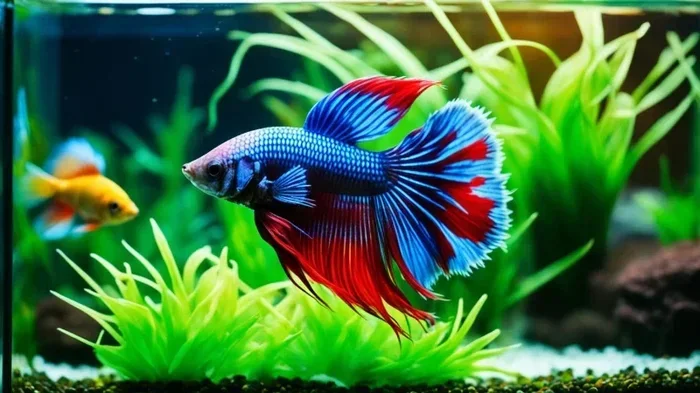
Now make the tank look nice and feel like home. Add live or silk plants. Avoid plastic plants with sharp edges. Bettas have delicate fins that can tear on rough surfaces.
Add hiding spots like caves or driftwood. Bettas like to rest and explore. A few smooth rocks or pieces of driftwood work great. Just make sure nothing has sharp edges or rough surfaces.
Step 7: Let the Tank Run
Before adding your betta, let the tank run for at least 24 hours. Check that the heater holds a steady temperature. Make sure the filter is working properly. This gives you time to fix any problems before your fish arrives.
Water Parameters and Maintenance
Keeping the water clean is the key to a long and healthy life for your betta. Here is what you need to know.
Ideal Water Parameters
Bettas thrive in specific water conditions. Keep these numbers in mind:
- Temperature: 78 to 80 degrees Fahrenheit
- pH Level: 6.5 to 7.5
- Ammonia: 0 ppm
- Nitrite: 0 ppm
- Nitrate: Below 20 ppm
Test the water at least once a week with a liquid test kit. Test strips are okay for quick checks, but liquid kits are more accurate. Staying on top of water quality prevents most common betta health problems.
Water Change Schedule
Regular water changes keep your tank fresh. Here is a simple schedule:
- Remove 25% of the tank water each week.
- Replace it with fresh, conditioned water at the same temperature.
- Vacuum the substrate gently to remove waste.
For larger tanks of 10 gallons or more, you can do 20% weekly changes. Smaller tanks need more frequent attention. A betta fish tank maintenance routine keeps everything running smoothly.
Common Mistakes to Avoid
Even well-meaning owners make mistakes. Here are the most common ones and how to avoid them.
- Using too small a tank: A bowl or cup is never enough. Always go with at least 5 gallons.
- Skipping the heater: Room temperature water is too cold for bettas. They need warmth.
- Using a strong filter: Heavy currents exhaust bettas. Always use a gentle filter or add a baffle.
- Adding the betta before cycling: This exposes your fish to toxic ammonia and nitrite.
- Overfeeding: Bettas only need a few pellets twice a day. Extra food rots and pollutes the water.
- Using sharp decorations: Rough surfaces can tear delicate betta fins.
Avoiding these mistakes saves you time, money, and most importantly, keeps your fish healthy and happy.
Final Tips for a Thriving Betta Aquarium
Setting up an aquarium for betta fish is a rewarding experience. You get to watch your fish explore, play, and show off their colors every day. A few simple habits will keep everything running smoothly.
First, stick to your water change schedule. Second, feed your betta high-quality food in small amounts. Third, watch your fish daily for any signs of illness. Early detection makes treatment much easier.
If you ever need to treat your betta for an illness, our article on how to use tetracycline for betta fish offers helpful guidance. And remember, a clean tank is the foundation of good betta fish care.
Your betta depends on you for everything. Taking the time to set up the right environment shows how much you care. Follow the steps in this guide, and you will have a beautiful, thriving aquarium that you can enjoy for years to come.
Frequently Asked Questions
What size tank do I need for a betta fish?
A 5-gallon tank is the minimum recommended size for a single betta fish. A 10-gallon tank is even better because it provides more stable water conditions and extra swimming space. Avoid bowls or cups as they are too small for a betta to thrive.
Do betta fish need a heater in their tank?
Yes, bettas are tropical fish and need warm water between 78 and 80 degrees Fahrenheit. A heater with a thermostat helps maintain a steady temperature. Without a heater, cold water can stress your betta and weaken its immune system.
How long should I cycle my betta tank before adding the fish?
A full tank cycle takes about 4 to 6 weeks. During this time, beneficial bacteria grow and convert harmful ammonia into less toxic substances. Testing the water regularly ensures ammonia and nitrite levels stay at zero before you introduce your betta.
Can I use a regular aquarium filter for a betta tank?
Yes, but choose a gentle filter. Bettas have long fins and struggle against strong water currents. Sponge filters or hang-on-back filters with adjustable flow work great. You can also add a baffle to reduce the flow rate.
How often should I change the water in my betta tank?
Perform a 25% water change every week for a 5-gallon tank. Larger tanks may need less frequent changes, but weekly maintenance keeps water quality high. Always use conditioned water that matches the tank temperature.
What decorations are safe for betta fish?
Soft silk plants, smooth rocks, and driftwood are all safe choices. Avoid plastic plants with sharp edges or rough surfaces that can tear delicate betta fins. Always rinse new decorations before adding them to the tank.