How to Set Up a Betta Fish Aquarium
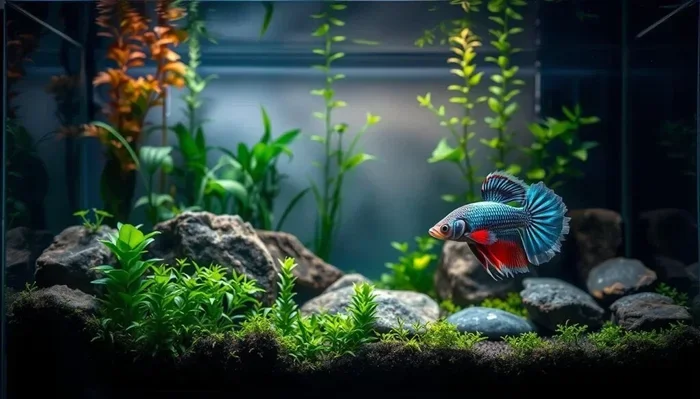
Setting up a betta fish aquarium is easier than most people think. You need the right tank size, a reliable heater, a gentle filter, and clean water to keep your betta healthy and active. This guide walks you through every step, from choosing the perfect tank to adding plants and maintaining water quality. By the end, you will have all the knowledge you need to create a thriving habitat for your betta fish.
Setting up a betta fish aquarium is one of the most rewarding things you can do as a fish keeper. Bettas are beautiful, colorful fish with big personalities. But they do need the right environment to truly thrive. Many people think bettas can live in tiny bowls. That is a myth. In reality, a properly set up tank makes a huge difference in your betta’s health, color, and lifespan.
This guide covers everything you need to know about how to set up a betta fish aquarium from scratch. Whether you are a complete beginner or looking to improve an existing setup, you will find practical advice here. We will walk through tank selection, equipment, water preparation, cycling, decorating, and ongoing maintenance. Each step is designed to be simple and easy to follow.
By the time you finish reading, you will feel confident about building a safe and beautiful home for your betta. Let us get started.
Key Takeaways
- Choose at least a 5-gallon tank: Bettas need space to swim and stay healthy, and a larger tank makes maintenance much easier.
- A heater and filter are essential: Bettas are tropical fish that need warm, stable water between 76-82°F and gentle filtration.
- Cycle your tank before adding your betta: The nitrogen cycle removes harmful toxins like ammonia and nitrite from the water.
- Use a water conditioner every time: Tap water contains chlorine and chloramine that can harm or kill your betta fish.
- Add live plants and soft substrate: These create a natural, stress-free environment that mimics your betta’s natural habitat.
- Perform regular water changes: Weekly partial water changes keep the tank clean and your betta happy and active.
📑 Table of Contents
Choose the Right Tank Size for Your Betta
The first and most important decision in betta fish tank setup is choosing the right tank size. Many pet stores sell bettas in tiny cups or small bowls. This is convenient for the store but terrible for the fish. Bettas need room to swim and explore.
Why Tank Size Matters
A larger tank provides more stable water conditions. Small tanks experience rapid changes in temperature and chemistry. These swings stress your betta and can lead to illness. A bigger tank also gives you more room for plants, hides, and decorations that make your betta feel secure.
Here is a quick look at tank size recommendations:
- 1-2 gallons: Too small for long-term betta health. Only acceptable for temporary housing.
- 3-5 gallons: The minimum recommended size for a single betta fish.
- 5-10 gallons: The ideal size for most betta setups. Easier to maintain and more stable.
- 10+ gallons: Excellent for bettas who want extra swimming space. Great for planted tanks.
For most hobbyists, a 5-gallon tank is the sweet spot. It is large enough to maintain stable conditions but small enough to fit on a desk or shelf. If you have the space, go bigger. Your betta will thank you.
Essential Equipment for Your Betta Aquarium
Once you have your tank, you need the right equipment. A betta fish aquarium requires a few key pieces to keep the water safe and comfortable.
Heater for Betta Fish
Bettas are tropical fish. They need warm water to stay healthy. The ideal temperature range is between 76 and 82 degrees Fahrenheit. Room temperature water is almost always too cold for a betta.
You will need a small aquarium heater. Look for one with adjustable temperature settings. A 25-watt heater works well for tanks up to 5 gallons. For larger tanks, you may need a 50-watt heater. Always pair your heater with a thermometer so you can monitor the temperature daily.
Filter for Gentle Water Flow
Bettas do not like strong water flow. Their long fins make them slow swimmers. A filter that is too powerful can stress your fish and make it hard for them to swim comfortably.
Choose a filter with adjustable flow or one designed for small tanks. Sponge filters are an excellent choice for betta tanks. They provide mechanical and biological filtration without creating a strong current. Hang-on-back filters also work well if you point the output away from your betta or baffle the flow.
Lighting for Your Aquarium
Most betta tanks come with a hood or light. Standard aquarium LED lights work great. You do not need expensive lighting. A basic light on a timer that runs 8 to 10 hours per day is sufficient. This also helps any live plants you add grow properly.
Prepare and Cycle Your Tank Water
This is one of the most important steps in setting up a betta fish tank. Cycling your tank means building beneficial bacteria that break down harmful toxins. Skipping this step is the number one mistake new fish keepers make.
What Is the Nitrogen Cycle?
The nitrogen cycle is a natural process that removes ammonia and nitrite from your tank water. Both of these substances are toxic to bettas. During cycling, helpful bacteria grow in your filter and substrate. These bacteria convert ammonia into nitrite, and then nitrite into nitrate. Nitrate is much less harmful and is removed through regular water changes.
Cycling a tank typically takes 4 to 6 weeks. You can speed up the process by adding bottled beneficial bacteria from a pet store. Never add your betta to an uncycled tank. Doing so can cause serious health problems or even death.
How to Prepare Water for Your Betta
Tap water contains chlorine and chloramine. These chemicals are safe for humans but harmful to fish. You must treat your water before adding it to the tank.
Always use a water conditioner when preparing water for your betta. A good conditioner neutralizes chlorine, chloramine, and heavy metals. This makes tap water safe for your fish. If you want to learn more about this process, check out our guide on how to prepare water for a betta fish for detailed instructions.
Here are the basic steps for preparing water:
- Fill a bucket or container with tap water.
- Add the recommended dose of water conditioner.
- Let the water sit for 15 to 20 minutes to ensure the conditioner works fully.
- Match the temperature of the new water to your tank water using a thermometer.
- Gently add the new water to your tank.
Decorate Your Betta Aquarium
Decorating your tank is one of the most fun parts of setting up a betta fish aquarium. A well-decorated tank looks great and makes your betta feel safe and comfortable.
Choose the Right Substrate
The substrate is the material that covers the bottom of your tank. You have many options. Gravel is the most common and comes in many colors. Sand is another popular choice that looks natural and is easy to clean. Avoid sharp or rough substrates that could damage your betta’s delicate fins.
For planted tanks, use a nutrient-rich substrate designed for live plants. This gives your plants the nutrients they need to grow strong and healthy.
Add Live Plants
Live plants are wonderful for a betta tank. They absorb nitrates, produce oxygen, and create a more natural environment. Bettas love to rest on broad leaves like those of anubias or java fern. These plants are hardy and easy to care for.
If you are new to planted tanks, consider starting with low-maintenance plants. You can find great tips on setting up a planted betta bowl in our article on how to setup a betta fish bowl with a plant.
Provide Hiding Spots and Enrichment
Bettas feel more secure when they have places to hide. Add caves, driftwood, or ceramic hides to your tank. These give your betta a sense of territory and reduce stress. Just make sure any decorations have smooth edges to protect your betta’s fins.
You can also add a betta hammock or leaf pad. Bettas love to rest on these near the surface of the water. It mimics their natural behavior in the wild.
Maintain Your Betta Tank After Setup
Setting up your tank is just the beginning. Regular maintenance keeps your betta healthy and your tank looking beautiful. A consistent routine makes all the difference.
Perform Regular Water Changes
Water changes are the single most important maintenance task. They remove excess nitrates, debris, and pollutants from the water. For a 5-gallon tank, aim to change 25 to 30 percent of the water every week.
Use a gravel vacuum to clean the substrate while you remove water. This pulls out waste and leftover food from the bottom of the tank. Always treat new water with conditioner before adding it to the tank.
For more information on keeping your tank clean, read our guide on how to maintain a betta fish bowl for practical maintenance tips.
Test Your Water Parameters
Testing your water regularly helps you catch problems early. You should test for ammonia, nitrite, nitrate, and pH. Liquid test kits are more accurate than test strips. They are worth the small extra cost.
Ideal parameters for a betta tank are:
- Ammonia: 0 ppm
- Nitrite: 0 ppm
- Nitrate: Below 20 ppm
- pH: 6.5 to 7.5
- Temperature: 76-82°F
Feed Your Betta Properly
Overfeeding is one of the most common mistakes betta owners make. Excess food decays in the water and pollutes the tank. Feed your betta 2 to 3 pellets twice a day. Only give what your fish can eat in 2 minutes. Remove any uneaten food after feeding.
You can also offer occasional treats like frozen or live bloodworms and brine shrimp. These make a great supplement to a high-quality pellet diet. Just do not overdo it. Treats should make up no more than 10 percent of your betta’s diet.
Common Mistakes to Avoid When Setting Up a Betta Tank
Even experienced fish keepers sometimes make mistakes. Here are the most common errors to avoid when you set up your betta fish aquarium.
Keeping Your Betta in Too Small a Container
The tiny cups and bowls at pet stores are not suitable for long-term betta care. A bowl under 3 gallons is too small. It leads to rapid water quality changes and stressed fish. Always go with at least a 5-gallon tank for the best results.
Skipping the Cycling Process
Adding your betta to an uncycled tank is dangerous. Ammonia and nitrite levels can spike quickly and cause serious harm. Always cycle your tank fully before introducing your fish. Patience at this stage pays off in the long run.
Using the Wrong Equipment
Not all aquarium equipment is suitable for bettas. Powerful filters create currents that exhaust your fish. Harsh lighting stresses bettas and promotes algae growth. Choose gentle filtration, adjustable lighting, and a reliable heater designed for small tanks.
Neglecting Water Changes
Even a well-cycled tank needs regular maintenance. Skipping water changes allows nitrates to build up over time. This weakens your betta’s immune system and can lead to disease. Stick to your weekly water change schedule no matter how busy you are.
Final Thoughts on Setting Up Your Betta Aquarium
Setting up a betta fish aquarium is a journey, not a one-time task. Each step you take creates a better home for your fish. From choosing the right tank size to cycling the water and adding decorations, every detail matters.
Start with the basics: a 5-gallon tank, a heater, a gentle filter, and treated water. Cycle your tank properly before adding your betta. Decorate with live plants and soft substrates. Maintain your tank with regular water changes and parameter testing.
Your betta deserves a healthy, comfortable environment. By following the steps in this guide, you are giving your fish the best possible life. Enjoy the process and take pride in creating a beautiful underwater world for your betta.
Remember, a happy betta is a colorful, active betta. Take your time, do things right, and you will be rewarded with a thriving aquarium. For more tips on keeping your betta healthy and happy, explore our collection of betta care guides on the site.
Frequently Asked Questions
What size tank is best for a betta fish?
A 5-gallon tank is the minimum recommended size for a single betta fish. It provides enough space for swimming and stable water conditions. Tanks of 5 gallons or larger are much easier to maintain than smaller containers and allow for proper equipment like heaters and filters.
Do betta fish need a heater in their tank?
Yes, bettas are tropical fish and need warm water to stay healthy. The ideal temperature range is 76 to 82 degrees Fahrenheit. A small aquarium heater with adjustable settings helps maintain a stable temperature. Without a heater, room temperature water is almost always too cold for a betta.
How long does it take to cycle a betta tank?
Cycling a betta tank typically takes 4 to 6 weeks. During this time, beneficial bacteria build up in your filter and substrate. These bacteria convert harmful ammonia and nitrite into less toxic nitrate. You can use bottled beneficial bacteria products to speed up the process.
Can betta fish live in a bowl without a filter?
While bettas can survive in a bowl without a filter, they thrive much better in a filtered tank. A filter helps maintain water quality by removing waste and supporting the nitrogen cycle. If you use a bowl, you will need to perform water changes more frequently to keep the water clean and safe.
How often should I do water changes in my betta tank?
For a 5-gallon betta tank, performing a 25 to 30 percent water change every week is ideal. Larger tanks may need less frequent changes, but regular maintenance is always important. Always treat new water with a water conditioner before adding it to the tank.
What plants are best for a betta fish aquarium?
Low-maintenance live plants like anubias, java fern, and java moss are excellent choices for betta tanks. They are hardy, grow well in low light, and provide natural hiding spots. Bettas also enjoy resting on broad leaves, which makes these plants a great addition to any betta aquarium setup.