How to Separate Male and Female Betta Fish
Knowing how to separate male and female betta fish is essential for every fish keeper. Male and female bettas have distinct needs, behaviors, and physical traits that affect how they should be housed. This guide covers identification, separation steps, and common mistakes to help you keep your bettas safe and stress-free.
Betta fish are beautiful, colorful creatures that bring life to any aquarium. But if you own both a male and a female betta, you need to understand one critical fact: they usually cannot live together safely. Separating male and female betta fish is not just a recommendation. It is often a necessity for their health and survival.
Whether you are a beginner or a seasoned hobbyist, this guide will walk you through everything you need to know about separating male and female betta fish. We will cover how to tell them apart, when to separate them, and exactly how to do it the right way. By the end, you will feel confident and prepared to give each fish the home it deserves.
Let us start with the basics. Understanding why separation matters sets the foundation for everything else. Once you see the reasons, the steps will make perfect sense.
Key Takeaways
- Separate early: Male and female bettas should be split once you notice aggression or breeding behavior to prevent injury.
- Know the differences: Physical traits like fin length, body shape, and color intensity help you identify male vs female bettas quickly.
- Use proper tanks: Each betta needs its own cycled tank with hiding spots, stable temperature, and gentle filtration.
- Avoid common mistakes: Overcrowding, skipping quarantine, and ignoring aggression signs are the top errors fish keepers make.
- Monitor behavior: Flaring, chasing, and nipping are clear signals that your bettas need immediate separation.
- Reintroduction is risky: Even after separation, male and female bettas should not be housed together long-term in most cases.
📑 Table of Contents
- Why Separating Male and Female Betta Fish Matters
- How to Identify Male and Female Betta Fish
- Signs That You Need to Separate Your Betta Fish
- Step-by-Step Guide to Separating Betta Fish
- Can Male and Female Betta Fish Ever Live Together?
- Common Mistakes to Avoid When Separating Betta Fish
- Expert Tips for a Smooth Separation
- Conclusion
Why Separating Male and Female Betta Fish Matters
Betta fish, also known as Siamese fighting fish, are territorial by nature. Males are especially aggressive toward other males. But what about males and females? The answer is more complicated than you might think.
In the wild, male and female bettas only come together briefly to mate. After that, they go their separate ways. In a confined tank, this natural dynamic changes completely. The close quarters can trigger stress, aggression, and even fatal fights. Separating male and female betta fish prevents these dangerous situations before they start.
Here are the main reasons separation is important:
- Aggression and injury: Males may flare, chase, or bite females, causing physical harm.
- Stress-related illness: Constant stress weakens the immune system. Sick fish are more prone to infections and disease.
- Unwanted breeding: If you are not prepared for fry care, breeding can lead to overcrowding and poor water quality.
- Territorial behavior: Bettas claim spaces as their own. A shared tank forces them to compete for territory constantly.
Understanding these risks helps you make better decisions for your fish. Next, let us look at how to tell males and females apart, because you cannot separate what you cannot identify.
How to Identify Male and Female Betta Fish
Before you separate any fish, you need to be sure about their gender. Many beginners confuse young bettas or mistake certain color variations for gender differences. Learning how to differentiate between male and female betta fish is the first practical step in this process.
Physical Differences
Males and females look quite different once you know what to look for. Here are the key physical traits:
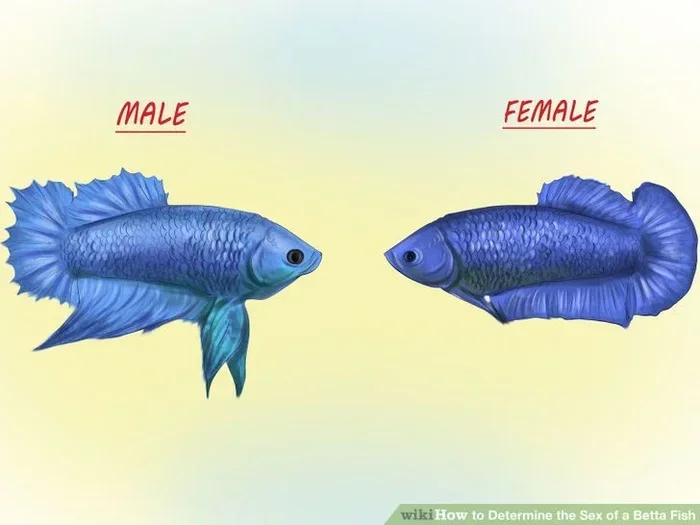
- Fin length: Males have long, flowing fins that trail behind them. Females have shorter, more compact fins.
- Body shape: Females tend to have a rounder, thicker body, especially when carrying eggs. Males are more streamlined.
- Color intensity: Males typically display brighter, more vivid colors. Females often appear duller by comparison.
- Egg spot: Females have a small white spot on their underside called an ovipositor. This is where eggs come out.
- Beard (operculum membrane): Males have a more pronounced beard that flares during displays. Females have a smaller one.
If you are still unsure about identification, check out our detailed guide on how to differentiate between male and female betta fish for more visual and behavioral clues.
Behavioral Differences
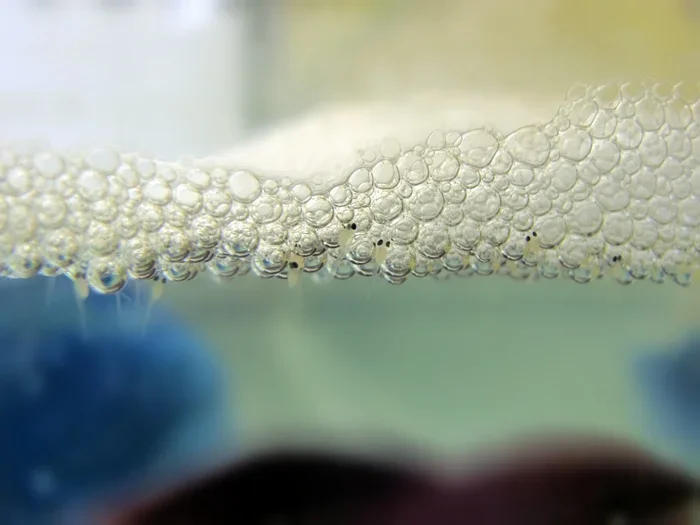
Behavior also gives you strong clues about gender. Males build bubble nests at the surface. They flare their gills and spread their fins to look larger. Females may display vertical stripes when ready to breed. Males will also become more aggressive during breeding season, which can make cohabitation dangerous.
Pay attention to these signs daily. The earlier you notice behavioral changes, the easier it is to act before any harm occurs.
Signs That You Need to Separate Your Betta Fish
Not all betta setups start with two fish in one tank. Sometimes you buy a male and female pair thinking they will coexist peacefully. Other times, you start with one fish and add another later. Either way, you need to watch for warning signs that tell you separation is urgent.
Aggression Signals
Flaring is the most obvious sign. If one fish flares at the other constantly, that is not playful behavior. It is a threat display. Other aggression signs include:
- Chasing around the tank
- Nipping at fins or tails
- Locking mouths in combat
- Refusing to eat due to stress
- Hiding constantly to avoid the other fish
If you observe any of these behaviors, act quickly. Delaying separation can lead to serious injury or death.
Breeding Behavior
When a male and female betta are ready to mate, the male builds a bubble nest. The female develops a thicker body and shows vertical bars along her sides. While this is natural, it does not mean they should stay together. Breeding sessions can turn violent if the female is not ready or if the male becomes too persistent.
If you are interested in breeding, you should still plan for separate tanks before and after the breeding process. This protects both fish from harm.
Stress Indicators
Stress shows up in subtle ways. A fish that stops eating, loses color, or stays in one corner of the tank is likely stressed. Chronic stress leads to diseases like ich, fin rot, and velvet. Separating stressed fish often reverses these symptoms and gives them a chance to recover.
Step-by-Step Guide to Separating Betta Fish
Now that you know why and when to separate, let us get into the actual process. Following these steps ensures a smooth transition for both fish with minimal stress.
Step 1: Prepare Two Separate Tanks
Each betta needs its own cycled tank. A minimum of 5 gallons per fish is ideal. Make sure the water parameters are stable before moving any fish. Test for ammonia, nitrite, and nitrate levels. Both tanks should have:
- A gentle filter to maintain water quality
- A heater set to 78-80 degrees Fahrenheit
- Plants or decorations for hiding spots
- A lid to prevent jumping
Setting up both tanks before the move reduces the shock of transition. Your fish will adjust faster when everything is ready.
Step 2: Catch and Transfer Each Fish Carefully
Use a soft net to catch each betta. Avoid using your hands, as this can damage their delicate fins and scales. Move each fish to its new tank gently. Try to keep the lighting dim during the transfer, as bright lights can scare bettas and increase stress.
Float the bag or container in the new tank for about 15 minutes. This helps equalize the temperature and reduces shock.
Step 3: Monitor Both Fish After Separation
Watch each fish closely for the first 24-48 hours. Check that they are eating, swimming normally, and showing no signs of distress. Some fish may refuse food initially due to the stress of the move. This is normal and usually resolves within a day or two.
If one fish shows signs of illness, isolate it immediately. Diseases can spread quickly in close quarters, and you do not want one sick fish to affect the other tank.
Step 4: Maintain Separate Care Routines
Each tank needs its own maintenance schedule. Perform partial water changes weekly, clean the filter monthly, and test water parameters regularly. Keeping routines consistent helps both fish thrive in their new environments.
Can Male and Female Betta Fish Ever Live Together?
This is one of the most common questions among betta owners. The short answer is: it is risky and not recommended for most hobbyists. Some experienced keepers have successfully kept one male and female betta fish together in large, heavily planted tanks with plenty of hiding spots. But this requires careful planning and constant monitoring.
Even in the best setups, there is no guarantee of peace. A male may suddenly become aggressive, or a female may not be receptive to breeding, which can trigger a chase. The safest approach is always to keep them in separate tanks.
If you want to learn more about whether male and female bettas can coexist, read our article on keeping one male and female betta fish together for a deeper look at the risks and realities.
The Breeding Exception
There is one scenario where male and female bettas are placed together intentionally: breeding. Even then, the female is removed shortly after mating to protect her from the male’s aggression. The male takes over egg care in the bubble nest. This controlled interaction is very different from permanent cohabitation.
Common Mistakes to Avoid When Separating Betta Fish
Even well-meaning fish keepers make mistakes during the separation process. Learning from others’ errors saves you time, money, and heartache.
- Waiting too long: Many owners wait until aggression becomes severe before separating. By then, injuries may already be done. Act at the first sign of trouble.
- Using tanks that are too small: A cramped tank increases stress and territorial behavior. Always provide at least 5 gallons per fish.
- Skipping quarantine: If you are moving a fish from a shared tank, quarantine it first to check for diseases. This protects your other fish.
- Ignoring water quality: Dirty water causes stress and illness. Test and maintain water parameters in both tanks regularly.
- Moving fish at the wrong time: Avoid separating fish during breeding or right after a fight. Let them settle first, then act calmly.
Avoiding these mistakes makes the entire process smoother and safer for your fish. Remember, patience is your best friend during separation.
Expert Tips for a Smooth Separation
Here are some bonus tips from experienced betta keepers that can make a real difference:
- Use a divider temporarily: If you cannot set up a second tank right away, a tank divider gives both fish their own space while you prepare.
- Rearrange decorations: When placing fish in a new tank, rearrange the décor. This helps each fish establish a new territory without referencing the old one.
- Feed separately: Feed each fish at opposite ends of the tank to prevent food competition and reduce stress during mealtimes.
- Keep a log: Write down behavioral observations daily. This helps you spot patterns and catch problems early.
- Consult a vet if needed: If a fish shows persistent signs of illness or extreme stress, a fish veterinarian can provide targeted treatment.
These small efforts add up to big benefits. Your bettas will live happier, healthier lives when you take the time to do things right.
Conclusion
Separating male and female betta fish is one of the most responsible things you can do as a fish owner. It protects their physical health, reduces stress, and prevents aggressive encounters that can turn deadly. By learning to identify gender differences, watching for warning signs, and following the step-by-step separation process, you give both fish the best chance at a happy, healthy life.
Remember, each betta is an individual with its own personality and needs. Providing separate, well-maintained tanks shows that you care. Do not wait for problems to appear. Be proactive, stay observant, and always put your fish’s well-being first.
The knowledge you have gained from this guide puts you ahead of most beginner fish keepers. Apply these tips confidently, and you will create a thriving environment for every betta in your care.
Frequently Asked Questions
How do you tell if a betta fish is male or female?
Males have longer fins, brighter colors, and a more pronounced beard. Females have shorter fins, a rounder body, and a white egg spot on their underside. Behavioral differences like bubble nest building also indicate a male.
Can male and female betta fish live in the same tank?
It is possible but risky. Even in large, well-planted tanks, aggression can occur. Most experts recommend keeping male and female bettas in separate tanks to ensure their safety and reduce stress.
When should I separate my male and female betta fish?
Separate them at the first sign of aggression, such as flaring, chasing, or fin nipping. Also separate them if you notice breeding behavior and are not prepared to care for fry. Early action prevents injuries.
What tank size is best for a single betta fish?
A 5-gallon tank is the minimum recommended size for one betta fish. Larger tanks provide more swimming space and better water stability, which reduces stress and promotes overall health.
Do betta fish get lonely in separate tanks?
No. Betta fish are solitary by nature. They prefer their own territory and do not need tank mates for companionship. A well-decorated single tank provides plenty of stimulation and enrichment.
Is it safe to breed male and female betta fish at home?
Breeding bettas requires experience and preparation. You need separate tanks for the male, female, and fry. The male can become aggressive toward the female, so removing her after mating is essential for her safety.