How Often Should You Feed a Female Betta Fish
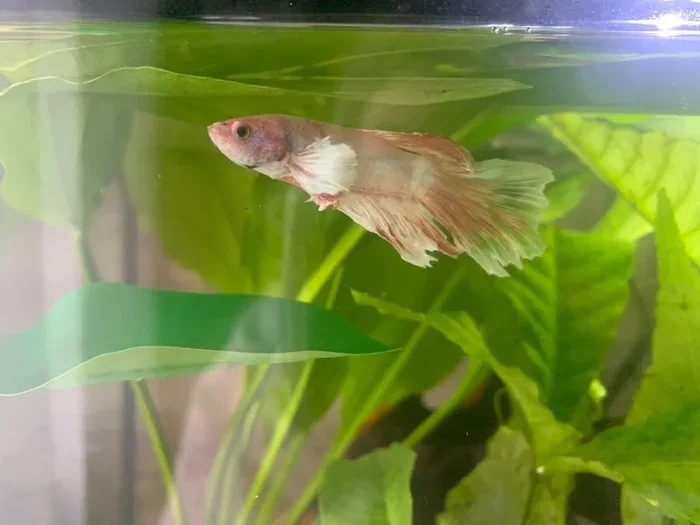
So, how often should you feed a female betta fish? The answer is simple: feed your female betta once or twice a day with small portions she can eat in under two minutes. A consistent feeding schedule keeps her healthy, active, and prevents common issues like bloating and water pollution.
If you own a female betta fish, you probably wonder about the right feeding schedule. It is one of the most common questions new betta owners ask. The truth is, feeding your female betta properly is one of the easiest ways to keep her happy and healthy. A good routine makes all the difference.
So, how often should you feed a female betta fish? Most experts agree that once or twice a day works best. But there is more to it than just frequency. What you feed, how much you give, and when you feed all matter. In this guide, we will walk you through everything you need to know. You will learn about portion sizes, food types, and common mistakes to avoid. By the end, you will feel confident about your betta fish feeding routine.
Key Takeaways
- Feed once or twice daily: A female betta fish thrives on one to two small meals per day, spaced evenly apart.
- Small portions matter: Only give what she can consume in under two minutes to avoid overfeeding and water quality issues.
- Variety is key: Rotate between high-quality pellets, flakes, and occasional treats like frozen bloodworms for balanced nutrition.
- Watch for warning signs: Bloating, lethargy, and uneaten food are clear signals that your feeding routine needs adjustment.
- Consistency beats quantity: A predictable feeding schedule reduces stress and keeps your betta fish healthy long-term.
- Skip one day a week: A light fast once a week helps digestion and prevents constipation in female bettas.
📑 Table of Contents
How Often Should You Feed a Female Betta Fish?
The short answer is once or twice a day. But let us break it down further. A female betta fish has a small stomach, roughly the size of her eye. This means she does not need a lot of food at each meal. Overfeeding is one of the biggest mistakes new fish owners make. It can lead to serious health problems and dirty tank water.
When you feed a betta fish too much, the extra food sinks to the bottom and rots. This releases ammonia into the water. Ammonia is toxic to fish. It can damage your betta’s gills and make her sick. So, keeping portions small is not just about the fish. It is also about maintaining clean water in the betta fish tank.
Morning vs. Evening Feeding
Many betta owners prefer feeding in the morning. It works well with a daily routine. Others split the meals between morning and evening. Both approaches are fine. The key is consistency. Try to feed your fish at the same times each day. This helps regulate her betta fish appetite and digestion.
If you work long hours, once-a-day feeding is perfectly fine. Just make sure the portion is right. A female betta care routine that you can stick to is better than an elaborate one you cannot maintain.
How Does a Female Betta’s Appetite Compare?
Female bettas tend to eat less than males. They are generally smaller and less active. Males have bigger bodies and longer fins, which require more energy. So, do not compare your female betta’s appetite to what you see online with male bettas. A female betta fish needs smaller meals. If you are unsure about portions, start small and adjust over time.
Also, keep in mind that younger bettas eat more often than older ones. A growing fish needs more fuel. An older betta may do well with just one small meal a day. Pay attention to your individual fish and adjust accordingly.
What to Feed Your Female Betta Fish
Now that you know how often, let us talk about what to feed. Not all fish food is created equal. A betta fish diet should be rich in protein. Bettas are carnivorous by nature. They eat insects, larvae, and small crustaceans in the wild. So, your goal is to mimic that diet as closely as possible.
Best Food Options for Female Bettas
Here are the top food choices for a healthy female betta:
- High-quality betta pellets: These are the staple food. Look for pellets with fish meal or shrimp as the first ingredient. They sink or float, depending on the brand. Pellets are easy to portion and most bettas love them.
- Betta flakes: Flakes work well for some fish, but they can be messy. They dissolve quickly and may cloud the water. If you use flakes, give only a tiny pinch.
- Frozen or live bloodworms: These make great treats. They are high in protein and most bettas go crazy for them. Use them two to three times a week, not every day.
- Frozen or live brine shrimp: Another excellent treat option. Brine shrimp boost energy and color. They are a nice addition to a balanced betta fish nutrition plan.
- Daphnia: This is a natural food source for bettas. It aids digestion and makes a good occasional meal. You can find freeze-dried daphnia at most pet stores.
Can You Feed a Female Betta Human Food?
Some owners wonder about feeding a betta fish rice, lettuce, or even peas. The answer is sometimes yes, but with caution. A pea can help with constipation. Just remove the shell and mash it up. Lettuce and cucumber can be nibbled on occasionally. But these should never replace a proper betta diet. Stick to protein-rich foods as the main course.
Never feed your betta bread, crackers, or processed human food. These offer no nutritional value and can seriously harm your fish. If you are ever unsure, how do you feed a betta fish safely? Stick to foods specifically made for bettas.
Signs You Are Feeding Too Much or Too Little
Reading your betta’s body language is an important part of female betta care. Fish cannot tell you when something is wrong. But they show signs. Learning these signs helps you adjust your routine before problems start.
Signs of Overfeeding
Overfeeding is more common than underfeeding. Watch for these red flags:
- Bloating: A swollen belly is a classic sign. Your betta may look like she is carrying eggs even when she is not.
- Uneaten food floating in the tank: If food sits at the bottom for more than a few minutes, you are giving too much.
- Cloudy water: Excess food decays fast and can cause water to turn cloudy quickly.
- Lethargy: An overfed betta may become lazy and spend more time resting near the bottom.
- Constipation: This happens when a betta eats too much dry food without enough moisture. A bloated, constipated fish may have trouble swimming properly.
If you notice any of these signs, reduce the portion size immediately. You can also skip one feeding to let her digestive system reset. If the problem continues, consider fasting her for 24 hours. Can you feed a betta fish too much? Absolutely yes, and it happens more often than you think.
Signs of Underfeeding
Underfeeding is less common but still a concern. Look for these signs:
- Weight loss: A visibly thin betta with a sunken belly may not be getting enough food.
- Low energy: An underfed betta may seem weak and less interested in swimming or exploring.
- Slow growth (in young fish): Baby or juvenile bettas need more frequent meals to grow properly.
- Aggression or food begging: Some bettas become more aggressive at feeding time if they are hungry. They may flare or beg at the water surface.
If you see these signs, try increasing the portion slightly or adding a second small feeding. Just do not overcorrect. Gradual changes work best.
Creating the Perfect Feeding Schedule
A good betta fish feeding schedule is simple and repeatable. Bettas thrive on routine. When you feed them at the same times each day, it reduces stress and builds trust. Your fish will start anticipating mealtime and may swim to the surface eagerly.
Sample Daily Feeding Schedule
Here is a practical example you can follow:
- Morning feeding (8-9 AM): Give 2-3 high-quality pellets or a small pinch of flakes. Watch your betta eat for two minutes.
- Evening feeding (6-7 PM): Offer another small portion of pellets or a treat like a bloodworm or two.
- One fasting day per week: Skip feeding on one day, ideally once a week. This helps digestion and prevents bloating.
This schedule works well for most female bettas. Adjust the timing to fit your lifestyle, but try to keep it consistent. The goal is a routine you can maintain long-term.
How to Portion Food Correctly
Portion control is the secret to a healthy feeding frequency. Here is a simple rule of thumb: feed only what your betta can eat in under two minutes. For pellets, that is usually two to four pieces. For flakes, a tiny pinch is enough. If there is leftover food after two minutes, you gave too much. Remove uneaten food with a small net or gravel vacuum to keep the water clean.
Some owners use a feeding ring to keep pellets in one spot. This makes it easier to monitor how much your betta eats. It also prevents food from floating into the filter or decorations.
Common Mistakes to Avoid When Feeding a Female Betta
Even experienced fish keepers make mistakes. Here are the most common ones and how to avoid them:
Mistake 1: Feeding the Same Food Every Day
Variety matters for betta fish nutrition. Feeding only pellets every day can lead to nutritional gaps. Rotate between pellets, flakes, and frozen treats. This keeps meals interesting and ensures a balanced diet. Think of it like eating the same meal every day, you would get bored and miss out on nutrients.
Mistake 2: Following Online Advice Without Thinking
You might read somewhere that you should feed your betta five times a day. That advice might work for a male betta in a breeding setup. It does not necessarily apply to your female betta. Every fish is different. Consider your fish’s size, age, activity level, and tank conditions. When in doubt, how often do you feed a betta fish with a standard routine and adjust from there.
Mistake 3: Ignoring Water Quality
Overfeeding directly impacts water quality. Uneaten food breaks down and releases harmful chemicals. You should clean your betta fish bowl or tank regularly to keep ammonia levels in check. A good filter helps, but it cannot fix the damage from overfeeding. Feed less and clean more if you are ever unsure.
Mistake 4: Feeding Right After a Water Change
Avoid feeding your betta immediately after a water change. The fresh water can cause stress. Wait at least 30 minutes before offering food. This gives your fish time to settle in and reduces the chance of uneaten food polluting the new water.
Expert Tips for a Healthy Feeding Routine
Want to take your female betta care to the next level? Here are some expert-backed tips that make a real difference:
- Soak dry food before feeding: Pellets and flakes expand in water. If your betta eats them before they expand, it can cause bloating. Soak the food in tank water for a minute before offering it.
- Use a feeding mirror sparingly: Mirrors can stimulate appetite but also cause stress if used too often. Use them occasionally, not daily.
- Observe your betta during meals: Watch how quickly she eats and whether she finishes everything. This gives you valuable clues about portion size and health.
- Keep a feeding log: Write down what you feed and when. This helps you spot patterns and catch problems early. It is a simple habit that pays off.
- Talk to a vet if needed: If your betta consistently refuses food or shows signs of illness, consult a fish veterinarian. Sometimes appetite changes signal an underlying health issue.
These tips might seem small, but they add up. A careful approach to feeding goes a long way in keeping your female betta healthy and vibrant. Remember, how often should you feed a female betta fish is just one piece of the puzzle. The quality of food, portion size, and water conditions all work together to create a thriving environment.
Many owners also ask about how often to clean a betta fish tank. The answer is closely tied to feeding. More food means more waste, which means more frequent cleaning. A balanced feeding routine makes tank maintenance much easier. You will spend less time scrubbing and more time enjoying your fish.
Finally, do not forget that each betta has a unique personality. Some are voracious eaters. Others are picky. Some love pellets, while others refuse anything but live food. Getting to know your individual fish is one of the most rewarding parts of betta ownership. Pay attention, stay patient, and adjust as needed.
When you get the feeding routine right, everything else falls into place. Your betta will be more active, more colorful, and more playful. She will greet you at the glass and swim with energy. That is the reward of a good betta fish feeding schedule. And it all starts with understanding how often and how much to feed your beautiful female betta.
Conclusion
So, how often should you feed a female betta fish? The answer is clear: once or twice a day, with small portions she can finish in under two minutes. Pair that with a varied diet of high-quality pellets, occasional treats, and one fasting day per week. Avoid common mistakes like overfeeding and ignoring water quality. Keep a consistent schedule and watch your fish thrive.
A good feeding routine is the foundation of a healthy betta fish life. It is simple, effective, and easy to maintain. Start today, stay consistent, and enjoy watching your female betta grow stronger and happier with each meal.
Frequently Asked Questions
How often should I feed my female betta fish pellets?
Feed pellets once or twice a day, giving 2-4 pellets per meal. Make sure your betta finishes them within two minutes. If food is left over, reduce the portion size next time.
Can I feed my female betta fish every other day?
Feeding every other day is not ideal for a healthy adult female betta. She needs daily nutrition to stay active and maintain her color. However, a once-weekly fasting day is beneficial for digestion.
What is the best time of day to feed a female betta fish?
Morning and evening feedings work well. Try to keep the times consistent each day. Bettas thrive on routine, and a predictable schedule reduces stress and encourages healthy eating habits.
How do I know if I am feeding my female betta enough?
A well-fed betta will have a rounded but not bloated belly, steady energy, and vibrant colors. If she seems lethargic or loses weight, try increasing the portion slightly or adding a second small feeding.
Should I skip feeding my female betta if the water is cloudy?
Yes, it is a good idea to skip feeding until the water clears. Uneaten food can make cloudiness worse. Test your water parameters and perform a partial water change before resuming your normal feeding schedule.
Can a female betta fish survive without food for a few days?
A healthy adult female betta can go without food for 3 to 7 days without harm. In fact, a short periodic fast supports digestion and overall health. However, do not make a habit of skipping meals regularly.