How to Save a Bloated Betta Fish
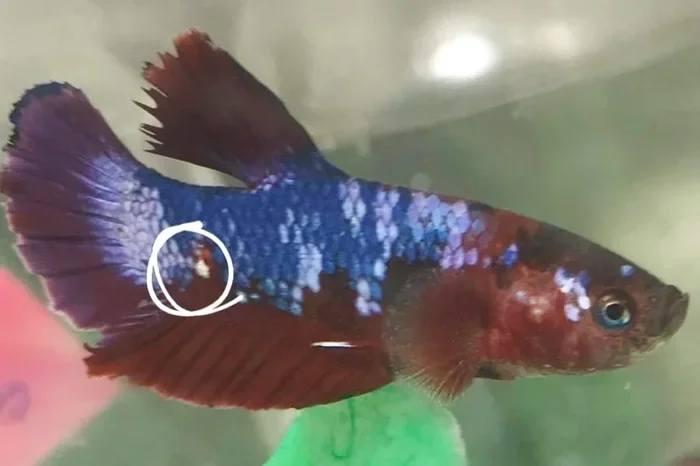
Bloating in betta fish is a common but serious issue that can be treated at home with the right approach. Whether your betta is suffering from swim bladder disease, constipation, or poor water conditions, this guide covers every step to help your fish recover. You will learn how to save a bloated betta fish using simple methods like fasting, salt baths, and diet changes that work quickly and safely.
Watching your betta fish swell up like a balloon is scary. You want to help, but you are not sure what to do. How to save a bloated betta fish is a question many betta owners face at some point. The good news is that most cases of bloating can be treated at home with simple, safe methods. This guide walks you through everything you need to know, from the first signs of bloating to long-term prevention strategies.
Bloating happens when your betta’s belly fills with gas, fluid, or undigested food. It can look like your fish just ate a huge meal, but the swelling does not go down. Sometimes it is a minor issue that fixes itself in a day or two. Other times, it is a sign of something more serious that needs quick action. Either way, understanding the cause is the first step toward helping your fish feel better.
In this article, we will cover the most common reasons bettas become bloated, the best treatment methods, and how to prevent it from happening again. You will find practical tips you can start using right away. Let us dive in and give your betta the best chance at a full recovery.
Key Takeaways
- Fast your betta fish for 2-3 days: This is the first and most effective step to relieve bloating caused by constipation or overfeeding.
- Use a salt bath as a gentle remedy: Epsom or aquarium salt can help reduce fluid retention and ease swelling in your betta.
- Feed peas and adjust diet: High-fiber foods like peas can naturally relieve constipation and improve digestion in bettas.
- Check your water quality immediately: Poor water conditions are one of the leading causes of bloating and swim bladder issues.
- Know when to seek veterinary help: Some bloating cases signal serious internal disease that needs professional treatment.
- Prevention is easier than treatment: Proper feeding habits and a clean tank go a long way in keeping your betta healthy.
📑 Table of Contents
Understanding Why Your Betta Fish Is Bloated
Before you treat bloating, you need to understand what is causing it. Different causes need different treatments, so getting this right matters. Here are the most common reasons your betta might be bloated.
Overfeeding Is the Top Culprit
Most betta bloating cases come from overfeeding. Bettas have small stomachs, about the size of their eye. Many owners feed too much or too often, which causes the stomach to stretch and become blocked. Overfeeding betta fish leads to constipation, gas buildup, and swelling that can look very alarming.
If your betta has a round, hard belly right after feeding, overfeeding is likely the cause. The good news is this is usually the easiest type of bloating to fix. A short fasting period often does the trick.
Constipation and Digestive Issues
Constipation is closely related to overfeeding but can also happen from a lack of fiber in the diet. Bettas that eat only dry flakes or pellets without any variety can become backed up. The waste builds up in their digestive tract, causing the belly to swell and become firm.
You might notice your betta not pooping for several days, or the droppings are long and stringy instead of small and compact. This is a clear sign of constipation. The good news is that this type of bloating responds well to simple home treatments.
Swim Bladder Disease
The swim bladder is an organ that helps your betta control buoyancy. When it becomes inflamed or damaged, your fish may float to the top, sink to the bottom, or swim strangely. Swim bladder disease often causes bloating because the affected organ puts pressure on the stomach area.
This condition can be caused by overfeeding, sudden temperature changes, or bacterial infections. In some cases, it is temporary and goes away with simple care. In other cases, it needs more targeted treatment.
Poor Water Quality
Dirty or unbalanced water stresses your betta and weakens its immune system. When water parameters like ammonia, nitrite, or nitrate levels are off, your fish can become bloated as its body struggles to function properly. How to save a bloated betta fish always starts with checking the water quality first.
If you have not done a water change recently, or your tank does not have proper filtration, poor water could be the hidden cause. Testing your water takes just a few minutes and can reveal a lot about what is going on with your fish.
Internal Infections or Organ Issues
In some cases, bloating is a symptom of a bacterial or parasitic infection. These can affect the internal organs and cause fluid retention, known as dropsy. This type of bloating is more serious and may require medication or veterinary care. If your betta has scales that stick out like a pinecone, seek help immediately.
Step-by-Step: How to Save a Bloated Betta Fish
Now that you understand the causes, let us get into the treatment steps. These methods work for most mild to moderate bloating cases. Start with the first step and move down the list if needed.
Step 1: Fast Your Betta Fish
The very first thing you should do is stop feeding your betta for 2 to 3 days. Fasting gives the digestive system time to clear out any blockages or excess food. Many betta owners are surprised how quickly bloating improves after just one day of fasting.
Do not worry about starving your fish. Bettas can easily go several days without food. In fact, fasting once a week is a healthy practice that keeps their digestive system running smoothly.
During the fast, make sure the water temperature stays between 78 and 80 degrees Fahrenheit. Warm water helps your betta’s metabolism work properly and supports digestion.
Step 2: Feed a Pea or Two
After the fasting period, offer a single cooked pea. Peas are high in fiber and act as a natural laxative that helps clear out the digestive tract. Feeding a pea to a betta fish is one of the oldest and most trusted home remedies for bloating and constipation.
Here is how to do it right:
- Take a frozen or fresh pea and remove the outer shell.
- Soak it in tank water for a few minutes to soften it.
- Use a fork to mash it into a small, paste-like consistency.
- Offer a tiny portion, about the size of your betta’s eye.
- Remove any uneaten pea after a few hours to keep the water clean.
You can repeat this once a day for two to three days if the bloating does not fully resolve. Most bettas respond well to this simple treatment.
Step 3: Give a Salt Bath
A salt bath is a gentle and effective way to reduce swelling and help your betta recover. The salt draws out excess fluid and supports the fish’s natural osmoregulation process. You can use aquarium salt or Epsom salt, but make sure it is pure and free of additives.
Here is how to prepare a salt bath:
- Fill a clean container with dechlorinated water from your tank.
- Add one teaspoon of salt per gallon of water.
- Stir until the salt is fully dissolved.
- Place your betta in the container for 10 to 15 minutes.
- Return your betta to the main tank afterward.
You can do a salt bath once or twice a day for 2 to 3 days. Watch your betta closely during the bath. If it seems stressed or uncomfortable, return it to the main tank right away.
Step 4: Improve Water Conditions
Clean water is the foundation of betta health. If your tank has high ammonia or nitrite levels, your fish will struggle to recover from bloating. Taking care of betta fish water should be a priority whether your fish is sick or healthy.
Do a 25 to 30 percent water change right away. Use water that is the same temperature as the tank and has been properly treated with a dechlorinator. Check your filter to make sure it is working correctly, and test the water parameters with a liquid test kit.
Going forward, aim to test your water at least once a week. Keeping ammonia and nitrite at zero and nitrates below 20 ppm creates a safe environment for your betta to heal and thrive.
Step 5: Adjust the Feeding Schedule
Once your betta is recovering, you need to change how and what you feed it. Overfeeding is the number one cause of bloating, so building better feeding habits is essential for long-term health.
Feed your betta two small meals per day, about 4 to 6 pellets each time. Skip one day of feeding each week to give the digestive system a rest. Variety also matters, so rotate between high-quality pellets, frozen bloodworms, and brine shrimp to keep your betta healthy and interested in food.
Preventing Bloating in the Future
Treatment works best when paired with prevention. Once your betta recovers, take these steps to make sure bloating does not come back.
First, stick to a consistent feeding schedule. Bettas do well with routine, and feeding at the same times each day helps regulate their digestion. Second, keep the tank clean with regular water changes and proper filtration. A well-maintained tank supports overall betta fish health and reduces the risk of many common illnesses.
Third, consider the tank setup. Bettas need at least a 5-gallon tank with a gentle filter and stable temperature. If you are setting up a new home for your betta, check out our guide on how to set up a fish tank for betta fish for detailed tips on creating the ideal environment.
Finally, watch your betta closely every day. Catching early signs of bloating or unusual behavior gives you a head start on treatment before the problem gets worse.
When to See a Vet
Most cases of bloating resolve with the steps above. However, some situations need professional attention. If your betta does not improve after 3 to 5 days of treatment, or if the swelling gets worse, it is time to consult a veterinarian who specializes in fish.
Signs that you need urgent care include:
- Scales sticking out like a pinecone (a sign of dropsy)
- Loss of color and extreme lethargy
- Inability to swim or stay upright
- Open sores or visible parasites on the body
- Swelling that does not respond to fasting or salt baths
These symptoms can indicate serious internal disease that requires medication or specialized treatment. Do not wait too long, because early intervention gives your betta the best chance of survival.
Quick Tips for Treating a Bloated Betta
- Always wash your hands before handling tank water or food to avoid introducing bacteria.
- Never use table salt in your betta’s tank. Only use pure aquarium salt or Epsom salt.
- Keep the lights dim during treatment to reduce stress and help your betta rest.
- Do not add medications unless you are sure of the cause, as some treatments can worsen certain conditions.
- Be patient. Recovery takes time, and small improvements each day are a good sign.
Common Mistakes to Avoid
Many well-meaning betta owners make mistakes that slow down recovery or make things worse. Here are the most common ones to watch out for.
Feeding too soon after bloating. It is tempting to feed your betta right away because you want to see it eat. But feeding too soon can undo the progress of fasting and make the bloating return. Stick to the fasting period and wait until the swelling goes down before offering food again.
Using the wrong type of salt. Table salt contains iodine and anti-caking agents that are harmful to fish. Always use pure aquarium salt or Epsom salt labeled for fish use. If you are unsure about the right product, check our article on how to give a betta fish a salt bath for more detailed guidance.
Ignoring water quality. Treating bloating without fixing the water is like treating a symptom without fixing the root cause. Always test and improve your water parameters as part of the recovery process.
Over-treating with medications. Adding multiple medications or antibiotics without a clear diagnosis can harm your betta’s beneficial bacteria and stress its immune system. Stick to simple, proven remedies first.
Real-Life Recovery Stories
Many betta owners have successfully treated bloating at home with these exact methods. One common story involves a betta that became bloated after a weekend of overfeeding by a well-meaning pet sitter. The owner fasted the fish for two days, offered a single pea on the third day, and by day four the bloating was completely gone.
Another story comes from a betta that developed swim bladder symptoms after a sudden temperature drop during a water change. The owner slowly raised the temperature, added a salt bath, and within a week the betta was swimming normally again. These stories show that with the right approach, most bloating cases have a positive outcome.
The key is to act quickly and stay consistent with the treatment. The sooner you start, the better the chances of a full recovery for your betta.
Final Thoughts on Saving Your Bloated Betta
Knowing how to save a bloated betta fish is one of the most valuable skills any betta owner can have. Bloating may look frightening, but in most cases, it is treatable with simple home care. Fasting, peas, salt baths, and clean water are your four main tools, and they work together to give your betta the best chance at a full recovery.
Remember to stay calm and patient. Your betta can sense stress, and a calm environment helps it heal faster. Monitor its behavior closely, adjust your treatment as needed, and do not hesitate to reach out to a fish veterinarian if things are not improving.
With the right care and a little attention, your betta can bounce back and return to its happy, active self. Keep these tips handy, and you will be ready to handle bloating whenever it comes up. Your betta is lucky to have an owner who cares enough to learn how to help.
Frequently Asked Questions
Can I save my bloated betta fish at home?
Yes, most mild to moderate cases of bloating can be treated at home. Fasting your betta for 2 to 3 days, offering a cooked pea, and giving a salt bath are all effective methods that work without a vet visit. Start with these simple steps and monitor your fish closely for improvement.
How long does it take for a bloated betta to recover?
Recovery time depends on the cause. Constipation-related bloating often improves within 2 to 3 days of fasting and diet changes. Swim bladder issues may take 5 to 7 days with consistent care. Serious infections or organ problems take longer and may need veterinary treatment.
Can overfeeding cause permanent damage to my betta?
In most cases, overfeeding does not cause permanent damage if you catch it early. A short fast and dietary adjustment usually resolve the issue. However, repeated chronic overfeeding can lead to long-term digestive problems and a weakened immune system, so prevention is key.
Is Epsom salt safe for betta fish?
Yes, Epsom salt is safe for betta fish when used correctly. It helps reduce swelling and fluid retention. Use one teaspoon per gallon of tank water and limit salt baths to 10 to 15 minutes. Do not add Epsom salt directly to your main tank unless you are targeting a specific issue and monitoring the parameters.
What is the difference between bloating and dropsy in bettas?
Bloating is swelling caused by gas, constipation, or fluid buildup, while dropsy is a more serious condition where fluid accumulates under the scales. Dropsy causes the scales to stick out like a pinecone. Dropsy is harder to treat and often requires veterinary care, whereas bloating usually responds to home treatment.
How can I prevent my betta from getting bloated again?
Prevent bloating by feeding small portions twice a day, skipping one feeding day per week, and offering a varied diet of pellets and frozen foods. Keep the water clean with regular changes and test parameters weekly. A properly set up tank with stable conditions goes a long way in keeping your betta healthy and bloat-free.
=== CONCLUSION ===
How to save a bloated betta fish comes down to quick action, patience, and consistent care. Fasting, peas, salt baths, and clean water are your best tools. Most bettas recover fully when you catch the problem early and treat it correctly. Focus on prevention through proper feeding habits and a well-maintained tank, and your betta will stay healthy for years to come. Start applying these steps today and give your betta the best chance at a full, happy recovery.