How to Revive a Half Dead Betta Fish
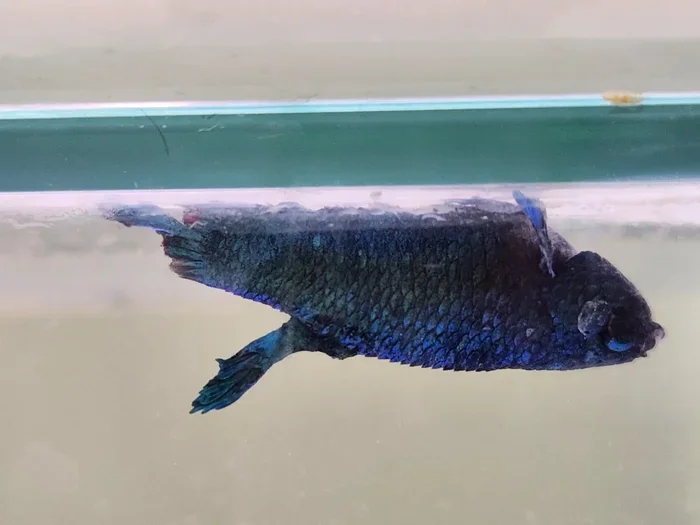
Reviving a half dead betta fish is possible if you act quickly and follow the right steps. This guide covers the signs of a dying betta, common causes, and a clear step-by-step revival plan. You will learn how to adjust water temperature, improve water quality, and give your betta the best chance of recovery.
A betta fish that is barely moving or floating listlessly can be scary to watch. You feel helpless. You wonder if it is too late. But here is the good news. Many half dead betta fish can be saved if you know what to do. This guide walks you through every step of the process. You will learn how to spot the warning signs, fix the root causes, and give your fish a real chance at recovery.
Whether your betta is lying at the bottom of the tank, barely breathing, or showing signs of illness, this article has you covered. We will cover water temperature, water quality, common diseases, and simple home treatments. By the end, you will feel confident and ready to help your fish.
Key Takeaways
- Act Fast: The sooner you notice warning signs and start treatment, the better your betta’s chances of survival.
- Check Water Temperature First: Cold water is the most common cause of betta fish lethargy and decline.
- Improve Water Quality: Dirty or toxic water can cause serious health problems and even death.
- Watch for Disease Symptoms: Ich, fin rot, and stress are leading causes of betta fish decline.
- Know When to Get Help: Some conditions need a vet or experienced fish keeper.
- Prevention Beats Cure: Regular tank maintenance keeps your betta healthy and happy.
📑 Table of Contents
- How to Tell if a Betta Fish Is Half Dead
- Common Causes of a Half Dead Betta Fish
- Step-by-Step Guide to Revive a Half Dead Betta Fish
- Common Diseases That Can Make a Betta Fish Look Half Dead
- Prevention Tips to Keep Your Betta Fish Healthy
- When to Call a Vet or Fish Expert
- Final Thoughts on Reviving a Half Dead Betta Fish
How to Tell if a Betta Fish Is Half Dead
A half dead betta fish shows clear warning signs. These signs can be subtle at first. But they get worse fast if you ignore them. Learning to recognize these symptoms early is the key to saving your fish.
Lethargy and Lack of Movement
A healthy betta fish is active and curious. It swims around the tank, explores, and responds to you. If your betta barely moves or stays in one spot, something is wrong. A fish that lies on the gravel or hides constantly needs help fast.
Loss of Color
Betta fish are known for their bright colors. When a betta is dying, its colors fade. The vibrant reds, blues, and greens turn pale or washed out. This is one of the most visible signs of a serious problem.
Breathing Problems
Watch how your betta breathes. Rapid breathing or gasping at the surface means the water may be low in oxygen. Labored breathing can also signal infection or poor water conditions.
Refusing to Eat
Betta fish are hungry eaters. If your fish ignores food completely for more than a day, it is a red flag. Loss of appetite often comes with other symptoms of illness or stress.
Fins Clamped Close to the Body
A healthy betta spreads its fins wide. A stressed or sick betta holds its fins close to its body. This is a classic sign of discomfort and illness.
Common Causes of a Half Dead Betta Fish
Understanding why your betta is dying helps you fix the problem. Several factors can cause a betta to become half dead. Let us look at the most common ones.
Poor Water Temperature
Betta fish are tropical. They need warm water to survive. Cold water slows their body down. It makes them weak and lethargic. If your tank is below 76 degrees Fahrenheit, your betta is in danger. Learning how to warm a betta fish bowl is one of the most important skills for any betta owner.
Dirty or Toxic Water
Dirty water is the number one killer of pet fish. Ammonia and nitrite build up fast in small tanks. These chemicals burn your betta’s gills and skin. Poor water quality leads to stress, disease, and eventually death. Regular water changes and proper filtration are essential for betta fish care.
Disease and Infections
Betta fish are prone to several common diseases. Ich, fin rot, and fungal infections can all make a fish look half dead. These conditions often start because of stress or bad water. Catching them early makes treatment much easier.
Stress
Stress weakens a betta’s immune system. A stressed fish becomes vulnerable to illness. Common stressors include aggressive tank mates, bright lights, loud noises, and sudden changes in the environment. If your betta is stressed, learning how to treat a stressed betta fish can make a big difference.
Overfeeding or Poor Diet
Overfeeding causes bloating, constipation, and dirty water. A betta that eats too much may stop moving and float oddly. On the other hand, not feeding enough leads to weakness and starvation. Finding the right balance matters for your fish’s betta fish health.
Step-by-Step Guide to Revive a Half Dead Betta Fish
Now that you know the signs and causes, let us get into the action plan. Follow these steps in order for the best results.
Step 1: Check and Fix the Water Temperature
Start with the water temperature. Use a reliable aquarium thermometer to check the tank. The ideal range for betta fish is between 76 and 82 degrees Fahrenheit. If the water is too cold, gradually warm it up. Do not change the temperature too fast. A sudden shift can shock your fish even more.
Step 2: Test the Water Parameters
Next, test your water. You need to check ammonia, nitrite, nitrate, and pH levels. Ammonia and nitrite should be at zero. Nitrate should be below 20 parts per million. pH should stay between 6.5 and 7.5. If any of these levels are off, do a partial water change right away. For more tips on keeping water clean, check out how to take care of a betta fish water.
Step 3: Do a Gentle Water Change
Replace about 25 to 50 percent of the tank water with fresh, dechlorinated water. Use water that is close to the tank temperature. This helps remove toxins and refresh the environment. Be gentle during this process. Do not stir up the gravel too much.
Step 4: Add Aquarium Salt (Optional)
Aquarium salt can help your betta recover from mild stress and infection. Add one teaspoon of aquarium salt per gallon of water. Mix it in a cup of tank water first before adding it to the tank. Not all bettas respond well to salt. If your fish seems worse after adding salt, do a water change to remove it.
Step 5: Offer Easy-to-Digest Food
After your betta stabilizes, try offering a small amount of food. Soak dry pellets before feeding them. This makes them easier to digest. You can also offer a single thawed bloodworm or brine shrimp. Do not overfeed. A small portion is all you need.
Step 6: Create a Quiet, Low-Stress Environment
Move the tank to a calm spot in your home. Keep the lights dim. Avoid tapping on the glass or making loud noises near the tank. A peaceful setting helps your betta focus on healing and recovery.
Common Diseases That Can Make a Betta Fish Look Half Dead
Several diseases can cause your betta to appear nearly dead. Knowing what to look for helps you treat the right condition.
Ich (White Spot Disease)
Ich shows up as tiny white spots on your betta’s body and fins. Your fish may scratch against decorations. It may breathe rapidly. Ich spreads fast in poor water conditions. Treating ich early gives your betta the best chance of survival.
Fin Rot
Fin rot causes the edges of your betta’s fins to look ragged or discolored. The fins may melt away over time. This condition is usually caused by bacteria in dirty water. Improving water quality and adding medication can stop fin rot from getting worse.
Swim Bladder Disorder
A betta with swim bladder disorder may float sideways or struggle to stay upright. This condition is often linked to overfeeding or constipation. Fasting your fish for one to two days can help. After that, offer a small, softened pellet.
Dropsy
Dropsy is a serious condition where the fish’s body swells with fluid. The scales stick out like a pinecone. Dropsy is often fatal. But catching it early and improving water quality can sometimes help. If your betta shows signs of dropsy, act immediately.
Prevention Tips to Keep Your Betta Fish Healthy
Prevention is always better than cure. A healthy betta fish rarely becomes half dead. Follow these simple tips to keep your fish thriving.
- Keep the Water Warm: Maintain a steady temperature between 76 and 82 degrees Fahrenheit. Consider using a small heater designed for betta tanks.
- Do Regular Water Changes: Change 25 percent of the water every week. This removes toxins and keeps the tank fresh.
- Do Not Overfeed: Feed your betta two to three pellets twice a day. Remove any uneaten food after five minutes.
- Clean the Tank Regularly: Wipe down the glass and vacuum the gravel during water changes. A clean tank prevents disease.
- Watch for Stress Signs: Watch how your betta behaves every day. Catching changes early gives you time to respond.
- Quarantine New Fish: If you add new fish to your tank, keep them separate for two weeks first. This stops diseases from spreading.
For a complete guide on setting up a safe and healthy home for your betta, read how to set up a fish tank for betta fish. A proper tank setup from day one prevents many of the problems discussed in this article.
When to Call a Vet or Fish Expert
Sometimes home treatment is not enough. If your betta does not improve after 24 to 48 hours of care, it is time to seek professional help. A vet who treats fish can diagnose conditions you cannot see. They can prescribe medications that are stronger than over-the-counter treatments.
Also, if your betta shows signs of severe infection such as open sores, clouded eyes, or complete loss of movement, do not wait. Get help right away. In some cases, how to euthanize a betta fish humanely may be the kindest choice if recovery is not possible. This is a difficult decision, but sometimes it is the most compassionate one.
Final Thoughts on Reviving a Half Dead Betta Fish
Seeing your betta fish in distress is heartbreaking. But you are not powerless. By checking the water temperature, improving water quality, treating diseases, and reducing stress, you give your fish a real fighting chance. Most half dead betta fish can recover if you act quickly and stay consistent with care.
Remember that betta fish care is an ongoing commitment. Daily observation, regular water changes, and a balanced diet keep your fish healthy for years. The effort you put in now pays off with a happy, colorful, and active pet.
Stay patient. Recovery takes time. Your betta may not bounce back overnight. But with your care and attention, many fish go on to live full and happy lives. Trust the process, follow the steps in this guide, and give your betta the best possible chance to thrive again.
Frequently Asked Questions
Can a half dead betta fish really be saved?
Yes, many half dead betta fish can be saved if you act quickly. The key is to identify the cause early and fix water conditions, temperature, and stress factors right away. Quick action gives your fish the best chance of recovery.
How long does it take for a betta fish to recover?
Recovery time depends on the cause and severity of the condition. Mild cases of lethargy may improve within 24 to 48 hours. More serious infections or diseases can take one to two weeks of consistent treatment. Patience and steady care are essential.
What is the fastest way to help a dying betta fish?
The fastest way is to check and fix the water temperature, do a partial water change, and remove toxins. Adding aquarium salt can also help with mild stress and infection. Acting on all of these steps together gives the fastest results.
Should I use salt to revive my betta fish?
Aquarium salt can help with mild stress and some infections. Use one teaspoon per gallon and dissolve it in tank water first. If your betta seems worse after adding salt, remove it with a water change. Not all bettas tolerate salt well.
What water temperature do betta fish need to recover?
Betta fish need water between 76 and 82 degrees Fahrenheit to recover and stay healthy. Cold water slows their metabolism and makes them weak. Use a reliable heater and thermometer to maintain a stable temperature.
How can I prevent my betta from getting sick again?
Keep the water clean with regular changes, maintain stable temperatures, avoid overfeeding, and reduce stress in the tank. A consistent care routine and a well-setup tank go a long way in preventing illness and keeping your betta healthy.
=== META DATA ===
SEO Title: How to Revive a Half Dead Betta Fish
Meta Title: How to Revive a Half Dead Betta Fish
URL Slug: how-to-revive-a-half-dead-betta-fish
Primary Keyword: how to revive a half dead betta fish
LSI Keywords Used: betta fish care, revive betta fish, betta fish not moving, betta fish lying on bottom, betta fish breathing problems, betta fish tank temperature, betta fish water parameters, betta fish stress signs, betta fish health, betta fish treatment, betta fish revival, betta fish emergency care, betta fish symptoms, betta fish survival, betta fish recovery, betta fish tank setup, betta fish water change, betta fish illness signs, betta fish lethargy, betta fish feeding tips, aquarium salt for bettas, swim bladder disorder, fin rot treatment, ich white spots, dropsy in betta fish, betta fish immune system, dechlorinated water, partial water change, betta fish behavior changes, tropical fish care
Internal Links Used: 4 (how to warm a betta fish bowl, how to treat a stressed betta fish, how to take care of a betta fish water, how to set up a fish tank for betta fish)