How to Read Your Betta Fish
Learning how to read your betta fish is one of the best things you can do as a fish owner. Your betta communicates through body language, color changes, fin positions, and swimming patterns. By paying attention to these signals, you can spot stress, illness, and happiness early and keep your fish thriving.
Have you ever stared at your betta fish and wondered what it was trying to tell you? Your betta may not speak words, but it talks to you constantly. Every fin position, color shift, and swimming pattern is a form of betta fish communication. Once you learn how to read your betta fish, you will see your pet in a whole new light.
How to read your betta fish is a skill every fish owner should develop. It is not complicated. You just need to know what to look for. This guide breaks down everything from body language to behavior patterns so you can understand your betta like never before. Let us dive in.
Key Takeaways
- Betta fish communicate through body language: Fin positions, color changes, and swimming patterns all send signals about how your fish feels.
- Healthy bettas show bright colors and active swimming: A happy betta is alert, curious, and eager to eat.
- Stress and illness have clear warning signs: Lethargy, faded colors, clamped fins, and hiding behavior are red flags you should not ignore.
- Flaring has a purpose: Your betta flares to show dominance or defend territory, and occasional flaring is normal.
- Reading your betta daily builds a stronger bond: The more you observe, the better you understand your fish and the faster you can respond to problems.
- Quick action saves lives: Catching betta fish illness signs early gives you the best chance to treat issues before they become serious.
📑 Table of Contents
Understanding Betta Fish Body Language
Betta fish are expressive creatures. They may not have vocal cords, but they send clear messages through their bodies. Betta fish body language includes fin positions, color changes, and the way they move around the tank. Learning to read these signals is the first step toward becoming a better fish owner.
Fin Positions Tell a Story
Your betta’s fins are like its mood ring. When a betta is relaxed and happy, its fins flow naturally and spread out gracefully. The fins may drift gently with the water current. This is a great sign that your fish feels safe and comfortable in its environment.
But when fins are clamped tightly against the body, something is wrong. Clamped fins usually signal stress, fear, or illness. If you notice your betta holding its fins close to its body for more than a day, it is time to investigate further. Check the water quality and look for other betta fish illness signs.
On the other hand, fins held wide open and flared can mean your betta is feeling bold. Bettas often flare at their own reflection or when they see another fish nearby. This is a natural betta fish aggression sign and is usually not a cause for concern unless it happens constantly.
Color Changes Reveal Mood and Health
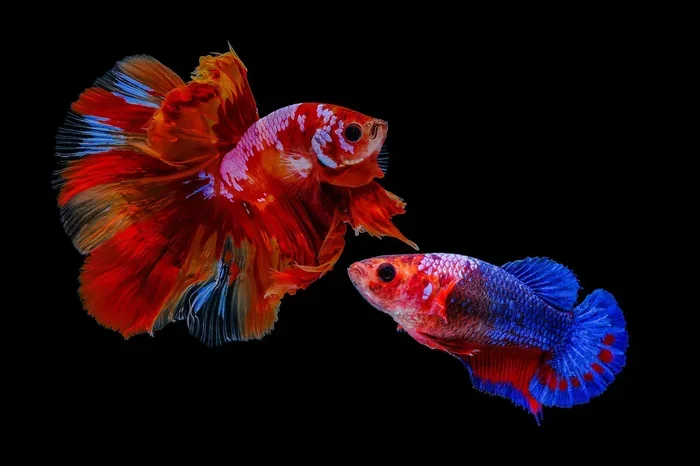
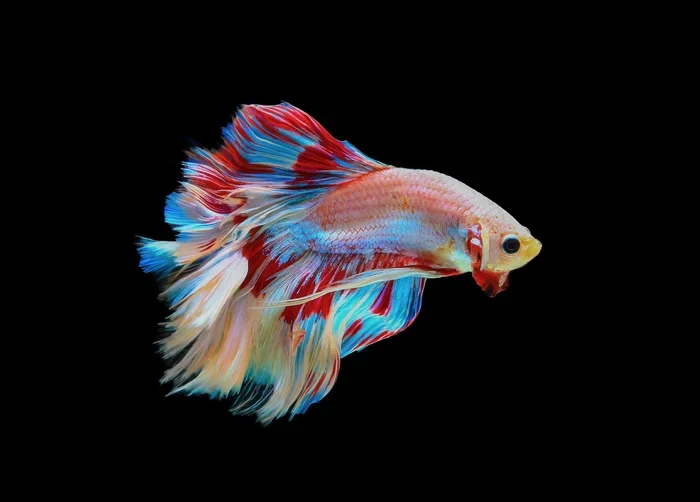
One of the most fascinating parts of reading betta body language is watching color changes. A healthy, happy betta displays vibrant, intense colors. The blues look deeper, the reds look richer, and the overall appearance looks bright and alive.
When a betta becomes stressed or sick, its colors often fade. You might notice pale or washed-out tones. Some bettas even develop vertical stripes on their bodies when stressed. These stripe patterns are sometimes called “stress stripes” and they are a clear warning sign.
If your betta’s colors suddenly dull, check the water parameters first. Poor water quality is one of the most common causes of color fading. You can also learn more about keeping your betta vibrant in our article on how to make your betta fish stronger.
Betta Fish Swimming Patterns and What They Mean
The way your betta moves through the water says a lot about how it feels. Betta fish swimming patterns can tell you whether your fish is healthy, stressed, or in trouble. Paying attention to these patterns is a big part of how to read your betta fish.
Smooth, Graceful Swimming
A healthy betta swims smoothly and with purpose. It glides through the water, explores the tank, and moves between the top and bottom with ease. This kind of movement shows that your fish is comfortable and energetic. It is also a good sign that your betta fish tank behavior is normal.
Some bettas like to hover near the surface, especially when they are hungry or waiting for food. This is completely normal behavior. Bettas are labyrinth fish, which means they breathe air from the surface. So a little surface-hopping is just part of who they are.
Erratic Swimming Is a Red Flag
If your betta starts swimming erratically, you need to pay attention. Swimming in circles, rubbing against objects, or darting around the tank can signal a problem. These behaviors often point to parasites, poor water conditions, or irritation from tank décor.
Another concerning pattern is when a betta hangs vertically in the water. A betta fish vertical hang is not normal and often indicates swim bladder issues or other health problems. If you see this, test your water immediately and consider whether your fish needs treatment.
Lethargy and Lack of Movement
A betta that barely moves is a betta that needs help. Betta fish lethargy is one of the most common signs of illness or poor living conditions. If your fish stays at the bottom of the tank and refuses to move, something is wrong.
Before jumping to conclusions, make sure the water temperature is correct. Bettas need warm water between 78 and 80 degrees Fahrenheit. Cold water can make them sluggish and weak. You can learn more about keeping your betta warm in our guide on how to keep your betta fish warm.
Reading Your Betta’s Appetite and Eating Habits
Your betta’s betta fish appetite is one of the easiest ways to gauge its health. A well-fed betta is usually a happy betta. But changes in eating habits can be early warning signs of trouble.
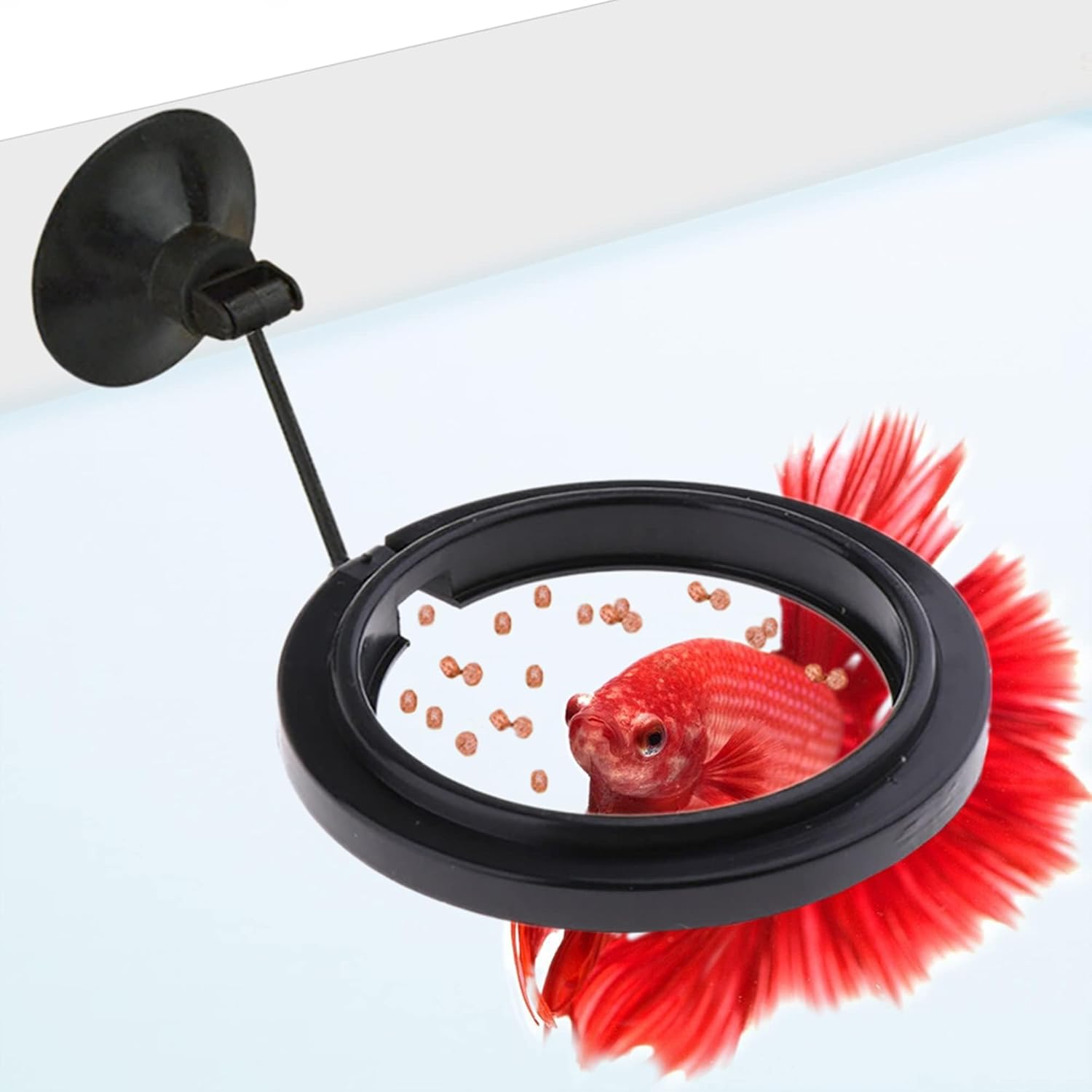
A healthy betta will eat eagerly when food is offered. It may swim up to the surface quickly and accept pellets or live food with enthusiasm. Most bettas do well with two small feedings per day. Overfeeding can lead to betta fish bloating, so keep portions small and consistent.
If your betta suddenly stops eating, do not panic right away. Sometimes a change in food brand or type can cause a temporary loss of appetite. But if your fish refuses food for more than two days, you should take action. Loss of appetite is one of the top betta fish illness signs and can point to infections, parasites, or stress.
For tips on feeding during travel or busy days, check out our article on how to feed your betta fish while on vacation. Keeping a consistent feeding schedule helps your betta feel secure and stay healthy.
Common Betta Fish Behavior Signals and What They Mean
Beyond fins, colors, and swimming, your betta sends signals in many other ways. Understanding these signals helps you respond faster and keep your fish in great shape. Here are some of the most common betta fish behavior signals you will encounter.
Flaring
Flaring is when your betta spreads its gills and fins wide to look bigger. Males flare most often, especially when they see another male betta or their own reflection. Occasional flaring is normal and even entertaining to watch. It is part of how bettas communicate dominance and defend their territory.
However, constant flaring is stressful for your fish. If your betta flares nonstop, it may be seeing its reflection in the glass or sharing a tank with an incompatible tank mate. Reduce reflections by dimming the room lights or adjusting the tank placement. Chronic flaring weakens your fish over time.
Hiding Behavior
Some bettas love to hide behind plants, caves, or decorations. A little hiding is perfectly normal, especially for shy fish. But if your betta suddenly starts hiding more than usual, it could be a sign of stress or illness. Betta fish hiding behavior that is new or increasing should be investigated.
Check the water parameters, look for physical symptoms like clamped fins or faded colors, and consider whether anything in the environment has changed. Sometimes a new filter or a loud appliance near the tank can cause hiding behavior. Creating a calm, stable environment goes a long way in keeping your betta comfortable.
Building Bubble Nests
Male bettas build bubble nests at the surface of the water. This is a natural behavior that signals your fish feels safe and ready to breed. Even if you do not plan to breed your betta, finding a bubble nest is a positive sign. It means your fish is healthy and content.
If your betta stops building bubble nests, it does not always mean something is wrong. Some males build nests more actively than others. But if your fish suddenly stops and shows other signs of lethargy or faded colors, it is worth taking a closer look at its overall health.
How to Keep Your Betta Fish Happy and Healthy
Once you understand how to read your betta fish, the next step is to act on what you learn. A happy betta is a healthy betta, and there are simple steps you can take every day to support your fish’s well-being.
Maintain Clean Water
Clean water is the foundation of betta health. Dirty water leads to stress, disease, and a shortened lifespan. Perform regular water changes, test your parameters often, and use a water conditioner to remove chlorine and chloramines. If you need guidance, our article on how to change your betta fish water covers everything you need to know.
Provide a Comfortable Environment
Your betta needs more than just clean water. It needs a comfortable, enriching environment. Add plants, smooth decorations, and enough open space to swim. Avoid sharp décor that can tear fins. A well-set-up tank makes your betta feel secure and encourages natural betta fish tank behavior.
If you are not sure how to set up the perfect tank, our guide on how to set up a fish tank for betta fish provides step-by-step instructions to create the ideal home.
Watch for Signs of Stress
Stress weakens your betta’s immune system and makes it vulnerable to disease. Watch for signs like rapid breathing, clamped fins, faded colors, and loss of appetite. If you spot these signs early, you can take action before the problem escalates. For detailed guidance on managing stress, check out our article on how to treat a stressed betta fish.
Build a Bond With Your Fish
Spending time observing your betta is not just about health monitoring. It is also about building a bond. Bettas are intelligent fish that can recognize their owners over time. The more you watch and interact, the more your betta will respond to you. You can even learn how to play games with your betta fish or teach simple tricks to stimulate its mind.
For tips on deepening your connection, visit our article on how to grow a bond with your betta fish. A strong bond makes it easier to notice when something is off and helps you respond quickly.
When to Seek Help for Your Betta Fish
Even the most attentive owner sometimes faces health challenges with their betta. Knowing when to seek help is an important part of how to read your betta fish. If you notice persistent signs of illness such as white spots, torn fins, swollen body, or loss of color, do not wait. Early intervention makes a big difference.
Common treatments include salt baths, medication for specific diseases like ich or fin rot, and water parameter adjustments. For guidance on salt bathing, see our article on how to salt bath betta fish. For fin loss treatment, check out our guide on how to treat betta fish fin loss.
Remember, you know your fish best. If something feels off, trust your instincts and investigate. Your quick response could save your betta’s life.
Conclusion
How to read your betta fish comes down to paying attention. Watch the fins, the colors, the swimming patterns, and the eating habits. Each signal tells you something about how your fish is feeling. The more you observe, the better you understand your betta, and the better care you can provide.
Reading your betta is not just a skill. It is a way of building trust and creating a deeper connection with your pet. Your betta may not speak, but it communicates every single day. All you have to do is listen with your eyes. Start today, and you will be amazed at how much your fish has been trying to tell you all along.
Frequently Asked Questions
How do I know if my betta fish is happy?
A happy betta shows bright colors, active swimming, a healthy appetite, and relaxed fins. It explores the tank and may even build bubble nests. For more details, check out our guide on how to know if your betta fish is happy.
Why is my betta fish hiding all the time?
Hiding can signal stress, illness, or discomfort. Check your water parameters, look for physical symptoms like faded colors or clamped fins, and consider whether anything in the environment has changed. If the behavior persists, our article on how to make your betta fish healthy again can help you identify and address the cause.
What does it mean when a betta fish flares at you?
Flaring is a natural behavior where your betta spreads its fins and gills to appear larger. It usually happens when the fish sees its reflection or feels threatened. Occasional flaring is normal, but constant flaring can stress your fish out and weaken its health over time.
How can I tell if my betta fish is sick?
Common signs of illness include loss of appetite, faded colors, clamped fins, lethargy, and unusual swimming patterns. White spots, torn fins, and swollen body are also warning signs. Early detection and treatment are crucial for a full recovery.
Can betta fish recognize their owners?
Yes, bettas are intelligent fish that can learn to recognize their owners over time. They may swim to the front of the tank when you approach or respond to feeding routines. Building a consistent bond through regular observation and interaction helps strengthen this recognition.
What should I do if my betta stops eating?
First, check the water temperature and quality, as poor conditions often cause appetite loss. If the water is fine, try offering a different type of food. If your betta still refuses to eat after two days, look for other illness signs and consider treatment options. Our article on what to do when your betta fish won’t eat provides detailed steps to follow.