How to Raise Betta Fish Eggs
Raising betta fish eggs requires patience, the right setup, and careful attention to water conditions. You will learn how to hatch betta eggs successfully, maintain the perfect temperature, and feed your newborn fry. This guide covers everything from betta spawning to the first weeks of betta fry care. Follow these simple steps to give your betta fish eggs the best chance of survival.
Raising betta fish eggs is one of the most rewarding experiences for any fish keeper. Whether you are a beginner or a seasoned hobbyist, understanding the full process makes all the difference. How to raise betta fish eggs properly starts with knowing what the eggs need to survive and thrive. In this guide, we walk you through every step of the journey.
The process may seem intimidating at first. But with the right knowledge, you can successfully hatch betta eggs and raise healthy fry. You will learn about water temperature, feeding schedules, tank setup, and common mistakes to avoid. Let us dive in and explore the fascinating world of betta breeding together.
Key Takeaways
- Proper water temperature is critical: Keep the water between 78-80°F for successful hatching of betta fish eggs.
- Remove the male betta after spawning: The male may eat the eggs or fry if left in the same tank.
- Feed fry tiny, frequent meals: Infusoria and baby brine shrimp are the best first foods for newborn betta fry.
- Maintain clean water at all times: Poor water quality is the number one cause of betta fry death.
- Be patient: Betta fish eggs typically hatch within 24 to 72 hours, and fry become free-swimming in about 3 days.
- Set up a separate breeding tank: This prevents stress and protects both the eggs and the adult fish.
📑 Table of Contents
- Understanding Betta Fish Eggs
- Setting Up the Breeding Tank
- The Spawning Process
- Caring for Betta Fish Eggs After Spawning
- Raising Betta Fry: The First Few Weeks
- Common Mistakes When Raising Betta Fish Eggs
- Expert Tips for Higher Survival Rates
- When to Expect Your Betta Fry to Grow Up
- Final Thoughts on Raising Betta Fish Eggs
Understanding Betta Fish Eggs
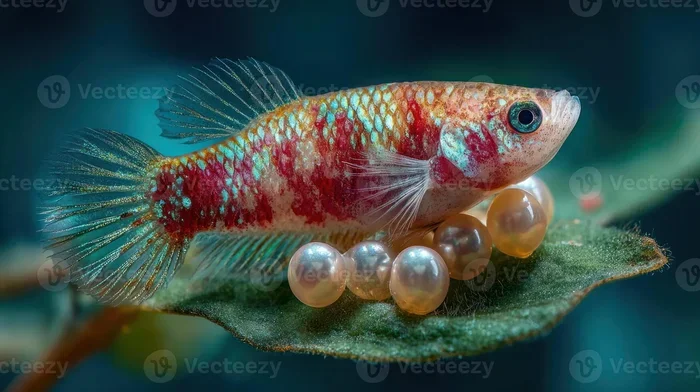
Before you start, it helps to understand what betta fish eggs look like and how they behave. This knowledge gives you a solid foundation for success. Betta eggs are tiny, white, and translucent. They look like small grains of sand or tiny pearls. A healthy female betta can lay anywhere from 30 to 500 eggs in one spawning session.
What Do Betta Fish Eggs Look Like?
Healthy betta fish eggs are small, round, and white. They have a slightly translucent appearance. You might notice a small dark spot inside each egg. That dark spot is the developing fry. If the eggs turn brown or fuzzy, that is a sign of fungus. Fungal eggs usually do not hatch and should be removed carefully.
Not all eggs will be fertile. Some will be infertile and will not develop. This is completely normal. The male betta typically collects any infertile eggs and spits them out. You do not need to worry about every single egg. Focus on the healthy ones and give them the best environment possible.
How Long Does It Take for Betta Fish Eggs to Hatch?
Betta fish eggs usually hatch within 24 to 72 hours. The exact time depends on the water temperature. Warmer water speeds up the process, while cooler water slows it down. If you want to learn more about the exact timeline, check out our detailed guide on how long does it take betta fish eggs to hatch.
Once the eggs hatch, the fry will absorb their yolk sac for nutrition. This lasts for about two to three days. During this time, the fry will not need external food yet. After the yolk sac is fully absorbed, the fry becomes free-swimming and ready for their first meal.
Setting Up the Breeding Tank
The first step in raising betta fish eggs is creating the right environment. A proper breeding tank gives the eggs the best chance of survival. You do not need a large tank. A small 5 to 10-gallon tank works perfectly for betta breeding.
Tank Size and Setup
Choose a tank that is at least 5 gallons. Fill it with about 5 to 6 inches of water. This keeps the water shallow, which helps the male betta build a proper bubble nest. The bubble nest is where the male keeps the eggs safe after spawning.
Do not add gravel or substrate to the breeding tank. A bare bottom tank is much easier to clean. You also want to keep the water surface calm. Strong water movement can destroy the bubble nest. Use a gentle sponge filter or no filter at all if the tank is small enough.
Water Temperature and Conditions
Water temperature plays a huge role in betta breeding. Keep the water between 78°F and 80°F. This is the ideal range for hatching betta eggs. You can use a small aquarium heater to maintain a steady temperature. For more tips on warming the water, see our guide on how to warm a betta fish bowl.
The water pH should be between 6.5 and 7.0. Keep the water soft to moderately hard. Test the water regularly with a simple aquarium test kit. Clean, stable water is the foundation of healthy betta fish eggs and strong fry.
The Spawning Process
Betta breeding begins with the spawning process. The male and female betta go through a courtship ritual. The male builds a bubble nest at the surface of the water. He then wraps his body around the female to stimulate egg release. The female drops the eggs, and the male collects them in his mouth to place in the bubble nest.
How to Know When Your Betta Is Ready to Spawn
A female betta ready to spawn will develop a white egg spot on her underside. She will also become more rounded in the belly area. The male will build a large, vigorous bubble nest at the water surface. These are clear signs that both fish are ready for breeding.
Introduce the male and female to the breeding tank carefully. Watch them closely during the first few hours. If they show aggression, separate them immediately. Most spawning sessions last between a few hours and one full day. After spawning, remove the female from the tank. The male will protect the eggs on his own.
For more information on whether your betta fish eggs need to be fertilized, read our article on do betta fish eggs need to be fertilized.
Caring for Betta Fish Eggs After Spawning
Once the eggs are in the bubble nest, your job is to protect them and maintain ideal conditions. This is the most delicate phase of raising betta fish eggs. A small mistake during this stage can reduce your hatch rate significantly.
Should You Remove the Male Betta?
Many beginners wonder whether to keep the male with the eggs. The answer is yes, for now. The male betta guards the bubble nest and keeps the eggs oxygenated. He will pick up any eggs that fall and place them back in the nest. However, you should remove the male once the eggs hatch. The male may eat the fry if left in the same tank.
Water Maintenance During the Hatching Period
Keep the water clean but avoid doing large water changes. A small 10 to 15 percent water change every two days is enough. Use water that is the same temperature as the tank. Sudden temperature drops can shock the eggs and prevent hatching. For guidance on preparing safe water, visit our article on how to prepare water for a betta fish.
Do not turn on strong lights or make loud noises near the tank. The eggs are sensitive to vibrations and stress. Keep the breeding tank in a quiet area of your home. A calm environment leads to better hatch rates and healthier fry.
Raising Betta Fry: The First Few Weeks
Once the betta fish eggs hatch, you enter the fry-raising phase. This is where patience really matters. Betta fry are extremely tiny and delicate. They need special care and the right food to survive their first weeks of life.
What to Feed Newborn Betta Fry
Newborn fry cannot eat regular fish food. Their mouths are too small. The best first food is infusoria, which is a culture of tiny microorganisms. You can buy infusoria online or grow your own at home. Some breeders also use hard-boiled egg yolk water as a natural alternative.
After the first week, you can introduce baby brine shrimp. This is one of the best foods for growing betta fry. Feed the fry small amounts 3 to 4 times a day. Remove any uneaten food immediately. Leftover food will dirty the water quickly and harm the fry.
Water Changes for Fry Tanks
Fry tanks need frequent, small water changes. Replace about 10 percent of the water every day. This keeps ammonia levels low and prevents diseases. Use a turkey baster or pipette to remove debris from the bottom of the tank gently.
As the fry grow, you can gradually increase the water change to 20 percent every other day. Clean water is the single most important factor in betta fry survival. Poor water quality causes more fry deaths than any other reason.
When to Move Fry to a Larger Tank
Once the fry reach about one inch in length, they are ready for a larger tank. Move them carefully to a 10-gallon tank or larger. At this stage, they can eat slightly larger food like crushed flakes and micro worms. Continue feeding them 3 to 4 times a day for the best growth.
Common Mistakes When Raising Betta Fish Eggs
Even experienced hobbyists make mistakes when raising betta fish eggs. Knowing the common pitfalls helps you avoid them. Here are the most frequent errors beginners make.
- Skipping the breeding tank setup: Raising eggs in a community tank almost always leads to egg and fry loss.
- Overfeeding the fry: Too much food fouls the water fast. Feed small amounts more frequently instead.
- Ignoring water temperature: Fluctuating temperatures cause eggs to stop developing or hatch weak fry.
- Removing the male too early: The male protects the eggs in the bubble nest. Remove him only after hatching.
- Using untreated tap water: Tap water contains chlorine and chloramine that can kill eggs and fry. Always treat water before adding it to the tank.
For more tips on keeping your betta fish healthy at every stage, check out our guide on how to properly take care of betta fish.
Expert Tips for Higher Survival Rates
Want to maximize the number of fry that survive? These expert tips make a big difference. First, always start with healthy parent fish. A well-fed, disease-free male and female produce stronger eggs and fry. Second, keep the breeding tank dimly lit. Bright lights stress both the adult fish and the delicate eggs.
Third, maintain a consistent feeding schedule. Fry thrive on routine. Feed them at the same times each day. Fourth, observe the fry daily for any signs of disease or deformity. Early detection allows you to isolate and treat affected fish quickly. Finally, be patient. Not every batch of eggs will hatch perfectly. Each breeding attempt teaches you something new.
For more on helping your betta fish grow stronger, read our article on how to make my betta fish tank warmer and maintain the ideal environment.
When to Expect Your Betta Fry to Grow Up
Betta fry grow surprisingly fast. In the first month, they will double in size. By two months, they will start developing their signature fins and colors. At three months old, you can usually tell the sex of the fish. Males will show longer fins and more vibrant colors, while females have shorter fins and a white egg spot.
By the time the fry reach four to five months old, they are essentially miniature adults. At this point, you can move males into their own individual tanks. Males are territorial and will fight if kept together. Each male needs his own space to thrive.
Raising betta fish from eggs to adults is a journey that takes about four to six months. It requires daily attention and consistent care. But watching your fry grow into beautiful, healthy bettas makes every effort worthwhile.
Final Thoughts on Raising Betta Fish Eggs
Learning how to raise betta fish eggs is a skill that grows with practice. Start with a clean breeding tank, maintain the right water temperature, and feed your fry properly. Each successful hatch builds your confidence and knowledge. Do not get discouraged if your first attempt is not perfect. Every breeder learns through experience.
The most important thing is to provide a stable, clean environment. Keep the water warm, keep it clean, and feed your fry small, frequent meals. With patience and dedication, you will watch tiny betta fish eggs grow into stunning adult fish. Enjoy the process, and happy breeding!
Frequently Asked Questions
How long does it take betta fish eggs to hatch?
Betta fish eggs typically hatch within 24 to 72 hours. The exact time depends on the water temperature. Warmer water around 78 to 80°F speeds up the hatching process significantly.
What do betta fish eggs need to survive?
Betta fish eggs need warm, clean water with a stable temperature between 78 and 80°F. They also need a male betta to guard the bubble nest and gentle water conditions without strong currents.
Should I remove the male betta after the eggs are laid?
No, keep the male with the eggs until they hatch. He protects the eggs and keeps them in the bubble nest. Remove the male only after the eggs have hatched and the fry are free-swimming.
What is the best food for newborn betta fry?
The best first food for newborn betta fry is infusoria or baby brine shrimp. These tiny foods are small enough for the fry to eat. Feed them small amounts 3 to 4 times a day for the best results.
Why are my betta fish eggs not hatching?
Unhatched eggs may be infertile or affected by poor water conditions. Low temperatures, dirty water, or fungal infections can prevent eggs from hatching. Check your water temperature and quality first.
How many betta fish eggs does a female lay at once?
A female betta fish can lay between 30 and 500 eggs in a single spawning session. The number depends on the age, health, and size of the female. Not all eggs will be fertile, and that is completely normal.
=== CONCLUSION ===
Raising betta fish eggs is a fascinating and rewarding part of fish keeping. From setting up the perfect breeding tank to feeding your tiny fry, every step matters. Keep the water warm and clean, feed your fry properly, and give them time to grow. With patience and care, you will successfully raise healthy betta fish from eggs to adults. Start applying these tips today and enjoy the journey of betta breeding!