How to Prepare Water for You Betta Fish
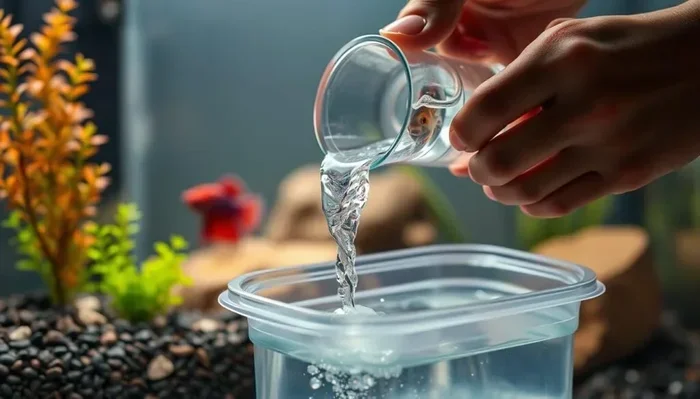
Preparing the right water for your betta fish is the single most important thing you can do for its health. This guide covers everything from choosing the best water source to treating it properly and maintaining ideal conditions. You will learn simple, proven methods to keep your betta fish thriving in clean, safe water.
Setting up a healthy home for your betta fish starts with one crucial step: preparing the water correctly. Many new fish owners overlook this step and wonder why their betta fish seems sluggish, loses color, or gets sick often. The truth is, how to prepare water for your betta fish can make or break your success as a fish keeper. Clean, properly treated water creates a safe environment where your betta can thrive, show off its vibrant colors, and live a long, happy life.
Betta fish are tropical freshwater fish that originate from warm, slow-moving waters in Southeast Asia. They are sensitive to changes in water quality, temperature, and chemical composition. Even small mistakes with water preparation can cause stress, disease, or worse. That is why understanding the basics of betta fish water preparation is essential for every owner, whether you are a complete beginner or have had fish for years.
In this guide, we will walk you through every step of preparing water for your betta fish tank. From choosing the right water source to treating it, testing it, and maintaining it over time, you will find everything you need in one place. We will also cover common mistakes to avoid and quick tips that save you time and keep your fish healthy. Let us dive right in.
Key Takeaways
- Always treat tap water before adding it to your betta tank: chlorine and chloramine can harm your fish quickly.
- Test your water parameters regularly: pH, ammonia, nitrite, and nitrate levels directly affect betta health.
- Match the water temperature to 78-80°F: betta fish need warm, stable water to stay active and healthy.
- Perform partial water changes weekly: this removes waste buildup without disturbing beneficial bacteria.
- Use a water conditioner or dechlorinator: it neutralizes harmful chemicals found in most municipal water supplies.
- Avoid distilled or reverse osmosis water without remineralizing: these lack essential minerals betta fish need.
📑 Table of Contents
- Why Water Preparation Matters for Betta Fish
- Choosing the Right Water Source
- How to Treat Water for Your Betta Fish Tank
- Maintaining Proper Water Temperature
- Water Changes and Ongoing Maintenance
- Common Mistakes to Avoid When Preparing Water
- Quick Tips for Perfect Betta Fish Water
- Expert Insights on Betta Fish Water Preparation
- Final Thoughts on Preparing Water for Your Betta Fish
Why Water Preparation Matters for Betta Fish
Water is not just a habitat for your betta fish. It is essentially their entire world. Everything your betta interacts with, from the food it eats to the air it breatakens through its labyrinth organ, happens in water. If that water is contaminated or improperly treated, your fish will suffer. Understanding why water preparation matters helps you take this task seriously without feeling overwhelmed.
Tap water contains chlorine and chloramine, which are added by municipal water treatment plants to kill bacteria and make water safe for humans. These chemicals are harmful to betta fish. They damage the gills, strip away the protective slime coat, and cause severe respiratory stress. Even small amounts can weaken your betta over time, making it more vulnerable to infections and diseases.
Beyond chemicals, untreated water may also contain heavy metals, pesticides, and other contaminants depending on your local water supply. Water quality for betta fish is not just about removing chlorine. It is about creating a balanced, stable environment that mimics the natural conditions bettas thrive in. This is the foundation of proper betta fish care.
The Role of Water Chemistry
Water chemistry plays a huge role in your betta fish health. The pH level, hardness, and mineral content of your water all affect how well your fish can function. Betta fish prefer slightly acidic to neutral water with a pH between 6.5 and 7.5. Water that is too alkaline or too acidic can cause stress, skin irritation, and long-term health problems.
Hardness refers to the amount of dissolved minerals in the water. Betta fish do best in soft to moderately hard water. Very hard water can lead to mineral buildup in the tank, while very soft water may lack essential minerals your fish needs. Testing your water regularly helps you understand what adjustments are needed for optimal water parameters for betta fish.
Choosing the Right Water Source
Not all water sources are created equal when it comes to keeping betta fish. The water you choose will directly impact how much treatment it needs before it is safe for your fish. Let us look at the most common options and what you need to know about each one.
Tap Water
Tap water is the most convenient and widely used water source for betta fish tanks. It is readily available and affordable. However, tap water requires treatment before it is safe for your fish. Can you use tap water for your betta fish? Yes, but only after you remove the chlorine and chloramine. Using a water conditioner for betta fish is the easiest and most reliable way to make tap water safe. Products like Seachem Prime or API Tap Water Conditioner neutralize harmful chemicals within minutes.
If you are unsure whether your tap water is safe, contact your local water utility. They can provide a water quality report that details the levels of chlorine, chloramine, and other additives in your water supply. This information helps you determine how much conditioner to use.
Spring Water and Bottled Water
Spring water and bottled water can be good alternatives to tap water. They are naturally filtered and often free of chlorine. However, not all bottled water is the same. Some brands add minerals or electrolytes that may alter your water chemistry in unexpected ways. Always check the label and test the water before adding it to your tank.
If you want to use bottled water, look for brands that are pure spring water with no added minerals. Avoid flavored or vitamin-enhanced waters, as these contain ingredients that are harmful to fish. Can you use bottled spring water for betta fish? Yes, in most cases, as long as it is unflavored and untreated with additives.
Distilled and Reverse Osmosis Water
Distilled water and reverse osmosis (RO) water are extremely pure. They have been stripped of virtually all minerals, chemicals, and contaminants. While this sounds ideal, it actually presents a problem for betta fish. These fish need certain minerals and trace elements in their water to maintain proper osmoregulation and overall health.
If you use distilled or RO water, you must remineralize it before adding it to your tank. Products like Seachem Equilibrium or API Stress Coat Mineral Salt can restore the essential minerals. Can you use reverse osmosis water for betta fish? Yes, but only after remineralizing it properly to match safe water parameters.
How to Treat Water for Your Betta Fish Tank
Treating water is the most important step in the preparation process. No matter which water source you choose, treatment ensures that harmful substances are neutralized before they reach your fish. Here is a detailed look at how to treat water properly.
Using a Water Conditioner
A water conditioner is the easiest and most effective way to make water safe for betta fish. These products work by neutralizing chlorine, chloramine, heavy metals, and other contaminants. Most conditioners also add a protective slime coat to your fish, which helps reduce stress and boost immunity.
To use a water conditioner, simply add the recommended dose to your water before adding it to the tank. Follow the instructions on the product label carefully. The dosage usually depends on the volume of water you are treating. Here is a quick step-by-step process:
- Fill a clean bucket or container with the water you will use.
- Add the water conditioner according to the product instructions.
- Let the water sit for 5 to 10 minutes to allow the conditioner to work fully.
- Check the water temperature before adding it to the tank.
- Gently pour the treated water into your betta fish tank.
Using a water conditioner for betta fish every time you add new water or perform a water change is essential. Even if your water smells fine or looks clear, it may still contain invisible chemicals that can harm your fish over time.
Dechlorinating Water Naturally
Some fish keepers prefer to dechlorinate water naturally by letting it sit out for 24 to 48 hours. This method works for chlorine but does not remove chloramine, which is now used by many water treatment facilities. Chloramine is more stable and does not evaporate like chlorine does.
If you choose the natural method, leave the water in an open container at room temperature for at least 24 hours. Stirring the water occasionally helps accelerate the chlorine release. However, for complete safety, we strongly recommend using a commercial water conditioner, especially if your water supply uses chloramine.
Boiling Water to Remove Chlorine
Boiling water is another method some people use to remove chlorine. Boiling the water for 15 to 20 minutes can drive off chlorine effectively. However, this method does not remove chloramine or heavy metals. It also cools the water down, so you will need to reheat it to the proper temperature before adding it to your tank.
Can you boil regular tap water for betta fish? You can, but it is not the most reliable method. A water conditioner is faster, more effective, and easier to use. If you do boil water, make sure to test it for chlorine levels afterward to confirm it is safe.
Maintaining Proper Water Temperature
Temperature is a critical factor in betta fish health. Betta fish are tropical fish that need warm water to stay healthy and active. Cold water slows down their metabolism, weakens their immune system, and can make them lethargic and prone to illness.
The ideal water temperature for betta fish is between 78 and 80 degrees Fahrenheit. Water that drops below 74 degrees can cause stress and increase the risk of diseases like ich and fin rot. On the other hand, water above 82 degrees can reduce oxygen levels and cause overheating stress.
Keeping water warm for betta fish requires a reliable aquarium heater with a thermostat. Choose a heater rated for your tank size and place it near the filter outflow to distribute heat evenly. A thermometer placed in the tank helps you monitor the temperature daily. If you notice fluctuations, check your heater and adjust as needed.
When adding new water during a water change, make sure the replacement water is close to the tank temperature. Sudden temperature changes shock your betta fish and can lead to serious health problems. Use a thermometer to check both the new water and the tank water before mixing them together.
Water Changes and Ongoing Maintenance
Preparing water is not a one-time task. It is an ongoing process that comes with regular tank maintenance. Performing consistent water changes is the best way to keep your betta fish healthy and your tank environment stable.
How Often Should You Change the Water?
For a betta fish tank, a partial water change of 25 to 30 percent every week is ideal. This removes accumulated waste, excess food, and harmful chemicals without disrupting the beneficial bacteria that keep your tank cycled. How often to change water for betta fish depends on tank size and filtration, but weekly changes are a solid routine for most setups.
In smaller tanks or bowls without filters, you may need to change water more frequently, sometimes every 3 to 4 days. Smaller volumes of water accumulate toxins faster, so more frequent changes help maintain safe conditions. Always use treated, temperature-matched water when performing changes.
Steps for a Proper Water Change
- Turn off all aquarium equipment including heaters and filters.
- Siphon out 25 to 30 percent of the tank water using a gravel vacuum.
- Remove any visible debris or waste from the substrate.
- Prepare fresh water by treating it with a water conditioner.
- Match the new water temperature to the tank water.
- Slowly pour the new water into the tank to avoid disturbing your fish.
- Turn equipment back on and observe your betta for any signs of stress.
Following these steps consistently ensures that your betta fish always has clean, safe water. Over time, you will notice your fish becoming more active, displaying brighter colors, and showing better appetite. All of this comes down to proper water preparation for betta fish and regular maintenance.
Common Mistakes to Avoid When Preparing Water
Even experienced fish keepers make mistakes with water preparation. Being aware of common errors helps you avoid them and keeps your betta fish safe. Here are the most frequent mistakes we see.
- Using untreated tap water directly: This is the number one mistake new fish owners make. Chlorine and chloramine can cause gill damage within hours.
- Using distilled water without remineralizing: Pure distilled water lacks essential minerals and can cause osmotic stress in betta fish.
- Adding water that is too cold or too warm: Temperature shock is a leading cause of betta fish stress and illness.
- Overusing water conditioner: More is not always better. Follow dosage instructions carefully to avoid overdosing.
- Ignoring water testing: You cannot always tell if water is safe by looking at it. Testing kits reveal hidden problems.
- Doing full water changes: Replacing 100 percent of the water removes beneficial bacteria and shocks your fish.
Avoiding these mistakes saves you time, money, and most importantly, protects your betta fish from unnecessary harm. If you are ever unsure about your water quality, testing kits are an affordable and invaluable tool for any fish keeper.
Quick Tips for Perfect Betta Fish Water
Here are some quick, practical tips that make water preparation easier and more effective:
- Always keep a spare container of pre-treated water ready for emergency water changes.
- Use a turkey baster to remove debris from the substrate during partial water changes.
- Store water conditioner in a cool, dry place and check the expiration date regularly.
- Keep a dedicated aquarium thermometer to monitor temperature without guesswork.
- Test your water parameters at least once a month to catch problems early.
- Let new water sit for 15 minutes after treating it to ensure even distribution of the conditioner.
- Use a water pad or towel under your bucket to catch any spills and protect your floor.
These small habits add up over time and create a much healthier environment for your betta fish. Consistency is the key to success in aquarium keeping.
Expert Insights on Betta Fish Water Preparation
Experienced aquarists agree that water preparation is the foundation of successful betta fish keeping. The most common advice from seasoned fish keepers is to never skip water conditioning, even if you think your water looks fine. Chemicals like chlorine are invisible to the naked eye but very real and very harmful.
Another expert tip is to invest in a liquid test kit rather than test strips. Liquid kits like the API Freshwater Master Test Kit provide more accurate readings for pH, ammonia, nitrite, and nitrate. These readings give you a complete picture of your water quality and help you make informed decisions about adjustments.
Many experienced keepers also recommend matching the water source to your specific tap water quality. If your local water has high chloramine levels, a stronger conditioner or a combination of conditioner and carbon filtration may be necessary. Understanding your local water quality helps you tailor your preparation process for the best results.
Final Thoughts on Preparing Water for Your Betta Fish
Learning how to prepare water for your betta fish is one of the most valuable skills you can develop as a fish keeper. It is not complicated, and it does not require expensive equipment. With a good water conditioner, a thermometer, and a basic test kit, you can create a safe and comfortable environment for your betta fish every single time.
The effort you put into water preparation pays off directly in your fish health, color, energy, and lifespan. A well-maintained tank with clean, properly treated water gives your betta the best possible life. Remember to treat every water change as an opportunity to care for your fish, not just a chore to check off your list.
Start applying these tips today and watch the difference in your betta fish. Whether you are setting up a new tank or improving your current routine, proper water preparation is the gift that keeps on giving. Your betta will thank you with vibrant colors, active swimming, and a long, healthy life by your side.
Frequently Asked Questions
What is the best water to use for betta fish?
The best water for betta fish is treated tap water or spring water that has been conditioned to remove chlorine and chloramine. Always test your water parameters before adding it to the tank.
How long should I let water sit before adding it to my betta tank?
If you are using a water conditioner, you only need to let the water sit for 5 to 10 minutes. If you are letting water sit naturally to remove chlorine, 24 hours is recommended. However, this method does not remove chloramine.
Can I use bottled drinking water for my betta fish?
Yes, you can use bottled drinking water if it is pure and free of additives. However, always check the label for minerals and electrolytes that may alter your tank chemistry. Some brands are better suited for fish than others.
Do I need a water conditioner every time I add water?
Yes, you should use a water conditioner every time you add new water to your betta tank. This includes during water changes, topping off evaporated water, and adding water for any other reason.
What happens if I put untreated tap water in my betta fish tank?
Untreated tap water contains chlorine and chloramine that can damage your betta fish gills, strip its protective slime coat, and cause severe stress or death. Always treat tap water before adding it to your tank.
How can I test my betta fish water at home?
You can use a liquid test kit like the API Freshwater Master Test Kit to test pH, ammonia, nitrite, and nitrate levels. Test strips are also available but tend to be less accurate. Testing your water monthly is a good baseline routine.