How to Mate Two Betta Fish
Learning how to mate two betta fish requires patience, preparation, and the right tank setup. You need to identify healthy male and female bettas, create ideal water conditions, and carefully introduce them to avoid aggression. This guide walks you through every stage from courtship to fry care so you can breed bettas confidently and safely.
Key Takeaways
- Know the signs: Both fish must be healthy and mature before you attempt mating.
- Prepare the tank: A separate breeding tank with warm, clean water is essential for success.
- Watch courtship behavior: Bubble nest building and flaring are key signs that mating is about to happen.
- Separate after mating: Remove the female once eggs are released to keep her safe.
- Care for the fry: Proper feeding and water maintenance help baby bettas grow strong and healthy.
📑 Table of Contents
- How to Mate Two Betta Fish: A Complete Step-by-Step Guide
- Understanding Betta Fish Mating Behavior
- Preparing the Tank for Breeding
- Introducing the Male and Female Betta Fish
- The Mating Process Step by Step
- Caring for the Eggs and Fry
- Common Problems When Mating Betta Fish
- Quick Tips for Successful Betta Fish Mating
- Conclusion
How to Mate Two Betta Fish: A Complete Step-by-Step Guide
Breeding betta fish can be one of the most rewarding experiences for a fish keeper. But how to mate two betta fish successfully takes more than just putting a male and female together. You need the right environment, healthy fish, and a good understanding of their natural behavior.
Betta fish, also known as Siamese fighting fish, are beautiful and lively creatures. When they mate, the process is fascinating to watch. But it also comes with risks. Both fish can get stressed or hurt if things are not done correctly. This guide breaks down everything you need to know about betta fish breeding in simple, easy-to-follow steps.
Whether you are a beginner or have some experience, this article will help you understand the full mating process. We will cover tank setup, how to tell if your fish are ready, what to expect during courtship, and how to care for the eggs and fry afterward. Let us dive in.
Understanding Betta Fish Mating Behavior
Before you start, it helps to understand how bettas behave during mating. Male and female bettas have very different roles. Knowing these roles makes the whole process much smoother.
Signs That Your Betta Fish Are Ready to Mate
Not every betta is ready to breed at any time. Both fish need to be healthy and mature. Here are the key signs to look for:
- The male betta builds a bubble nest at the surface of the water.
- The female betta develops a visible egg spot on her underside.
- Both fish show bright, vibrant colors.
- The female’s belly looks slightly rounded and full.
- The male flares his fins and shows interest in the female.
These signs tell you that betta fish mating behavior has started naturally. If you do not see these signs, wait a few days and check again. Forcing the process can harm both fish.
The Courtship Ritual
Courtship is the first real step in the mating process. The male betta will start building a bubble nest made of tiny air bubbles. He floats these at the surface of the water. This nest is where the eggs will be placed after spawning.
Once the nest is ready, the male will try to attract the female. He flares his gills, spreads his fins, and may dance around her. The female will respond by darkening in color and releasing eggs. This whole ritual can take a few hours or even a couple of days. Be patient and let nature take its course.
Preparing the Tank for Breeding
A proper tank setup is one of the most important parts of how to mate two betta fish. You cannot use a regular community tank. Both fish need a safe, calm space designed specifically for breeding.
Choosing the Right Tank Size
A breeding tank should be at least 10 gallons. This gives both fish enough room to move without feeling trapped. The tank should have a lid or cover because bettas jump. A warm, humid environment above the water line helps the bubble nest stay intact.
If you are new to tank setup, check out our guide on how to set up a fish tank for betta fish for more detailed tips on creating the perfect environment.
Water Conditions for Breeding
Clean, warm water is critical for successful betta fish breeding. Here are the ideal water parameters:
- Temperature: Keep the water between 78°F and 82°F (25°C to 28°C).
- pH Level: Aim for a pH between 6.5 and 7.0.
- Water Hardness: Soft to moderately hard water works best.
- Filtration: Use a gentle sponge filter. Strong filters can disturb the bubble nest.
Make sure you condition the water before adding the fish. Chlorine and other chemicals in tap water can harm your bettas. If you need help with this, our article on how to use tap water conditioner for betta fish has everything you need to know.
Adding Plants and Hiding Spots
Live or silk plants give the female places to hide during courtship. Java moss and floating plants are great choices. The female needs a way to escape the male if he becomes too aggressive. Without hiding spots, she could get injured.
You can also add a few marbles or a spawning mop at the bottom of the tank. These give the eggs a safe place to fall after the female releases them.
Introducing the Male and Female Betta Fish
This is the most delicate part of the process. How you introduce the two fish can make or break the mating attempt. Take your time and watch their behavior closely.
How to Identify a Healthy Female Betta Fish
You need a healthy female for successful breeding. A good female betta will have a pale color, a visible egg spot, and a slightly rounded body. She should be active and eat well. For more help identifying females, read our guide on how to know female betta fish.
The Introduction Process
Start by placing the male and female in separate containers within the same tank. This lets them see each other without direct contact. After a day or two, if both fish seem calm, you can open the dividers and let them interact.
Watch for these behaviors during the introduction:
- The male continues building or repairing his bubble nest.
- The female shows a lighter body color, which means she is ready to release eggs.
- The male and female swim together near the bubble nest.
If the male becomes overly aggressive and chases the female constantly, separate them again. You may need to try again on another day. Not every introduction will work the first time, and that is perfectly normal.
The Mating Process Step by Step
Once the pair is comfortable, actual mating will begin. Understanding each step helps you know what to expect and when to intervene.
Bubble Nest Building
The male betta builds the bubble nest as a safe home for the eggs. He collects air bubbles and coats them with saliva to make them sticky. The nest usually floats near the surface, often under a leaf or plant. A good nest can be several inches wide. If the nest falls apart, the male will rebuild it. This is normal behavior.
Spawning: How Betta Fish Release Eggs
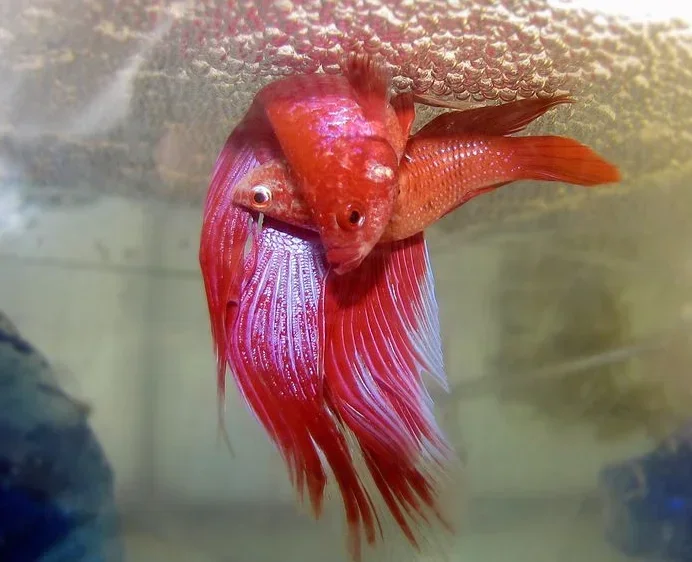
During spawning, the male wraps his body around the female in a behavior called the “embrace.” This triggers the female to release her eggs. The male then fertilizes them immediately. The whole process can happen over several hours with multiple embraces.
After each embrace, the female will release a small group of eggs. The male will pick them up in his mouth and place them gently into the bubble nest. This can happen 10 to 20 times or more during a single mating session.
What to Do Right After Spawning
Once the female has released all her eggs, you need to remove her from the tank immediately. The male betta can become territorial and may harm the female after mating. He will focus entirely on guarding the eggs and the nest.
Use a small net to gently transfer the female to a separate container. Keep the water warm and calm. She will recover within a day or two. You can reintroduce her later if you plan another breeding cycle.
Caring for the Eggs and Fry
The male betta will take care of the eggs and the bubble nest on his own. But you still need to monitor the situation closely to make sure everything goes well.
Egg Development and Hatching
Betta fish eggs usually hatch within 24 to 48 hours. The eggs are tiny and translucent at first. You may see small white dots moving inside the nest. The male will continue to pick up any eggs that fall and place them back in the nest. This is important work, and he takes it very seriously.
Do not disturb the tank during this time. Keep the lights dim and the environment quiet. Any sudden movements or loud noises can stress the male and cause him to abandon the nest.
Feeding Betta Fish Fry
Once the fry hatch, they will absorb their yolk sacs for the first 24 to 36 hours. After that, they need external food. Here is a feeding schedule for baby bettas:
- Day 1 to 3: No food needed. The fry still have their yolk sacs.
- Day 3 to 7: Feed infusoria or liquid fry food in tiny amounts.
- Week 2 and beyond: Gradually introduce baby brine shrimp and finely crushed flakes.
Feed the fry small amounts 2 to 3 times a day. Remove any uneaten food immediately to keep the water clean. Clean water is the foundation of healthy betta fish fry growth.
When to Remove the Male
The male betta will guard the fry for a few days after hatching. Once the fry are free-swimming and no longer stick to the nest, you can remove the male. He may start eating the fry if he gets hungry, so removing him on time is important for their survival.
Common Problems When Mating Betta Fish
Even with the best preparation, things can go wrong. Here are some common issues and how to handle them.
The Female Is Not Ready
If the female does not have a visible egg spot or her colors stay dark, she may not be ready to mate. Wait a few days and try again. You can also improve her diet with high-quality food and live brine shrimp to boost her health and readiness.
Male Aggression During Courtship
Some males are too aggressive and may injure the female. If you see fin nipping, constant chasing, or the female hiding all the time, separate them immediately. Give both fish a few days to rest before trying again.
Bubble Nest Keeps Falling Apart
A weak bubble nest can be caused by strong water flow or low humidity. Use a gentle sponge filter and keep the tank covered. If the nest keeps falling, the male may stop building it altogether. Try reducing water movement and see if that helps.
Eggs Not Hatching
If the eggs do not hatch after 48 hours, the water conditions may be off. Check the temperature and pH levels. Fungal infections on the eggs can also prevent hatching. In this case, the male may eat the affected eggs, which is actually a natural and healthy behavior.
Quick Tips for Successful Betta Fish Mating
- Always use a separate breeding tank to avoid stress and aggression.
- Keep the water warm and stable throughout the entire process.
- Feed both fish high-quality food for at least two weeks before mating.
- Watch the pair closely during introduction and separate them if needed.
- Remove the female immediately after spawning is complete.
- Keep the tank environment quiet and calm during egg development.
- Be patient. Not every attempt will succeed, and that is okay.
For general care tips that support healthy breeding fish, check out our guide on how to properly care for betta fish. Healthy fish have the best chance of successful mating.
Conclusion
How to mate two betta fish is a process that requires preparation, patience, and careful observation. From setting up the right breeding tank to understanding courtship behavior and caring for the fry, every step matters. When you do it correctly, breeding bettas can be a truly rewarding experience.
Remember that not every attempt will be perfect. Even experienced breeders face challenges. The key is to learn from each attempt and improve your setup. Keep your fish healthy, maintain clean water, and give them time to adjust. With the right approach, you will be well on your way to successfully breeding betta fish at home.
Take your time, enjoy the process, and celebrate every small success along the way. Happy breeding!
Frequently Asked Questions
How long does it take for betta fish to mate?
The entire mating process from courtship to spawning can take anywhere from a few hours to several days. The bubble nest is built first, followed by courtship behavior, and then actual spawning. Each stage happens at its own pace depending on the fish.
Can I keep the male and female betta fish together after mating?
No, you should remove the female immediately after spawning. The male can become aggressive and may harm her. The male will then focus on guarding the eggs and fry on his own in the breeding tank.
How many eggs does a female betta fish release during mating?
A female betta fish can release anywhere from 30 to 500 eggs in a single mating session. The number depends on her age, size, and overall health. Not all eggs will survive, but a healthy pair can produce a good number of fry.
What should I feed betta fish fry?
Start with infusoria or liquid fry food for the first week. After that, introduce baby brine shrimp and finely crushed flakes. Feed small amounts 2 to 3 times a day and remove any uneaten food to keep the water clean.
Why is my male betta not building a bubble nest?
A male betta may not build a bubble nest if he is not mature, stressed, or in poor health. Make sure the water temperature is warm and stable, and that the tank is calm. Sometimes it simply takes time. Try again after improving conditions and feeding a high-quality diet.
What water temperature is best for betta fish mating?
The ideal water temperature for betta fish mating is between 78°F and 82°F (25°C to 28°C). Keeping the temperature stable within this range encourages natural breeding behavior and supports healthy egg development and hatching.
=== INTERNAL LINKS USED ===