How to Make Your Betta Fish Healthy
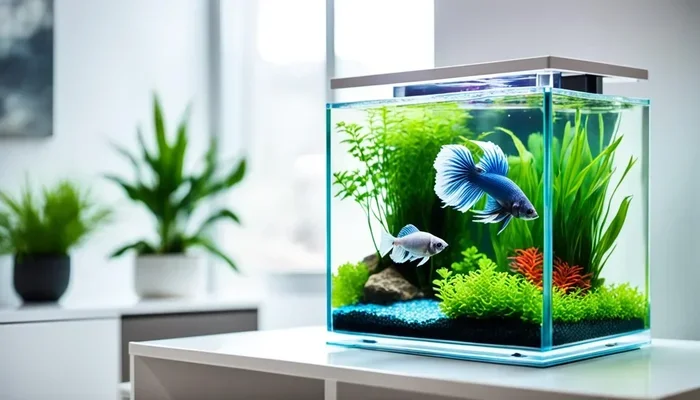
Want to know how to make your betta fish healthy and happy? This guide covers everything you need, from proper tank setup and water quality to the best diet and common health warning signs. Whether your betta is recovering or you want to keep them in top shape, these simple steps will help your fish thrive for years to come.
Key Takeaways
- Clean water is the foundation: Regular water changes and proper filtration are the most important steps for keeping your betta fish healthy.
- Diet matters hugely: Feeding high-quality betta food in the right amounts prevents obesity and disease.
- Tank setup affects everything: A properly heated and cycled tank reduces stress and boosts immunity.
- Watch for warning signs early: Catching symptoms like clamped fins or loss of appetite early makes treatment much easier.
- Consistency is key: Small daily habits matter more than big occasional changes when it comes to betta fish care.
📑 Table of Contents
- How to Make Your Betta Fish Healthy: A Complete Guide
- Setting Up the Right Tank for Your Betta
- Water Quality: The Most Important Factor
- Feeding Your Betta for Optimal Health
- Spotting and Preventing Common Health Issues
- Building a Strong Bond With Your Betta
- Daily and Weekly Habits for Long-Term Health
- Conclusion
How to Make Your Betta Fish Healthy: A Complete Guide
Betta fish are beautiful, lively creatures that bring so much joy to a room. But many owners don’t realize how easy it is to overlook the basics of betta fish care. A fish that looks dull or stays at the bottom of the tank is trying to tell you something. The good news is that making your betta healthy again is often simpler than you think. With the right approach, you can transform your fish’s energy, color, and lifespan.
Whether you just brought home a new betta or you’ve had one for years, this guide covers what really works. We’ll walk through tank setup, water quality, feeding habits, and how to spot early signs of trouble. By the end, you’ll know exactly what to do to keep your fish thriving. Let’s dive in.
Keeping a healthy betta fish starts with understanding their basic needs. These fish come from warm, slow-moving waters in Southeast Asia. That means they need specific conditions to feel safe and strong. When those conditions are met, bettas can live five to seven years or even longer. The key is consistency and paying attention to small details every day.
Why Your Betta Fish Might Be Unhealthy
Before we fix anything, it helps to understand what goes wrong. Most health problems in bettas come from a few common causes. Poor water quality is the number one killer. When ammonia and nitrite levels rise, even slightly, your fish gets stressed. Stress weakens the immune system and opens the door to illness.
Another big factor is diet. Overfeeding is extremely common. Many owners dump too much food in the tank, which fouls the water quickly. On the flip side, underfeeding leaves your betta malnourished. Finding the right balance takes a little practice but makes a huge difference. You can learn more about proper nutrition in our guide on how to make betta fish food at home.
Environmental stress also plays a role. A tank that’s too small, too cold, or too bright can wear your fish down over time. Bettas need calm, warm water and places to hide. When their surroundings feel safe, they relax and grow stronger.
Setting Up the Right Tank for Your Betta
The tank your betta lives in is basically their entire world. A healthy environment makes everything else easier. If you want to know how to make your betta fish healthy, start here. The tank size, temperature, and decoration all matter more than most people realize.
Choose the Right Tank Size
Many beginners keep bettas in tiny bowls. While a betta can survive in a small container, it won’t thrive. A tank of at least 5 gallons gives your fish room to swim and explore. Larger tanks are even better because they stabilize water parameters more easily. Small volumes change chemistry fast, which stresses your fish out.
If you’re starting from scratch, check out our article on how to set up a fish tank for betta fish. It walks you through every step, from choosing the right size to picking the best equipment.
Maintain Proper Water Temperature
Bettas are tropical fish. They need warm water to stay healthy. The ideal temperature range is between 76 and 82 degrees Fahrenheit. Anything below 74 degrees can make your betta sluggish and prone to illness. A small aquarium heater with a thermostat makes this easy to manage.
Temperature swings are just as bad as being too cold. Avoid placing the tank near windows, drafts, or heating vents. A consistent temperature helps your betta’s metabolism work properly. This supports digestion, immune function, and overall energy levels.
Add Gentle Filtration and Cycling
Bettas don’t like strong currents. In the wild, they live in still or slow-moving waters. That means you need a filter that provides gentle flow. Sponge filters work great for betta tanks. They clean the water without creating a current that tires your fish out.
Cycling your tank before adding your betta is essential. Cycling builds beneficial bacteria that break down harmful ammonia. A fully cycled tank means safer, cleaner water every day. This is one of the most overlooked steps in betta fish care, but it makes a massive difference.
Water Quality: The Most Important Factor
If there’s one thing that determines whether your betta stays healthy or gets sick, it’s water quality. Clean water reduces stress, prevents disease, and keeps your fish’s colors vibrant. Learning how to maintain good water conditions should be your top priority.
Test Your Water Regularly
You should test your tank water at least once a week. A simple liquid test kit checks for ammonia, nitrite, nitrate, and pH. Ammonia and nitrite should always read zero. Nitrate should stay below 20 parts per million. If any of these numbers are off, it’s time for a water change.
Tap water contains chlorine and chloramine, which are harmful to fish. Always use a water conditioner before adding new water to the tank. You can learn more about this in our guide on how to use tap water conditioner for betta fish.
Perform Regular Water Changes
Doing a 25 to 30 percent water change every week is the gold standard. This removes built-up waste and refreshes essential minerals. Use a gravel vacuum to clean the substrate at the same time. Debris that collects in the gravel releases ammonia as it breaks down.
For tanks under 10 gallons, you might need to do smaller changes more frequently. Smaller volumes fluctuate faster. The goal is to keep the environment stable and clean. Consistency here is what separates a healthy betta from one that keeps getting sick.
Know Your Water Parameters
Bettas prefer slightly acidic to neutral water. A pH between 6.5 and 7.5 is ideal. Soft to moderately hard water works best. If your tap water is very hard, consider using a mix of distilled and tap water. Always make adjustments gradually. Sudden changes in pH or hardness shock your fish and can cause serious harm.
Feeding Your Betta for Optimal Health
What you feed your betta directly impacts their energy, color, and longevity. A poor diet leads to a weak immune system, bloating, and dull colors. Getting the feeding part right is one of the simplest ways to improve your fish’s health.
Choose High-Quality Betta Food
Not all fish food is created equal. Look for pellets or flakes specifically formulated for bettas. These should list fish or shrimp as the first ingredient. Avoid foods loaded with fillers like corn or wheat. Bettas are carnivores. They need protein-rich diets to stay strong and colorful.
You can supplement their diet with frozen or live foods like brine shrimp and bloodworms. These make excellent treats and boost nutrition. Just don’t overdo it. Treats should make up no more than 10 percent of their overall intake.
Feed the Right Amount
Overfeeding is the most common mistake new betta owners make. A betta’s stomach is about the size of their eye. That’s tiny. Feed two to three pellets twice a day, or an amount they can finish in two minutes. Remove any uneaten food after feeding to keep the water clean.
Skipping one feeding day per week can also benefit your betta. It gives their digestive system a break and helps prevent constipation. If your fish refuses to eat, check our article on what to do when your betta fish won’t eat for helpful solutions.
Spotting and Preventing Common Health Issues
Even with the best care, bettas can get sick sometimes. The trick is catching problems early. The faster you act, the better the outcome. Knowing what to look for saves lives.
Recognize the Warning Signs
Watch for these common symptoms of a sick betta:
- Clamped fins: Fins held close to the body signal stress or discomfort.
- Loss of appetite: Skipping more than one or two meals is a red flag.
- Faded colors: Dullness often means something is wrong with their environment or health.
- White spots on the body: This is a classic sign of ich, a common parasitic infection.
- Labored breathing: Gasping at the surface or rapid gill movement needs attention fast.
- Lethargy: Staying at the bottom or not responding to movement suggests illness.
Treat Common Illnesses Quickly
Most betta illnesses are treatable if you act fast. Ich responds well to temperature raises and medication. Fin rot improves with clean water and antibacterial treatment. For more serious conditions, consult a vet who specializes in fish. Keeping a quarantine tank on hand is smart if you ever need to isolate a sick fish.
Prevention is always better than cure. Clean water, a proper diet, and low stress are your best defenses. You can also read our guide on how to make your betta fish stronger for tips on building up your fish’s resilience naturally.
Building a Strong Bond With Your Betta
Here’s something many people don’t expect: bettas can recognize their owners. A fish that feels safe around you is less stressed and more active. Building trust takes patience, but the reward is a happier, healthier betta.
Spend Time Near the Tank
Spend a few minutes each day sitting near your betta’s tank. Talk softly or just be present. Over time, your betta will associate you with calm and safety. You might notice them swimming to the front of the tank when you approach. That’s a great sign of trust.
If you want to deepen this connection, check out our guide on how to grow a bond with your betta fish. It has practical tips for building trust through gentle interaction.
Enrichment Keeps Bettas Mentally Sharp
Bettas get bored in empty tanks. Adding plants, caves, and gentle decorations gives them things to explore. Some owners even teach their bettas to follow their finger or eat from their hand. Mental stimulation reduces stress and keeps your fish engaged with life.
You can also try playing games with your betta fish. Simple activities like target training or following a finger along the glass provide mental exercise and strengthen your bond.
Daily and Weekly Habits for Long-Term Health
Consistency is what makes the biggest difference over time. Small daily habits add up to a long, vibrant life for your betta. Here’s a simple routine to follow.
Daily Checklist
- Feed your betta the right amount at the same times each day.
- Watch your fish for any changes in behavior or appearance.
- Check the tank temperature to make sure the heater is working.
- Look for any uneaten food and remove it promptly.
Weekly Checklist
- Perform a 25 to 30 percent water change.
- Test water parameters with your liquid test kit.
- Clean the glass and remove any algae buildup.
- Rinse filter media in old tank water (never tap water).
- Inspect your betta for any signs of illness or injury.
Following this routine takes just 15 to 20 minutes per week. But it creates the stable, clean environment your betta needs to truly thrive. A healthy betta fish is an active, colorful, curious fish. That’s what you’re working toward every time you care for their tank.
Quick Tips for Success
- Always let tap water sit with conditioner before adding it to the tank.
- Never clean the tank with soap or chemical cleaners.
- Keep the tank away from direct sunlight to prevent algae overgrowth.
- Don’t add new fish to the tank without quarantining them first.
- Observe your betta daily. You know your fish better than anyone.
Common Mistakes to Avoid
- Keeping your betta in a bowl under 3 gallons: This limits their growth and exposes them to toxic buildup quickly.
- Overfeeding: Leftover food rots and spikes ammonia levels within hours.
- Skipping water changes: Even with a filter, waste accumulates. Weekly changes are non-negotiable.
- Using untreated tap water: Chlorine and chloramine will harm your fish’s gills and stress them out.
- Ignoring warning signs: Catching problems early is always easier and cheaper than treating advanced illness.
Conclusion
Now you know exactly how to make your betta fish healthy from the inside out. It all comes down to clean water, proper nutrition, a comfortable tank, and daily attention. You don’t need expensive equipment or years of experience. You just need consistency and care.
Your betta fish depends on you for everything. When you get the basics right, the results show up in their color, energy, and lifespan. Start with one or two changes today and build from there. Every small step makes a big difference. Your betta will thank you with vibrant colors and playful behavior for years to come.
Remember, a healthy betta fish is a happy betta fish. Keep their water clean, feed them well, and give them a peaceful home. You’ve got this.
Frequently Asked Questions
How long does it take to make a betta fish healthy again?
It depends on the condition. Minor issues like dull color or low energy often improve within one to two weeks of better care. More serious illnesses may take four to six weeks with proper treatment. Consistency is the most important factor in recovery.
What is the best food for a healthy betta fish?
High-quality betta pellets should form the base of their diet. Frozen or live brine shrimp and bloodworms make excellent supplements. Avoid generic tropical flakes, which lack the protein bettas need. Feed small amounts twice a day for best results.
Can a betta fish recover from a unhealthy state?
Absolutely. Bettas are resilient fish. With clean water, proper temperature, and a good diet, most bettas can recover fully from mild to moderate health issues. The key is catching problems early and acting quickly.
How often should I change my betta fish water?
A 25 to 30 percent water change every week is recommended for most betta tanks. Smaller tanks may need partial changes twice a week. Always use conditioned water and match the temperature of the tank water.
Why is my betta fish staying at the bottom of the tank?
Bottom-dwelling can signal several issues. It might be too cold, your betta could be stressed, or they might be sick. Check the temperature first, then look for other symptoms like clamped fins or loss of appetite. Improving water quality often solves this problem.
Do betta fish need a heater in their tank?
Yes, bettas are tropical fish and need warm water between 76 and 82 degrees Fahrenheit. A small aquarium heater with a thermostat keeps the temperature stable. Cold water weakens their immune system and makes them vulnerable to disease.