How to Make Your Betta Fish Flare
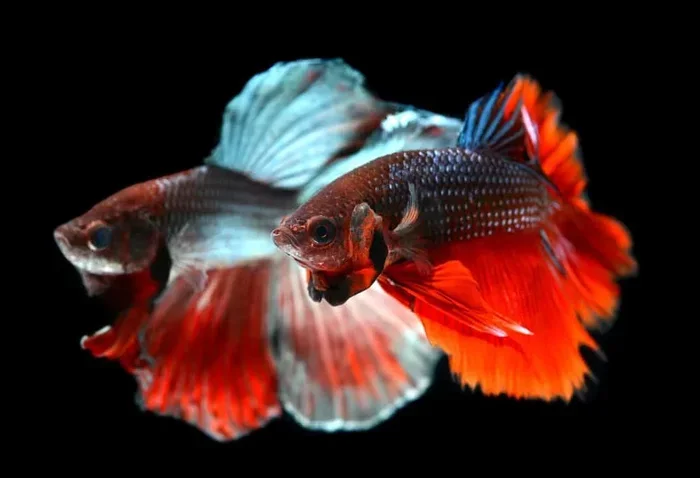
Making your betta fish flare is easier than you think! You can trigger this natural behavior using a mirror, new tank decorations, or by introducing another betta. Understanding why betta fish flare helps you keep your fish healthy, happy, and thriving in its environment.
Have you ever watched your betta fish suddenly puff up its fins and spread its gills like a tiny underwater superhero? That amazing display is called flaring, and it is one of the most fascinating behaviors in the fish world. If you have ever wondered how to make your betta fish flare, you are in the right place.
Flaring happens for many reasons, and understanding them helps you create a better home for your fish. Whether you are a new betta owner or a seasoned hobbyist, learning what triggers this behavior can make your fish-keeping experience way more fun. In this guide, we will walk you through every method, every tip, and every important detail you need to know.
The good news is that making your betta fish flare does not require expensive equipment or complicated setups. A simple mirror, a few tank changes, and some smart decorating choices can do the trick. Let us dive in and explore how you can bring out the best flaring displays from your beautiful betta.
Key Takeaways
- Flaring is natural: Betta fish flare as a territorial response and a sign of healthy behavior.
- Mirror tests work well: A small mirror placed near the tank safely triggers flaring without stress.
- Tank setup matters: Adding new decorations and improving water quality encourages natural flaring.
- Watch for over-flaring: Too much flaring can lead to stress and exhaustion, so moderation is key.
- Health links exist: A happy, well-cared-for betta fish flares more often and with more energy.
- Keep sessions short: Limit mirror time to 5-10 minutes to prevent your betta from becoming overly stressed.
📑 Table of Contents
What Is Betta Fish Flaring and Why Does It Matter
Flaring is when a betta fish spreads its gill plates, fans out its fins, and puffs up its body to look bigger. This behavior is deeply rooted in a betta fish natural instincts. Male betta fish flare most often, but females will flare too, especially during certain situations.
Understanding betta fish behavior starts with knowing why they flare. Here are the main reasons:
- Territorial defense: Bettas flare to warn other fish to stay away from their space.
- Mirror response: A reflection triggers the flaring instinct because the fish thinks it is another betta.
- Excitement or curiosity: New tank decorations or changes in the environment can cause a flaring response.
- Health and vitality: A healthy betta fish flares more often and with more energy than a stressed one.
Flaring is not just a cool trick to watch. It tells you a lot about your fish well-being. A betta that flares regularly is usually happy and confident. On the other hand, a betta that never flares might be stressed or unwell. This is why knowing how to tell if your betta fish is happy goes hand in hand with understanding flaring behavior.
How to Make Your Betta Fish Flare
Now let us get to the fun part. There are several proven methods to trigger your betta fish to flare. Each method works differently, and some are better suited for certain situations than others. Below, we break down the most effective approaches so you can choose what works best for your setup.
Method 1: Use a Small Mirror
The mirror test is the most popular and reliable way to make a betta fish flare. Here is how it works:
- Get a small handheld mirror or a mirror clip that attaches to the tank.
- Place the mirror near the outside of the tank glass.
- Your betta will see its own reflection and think it is a rival betta fish.
- The fish will start flaring within seconds.
- Remove the mirror after 5 to 10 minutes to avoid overstressing your fish.
Quick Tip: Use a small mirror. A big mirror can overwhelm your betta. Also, never leave the mirror in the tank for more than a few minutes at a time. If your fish seems stressed, give it time to calm down before trying again.
Many betta owners use the mirror method a few times a week. This can actually help keep your fish active and engaged. Think of it as a little exercise session for your betta.
Method 2: Add New Tank Decorations
Bettas are curious creatures. When you introduce something new into their environment, they often respond by flaring. This is a great natural way to encourage flaring without any artificial tools.
Here are some decoration ideas that work well:
- New plants: Live or silk plants give your betta something to explore and claim.
- Driftwood or caves: These create new hiding spots and territory boundaries.
- Colorful gravel or substrate: A fresh look can spark curiosity and flaring.
- Floating decorations: Bettas love to rest near the surface, and new floating items catch their attention.
For more ideas on sprucing up your tank, check out how to decorate your betta fish tank. A well-decorated tank does more than just trigger flaring. It also makes your fish feel safe and stimulated.
Method 3: Introduce Another Betta Fish (With Caution)
This method is more advanced and should only be done by experienced fish keepers. Placing two male betta fish near each other will almost always cause intense flaring. However, it also carries risks.
Here is what you need to know:
- Male bettas should never be housed together. They will fight and can seriously injure each other.
- Using a tank divider is a safer way to let two bettas see each other without direct contact.
- Female bettas can sometimes live together in groups called sororities, but this requires careful setup.
- Always watch both fish closely during any interaction.
If you want to try this, making a betta fish tank divider is a smart first step. It lets both fish see each other and flare safely.
Method 4: Improve Water Quality and Temperature
Sometimes the simplest approach works best. A betta fish that feels comfortable in clean, warm water is more likely to flare naturally. Here is what to focus on:
- Water temperature: Keep it between 78 and 80 degrees Fahrenheit.
- Clean water: Perform regular water changes, about 25 percent every week.
- Water conditioner: Always treat tap water before adding it to the tank.
- Proper filtration: Use a gentle filter that does not create strong currents.
A healthy environment brings out the best in your betta. When your fish feels good, it flares more often and with more confidence. For tips on keeping water conditions perfect, read how to take care of betta fish water.
Understanding Why Betta Fish Flare
Now that you know how to trigger flaring, let us talk about why it happens. Understanding the science behind flaring helps you become a better fish owner. It also helps you know when flaring is normal and when it might be a sign of trouble.
Territorial Behavior and Dominance
Betta fish are naturally territorial. In the wild, they live in small rice paddies and slow-moving streams where territory is limited. A betta fish will flare to protect its space from other males, rival fish, or even its own reflection.
This territorial instinct is strong. When a betta flares, it is basically saying, “This is my space, stay away.” In a home aquarium, this means your fish might flare at its own reflection, at passing shadows, or at new tank mates.
Expert Insight: Wild bettas flare as a survival mechanism. In captivity, they still carry this instinct even though they do not face the same threats. Providing enough space and hiding spots helps your betta feel secure while still allowing natural behavior.
Flaring as a Sign of Good Health
A betta that flares with bright colors and full fins is usually a healthy betta. Flaring requires energy, confidence, and good physical condition. If your fish stops flaring altogether, it could be a sign that something is wrong.
Watch for these signs of a healthy flaring betta:
- Bright, vibrant colors during flaring
- Full, spread fins without clamping
- Active swimming before and after flaring
- Healthy appetite
- Clear fins without tears or discoloration
If you notice your betta is not flaring or seems less active, it might be time to check on its overall health. Learning how to make your betta fish healthy again can help you address any underlying issues that might be dampening its flaring spirit.
When Flaring Becomes a Problem
Flaring is natural, but too much of it can actually harm your betta fish. It is important to know the difference between healthy flaring and excessive flaring that leads to stress.
Signs of Over-Flaring
How do you know if your betta is flaring too much? Look for these warning signs:
- The fish flares constantly without any clear trigger.
- Your betta looks tired or refuses to eat after flaring sessions.
- The fins start clamping against the body for long periods.
- You notice color fading or loss of vibrancy.
- The fish seems restless and swims erratically.
If you see any of these signs, reduce flaring triggers immediately. Give your fish time to rest and recover. Persistent over-flaring can weaken your betta and make it more susceptible to illness.
Common Mistakes That Cause Excessive Flaring
Many new betta owners accidentally cause too much flaring without realizing it. Here are some common mistakes to avoid:
- Leaving a mirror in the tank: This creates constant stress. Always remove it after a short session.
- Placing the tank near a window: Outside reflections and movements can trigger nonstop flaring.
- Adding too many bright decorations at once: Sudden changes overwhelm your betta.
- Keeping the tank near loud noises or vibrations: Shadows and movement from outside the tank can cause repeated flaring.
Avoiding these mistakes keeps your betta comfortable and ensures that flaring remains a positive, natural behavior.
Tips for a Healthy Flaring Experience
Want to get the most out of your betta flaring sessions while keeping your fish safe and happy? Follow these practical tips:
Keep Sessions Short and Sweet
Limit mirror sessions to 5 to 10 minutes. This gives your betta enough stimulation without causing exhaustion. Think of it like a quick workout, not a marathon.
Watch Your Betta Body Language
Pay close attention to how your fish reacts during flaring. A confident betta will flare brightly and swim actively. A stressed betta might flare but then hide, refuse food, or stay at the bottom of the tank. Adjust your approach based on what you observe.
Combine Flaring with Enrichment
Flaring can be part of a broader enrichment routine. Along with mirror exercises, try these activities:
- Training your betta to follow your finger or eat from your hand.
- Adding new tank decorations on a weekly or biweekly basis.
- Playing gentle music near the tank to stimulate curiosity.
- Playing games with your betta fish to keep it mentally active.
A well-enriched betta fish is a happy betta fish, and a happy betta flares more often and with more enthusiasm.
Maintain a Clean and Comfortable Tank
Regular tank maintenance is the foundation of good betta care. Keep up with water changes, filter cleaning, and temperature checks. A clean tank reduces stress and encourages natural behaviors like flaring.
Conclusion
Making your betta fish flare is a rewarding experience for both you and your fish. Whether you use a mirror, new decorations, or simply improve water conditions, the key is to do so thoughtfully and in moderation. Flaring is a beautiful, natural behavior that shows your betta is healthy, confident, and comfortable in its home.
Remember to keep flaring sessions short, watch for signs of stress, and always prioritize your fish well-being. A happy betta fish flares more, lives longer, and brings joy to your home every single day. Use the tips in this guide to create the best possible environment for your betta, and enjoy watching those stunning flaring displays for years to come.
If you want to go deeper into betta care, learn how to make your betta fish stronger with more expert tips and advice. Your journey to a happier, healthier betta starts right here!
Frequently Asked Questions
Why does my betta fish flare at me?
Your betta might see your reflection in the glass or interpret your movements as a threat. Bettas are naturally territorial and will flare to defend their space. Try not to tap on the glass, and your fish should calm down quickly.
Is flaring bad for betta fish?
Occasional flaring is completely normal and even healthy. However, excessive flaring caused by constant mirrors or reflections can stress your fish out. Keep flaring sessions short and limit them to a few times per week.
How often should I use a mirror to make my betta flare?
Two to three times per week is ideal. Each session should last no more than 5 to 10 minutes. This gives your betta enough stimulation without causing fatigue or stress.
Can female betta fish flare?
Yes, female bettas flare too, though they are generally less dramatic about it. Females will flare at other fish, their own reflection, and new tank decorations. A happy female betta will show flaring behavior regularly.
What should I do if my betta stops flaring?
A betta that stops flaring might be stressed, sick, or bored. Check your water parameters first, then consider adding new decorations or trying the mirror method. If the behavior does not return, consult a fish health guide to rule out illness.
Do bettas flare more when they are healthy?
Yes, a healthy betta fish flares more often and with more energy. Bright colors, full fins, and active swimming usually accompany a good flaring display. Keeping your tank clean and well-maintained is the best way to support natural flaring behavior.