How to Make Peas for Betta Fish
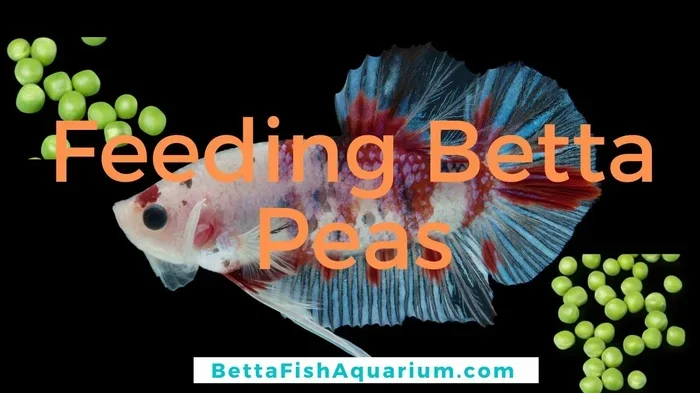
Making peas for betta fish is one of the simplest and most effective ways to boost your fish’s digestive health. This guide covers everything from choosing the right peas to preparing and serving them perfectly. You will learn blanching techniques, skin removal tips, and feeding schedules that work.
Keeping your betta fish healthy starts with what you feed them. Many fish owners do not realize that peas for betta fish can be a game-changer. These little green gems do wonders for digestion and overall wellness. If you have ever wondered whether you should add peas to your betta’s diet, the answer is a strong yes. Let us walk you through everything you need to know about preparing this simple yet powerful food.
Betta fish are tropical creatures that need a varied diet to thrive. In the wild, they eat small insects, larvae, and yes — plant matter too. Adding peas for betta replicates part of their natural diet. It also provides fiber that keeps their digestive system running smoothly. This article will show you exactly how to make, serve, and use peas as part of a balanced betta fish diet.
Whether you are dealing with a constipated betta or just want to improve your fish’s nutrition, this guide has you covered. We will go through every method of preparation, the best types of peas to use, and how often to feed them. By the end, you will feel confident adding this healthy treat to your betta fish food routine. Let us dive right in.
Key Takeaways
- Peas are a natural remedy for betta fish constipation and digestive issues.
- Always remove the pea skin before feeding to prevent choking and bloating.
- Blanching or microwaving peas softens them making them safe and easy for bettas to eat.
- Feed peas in moderation — once or twice a week is enough for optimal betta health.
- Fresh, frozen, or canned peas all work as long as they are unsalted and unseasoned.
- Mashing peas makes them easier to eat and helps your betta consume them without effort.
📑 Table of Contents
Why Peas Are Good for Betta Fish
You might be surprised to learn that peas offer real health benefits for bettas. These small vegetables pack a nutritional punch that supports your fish in several important ways. Understanding why peas help will make you want to add them to your feeding routine right away.
Digestive Health Benefits
The biggest reason aquarists feed peas to bettas is constipation relief. Betta fish are prone to bloating and digestive blockages. This happens because of their diet of dry flakes and pellets that expand in the stomach. Peas for betta fish act as a natural laxative. The fiber content helps push waste through the digestive tract naturally.
When a betta becomes constipated, you may notice swelling near the belly area or difficulty swimming. Some fish even float sideways or struggle to stay upright. Feeding a soft, shelled pea can often solve this problem within 24 hours. It is one of the easiest home remedies available for betta fish care.
Nutritional Value of Peas
Peas are not just fiber. They also contain vitamins and minerals that support overall betta health. Here is a quick look at what peas offer:
- Vitamin A: Supports eye health and immune function.
- Vitamin C: Helps with tissue repair and healing.
- Fiber: Aids digestion and prevents constipation.
- Protein: Provides a small plant-based protein boost.
- Potassium: Supports healthy muscle function.
While peas should not replace your betta’s main protein-rich diet, they make an excellent supplement. Think of them as a healthy side dish that rounds out your fish’s nutrition. This balance is key to keeping your betta vibrant and active.
Choosing the Right Peas for Your Betta
Not all peas are created equal when it comes to feeding betta fish. The type of pea you choose matters just as much as how you prepare it. Let us look at the best options available.
Fresh Peas
Fresh peas are an excellent choice if you have them available. They are packed with nutrients and contain no added salt or preservatives. You can find fresh peas in the freezer section of most grocery stores. Look for whole pea pods that feel firm and bright green. Simply shell them before preparing them for your betta.
Frozen Peas
Frozen peas are arguably the most convenient option. They are flash-frozen at peak freshness, which locks in nutrients. Most frozen peas contain nothing but peas themselves. Just make sure you check the label for any added salt or seasoning. Plain frozen green peas work perfectly for feed peas to betta routines.
Canned Peas
Canned peas can work in a pinch, but you need to be careful. Many canned peas contain added sodium and preservatives that are harmful to fish. If you must use canned peas, choose low-sodium or no-salt-added varieties. Rinse them thoroughly under cold water before serving. Fresh and frozen peas are always the better first choice.
Green Peas vs. Other Varieties
Stick with green peas for your betta. Other varieties like yellow split peas or dried peas are too hard and starchy. Green peas have the right texture and nutrient profile for tropical fish. They soften easily during preparation, making them safe and enjoyable for your betta to eat.
How to Make Peas for Betta Fish: Step-by-Step Guide
This is the core of our guide. Follow these simple steps to prepare perfect peas for your betta every single time. The process is quick, easy, and requires very few tools.
Step 1: Gather Your Supplies
Before you start, make sure you have everything ready. You will need a handful of green peas, a small pot of water, and a fork or masher. That is it. No special equipment is required. Keeping your supplies organized makes the whole process smooth and fast.
Step 2: Shell the Peas
Take each pea out of its pod. You only want the individual pea inside. The pod itself is too tough for bettas to digest. If you are using frozen peas, they are already shelled, which saves you time. Just make sure they are plain with no additives. This step is essential because the skin can be difficult for bettas to process.
Step 3: Blanch the Peas
Bring a small pot of water to a boil. Drop the shelled peas in and let them cook for about 2 minutes. Blanching softens the peas so your betta can easily eat them. After 2 minutes, remove the peas with a slotted spoon and place them in a bowl of cold water. This stops the cooking process and preserves their color and nutrients.
Alternatively, you can microwave the peas for 30 to 60 seconds with a splash of water. Both methods produce soft, safe peas for your fish. The goal is to make them tender enough to mash easily with a fork.
Step 4: Remove the Skin (Optional but Recommended)
Some betta owners skip this step, but removing the skin is a great practice. The outer skin of a pea can be slippery and tough to digest. Gently squeeze each pea between your fingers. The soft inner part should pop right out of the skin. This extra step ensures your betta gets the nutrition without any risk of blockage.
Step 5: Mash the Peas
Use a fork to mash the peas into a soft paste. You do not need to make it perfectly smooth. A slightly chunky texture is fine. The mash should be soft enough that your betta can pick it up and eat it without struggling. If the peas are still too firm, add a tiny drop of tank water and mash again.
Step 6: Serve to Your Betta
Drop a small amount of mashed pea into the tank. A pea-sized portion is plenty for one betta. Use feeding tongs or your fingers to place it near your fish. Watch your betta investigate and eat the treat. Remove any uneaten portions after a few hours to keep the water clean. A clean tank supports overall betta health tips and prevents water quality issues.
How Often Should You Feed Peas to Your Betta?
Moderation is the key when it comes to feeding peas. Peas are a treat and supplement, not a main meal. Overfeeding peas can lead to loose stools or nutritional imbalances. Here is a simple feeding schedule you can follow.
- Once a week: The ideal frequency for most bettas.
- Twice a week: Acceptable if your betta needs extra digestive support.
- As needed: Feed a pea when you notice signs of constipation or bloating.
A good rule of thumb is to offer peas alongside your betta’s regular betta fish food. This keeps their diet balanced and interesting. A healthy tropical fish diet includes variety, and peas are a great addition to that variety.
If you are unsure how your betta will react, start with once a week. Watch for changes in behavior, appetite, and waste output. Most bettas take to peas quickly and eagerly. Once you see how much they enjoy it, you can adjust the frequency accordingly.
Common Mistakes to Avoid When Feeding Peas
Even though preparing peas is simple, there are a few mistakes that many fish owners make. Avoiding these errors will keep your betta safe and healthy.
Feeding Whole Peas
Never drop a whole pea into the tank. Whole peas are too hard for bettas to bite through. They can also swell in the stomach and cause more blockages. Always shell and mash the peas before serving. This one mistake can undo all the benefits of feeding peas in the first place.
Using Salted or Seasoned Peas
Salt is dangerous for freshwater fish like bettas. Even small amounts can harm your fish’s kidneys and disrupt water chemistry. Always choose plain, unsalted peas. Rinse canned peas thoroughly if that is your only option. Keeping things simple and natural is always the best approach for aquarium fish nutrition.
Overfeeding
Peas are healthy, but too much of a good thing can be harmful. Excessive fiber can cause diarrhea and dehydration. Stick to small portions and feed no more than once or twice a week. Your betta’s main diet should still be high-quality pellets or flakes designed for bettas.
Skipping the Prep Entirely
Some owners toss raw peas into the tank hoping the fish will figure it out. Raw peas are too tough and will likely go uneaten. They can also rot in the tank and foul the water. Taking a few minutes to properly prepare the peas makes all the difference.
Expert Tips for the Best Results
Want to take your pea preparation to the next level? These expert tips will help you get the most out of this simple treat.
- Mix peas with regular food: Blend a small amount of mashed pea into your betta’s pellet or flake food for added nutrition.
- Use a feeding ring: A feeding ring keeps the pea mash in one spot so your betta can find it easily.
- Watch your betta’s response: Every fish is different. Some love peas immediately, while others need a few tries before they accept them.
- Pair with a water change: Doing a water change for betta fish around feeding time helps keep the tank clean and encourages appetite.
- Store prepared peas properly: If you make extra, store them in a small container in the refrigerator for up to two days.
You can also explore other homemade food options to diversify your betta’s diet. Check out our guide on how to make betta fish food at home for more creative recipes. These additional food ideas pair wonderfully with peas to create a complete and nutritious feeding plan.
Remember that proper betta fish care goes beyond just food. A clean tank, stable water parameters, and a stress-free environment all contribute to your fish’s health. If you want to learn more about raising healthy bettas, visit our how to properly care for betta fish guide for comprehensive tips.
Another great resource is our article on making your betta stronger through proper nutrition and tank management. You can read how to make your betta fish stronger for strategies that complement a healthy diet like peas.
Conclusion
Making peas for betta fish is one of the simplest and most rewarding things you can do for your aquatic pet. Peas provide fiber, vitamins, and natural digestive support that keeps your betta feeling its best. With just a few minutes of preparation, you can offer a healthy treat that your fish will love.
Follow the steps in this guide and you will master pea preparation in no time. Choose the right type of pea, shell and blanch them properly, and always serve in moderation. Avoid common mistakes like feeding whole peas or using salted varieties. Your betta will thank you with vibrant colors, active behavior, and smooth digestion.
Start adding peas to your feeding routine today. Your betta fish will enjoy the variety, and you will feel great knowing you are providing the best possible care. A little effort in the kitchen goes a long way toward a happy, healthy fish.
Frequently Asked Questions
Can betta fish eat peas every day?
No, feeding peas every day is not recommended. Peas should only be given as a treat or supplement, not as a staple food. Once or twice a week is the ideal frequency. Overfeeding peas can lead to digestive issues and nutritional imbalances. Stick to a regular diet of quality betta pellets and use peas as an occasional addition.
Do I need to remove the skin from peas before feeding them to my betta?
Removing the skin is highly recommended but not strictly required. The skin can be tough to digest and may cause bloating in some bettas. Squeezing the pea out of its skin takes only a few seconds and makes the food much safer. If you skip this step, your betta may still eat the pea, but there is a higher risk of digestive discomfort.
Are frozen peas okay for betta fish?
Yes, frozen peas are an excellent option. They are flash-frozen at peak freshness and typically contain no added salt or preservatives. Just make sure the label says plain green peas with no seasonings. Thaw them slightly before blanching and serving. Frozen peas are convenient, affordable, and nutritionally rich.
What happens if my betta fish eats a whole pea?
A whole pea can be a choking hazard and may expand in the stomach, causing constipation or bloating. If this happens, monitor your betta closely for signs of distress. Offer a small amount of tank water and watch for normal swimming behavior. To prevent this, always shell and mash peas before feeding them to your fish.
Can I use canned peas for my betta fish?
Canned peas can work if they are low-sodium or no-salt-added. Always rinse them thoroughly under cold water to remove any remaining salt or preservatives. Fresh and frozen peas are still the better choices because they contain no additives. Use canned peas only when other options are not available.
Will peas help my constipated betta fish?
Yes, peas are one of the most effective natural remedies for betta constipation. The fiber content helps promote healthy digestion and regular waste elimination. Feed a small, shelled, and mashed pea to a constipated betta and observe improvement within 24 hours. If constipation persists, consider a water change for betta fish and check your tank parameters.