How to Make My Betta Fish Mate
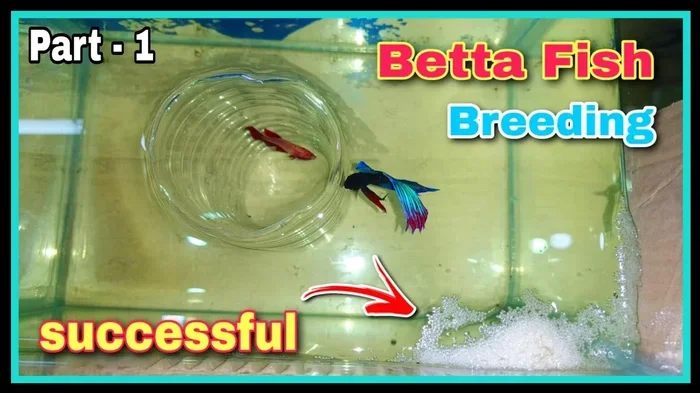
Breeding betta fish successfully requires the right tank setup, proper conditioning, and careful observation of mating behavior. This guide walks you through everything you need to know about making your betta fish mate, from preparing the breeding tank to recognizing courtship signs. Follow these simple steps and increase your chances of a successful spawn.
Breeding betta fish is one of the most rewarding experiences a fish keeper can have. If you have been wondering how to make my betta fish mate, you are in the right place. This guide covers every step you need to take, from preparing the tank to watching your fish spawn. The process is simpler than most people think, but it does require patience and attention to detail.
Betta fish mating involves more than just putting a male and female together. You need the right environment, the right food, and the right timing. When you get these things in place, your bettas will naturally go through courtship. This article gives you a clear roadmap to follow. You will learn how to spot the signs that your fish are ready, how to set up a breeding tank, and what to do after the eggs are laid.
Key Takeaways
- Set up a proper breeding tank: A separate tank with the right conditions reduces stress and encourages mating behavior.
- Condition both fish well: Feeding high-quality food before breeding makes your betta fish stronger and more ready to mate.
- Watch for key courtship signs: Bubble nests, flaring, and chasing are clear indicators that your betta fish is ready to breed.
- Maintain pristine water conditions: Clean, warm water is essential for successful betta fish mating and egg survival.
- Separate the female after spawning: Removing the female protects her from the male’s aggression after the eggs are laid.
- Be patient and observant: Not every attempt leads to success, so give your fish time and monitor their behavior closely.
📑 Table of Contents
Understanding Betta Fish Mating Basics
Before you start, it helps to understand how betta fish mate in the wild. Male bettas build bubble nests at the surface of the water. These nests hold the eggs once the female lays them. The male then carefully guards the nest and the developing fry. This natural behavior is the foundation of successful breeding.
Not all bettas will mate on demand. Some fish need time to adjust to new surroundings. Others may not be ready due to age or health. That is why conditioning your fish properly matters so much. A healthy male and a healthy female are far more likely to breed successfully.
Signs Your Betta Fish Is Ready to Mate
Watch for these clear signs that your betta fish is ready to breed:
- Bubble nest building: The male starts blowing tiny bubbles at the surface. This is one of the strongest signs of readiness.
- Bright coloration: A healthy male develops vivid colors when he is ready to mate. If you want to enhance this, check out how to make betta fish colorful for tips on boosting their natural vibrancy.
- Flaring at the female: The male will flare his fins when he sees the female. This is part of the courtship display.
- Curved body posture: The male will curve his body around the female in a gentle embrace. This is called the “spawning embrace.”
- Female vertical stripes: A ready female develops horizontal or vertical stripes on her body, known as “breeding bars.”
How to Prepare the Breeding Tank
The breeding tank is the most important part of the setup. A proper environment makes your betta fish feel safe and ready to mate. You do not want to use the main tank because the male may chase and harm the female if she is not ready to spawn.
Start with a tank that is at least 10 gallons. Fill it with clean water that is between 78 and 80 degrees Fahrenheit. The water should be slightly soft and slightly acidic. You can use how to make water for betta fish techniques to get the water quality just right. Add a sponge filter for gentle water flow. Bettas do not like strong currents.
Tank Setup Checklist
- Tank size: 10 gallons minimum
- Water temperature: 78 to 80 degrees Fahrenheit
- Filter: Sponge filter on low flow
- Lighting: Dim or natural light
- Floating plants: Provide hiding spots and support for bubble nests
- No gravel: Use a bare bottom for easy cleaning
- Cover: Keep the tank covered to maintain humidity for the bubble nest
Place a few floating plants or a styrofoam cup on the surface. The male will build his bubble nest attached to these. Keep the tank in a quiet area where the fish will not get startled by sudden movements or loud noises.
Conditioning Your Betta Fish for Breeding
Conditioning is the process of feeding your fish high-quality food for one to two weeks before introducing them. This step is crucial. Well-fed fish produce healthier eggs and sperm. It also increases their energy for the mating process.
Feed both the male and female live or frozen foods. Bloodworms, brine shrimp, and daphnia are excellent choices. Feed them two to three times a day in small amounts. Overfeeding can foul the water, so remove any uneaten food promptly.
To make sure your fish are in top shape, consider following tips from how to make your betta fish stronger. Strong, healthy fish have a much better chance of successful mating and producing viable fry.
Male vs Female Conditioning
Both fish need conditioning, but there are small differences to keep in mind:
| Aspect | Male | Female |
|---|---|---|
| Food focus | Protein-rich foods to boost nest building | Nutrient-dense foods to support egg production |
| Duration | 10 to 14 days | 10 to 14 days |
| Signs of readiness | Bubble nest building, bright colors | Breeding bars, rounded belly |
| Behavior changes | More territorial, flaring | More receptive to male displays |
During conditioning, keep the male and female in separate tanks. This prevents premature aggression. Once both fish show strong signs of readiness, you can move to the introduction phase.
Introducing the Male and Female
This is the most exciting and delicate part of the process. Place the female in a clear container inside the breeding tank. Let the male see her through the glass for a few hours. This gives them time to get used to each other’s presence without direct contact.
After a few hours, gently release the female into the tank. Watch their behavior closely. Some chasing is normal. The male will flare and display his fins. If the female is receptive, she will darken in color and approach the male.
If the male becomes too aggressive and starts biting the female, remove her immediately. Not every pairing works on the first try. You may need to try again with a different female or give them more time to adjust. You can also look into how to make your betta fish happy for tips on reducing stress during this sensitive phase.
What to Expect During Courtship
The courtship process typically follows this pattern:
- The male wraps his body around the female.
- The female releases eggs, usually 10 to 50 at a time.
- The male fertilizes the eggs immediately.
- The male collects the eggs and places them in the bubble nest.
- The process repeats several times over a few hours.
Once the female has released all her eggs, she will usually look tired. The male will chase her away at this point. This is why you need to remove the female after spawning is complete. Leaving her in the tank can lead to injury.
After Spawning: Caring for the Eggs and Fry
Once spawning is done, the male takes over. He will guard the bubble nest and retrieve any eggs that fall. Do not disturb the tank during this time. Keep the lights dim and avoid making sudden movements near the tank.
The eggs will hatch in about 24 to 48 hours. The fry will stay attached to the nest for another two to three days. During this time, the male continues to care for them. After the fry become free-swimming, you must remove the male from the tank. He may start eating the fry once they are on their own.
Feed the fry infusoria or liquid fry food for the first week. After that, you can introduce baby brine shrimp. Keep the water clean with small, frequent water changes. Use how to make your betta fish happy principles to maintain a stress-free environment for the growing fry.
Common Problems During Breeding
- Male destroys the bubble nest: This can happen if the tank is too noisy or if the male feels threatened.
- Female does not release eggs: She may not be ready. Give her more time to condition.
- Eggs fall from the nest: The male may not be experienced enough to collect them all.
- Fry not surviving: Poor water quality or improper food can cause fry loss.
If things do not work out the first time, do not get discouraged. Breeding betta fish is a learning process. Even experienced breeders sometimes have failed attempts. Keep trying and refine your setup based on what you observe.
Common Mistakes to Avoid
Many beginners make avoidable mistakes when trying to breed bettas. Here are the most common ones:
- Skipping the conditioning phase: Unconditioned fish are less likely to mate successfully.
- Using a tank that is too small: A cramped space increases stress and aggression.
- Leaving the female in too long: The male can seriously injure her after spawning.
- Using strong filtration: The current can destroy the bubble nest.
- Not checking water parameters: Dirty water leads to fungus on eggs and fry death.
- Rushing the process: Patience is key. Forcing introductions too early causes problems.
Before you begin, make sure both fish are healthy. If you are unsure, learn how to tell if my betta fish is sick so you can rule out any health issues before introducing them for breeding.
Expert Tips for Successful Betta Fish Mating
Here are some expert insights that can make a big difference:
- Use a divider first: Place a divider in the breeding tank so the fish can see each other for a few days before removing it. This reduces shock.
- Mirror training: Briefly show the male a mirror before breeding. This primes his aggressive and courtship behaviors.
- Keep the room dark: Dim lighting encourages the male to build a better bubble nest.
- Add Indian almond leaves: These release tannins that soften the water and promote a healthy breeding environment.
- Do not breed too young: Wait until the fish is at least 4 to 6 months old before attempting to mate them.
Remember that every betta fish is different. Some pairs will bond quickly, while others need several attempts. The key is to stay calm, monitor closely, and make adjustments as needed. Breeding betta fish is a journey, and each attempt teaches you something new.
Conclusion
Learning how to make my betta fish mate is a fulfilling journey that every betta keeper should try. The process comes down to three main pillars: a well-prepared breeding tank, properly conditioned fish, and careful observation of their behavior. When you get these elements right, the natural mating process takes over. Be patient, stay attentive, and enjoy the experience of watching new life begin in your aquarium. With the right approach and a little practice, you will be successfully breeding betta fish in no time.
Frequently Asked Questions
How long does it take for betta fish to mate?
The entire mating process, from introduction to spawning, usually takes a few hours. However, the conditioning phase before breeding should last 10 to 14 days. The bubble nest and fry care continue for several weeks after that.
Can I breed two male betta fish together?
No. Two male bettas will fight aggressively and can seriously injure or kill each other. Always use one male and one female for breeding purposes.
Why is my betta fish not building a bubble nest?
A male may not build a bubble nest if he is not ready, if the water conditions are not ideal, or if he is stressed. Make sure the water temperature is warm and the tank is quiet. Check out how to make your betta fish stronger for conditioning tips that can help encourage nesting behavior.
How many eggs does a female betta fish lay at once?
A female betta fish can lay between 10 and 50 eggs per spawning session. The number depends on her age, health, and how well she has been conditioned.
Should I remove the male after the eggs hatch?
Yes. Remove the male once the fry become free-swimming, usually about three to five days after hatching. The male may eat the fry if left in the tank too long.
What should I feed betta fish fry?
Start with infusoria or liquid fry food for the first week. Then gradually introduce baby brine shrimp and microworms as the fry grow. Keep the water clean with small, frequent water changes.