How to Make Fish Soup Taste Better
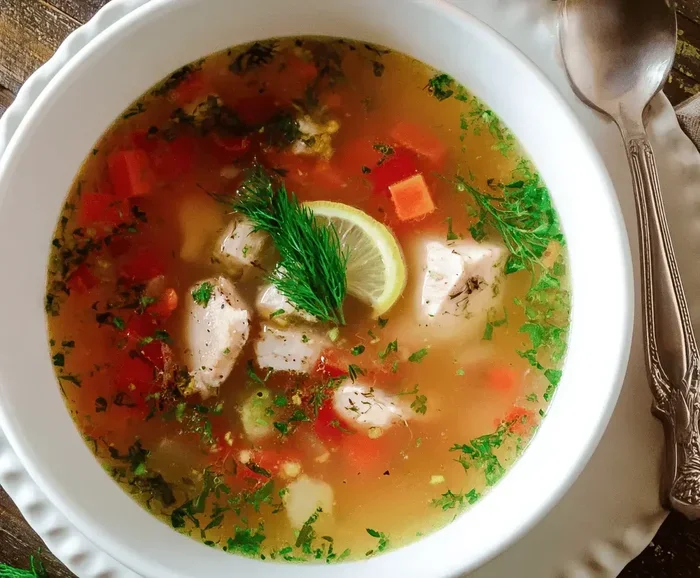
Want to know how to make fish soup taste better? This guide covers everything from picking the right fish to building a rich, flavorful broth. You will learn simple seasoning tricks, common mistakes to avoid, and easy fixes for bland soup. Follow these steps and turn your ordinary fish soup into a meal everyone will love.
Fish soup is one of those meals that feels warm, cozy, and comforting. But sometimes, it can taste flat or even a bit fishy in a bad way. If you have ever wondered how to make fish soup taste better, you are in the right place. This guide walks you through every step to get a rich, savory, and delicious bowl of soup. You do not need to be a chef to make it work.
The good news is that a few simple changes can make a huge difference. Whether you use a store-bought broth or make your own, the tips here will help. We will cover how to pick the right fish, build a strong base, season properly, and fix common problems. By the end, you will have all the tools to make fish soup taste better every single time.
Key Takeaways
- Start with fresh or high-quality fish: The quality of your fish sets the foundation for a great soup.
- Build a flavorful base with aromatics: Onion, garlic, celery, and herbs add deep flavor to every spoonful.
- Season in layers, not all at once: Adding salt, pepper, and spices gradually creates a balanced taste.
- Avoid overcooking your fish: Fish turns tough and rubbery when cooked too long, which hurts the flavor.
- Use acid to brighten your soup: A splash of lemon juice or vinegar lifts and balances the overall taste.
- Soak your fish properly before cooking: Techniques like milk soaking can remove fishy odors and improve taste.
- Fix bland soup with broth and umami boosters: Fish stock, soy sauce, or Parmesan rind can rescue a boring pot of soup.
📑 Table of Contents
Why Your Fish Soup Might Taste Bland
Before we fix the problem, let us understand why fish soup sometimes falls flat. A bland soup usually comes from one or more of these issues. Once you know the cause, it is easy to fix.
Low-Quality Fish
The fish you use matters a lot. If your fish is old, frozen for too long, or low quality, the soup will taste dull. Fresh fish has a clean, mild flavor that blends well into a broth. Always try to buy fish that smells like the ocean, not fishy or ammonia-like. If you cannot get fresh fish, look for frozen fillets that are flash-frozen. They keep most of their flavor.
Poor Seasoning
Many people make the mistake of not seasoning enough. Fish has a delicate flavor that needs support from salt, pepper, herbs, and spices. If you just throw fish into water and call it soup, it will taste like… fishy water. Seasoning is the key to unlocking flavor.
Overcooking the Fish
Fish is very delicate. When you cook it for too long, it falls apart and loses its flavor. The texture gets mushy, and the taste becomes weak. This is one of the biggest reasons homemade fish soup does not taste as good as it should.
Choose the Right Fish for Your Soup
Not all fish are the same when it comes to soup. Some types hold up well, while others dissolve into the broth. Picking the right fish makes a big difference in both taste and texture.
Best Fish for Soup
Here are some great options for fish soup:
- Cod: Mild, flaky, and holds its shape well in broth.
- Halibut: Thick and meaty, it adds a rich flavor to any soup.
- Snapper: Sweet and tender, it works beautifully in seafood soups.
- Tilapia: Affordable and mild, it soaks up flavors from the broth.
- Salmon: Rich and fatty, it gives a hearty, full-bodied taste.
As a general rule, go with firm, white-fleshed fish for clear broths. Use fattier fish like salmon or mackerel for creamy soups. If you want to learn more about picking the right fish for cooking, check out our guide on a better fish to fry for tips that also apply to soups.
Fresh vs Frozen Fish
You can use either fresh or frozen fish for soup. In fact, frozen fish often works just as well. The key is how it was frozen. Look for fish that was frozen at sea or flash-frozen. Avoid fish that has been in your freezer for months. Thaw frozen fish in the fridge overnight, not on the counter. This keeps the texture and flavor intact.
Build a Flavorful Base
The base of your soup is where the magic happens. A weak base means weak flavor. A strong base makes every bite count. Think of it as the foundation of a house — if it is not solid, the whole thing falls apart.
Use Aromatics
Aromatics are vegetables and herbs that add depth to your soup. Start with these basics:
- Onion: Adds sweetness and body to the broth.
- Garlic: Gives a savory, slightly spicy kick.
- Celery: Adds a fresh, earthy flavor.
- Carrots: Bring natural sweetness and color.
- Bay leaves: Add a subtle herbal warmth.
Sauté your aromatics in olive oil or butter before adding water or broth. This step, called sweating, pulls out the flavors and makes your soup taste much richer. Do not skip it.
Choose the Right Liquid
Water is not your best friend when making fish soup. It dilutes the flavor. Instead, use fish stock, clam juice, or even chicken broth as your base. Each one brings a different flavor profile. Fish stock gives the most authentic taste. Clam juice adds a nice ocean-like depth. Chicken broth works well if you want a milder soup.
If you want to learn more about making your own fish stock or improving the taste of fish in general, read our article on how do you make fish taste better for extra tips.
Add Umami Boosters
Umami is the fifth taste — savory, rich, and deeply satisfying. Adding umami boosters to your fish soup takes it from good to amazing. Try these:
- Fish sauce: Just a splash adds incredible depth.
- Soy sauce: A small amount brings salt and richness.
- Parmesan rind: Toss it in while simmering for a savory backbone.
- Tomato paste: Adds concentrated flavor and a touch of sweetness.
- Miso paste: Stir it in at the end for a fermented, savory kick.
Seasoning and Spice Tips
Seasoning is an art, not a guessing game. The right blend of spices and herbs can transform a plain bowl of fish soup into something memorable.
Salt at the Right Time
Salt is the most important seasoning, but timing matters. Add a little salt at the start when you sauté your aromatics. Then add more toward the end. This layered approach builds flavor from the inside out. Always taste as you go. You can always add more salt, but you cannot take it away.
Herbs That Work Well with Fish Soup
Fresh herbs make a big difference. Here are some of the best options:
- Dill: A classic pairing with fish. It adds a bright, slightly sweet note.
- Parsley: Fresh and clean, it balances rich flavors.
- Thyme: Earthy and warm, it adds complexity to the broth.
- Bay leaves: Simmer one or two in the pot and remove before serving.
- Cilantro: Great for a lighter, fresher style of fish soup.
Spices for Fish Soup
Do not be afraid to use spices. They add warmth and depth. Some great options include:
- Smoked paprika: Adds a subtle smoky flavor.
- Cayenne pepper: A tiny pinch gives gentle heat.
- Cumin: Earthy and warm, it pairs well with seafood.
- Turmeric: Adds color and a mild, slightly bitter flavor.
- Black pepper: Always a reliable choice for seasoning fish.
Do Not Forget Acid
One of the best-kept secrets for making fish soup taste better is acid. A squeeze of lemon juice or a splash of vinegar at the very end of cooking brightens the entire dish. It cuts through richness and makes every flavor pop. Start with a small amount and adjust to taste.
Common Mistakes That Ruin Fish Soup
Even experienced cooks make these mistakes. Knowing what to avoid will save your soup from tasting off.
Overcooking the Fish
This is the number one mistake. Fish cooks fast — usually in just 5 to 10 minutes. Add your fish pieces toward the end of cooking. If you add it too early, it will fall apart and lose its flavor. The fish should be just cooked through, not dried out or rubbery.
Using Too Much Fishy Fish
Some fish have a very strong flavor. While that works for some recipes, it can overpower a delicate soup. Stick with mild fish unless you specifically want a bold taste. If you only have strong-flavored fish, try soaking it first to mellow the taste.
Not Tasting as You Go
Never just set the pot and walk away. Taste your soup several times while cooking. Adjust the salt, add more herbs, or squeeze in some lemon. Tasting as you go is the single best way to make sure your soup turns out great.
Skipping the Prep Step
How you prep your fish matters. Some methods can reduce fishiness and improve flavor. For example, soaking fish in milk is a well-known trick that removes strong odors and leaves the fish tasting clean and mild. You can read more about this in our article on does soaking fish in milk make it taste better.
Another method is soaking fish in a light saltwater solution or even a diluted Clorox rinse (in very small amounts) to reduce fishiness. You can learn more about this approach in our piece on can you soak fish in Clorox for better taste.
How to Fix Bland Fish Soup
If your soup is already made and it tastes boring, do not throw it away. There are easy fixes that work like magic.
Add More Salt Gradually
Blandness is often just a lack of salt. Add a pinch at a time, stir, and taste. You will be surprised how much a little salt can do.
Squeeze in Some Lemon
Acid is the fastest way to wake up a dull soup. A squeeze of fresh lemon juice right before serving makes a big difference.
Add a Umami Bomb
A splash of soy sauce, a few drops of fish sauce, or a spoonful of miso paste can instantly add depth and richness.
Simmer with Fresh Herbs
Toss in a handful of fresh dill, parsley, or thyme and let it simmer for five more minutes. Fresh herbs lift the whole flavor profile.
Use Better Broth Next Time
If your broth was weak, start over with a stronger base. Homemade fish stock or store-bought clam juice makes a world of difference.
Quick Tips for the Best Fish Soup Ever
- Pat your fish dry before adding it to the pot. This helps it hold its shape.
- Cut fish into large chunks so they do not overcook and fall apart.
- Simmer, do not boil. Boiling makes fish tough and the broth cloudy.
- Add fish in the last 10 minutes of cooking for the best texture.
- Let the soup rest for 10 minutes after cooking. Flavors meld and deepen as it sits.
- Garnish with fresh herbs and a lemon wedge for a restaurant-quality finish.
Making fish soup taste better is all about small, smart choices. From the fish you pick to the way you season and serve, every step counts. You do not need fancy ingredients or expensive tools. Just follow these tips, and your soup will be head and shoulders above the ordinary version.
Conclusion
Now you know exactly how to make fish soup taste better. Start with quality fish, build a strong aromatic base, season in layers, and add acid at the end. Avoid the common mistakes like overcooking and under-seasoning. And if your soup turns out bland, there are easy fixes that will rescue it in minutes.
The best part is that these tips work for every type of fish soup, whether it is a light European-style broth or a rich, creamy chowder. Practice these techniques a few times, and you will notice a big improvement in every pot you make. Your family and friends will ask for your fish soup recipe again and again.
So go ahead. Pick out some fresh fish, grab your herbs, and get cooking. A delicious bowl of fish soup is just one pot away.
Frequently Asked Questions
What kind of fish is best for soup?
Firm, white-fleshed fish like cod, halibut, and snapper work best for most fish soups. They hold their shape well and have a mild flavor that complements the broth. If you prefer a richer soup, fatty fish like salmon or mackerel are excellent choices.
Can I use frozen fish for soup?
Yes, frozen fish works fine for soup. Just make sure it was flash-frozen and thaw it in the refrigerator overnight. Avoid fish that has been sitting in your freezer for a long time, as the quality and flavor will decline.
Why does my fish soup taste fishy?
Fish soup can taste too fishy if the fish is old, not properly soaked, or if strong-flavored fish was used. Soaking the fish in milk or saltwater before cooking helps reduce fishiness. Adding acid like lemon juice at the end also balances the flavor.
How do I keep fish from falling apart in soup?
Add the fish during the last 5 to 10 minutes of cooking. Use firm fish varieties and cut them into large chunks. Simmer gently instead of boiling, and avoid stirring too much. These steps keep the fish intact and the soup looking great.
Can I make fish soup in a slow cooker?
Yes, you can. Add the aromatics and broth first, then add the fish during the last 30 minutes on low heat. Slow cookers work well for building deep flavors, but be careful not to overcook the fish.
What can I add to make fish soup richer?
Try adding fish sauce, a Parmesan rind, tomato paste, or a splash of cream. These ingredients add umami and richness that make the soup more satisfying. A small amount goes a long way, so add gradually and taste as you go.