How to Make Betta Fish Tank at Home
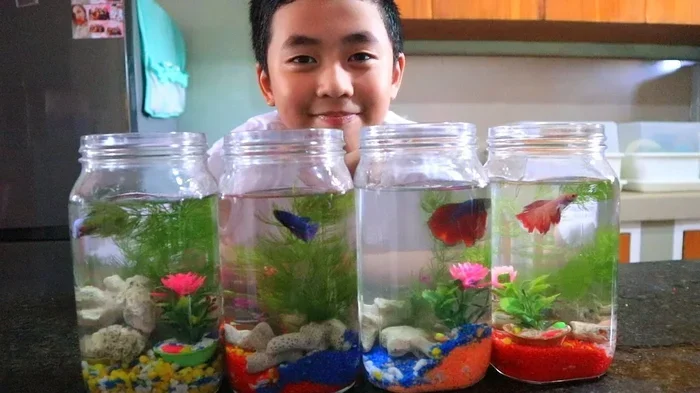
Learning how to make a betta fish tank at home is easier than you think. This guide walks you through every step, from picking the right tank size to cycling your water and adding the perfect decorations. You will find practical tips, a clear supplies checklist, and expert advice to keep your betta fish happy and healthy.
Setting up a betta fish tank at home is one of the most rewarding DIY projects for fish lovers. Whether you are a complete beginner or a seasoned hobbyist, building the right habitat makes all the difference. A well-designed tank gives your betta fish space to swim, explore, and display its vibrant colors. This guide covers everything you need to know, from choosing the right tank size to cycling and decorating your aquarium.
Betta fish are often kept in small bowls, but that is not ideal. These beautiful creatures need clean, warm water and enough room to move around. By following the steps below, you will create a safe and comfortable home for your betta. Let us dive into the details and help you build the perfect aquarium setup.
Key Takeaways
- Choose the right tank size: A minimum of 5 gallons gives your betta fish room to thrive and stay active.
- Gather essential supplies first: You need a filter, heater, thermometer, water conditioner, and substrate before you start.
- Cycling your tank is critical: Cycling a betta tank without fish or with fish prevents harmful ammonia and nitrite buildup.
- Decorations matter for well-being: Plants, caves, and soft substrates reduce stress and mimic a natural habitat.
- Avoid common mistakes: Overfeeding, skipping water changes, and using tiny bowls are the top errors new owners make.
- Maintenance keeps the tank healthy: Regular cleaning and water testing ensure long-term betta fish health.
📑 Table of Contents
- Why You Need a Proper Betta Fish Tank
- Essential Supplies for Your DIY Betta Tank
- Step-by-Step Guide to Setting Up Your Betta Tank
- How to Cycle Your Betta Fish Tank
- Decorating Your Betta Tank for Comfort and Beauty
- Common Mistakes to Avoid When Building a Betta Tank
- Maintaining Your Betta Fish Tank Long-Term
- Conclusion
Why You Need a Proper Betta Fish Tank
Many people wonder if a betta fish can live in a tiny cup or bowl. The truth is, bettas need a proper tank to stay healthy. In the wild, bettas live in warm, slow-moving waters with plenty of plants and hiding spots. Replicating that environment at home gives your fish a much better quality of life.
A well-sized tank also makes maintenance easier. Small bowls spike in ammonia quickly, which can make your betta fish sick. A larger tank dilutes waste and keeps water parameters stable. This means fewer water changes and less stress for both you and your fish.
Betta Fish Tank Size Matters
The minimum recommended tank size for a single betta fish is 5 gallons. A 10-gallon tank is even better because it provides more swimming space and stabilizes water conditions faster. Tanks smaller than 5 gallons are harder to maintain and can shorten your betta’s lifespan.
Here is a quick look at tank size options and their benefits:
- 3-gallon tank: Only suitable for temporary setups or quarantine. Not recommended for long-term housing.
- 5-gallon tank: The minimum size for a healthy, happy betta fish. Easy to manage and maintain.
- 10-gallon tank: Ideal for a single betta or a small community tank with peaceful tank mates.
- 20-gallon tank: Great for experienced keepers who want a more elaborate aquascape.
When you set up a fish tank for betta fish, always go bigger if you can. More water means more stability and a healthier environment for your betta.
Essential Supplies for Your DIY Betta Tank
Before you start building your betta fish tank at home, gather all the necessary supplies. Having everything ready prevents delays and ensures a smooth setup process. Here is a checklist of what you will need.
Core Equipment
- Tank (5 gallons or larger): Glass or acrylic tanks both work well. Choose one with a secure lid to prevent jumping.
- Filter: A gentle sponge filter or hang-on-back filter keeps water clean without creating too much current. Bettas prefer slow-moving water.
- Heater: Bettas need warm water between 76°F and 82°F. A small adjustable aquarium heater is essential.
- Thermometer: A stick-on or digital thermometer helps you monitor the water temperature daily.
- Substrate: Fine gravel or sand works well. Avoid rough substrates that can damage your betta’s delicate fins.
Water and Treatment Supplies
- Water conditioner: This removes chlorine and chloramines from tap water. Always treat new water before adding it to the tank.
- Water test kit: An API freshwater master test kit helps you monitor ammonia, nitrite, nitrate, and pH levels.
- Net and siphon: A small fish net for handling and a gravel siphon for water changes are must-haves.
If you want to learn more about preparing the right water for your betta, check out our guide on how to make water for betta fish. It covers water parameters and treatment methods in detail.
Step-by-Step Guide to Setting Up Your Betta Tank
Now that you have your supplies, it is time to set up the tank. Follow these steps in order for the best results.
Step 1: Choose the Right Location
Place your betta tank on a sturdy, level surface away from direct sunlight and drafts. Sunlight can cause algae to grow out of control, and cold drafts can lower the water temperature. A quiet spot in your living room or bedroom works perfectly.
Step 2: Rinse and Add Substrate
Rinse your substrate thoroughly with clean water to remove dust and debris. Spread it evenly across the bottom of the tank. A layer of about 1 to 2 inches is ideal for planting live plants later.
Step 3: Fill the Tank with Water
Fill the tank slowly with room-temperature water. Use a plate or plastic bag to disperse the water flow and avoid disturbing the substrate. Add your water conditioner according to the product instructions.
For a detailed walkthrough on preparing water safely, you can also read how to make water for betta fish. It offers extra tips on achieving the right water quality.
Step 4: Install the Filter and Heater
Attach your filter to the back or side of the tank. Adjust the flow rate to a gentle level so your betta is not pushed around. Place the heater near the filter output for even heat distribution. Set the temperature to 78°F, which is the sweet spot for most bettas.
Step 5: Let the Tank Run and Cycle
Before adding any fish, let the tank run for at least 24 hours. This allows the heater and filter to stabilize the water. The most important part of this process is cycling the tank, which we will cover in the next section.
For a complete walkthrough of the entire setup process, visit our guide on how to set up a fish tank for betta fish. It provides visual and detailed instructions for beginners.
How to Cycle Your Betta Fish Tank
Cycling your tank is the process of building beneficial bacteria that convert harmful ammonia into less toxic nitrite and then nitrate. This is the single most important step in creating a healthy aquarium. Skipping the cycle can lead to fish loss and ongoing water quality problems.
What Is the Nitrogen Cycle?
Fish waste and uneaten food produce ammonia, which is toxic to bettas. In a cycled tank, beneficial bacteria break ammonia down into nitrite and then nitrate. Nitrate is much less harmful and can be removed through regular water changes.
Methods for Cycling a Betta Tank
There are two main ways to cycle a betta tank. The first is to cycle without fish, which is the safest method. The second is to cycle with fish, which is riskier but sometimes necessary.
- Cycling without fish: Add a source of ammonia (like fish food or pure ammonia drops) and let beneficial bacteria grow over 4 to 6 weeks. Test the water regularly until ammonia and nitrite read zero.
- Cycling with fish: This method requires daily water testing and frequent partial water changes. It places stress on the fish and is not recommended for beginners.
If you want a deeper understanding of the cycling process, our article on how to cycle a betta fish tank explains everything step by step. It covers testing schedules, bacteria starters, and common cycling mistakes.
Signs Your Tank Is Fully Cycled
A fully cycled tank will show zero ammonia, zero nitrite, and some nitrate (below 20 ppm). Once you reach these numbers consistently, your tank is ready for fish. Do not rush this process. Patience during cycling saves lives later.
Decorating Your Betta Tank for Comfort and Beauty
Decorations are not just for looks. They play a big role in your betta fish’s mental health and comfort. A well-decorated tank gives your betta places to hide, explore, and rest. It also reduces stress, which leads to a happier, healthier fish.
Best Decorations for Betta Fish
- Live plants: Plants like java fern, anubias, and amazon sword provide natural hiding spots and improve water quality. They also give your betta something to explore and rest on.
- Caves and shelters: Betta fish love having a cozy place to retreat. Ceramic caves, coconut shells, andPVC hides work great.
- Soft substrate: Fine sand or smooth gravel protects your betta’s fins and looks natural in the tank.
- Driftwood and rocks: These add a natural feel and create interesting aquascape layouts.
For more decoration ideas and inspiration, check out our guide on how to decorate your betta fish tank. It covers theme ideas, plant arrangements, and budget-friendly options.
Creating a Natural-Looking Habitat
Try to mimic the betta’s natural environment in Southeast Asia. Use warm-toned substrates, driftwood, and lush greenery. Add open swimming areas as well as dense plant zones. This balance gives your betta both space to swim and places to hide.
Avoid sharp decorations or rough surfaces that could tear your betta’s long fins. Also, make sure any caves or tunnels are large enough for your fish to turn around comfortably. A stressed betta is a sick betta, so comfort should always come first.
Common Mistakes to Avoid When Building a Betta Tank
Even with the best intentions, new betta owners often make mistakes that harm their fish. Learning from these errors saves you time, money, and heartbreak.
Mistake 1: Using Too Small a Tank
Betta fish sold in pet stores are often kept in tiny cups. This does not mean they should live in cups at home. A tank smaller than 5 gallons creates unstable water conditions that can make your betta sick quickly.
Mistake 2: Skipping the Tank Cycle
Adding a betta to an uncycled tank is one of the fastest ways to lose a fish. Ammonia and nitrite levels spike rapidly in new tanks, and bettas are very sensitive to these toxins. Always cycle your tank fully before introducing your fish.
Mistake 3: Overfeeding
Betta fish have small stomachs and do not need much food. Overfeeding leads to obesity, poor water quality, and bloating. Feed small amounts twice a day and remove any uneaten food after a few minutes.
Mistake 4: Ignoring Water Changes
Even a fully cycled tank needs regular water changes. Plan to do a 25% water change every week or a 50% change every two weeks. This keeps nitrate levels low and maintains a healthy environment for your betta.
For more tips on keeping your betta fish in top shape, visit our article on how to make your betta fish stronger. It covers nutrition, exercise, and environment tips that boost your fish’s vitality.
Maintaining Your Betta Fish Tank Long-Term
Setting up the tank is only half the battle. Regular maintenance keeps your betta fish healthy for years. A consistent routine makes the process quick and easy.
- Weekly water changes: Replace 25% of the tank water with treated, temperature-matched water.
- Monthly filter maintenance: Rinse your filter media in old tank water (never tap water) to preserve beneficial bacteria.
- Daily temperature checks: Make sure the heater is working and the temperature stays between 76°F and 82°F.
- Observe your fish: Watch for signs of illness like faded colors, clamped fins, or loss of appetite. Early detection saves lives.
- Test water monthly: Use your test kit to check ammonia, nitrite, nitrate, and pH levels.
Keeping a betta fish tank at home is a rewarding responsibility. With the right setup and a little routine care, your betta will thrive and bring you joy for years to come.
Conclusion
Learning how to make a betta fish tank at home gives you the skills to create a beautiful and healthy habitat for your fish. From choosing the right tank size to cycling, decorating, and maintaining the aquarium, every step matters. A well-planned setup reduces stress, prevents disease, and lets your betta fish show off its stunning colors.
Start small if you need to, but always aim for at least a 5-gallon tank. Follow the cycling process carefully, keep up with regular water changes, and decorate with your betta’s comfort in mind. With patience and consistency, you will have a thriving aquarium that you can be proud of. Your betta fish will thank you with vibrant colors and active, joyful behavior every single day.
Frequently Asked Questions
What size tank do I need for a betta fish?
A 5-gallon tank is the minimum recommended size for a single betta fish. A 10-gallon tank is even better because it provides more swimming space and stabilizes water conditions faster. Avoid tanks smaller than 5 gallons, as they are harder to maintain and can harm your fish’s health.
Do betta fish need a filter in their tank?
Yes, betta fish need a filter to keep the water clean and free of harmful toxins. Choose a gentle filter like a sponge filter that does not create strong currents. Bettas are slow swimmers and prefer calm water that is easy to move around in.
How long does it take to cycle a betta fish tank?
Cycling a betta tank typically takes 4 to 6 weeks. During this time, beneficial bacteria grow and establish the nitrogen cycle. Test the water regularly and wait until ammonia and nitrite levels read zero before adding your betta fish to the tank.
Can I keep plants in my betta fish tank?
Absolutely. Live plants like java fern, anubias, and amazon sword are excellent for betta tanks. They improve water quality, provide hiding spots, and create a natural, beautiful environment. Plants also give your betta something to explore and rest on, which reduces stress.
How often should I clean my betta fish tank?
Perform a 25% water change every week or a 50% change every two weeks. Clean the glass, remove uneaten food, and check the filter monthly. Regular maintenance keeps ammonia and nitrate levels low and ensures a healthy home for your betta fish.
What water temperature is best for betta fish?
Betta fish thrive in water temperatures between 76°F and 82°F. Use an adjustable aquarium heater and a thermometer to maintain a stable temperature. Sudden temperature drops can stress your betta and make it susceptible to illness.