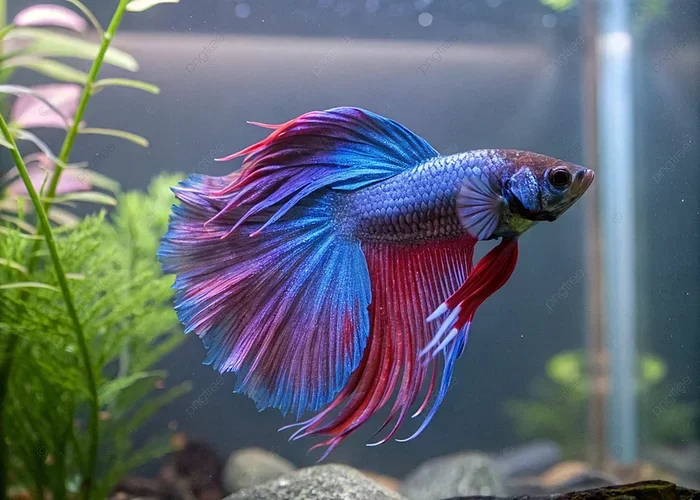
How to Make Betta Fish Tails Grow Back
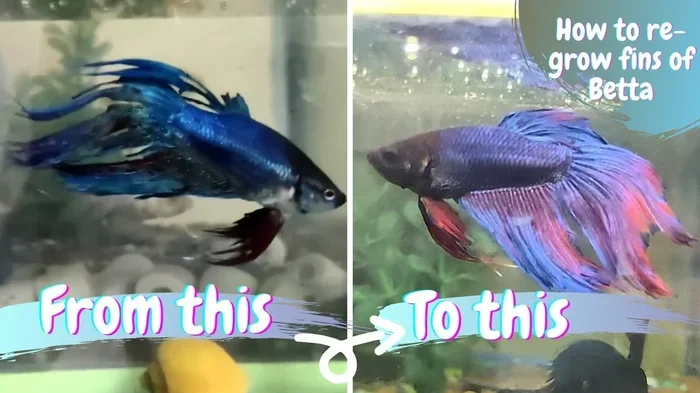
Betta fish tails can grow back if you address the root cause and provide the right care. Healing depends on water quality, diet, stress reduction, and timely treatment. This guide covers every step to help your betta regrow healthy, vibrant fins.
Watching your betta fish lose its beautiful tail can be heartbreaking. Those flowing, colorful fins are what make bettas so stunning. But here is the good news. Betta fish tails can grow back in many cases. With the right approach, you can help your fish regenerate damaged fins and tails. This guide walks you through everything you need to know.
Many fish owners feel helpless when they first notice fin damage. Maybe your betta’s tail looks ragged. Perhaps the edges are turning white or translucent. These are common signs of fin rot, physical injury, or stress. The important thing is this. You can take action right now to support healing.
Understanding why tails and fins get damaged is the first step. Once you know the cause, you can fix the problem and start the recovery process. Let us dive into the details of how to make betta fish tails grow back.
Key Takeaways
- Tail regrowth is possible: Betta fish can regrow tails and fins when given proper care and a clean environment.
- Water quality is critical: Clean, warm, and stable water speeds up healing and prevents further damage.
- Diet matters for recovery: Nutrient-rich food boosts the immune system and supports tissue regeneration.
- Stress reduction accelerates healing: A calm, safe tank environment helps bettas focus energy on fin regrowth.
- Treatment timing is key: Catching fin damage early leads to much better outcomes.
- Patience is essential: Fin regrowth takes weeks to months depending on severity.
📑 Table of Contents
Why Do Betta Fish Tails Get Damaged
Before you can fix the problem, you need to understand what caused it. Betta fish tails and fins are delicate. They can be damaged by several factors. Identifying the root cause helps you choose the right treatment.
Fin Rot: The Most Common Culprit
Fin rot is a bacterial or fungal infection that eats away at the fins and tail. It usually starts at the edges. The fins look ragged, frayed, or discolored. In mild cases, the edges turn white or brown. In severe cases, the damage spreads toward the body. Fin rot thrives in dirty water with high ammonia or nitrite levels.
Physical Injury
Betta fish can hurt their tails in other ways too. Sharp decorations in the tank can tear fins. Strong filter currents can cause wear and tear. Even chasing other fish can lead to damage. Some bettas nip at their own fins out of boredom or stress. This is called self-injury and it needs immediate attention.
Poor Water Conditions
Dirty water is the number one enemy of betta fish. When ammonia and nitrite levels rise, the fins and tail start to deteriorate. Poor water quality weakens the immune system. This makes your fish vulnerable to infections. Over time, the damage gets worse and healing slows down dramatically.
How to Make Betta Fish Tails Grow Back
Now that you know the causes, let us look at the solutions. Betta fish tail regrowth is absolutely possible. The key is to act quickly and consistently. Here is a step-by-step approach to help your betta recover.
Step 1: Improve Water Quality Immediately
The single most important thing you can do is clean the water. Fresh, clean water gives your betta the best chance to heal. Start with a partial water change of 25 to 50 percent. Use water that is free of chlorine and chloramine. Always use a water conditioner to neutralize harmful chemicals.
Test your water parameters regularly. The ideal temperature for bettas is between 78 and 80 degrees Fahrenheit. Keep the pH between 6.5 and 7.5. Ammonia and nitrite should always read zero. Nitrate should stay below 20 ppm. Clean water reduces stress and supports tissue repair.
If you are unsure how to prepare the right water, check out our guide on how to make water for betta fish. It covers water preparation in detail.
Step 2: Treat Fin Rot and Infections
If your betta shows signs of fin rot, you need to treat it. Mild cases often respond well to simple water changes and improved tank maintenance. For moderate to severe cases, consider using medications.
Popular treatment options include:
- Indian Almond Leaves: These release natural compounds that fight bacteria and fungi. They also soften the water, which bettas love.
- Melafix or Pimafix: These are natural aquarium medications that promote healing. They are gentle and safe for most fish.
- Tetracycline: A common antibiotic for treating bacterial fin rot. Use it exactly as directed on the label.
- Salt baths: A mild salt bath can help fight fungal infections and reduce inflammation. Learn more about salt baths in our how to salt bath betta fish guide.
Always isolate your betta in a hospital tank if you are treating it with medication. This protects other fish and lets you control the dosage more easily.
Step 3: Feed a Nutrient-Rich Diet
What your betta eats directly affects how fast its fins heal. A healthy, balanced diet boosts the immune system and provides the building blocks for tissue regeneration. Feed high-quality betta pellets as the staple food. Look for pellets that list fish meal or whole ingredients near the top.
Supplement their diet with frozen or live foods. Bloodworms, brine shrimp, and daphnia are excellent choices. These foods are packed with protein and nutrients that support healing. You can also try making homemade betta food. Visit our how to make betta fish food at home guide for easy recipes.
Feed small amounts 2 to 3 times a day. Remove any uneaten food within five minutes. Overfeeding dirty the water and can cause more problems than it solves.
Step 4: Reduce Stress in the Tank
Stress is a silent killer for betta fish. When a fish is stressed, it diverts energy away from healing. A stressed betta may also develop fin-nipping behavior or stop eating altogether. Reducing stress is essential for tail regrowth.
Here is how to create a stress-free environment:
- Keep the tank at least 5 gallons. Small tanks cause stress and fluctuate water parameters quickly.
- Add gentle plants and hiding spots. Live or silk plants give your betta places to rest and feel safe.
- Avoid bright or flickering lights. Use soft, dim lighting that mimics their natural habitat.
- Keep the tank in a quiet location. Avoid placing it near speakers or high-traffic areas.
- Do not house bettas with aggressive tank mates. Fin nippers and bullies will make the problem worse.
If your betta is already stressed from fin damage, you can learn more about helping it recover in our article on how to make your betta fish healthy again. It covers stress management and recovery in depth.
Step 5: Support Healing with Tank Additions
A few simple additions to the tank can speed up the healing process. Indian almond leaves are one of the best natural remedies. They release tannins that have antibacterial and antifungal properties. Many experienced betta keepers swear by them.
You can also add a gentle sponge filter to keep the water clean without creating strong currents. Bettas are not strong swimmers. A powerful filter can exhaust them and slow recovery. Keep the water flow gentle and calm.
Some owners also use aquarium salt at a low dose (1 teaspoon per gallon) to support fin healing. Salt helps reduce inflammation and creates a slightly hostile environment for bacteria. Just be sure to use aquarium salt, not table salt.
How Long Does It Take for Betta Fish Tails to Grow Back
Patience is crucial when waiting for fin regrowth. The timeline depends on several factors. The severity of the damage, the age of your fish, and the quality of care all play a role.
For minor fin nips and tears, you may see new growth within 2 to 4 weeks. The fins will look translucent at first. This is completely normal. The new tissue gradually hardens and develops color over the following weeks.
For moderate fin rot or significant tail damage, regrowth can take 1 to 3 months. Severe cases where the tail has been almost completely lost may take even longer. In some rare situations, the tail may not grow back fully. But with consistent care, most bettas show significant improvement.
To give your betta the best chance at a full recovery, follow all the steps above. Clean water, good food, low stress, and proper treatment make a huge difference.
Common Mistakes to Avoid
Even well-meaning fish owners can slow down the healing process. Here are mistakes to avoid at all costs.
- Do not skip water changes: Dirty water is the enemy of healing. Stick to a regular water change schedule.
- Do not overmedicate: Too much medication can harm your betta more than help it. Follow dosage instructions carefully.
- Do not ignore early warning signs: Catching fin damage early leads to much faster and better regrowth.
- Do not move the tank around: Sudden changes in environment cause stress and delay recovery.
- Do not feed junk food: Low-quality flakes or processed food lacks the nutrients needed for healing.
When to See a Vet or Seek Professional Help
Most fin damage can be treated at home. However, there are times when professional help is necessary. If the damage spreads rapidly toward the body, seek advice immediately. If your betta stops eating for more than three days, that is a red flag. Also, if you notice unusual swelling, open sores, or a foul smell coming from the tank, consult a fish veterinarian.
Early intervention is always better than waiting too long. A professional can identify the exact cause of the damage and recommend targeted treatment. Do not hesitate to reach out if you are unsure about anything.
Preventing Future Tail Damage
Once your betta’s tail has grown back, you want to keep it healthy. Prevention is always better than cure. Here is how to protect your betta’s fins going forward.
- Maintain clean water: Test parameters weekly and perform regular water changes.
- Use a gentle filter: Sponge filters work great for betta tanks.
- Choose safe decorations: Avoid sharp plastic plants or rough gravel. Use silk plants and smooth substrates.
- Quarantine new fish: New additions can introduce diseases. Always quarantine them for two weeks before adding them to the main tank.
- Keep the tank enriched: Provide mental stimulation with plants, caves, and gentle current areas.
Taking these simple steps goes a long way in keeping your betta’s tail and fins healthy for years to come.
Final Thoughts
Helping your betta fish tails grow back is absolutely achievable with the right approach. Focus on clean water, proper nutrition, stress reduction, and timely treatment. Be patient and consistent. Your betta will thank you with beautiful, flowing fins once again. Start implementing these steps today and watch your fish recover. The journey to healing begins with the first water change you make.
Frequently Asked Questions
Can betta fish tails grow back completely?
Yes, in most cases betta fish tails can grow back completely. The regrowth depends on the severity of the damage, water quality, and overall care. Mild to moderate damage usually heals fully within weeks to months. Severe damage may take longer and sometimes regrowth is partial.
What causes betta fish tails to rot?
Fin rot is usually caused by bacterial or fungal infections. Poor water quality, high ammonia levels, and stress are the main triggers. Physical injuries from sharp decorations or aggressive tank mates can also lead to tail damage. Catching the problem early makes treatment much easier.
How can I speed up my betta fish tail regrowth?
You can speed up tail regrowth by keeping the water clean and warm, feeding a nutrient-rich diet, and reducing stress. Adding Indian almond leaves or using mild medications can also help. Consistent care and a stable tank environment are the fastest paths to healing.
Is aquarium salt safe for betta fish during tail healing?
Yes, aquarium salt is generally safe for bettas at low doses. Use 1 teaspoon per gallon for short-term treatments. Always use aquarium salt, not table salt or sea salt. Monitor your fish closely and remove salt during water changes to avoid buildup.
How can I tell if my betta’s tail is healing?
Signs of healing include new translucent growth at the fin edges, reduced redness or inflammation, and the fish returning to normal eating habits. The new tissue will gradually harden and develop color over several weeks. Regular water testing and observation help you track progress.
Should I separate my betta during tail recovery?
Yes, separating your betta in a hospital tank is highly recommended. It reduces stress, prevents bullying from tank mates, and makes medication dosing easier. Keep the hospital tank clean, warm, and free of sharp decorations. Return your betta to the main tank once the tail has fully healed.