How to Make Betta Fish Stop Flaring in Bowl
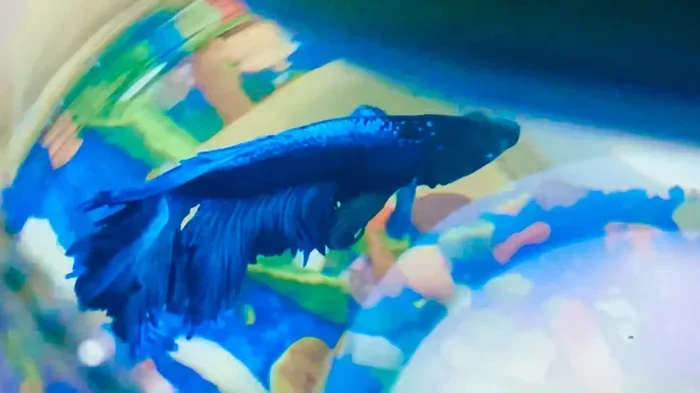
Making your betta fish stop flaring in a bowl is easier than you think. Flaring happens when your fish feels threatened or stressed by its surroundings. By adjusting the bowl setup, reducing reflections, and improving water quality, you can calm your betta down fast. This guide covers simple, proven methods to keep your betta relaxed and happy in its bowl.
There is nothing more frustrating than watching your betta fish flare up every time you walk past the bowl. You set up a nice little home for your fish, and yet it seems to be in a constant state of alert. The good news is that you can take simple steps to help your betta feel safe and make betta fish stop flaring in bowl setups. This guide walks you through everything you need to know, from understanding why bettas flare to making practical changes that work fast.
Flaring is a natural behavior for bettas. In the wild, they use it to defend territory and communicate. But in a small bowl, flaring can become a daily problem that stresses your fish out. Constant flaring wears your betta down over time. It can lead to health issues, loss of appetite, and a shorter lifespan. The goal is not to stop all flaring forever. It is to reduce unnecessary flaring that comes from an uncomfortable environment. Once you make the right adjustments, you will see a big difference in your fish’s behavior.
Let us dive into the details of why bettas flare and how you can fix it step by step.
Key Takeaways
- Reduce Reflections: Move the bowl away from mirrors and bright lights to stop triggering your betta’s territorial instincts.
- Improve Water Quality: Clean water reduces stress and helps your betta stay calm and healthy.
- Add Plants and Decorations: Breaking up sight lines with plants gives your betta places to hide and feel secure.
- Limit External Stimuli: Keep the bowl away from high-traffic areas and sudden movements that startle your fish.
- Maintain a Consistent Routine: Regular feeding and water changes help your betta feel safe and reduce flaring behavior.
📑 Table of Contents
Why Do Betta Fish Flare in Bowls?
Before you can fix the problem, you need to understand what is causing it. Flaring is your betta’s way of responding to something it sees as a threat. In a bowl, there are not many options for your fish to escape or hide. This makes every perceived threat feel much bigger. Understanding the root causes helps you target the right solutions for betta fish stop flaring in bowl challenges.
What Does Flaring Look Like?
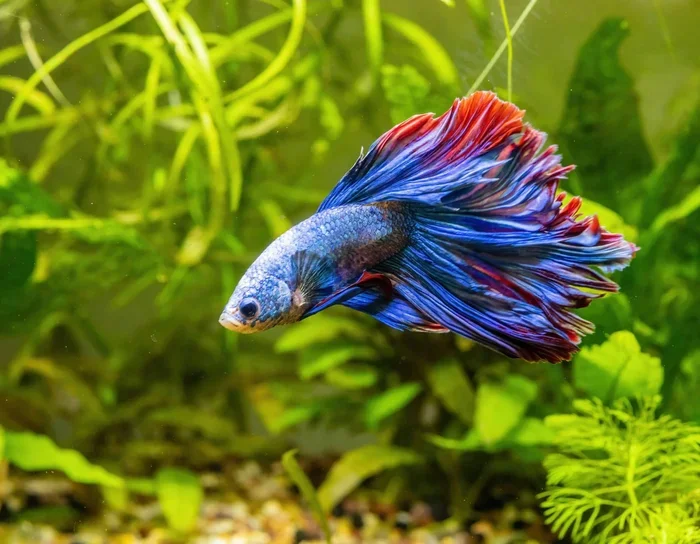
When a betta flares, it spreads its gills wide and flares its fins out. The fish makes itself look as big as possible. This is a display of dominance and a defense mechanism. You might see your betta do this when it sees its own reflection, when you walk by, or when another fish is nearby. Occasional flaring is normal. But daily or constant flaring is a sign that something in the environment needs to change.
The Science Behind Why Bettas Flare
Bettas are territorial fish by nature. They were bred for centuries in Southeast Asia to be aggressive toward other males. In a bowl, your betta has a very limited territory. It cannot swim away from things that bother it. This means every mirror, bright light, or even your shadow can trigger a flaring response. Over time, this constant stress takes a toll on the fish’s body and mind. Research on betta fish behavior shows that prolonged stress weakens the immune system and makes fish more prone to disease.
Understanding this helps you see why making betta fish stop flaring in bowl setups is so important. You are not just stopping a behavior. You are protecting your fish’s overall health and well-being. A calm betta is a healthy betta, and reducing unnecessary flaring is one of the best things you can do for your fish’s long-term betta fish health.
How to Make Betta Fish Stop Flaring in Bowl Setups
The most effective approach to stopping flaring involves several small changes that add up to a big difference. You do not need to overhaul your entire setup overnight. Start with one or two changes and build from there. Each step brings your betta closer to a calm and comfortable life in its betta bowl.
Reduce Reflections and Visual Triggers
The number one reason bettas flare in bowls is because they see their own reflection. Glass acts like a mirror, especially when there is bright light behind the fish. Your betta thinks there is another betta invading its space. To fix this, try these simple steps:
- Move the bowl away from windows where sunlight creates glare
- Place a background on the outside of the bowl to reduce see-through reflections
- Use a matte or dark-colored wall behind the bowl
- Avoid placing the bowl near TVs or shiny surfaces
- Dim the room lighting during evening hours
These small changes can dramatically reduce flaring. Many betta owners report that their fish calm down within days of adjusting the bowl placement. If you want more ideas on how to arrange your setup, check out this guide on how to decorate a betta fish bowl for tips on creating a visually soothing environment that minimizes territorial triggers.
Improve Water Quality and Conditions
Dirty or unstable water is a major source of stress for betta fish. When water quality drops, your fish becomes irritable and more likely to flare. Keeping the water clean and stable helps your betta feel secure. Here is what you should focus on:
- Change 25 to 30 percent of the water every week
- Use a water conditioner to remove chlorine and chloramine
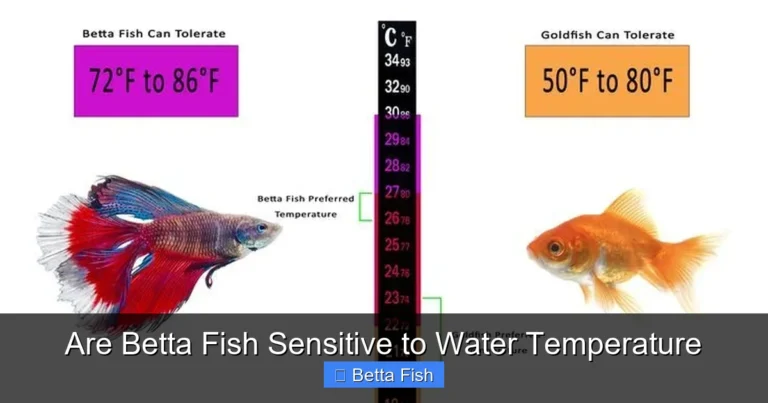
- Keep the temperature between 76 and 82 degrees Fahrenheit
- Test for ammonia, nitrite, and nitrate levels regularly
- Avoid overfeeding, which fouls the water quickly
Clean water does wonders for betta behavior. When your fish is comfortable in its environment, it has less reason to feel threatened. For a detailed guide on maintaining clean water, see this article on how to change water in betta fish bowl setups for practical step-by-step instructions.
Add Plants and Natural Cover
Bettas feel safer when they have places to hide and explore. Adding plants and decorations breaks up open sight lines and gives your fish a sense of territory that feels secure. Live plants are best, but silk plants work well too. Here are some great options:
- Java moss, which is easy to grow and soft on fins
- Anubias plants, which thrive in low-light bowl setups
- Silk plants with wide leaves for resting spots
- Caves or small clay pots turned upside down as hiding spots
- Driftwood pieces that create natural visual barriers
Plants do more than just look nice. They absorb nitrates, produce oxygen, and give your betta places to retreat when it feels overwhelmed. For step-by-step instructions on setting up a planted bowl, check out this guide on how to setup a betta fish bowl with a plant for beginners looking to reduce territorial stress.
Adding cover also helps with the how to make betta fish stop flaring in bowl challenge because your fish feels less exposed. When a betta has places to retreat, it does not need to constantly defend its entire bowl as territory. This simple change can transform your fish’s mood and behavior.
Creating a Calm Environment for Your Betta
The environment around the bowl matters just as much as the bowl itself. Betta fish are sensitive to movement, noise, and changes in light. Creating a calm zone around the bowl goes a long way toward reducing flaring and promoting betta fish relaxation.
Placement Matters More Than You Think
Where you put the bowl sets the stage for everything. A bowl placed in a busy hallway or near a door will keep your betta on high alert all day. Every time someone walks by, the fish flares. Here are some placement tips:
- Choose a quiet corner of a room with moderate foot traffic
- Keep the bowl away from doors that slam or open frequently
- Avoid placing the bowl near speakers or loud appliances
- Elevate the bowl slightly so your betta can observe without feeling trapped
- Make sure the bowl is not in direct path of air conditioning or heating vents
Think of it this way. You would not want to sleep next to a busy highway. Your betta feels the same way about its bowl location. A calm spot helps your fish relax and stops unnecessary flaring episodes throughout the day.
Limit External Stimuli
Sometimes the simplest changes make the biggest difference. Reducing stimuli around the bowl can calm a flaring betta quickly. Try not to tap on the glass or shine flashlights into the bowl. Avoid moving the bowl around frequently. Bettas are creatures of habit and sudden changes can trigger stress responses. If you have young children or pets, try to place the bowl where they cannot constantly bother it.
For more tips on keeping your betta relaxed and happy, read this guide on how to make your betta fish happy. It covers practical daily habits that promote a calm and healthy fish with minimal territorial aggression.
Daily Habits That Reduce Flaring
Consistency is key when it comes to betta behavior. A predictable routine helps your fish feel safe. When your betta knows what to expect, it spends less energy being on guard and more time just being a fish. These daily habits support long-term betta fish comfort and reduce the urge to flare.
Feeding Routines That Help
Feeding time can actually trigger flaring if you are not careful. Some bettas flare at the sight of food because they associate the hand or the light with feeding time excitement. To keep things calm during meals:
- Feed at the same time every day
- Use a small pinch of high-quality pellets or frozen food
- Drop food gently near the fish instead of dropping it from high up
- Do not overfeed. Remove any uneaten food after two minutes
- Skip one feeding day per week to mimic natural eating patterns
A calm feeding routine reduces excitement and stress. Over time, your betta will learn that mealtime is safe and predictable. This is a simple but powerful way to support reduce betta stress and keep flaring to a minimum.
Cleaning Schedules That Keep Stress Low
Water changes are essential, but how you do them matters. Sudden changes in water temperature or chemistry can shock your betta and trigger flaring. Follow these tips for stress-free cleaning:
- Always use water that matches the bowl temperature
- Add conditioner to new water before pouring it in
- Clean the bowl gently without disturbing decorations too much
- Do a partial water change rather than a full bowl clean
- Keep the bowl in the same spot while cleaning around it
For a complete guide on bowl maintenance, visit this article on how to maintain a betta fish bowl for detailed step-by-step instructions that keep your fish stress-free during cleaning routines.
When Flaring Becomes a Problem
Not all flaring is bad. Occasional flaring is normal and even healthy for a betta. But when flaring becomes constant or aggressive, it is time to take action. Chronic flaring can lead to serious health problems and a lower quality of life for your fish. Knowing the difference between normal and problematic flaring is essential for every betta owner.
Signs of Chronic Stress in Betta Fish
Watch for these warning signs that your betta is stressed beyond normal flaring:
- Loss of appetite or refusing food regularly
- Faded or dull colors instead of vibrant hues
- Clamped fins held close to the body
- Hiding constantly and not exploring the bowl
- Rapid breathing or gasping at the surface
- Lethargy and lack of interest in movement
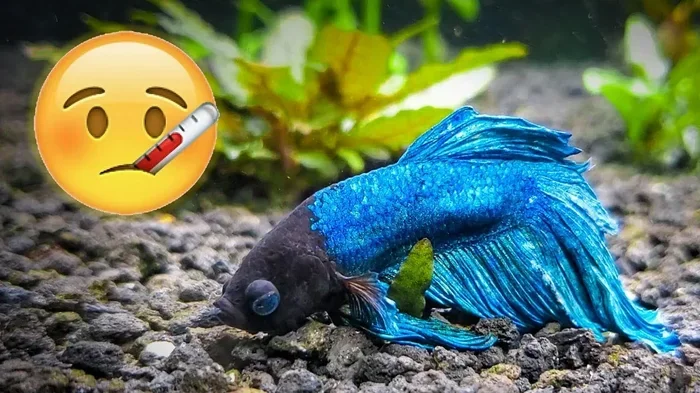
If you notice several of these signs, your betta is likely experiencing chronic stress from constant flaring triggers. Addressing the environment is the first and most important step toward helping your fish recover. Sometimes the issue is not just behavioral but relates to underlying betta fish health problems that need attention.
Health Issues That Can Cause Flaring
Sometimes flaring is not just about the environment. Certain health issues can make a betta more irritable and prone to flaring. Fin rot, swim bladder disease, and internal parasites can all cause discomfort that shows up as aggressive behavior. If you have already adjusted the bowl setup and your betta is still flaring excessively, consider checking for health problems. A quarantine period and a closer look at the fish’s body condition can reveal a lot.
For help identifying and treating common health issues, check out this guide on how to make your betta fish healthy again. It covers practical steps to restore your fish’s health and reduce stress-related behaviors like excessive flaring.
Long-Term Strategies for a Flare-Free Bowl
Stopping flaring is not a one-time fix. It is an ongoing process of creating the best possible home for your betta. Here are some long-term strategies that will keep your fish calm and healthy for years to come.
First, invest in a proper bowl setup from the start. A bowl that is at least 5 gallons gives your betta more room to swim and establish a comfortable territory. Second, keep the water parameters stable. Fluctuations in pH, temperature, and ammonia levels are major stressors. Third, enrich the environment regularly. Rotate decorations, add new plants, or rearrange the setup occasionally to keep things interesting without causing stress.
Finally, observe your betta every day. You know your fish better than anyone. If you notice changes in behavior, you can catch problems early and make adjustments before flaring becomes a bigger issue. The goal is a happy, healthy betta that flares only when it is truly necessary, not because its environment makes it feel constantly threatened.
Remember, a calm betta is a healthy betta. Every change you make to reduce unnecessary flaring adds to your fish’s quality of life. Start with the tips in this guide and build from there. Your betta will thank you with vibrant colors, active swimming, and a peaceful demeanor.
Making betta fish stop flaring in bowl setups is absolutely achievable with the right approach. You now have the knowledge and tools to create a calm, comfortable home for your fish. Start today and enjoy watching your betta thrive in a stress-free environment.
Frequently Asked Questions
Why does my betta fish flare at me?
Your betta may flare at you because it sees your reflection in the glass or perceives your movements as a threat. Bettas are territorial and will defend their space against anything they see as a rival. Moving slowly and avoiding tapping on the glass can help reduce this behavior over time.
Is flaring bad for betta fish?
Occasional flaring is completely normal and healthy. It is a natural behavior that bettas use to communicate and establish territory. However, constant or daily flaring caused by stress can weaken the immune system and lead to health problems. The goal is to minimize unnecessary flaring by improving the fish’s environment.
Can a small bowl cause more flaring than a large tank?
Yes, smaller bowls tend to cause more flaring because the fish has less space and fewer places to hide. In a small bowl, every reflection and movement feels more threatening. Moving to a larger bowl or tank with proper decorations can significantly reduce flaring behavior.
How long does it take for a betta to stop flaring?
Most bettas show improvement within one to two weeks after making environmental changes. Reducing reflections, improving water quality, and adding plants are the fastest ways to calm a flaring betta. Some fish may take longer depending on their individual temperament and history.
Do betta flares ever stop on their own?
Sometimes mild flaring decreases on its own as the betta gets used to its surroundings. However, if the triggers are still present, the flaring will continue. Making deliberate changes to the bowl setup is the most reliable way to stop persistent flaring for good.
What should I do if my betta flares constantly and stops eating?
Constant flaring combined with loss of appetite is a sign of serious stress. Check the water quality first and make sure parameters are stable. Then reduce visual triggers by adding a background or moving the bowl to a quieter spot. If the behavior continues, consult a veterinarian who specializes in fish health.