How to Make Betta Fish Lay Eggs
Learning how to make betta fish lay eggs requires the right water conditions, temperature, diet, and a stress-free environment. Both male and female bettas need proper care before and during the breeding process. This guide covers every step you need to create the perfect setup for successful betta fish breeding.
Learning how to make betta fish lay eggs is one of the most rewarding experiences for any fish keeper. Betta fish breeding requires patience, the right setup, and a good understanding of your fish’s needs. When you get the conditions just right, your bettas will naturally go through the spawning process.
This guide walks you through every step. From water preparation to feeding routines, you will find practical advice that actually works. Whether you are a beginner or have some experience, these tips will help you create the best environment for your betta fish to breed.
Betta fish breeding is not just about dropping a male and female together. It is about building trust, comfort, and health in your aquarium. Let us dive into the details and get your bettas ready to lay eggs.
Key Takeaways
- Water quality matters most: Clean, properly conditioned water is the foundation of successful betta fish breeding.
- Temperature triggers spawning: Keeping the tank warm enough encourages betta fish to lay eggs naturally.
- Diet plays a key role: Feeding high-quality food prepares both male and female bettas for breeding.
- A proper breeding setup reduces stress: The right tank environment makes betta fish feel safe enough to reproduce.
- Patience is essential: Forcing the process can harm your fish, so gradual preparation works best.
- Post-egg care is critical: Knowing what to do after betta fish lay eggs ensures the survival of the fry.
- Not all bettas will breed easily: Health, age, and compatibility all affect the breeding process.
📑 Table of Contents
- Understanding Betta Fish Breeding Basics
- Set Up the Perfect Breeding Tank
- Feed Your Betta Fish the Right Diet
- Introduce the Betta Fish for Breeding
- Common Mistakes That Stop Betta Fish from Laying Eggs
- What Happens After Betta Fish Lay Eggs
- Keep Your Betta Fish Healthy Throughout the Process
- Quick Tips for Successful Betta Fish Breeding
- Comparison: Ideal vs. Poor Breeding Conditions
- Expert Insights on Betta Fish Breeding
- Conclusion
Understanding Betta Fish Breeding Basics
Before you try anything, it helps to understand how betta fish reproduction works. Male and female bettas have different roles during the breeding process. Knowing these roles makes everything much easier.
How Betta Fish Reproduce
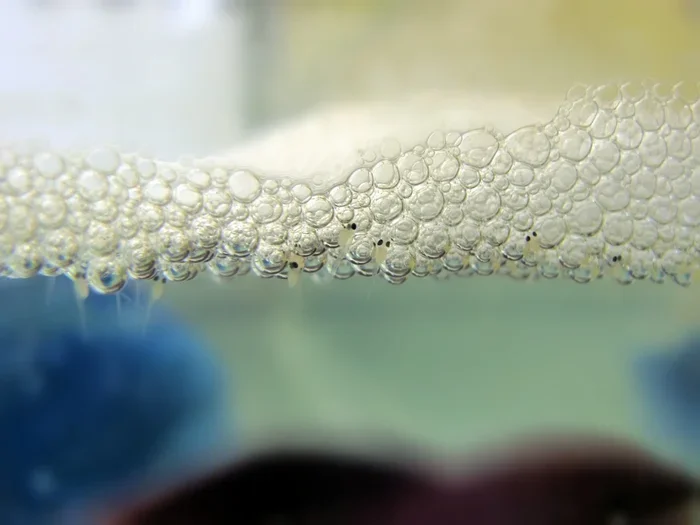
Betta fish are bubble nest builders. The male betta creates a nest at the surface of the water using saliva and bubbles. When the female is ready, she releases eggs, and the male fertilizes them. The male then collects the eggs and places them in the bubble nest.
This whole process is called spawning. It usually happens when conditions are just right. If anything is off, your betta fish may not feel comfortable enough to breed. That is why creating the perfect environment matters so much.
Signs Your Betta Fish Are Ready to Breed
Not every betta is ready to breed at the same time. Here are signs that your fish are prepared:
- The female betta has a visible white egg spot on her underside.
- The male betta builds a bubble nest regularly.
- Both fish show increased appetite and energy.
- The female’s belly looks slightly rounded and full.
- The male flares more often, showing he is active and healthy.
If you notice these signs, your bettas are in a good position to start breeding. But you still need to set the stage properly.
Set Up the Perfect Breeding Tank
The tank setup is one of the most important parts of making betta fish lay eggs. A bad environment will stop breeding before it even starts. You need a dedicated breeding tank that keeps your fish comfortable and safe.
Tank Size and Layout
A breeding tank should be at least 10 gallons. This gives both fish enough room without feeling crowded. Keep the water level low, around 5 to 6 inches deep. This makes it easier for the male to build and maintain his bubble nest.
Add some floating plants or a spawning mop. These give the female a place to hide and rest. The male also uses plants to help build his nest. Keep the tank simple, with a few decorations and plenty of open swimming space.
Water Conditions for Breeding
Clean water is non-negotiable when you want to make betta fish lay eggs. Poor water quality is the number one reason breeding fails. Follow these guidelines:
- Use a water conditioner to remove chlorine and heavy metals.
- Keep the pH between 6.5 and 7.0.
- Maintain water hardness around 3 to 5 dGH.
- Perform partial water changes every other day.
- Use a gentle sponge filter to keep the water clean without strong currents.
Always test your water before introducing the fish. Stable water parameters reduce stress and encourage natural breeding behavior.
Temperature: The Key Trigger
Warm water is essential for betta fish breeding. The ideal temperature range is 78 to 82 degrees Fahrenheit. This warmth mimics the natural breeding season in their native habitat.
Consider using a tank heater to keep the temperature steady. A consistent temperature signals to your betta fish that it is time to breed. Sudden temperature drops can stress the fish and stop the process entirely.
Feed Your Betta Fish the Right Diet
Diet plays a huge role in preparing bettas for breeding. A well-fed fish is a healthy fish, and healthy fish breed more successfully. You need to focus on high-protein foods that boost fertility.
Best Foods for Breeding Betta Fish
Feed both the male and female betta high-quality foods before introducing them. Here are the best options:
- Live or frozen brine shrimp — packed with protein and nutrients.
- Bloodworms — a favorite treat that boosts energy and health.
- Daphnia — acts as a natural laxative and improves digestion.
- High-quality betta pellets — the staple of a balanced diet.
- Mosquito larvae — a natural food source that encourages breeding behavior.
Feed the female betta extra protein for about two weeks before breeding. This helps her develop healthy eggs. The male also benefits from a rich diet that gives him the energy to build a strong bubble nest and care for the eggs.
Feeding Schedule During Breeding
Feed both fish twice a day in small amounts. Remove any uneaten food after five minutes. Overfeeding can dirty the water quickly, which harms the breeding environment. Keep the water clean and the food fresh for the best results.
Introduce the Betta Fish for Breeding
This is the most delicate part of the process. How you introduce the male and female betta can make or break the breeding attempt. Take your time and watch their behavior closely.
The Introduction Process
Start by placing the male and female in separate tanks side by side. This lets them see each other without direct contact. They will get used to each other’s presence and color up.
After a day or two, you can introduce the female into the male’s tank. Watch them closely for the first few hours. Some flaring is normal, but if the male chases the female nonstop, separate them immediately.
What to Expect During Spawning
When both fish are ready, the male will wrap his body around the female. She will release eggs, and he will fertilize them. This process can repeat several times over a few hours. The male will collect the eggs and place them in his bubble nest.
After spawning, remove the female carefully. The male will guard the eggs and the nest on his own. Keeping the female out of the tank after breeding is very important for egg survival.
Common Mistakes That Stop Betta Fish from Laying Eggs
Many people run into problems when trying to make betta fish lay eggs. Avoiding these common mistakes will save you time and frustration.
Skipping the Conditioning Phase
Rushing into breeding without proper preparation is the biggest mistake. Both fish need to be healthy and well-fed first. Skipping this step leads to weak eggs or no breeding at all.
Wrong Water Temperature
Cold water shuts down breeding behavior completely. If your tank is below 75 degrees Fahrenheit, your bettas will not feel ready to breed. Use a reliable heater and monitor the temperature daily.
Poor Water Quality
Dirty or chemically treated water stresses betta fish out. Stress is the enemy of breeding. Always use treated water and keep up with regular maintenance.
Forcing the Process
Never try to force your bettas to breed by changing conditions too quickly. Gradual changes work best. Patience leads to better outcomes and healthier fish.
What Happens After Betta Fish Lay Eggs
Once the eggs are in the bubble nest, the real work begins. The male betta takes over all parenting duties. Understanding this phase helps you support the process properly.
Caring for the Eggs
The male betta will guard the bubble nest and collect any eggs that fall. He will also repair the nest as needed. Do not disturb the tank during this time. Keep the lights dim and the environment calm.
The eggs typically hatch within 24 to 48 hours. The fry will stay in the nest for another day or two before becoming free-swimming.
Feeding the Fry
Once the fry are free-swimming, they need tiny food. Infusoria or commercially available fry food works well. As they grow, you can gradually introduce baby brine shrimp.
Remove the male once the fry are free-swimming. He may start eating the eggs or fry if left too long. For more detailed guidance on caring for the eggs after they hatch, check out our guide on how to hatch betta fish eggs.
Keep Your Betta Fish Healthy Throughout the Process
Breeding takes a toll on both male and female bettas. Keeping them healthy before, during, and after the process is essential. A strong fish breeds more successfully and recovers faster.
Boosting Betta Fish Health Before Breeding
Start with healthy fish. Make sure both the male and female are active, eating well, and showing bright colors. If either fish looks weak or stressed, give them time to recover before attempting breeding.
For tips on building up your fish’s overall strength, read our article on how to make your betta fish stronger. Strong fish handle the breeding process much better.
Reducing Stress in the Tank
Stress is one of the biggest barriers to breeding. Keep the tank in a quiet area of your home. Avoid sudden noises or vibrations near the aquarium. Maintain a consistent light schedule with 8 to 10 hours of light per day.
A happy fish is a breeding fish. For advice on keeping your betta comfortable and stress-free, visit our guide on how to make betta fish happy.
Quick Tips for Successful Betta Fish Breeding
- Always cycle the breeding tank before introducing any fish.
- Use a divider tank for the initial introduction phase.
- Keep the water temperature steady between 78 and 82 degrees Fahrenheit.
- Feed a high-protein diet for at least two weeks before breeding.
- Remove the female immediately after spawning is complete.
- Keep the tank dimly lit to protect the bubble nest.
- Be patient and give your fish time to adjust to each other.
- Never breed bettas that are younger than 6 months old.
Comparison: Ideal vs. Poor Breeding Conditions
| Factor | Ideal Conditions | Poor Conditions |
|---|---|---|
| Water Temperature | 78-82 degrees F | Below 75 degrees F |
| Water Quality | Conditioned, pH 6.5-7.0 | Untreated tap water |
| Tank Size | 10 gallons or larger | Small bowls or cups |
| Diet | High-protein, varied | Flakes only |
| Tank Setup | Floating plants, low water | No plants, deep water |
| Fish Health | Active, well-fed, colorful | Weak, stressed, dull color |
The differences speak for themselves. When you provide ideal conditions, your betta fish are far more likely to breed successfully. Small changes in setup and care make a big difference in the outcome.
Expert Insights on Betta Fish Breeding
Experienced betta keepers agree that preparation is everything. The fish that breed most successfully are those raised in clean water and fed excellent nutrition from a young age. Do not rush the process.
One expert tip is to observe the male’s bubble nest closely. A strong, frequent builder is usually a healthy and ready male. If he is not building a nest at all, give him more time or adjust the water temperature slightly upward.
Another pro tip is to condition the female separately before introducing her to the male. This ensures she is in peak condition and full of healthy eggs. It also reduces the shock of a new environment during the breeding process.
For broader guidance on betta fish care during different seasons, our article on how to take care of betta fish in winter offers valuable tips on maintaining stable tank conditions year-round.
Conclusion
Making betta fish lay eggs is a process that requires careful preparation and patience. From setting up the right breeding tank to feeding a high-quality diet, every step matters. The key is to create a safe, warm, and clean environment where your bettas feel comfortable enough to breed naturally.
Focus on water quality, temperature, and nutrition. Avoid common mistakes like rushing the introduction or skipping the conditioning phase. And remember, every fish is different. Some pairs will breed quickly, while others need more time.
When you put in the effort, the rewards are incredible. Watching a male betta care for his eggs and then see tiny fry swimming freely is truly special. Follow the tips in this guide, stay patient, and enjoy the amazing journey of betta fish breeding.
Frequently Asked Questions
How long does it take for betta fish to lay eggs after breeding?
The female betta releases eggs during the spawning process, which usually happens within a few hours of introduction. The male then collects the eggs and places them in his bubble nest. The eggs typically hatch within 24 to 48 hours after being placed in the nest.
Can I make my betta fish lay eggs without a male?
No, a male betta fish is essential for the breeding process. The male builds the bubble nest, fertilizes the eggs, and guards them until they hatch. Without a male, the female may still produce eggs, but they will not be fertilized and will not develop into fry.
How many eggs does a betta fish lay in one spawning?
A female betta fish can lay anywhere from 30 to 500 eggs in a single spawning session. The number depends on the age, health, and size of the female. Younger, healthier females tend to produce more eggs per spawning cycle.
What water temperature is best for making betta fish lay eggs?
The ideal water temperature for betta fish breeding is between 78 and 82 degrees Fahrenheit. This warmth signals to your fish that conditions are right for spawning. Keep the temperature stable with a reliable heater, as sudden drops can prevent breeding entirely.
Should I separate the female betta after she lays eggs?
Yes, you should remove the female immediately after spawning is complete. The male betta becomes aggressive and protective after the eggs are laid. Keeping the female in the same tank risks injury from the male’s chasing and guarding behavior.
Why is my betta fish not laying eggs even with the right setup?
Several factors can prevent breeding, including stress, poor diet, or the fish simply not being ready. Age matters too, as bettas under 6 months old are not mature enough to breed. Make sure both fish are healthy, well-fed, and comfortable before trying again. Sometimes patience is the best approach.