How to Make Betta Fish Fins
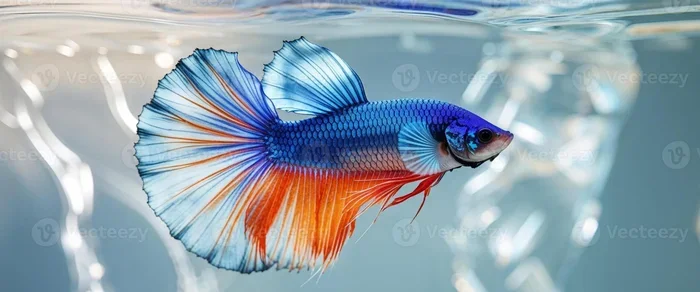
Growing beautiful betta fish fins starts with the right care, nutrition, and tank environment. This guide covers everything you need to know about promoting healthy fin growth in your betta, from water conditions and diet to selecting the best genetics for stunning, flowing fins. Whether you are a beginner or experienced aquarist, you will find practical tips to help your betta develop its full fin potential.
Key Takeaways
- Selective breeding drives specific fin types: Choose parent fish carefully.
- Water quality impacts fin health: Maintain clean, stable tank conditions.
- Protein-rich nutrition supports fin growth: Feed high-quality foods consistently.
- Patience is essential for results: Fin development takes multiple generations.
- Avoid overcrowding to prevent damage: Crowded tanks cause fin nipping.
- Stable temperatures reduce stress: Keep water between 78-80°F for optimal growth.
📑 Table of Contents
Understanding Betta Fish Fins and Why They Matter
Betta fish are known for their stunning, flowing fins that ripple gracefully through the water. Those beautiful fins are more than just decoration. They play a big role in your fish’s health, happiness, and overall well-being. If you have ever wondered how to make betta fish fins look fuller and healthier, you are in the right place.
Healthy fins tell you a lot about your betta’s environment and diet. When fins start looking ragged, torn, or clamped, it is a clear sign that something needs attention. The good news is that with the right approach, you can encourage strong fin regrowth and keep those beautiful tails looking vibrant. This guide covers everything you need to know about promoting healthy fin growth in your betta.
Before diving into the steps, it helps to understand what betta fins are made of and why they get damaged in the first place. Fins are delicate structures made of bony rays covered by thin, sensitive skin. They tear easily, and healing can take time. But with patience and proper care, how to make betta fish fins recover and thrive is absolutely achievable.
Common Causes of Fin Damage and Loss
Understanding why fins get damaged is the first step toward prevention and recovery. Several factors can cause fin tears, rot, or slow regrowth. Let us break down the most common culprits.
Environmental Factors That Harm Fins
- Rough tank decorations: Sharp plastic plants or rough gravel can snag and tear delicate fins.
- Strong water flow: Bettas prefer gentle currents. Powerful filters can push them around and damage fins over time.
- Poor water quality: Ammonia and nitrite spikes weaken fin tissue and slow healing.
- Wrong tank mates: Aggressive fish may nip at betta fins, causing tears and stress.
Health Issues That Affect Fins
- Fin rot: A bacterial or fungal infection that eats away at fin tissue.
- Fin erosion: Often caused by poor water parameters over time.
- Stress-related fin clamping: When a betta feels threatened, it curls its fins tightly against its body.
If you notice your betta losing fins rapidly, How To Treat Betta Fish Fin Loss should be your next read. Early intervention makes a huge difference in recovery speed.
How to Make Betta Fish Fins Grow Back Stronger
Now let us get to the core of the topic. If your betta has already experienced fin damage, you probably want to know exactly what to do to speed up regrowth. The process requires consistency, patience, and attention to detail.
Step 1: Optimize Water Quality
Clean water is the foundation of fin regrowth. Betta fish are sensitive to water parameter changes, and dirty water will stall healing. Here is what you need to do.
- Test your water weekly for ammonia, nitrite, and nitrate levels.
- Perform 25% water changes every week without fail.
- Keep the temperature between 78 and 80 degrees Fahrenheit.
- Use a water conditioner to neutralize chlorine and chloramine.
If you are unsure about preparing the right water, check out How To Make Water For Betta Fish for a detailed walkthrough.
Step 2: Feed a Nutrient-Rich Diet
What your betta eats directly impacts fin health. A diet rich in protein and essential nutrients fuels tissue repair and new fin growth. Consider these feeding strategies.
- Offer high-quality betta pellets as the staple food.
- Supplement with frozen or live foods like brine shrimp and bloodworms.
- Feed small amounts twice a day rather than one large meal.
- Consider making homemade fish food for extra nutritional control.
For a simple homemade option, How To Make Betta Fish Food At Home gives you easy recipes that support fin health.
Step 3: Provide a Stress-Free Environment
Stress is the enemy of fin regrowth. A calm, comfortable tank helps your betta focus energy on healing. Keep the tank in a quiet area of your home. Avoid sudden lighting changes. Make sure the tank is at least 5 gallons for a single betta. A stressed betta will eat less, sleep poorly, and heal slowly.
If your fish has been through a tough time, How To Make Your Betta Fish Healthy Again covers broader recovery strategies beyond just fins.
Step 4: Use Fin-Friendly Tank Setup
Your tank setup plays a surprisingly big role in fin health. Everything from the substrate to the filter type matters. Here are some setup tips that support fin regrowth.
- Choose silk or live plants instead of sharp plastic ones.
- Use a sponge filter on the lowest setting to reduce water flow.
- Add a fine sand substrate to prevent fin snags.
- Keep the tank decorations smooth and rounded.
These small changes create a much safer environment for healing fins.
Tips to Promote Healthy Fin Growth
Beyond recovery from damage, you can take proactive steps to ensure your betta’s fins stay healthy and grow to their full potential. These tips work for all bettas, whether they are healing or simply need a boost.
Quick Tips for Fin Health
- Maintain stable parameters: Avoid sudden swings in pH, temperature, or ammonia.
- Add Indian almond leaves: These release tannins that support fin tissue health.
- Keep the tank clean: Regular maintenance prevents infections that damage fins.
- Observe your fish daily: Early detection of fin issues leads to faster treatment.
- Avoid overhandling: Netting and chasing your betta causes unnecessary stress.
Consistency is the secret ingredient. A betta kept in stable, clean conditions will naturally grow stronger fins over time. You do not need fancy products or complicated procedures. Just steady, attentive care.
Quick Comparison: Fin Health Factors
| Factor | Good for Fins | Bad for Fins |
|---|---|---|
| Water Flow | Gentle, low current | Strong, turbulent flow |
| Tank Size | 5 gallons or larger | Small bowls under 2 gallons |
| Plants | Silk or live plants | Sharp plastic decorations |
| Diet | Protein-rich, varied | Flakes or low-quality food |
| Water Changes | Weekly 25% changes | Infrequent or large water changes |
| Tank Mates | Peaceful species or solo | Fin-nipping or aggressive fish |
Preventing Fin Damage in the First Place
Prevention is always easier than cure. Once you have healthy, flowing fins, you want to protect them. The best approach is to set up your tank correctly from the start and maintain good habits.
Start with a proper tank setup. A 5-gallon tank with a gentle filter gives your betta room to swim without constant current. Choose soft, smooth decorations. Live plants like java fern and anubias are excellent choices because they have no sharp edges and actually improve water quality.
Feeding habits also matter for prevention. A well-fed betta with a strong immune system is far less likely to develop fin problems. Variety in the diet keeps the immune system strong. Rotate between pellets, frozen foods, and occasional homemade meals for the best results.
Finally, monitor your tank mates carefully. Even in a community tank, some fish are notorious fin nippers. Tetras and barbs are common culprits. If you notice fin damage appearing after adding new fish, separate the betta immediately. A How To Make A Betta Fish Tank Divider can be a great solution when you want to keep multiple fish in one tank safely.
The Timeline for Fin Regrowth
Patience is critical when helping your betta regrow fins. Fin regrowth does not happen overnight. Most bettas show visible improvement within two to four weeks of proper care. Full regrowth can take anywhere from one to three months depending on the severity of the damage.
During this time, keep a close eye on the regrowth. New fins often appear translucent and delicate at first. This is completely normal. As the fins mature, they will develop color and the characteristic flowing shape. If at any point the fins seem to be getting worse instead of better, re-evaluate your water quality and consider whether a treatment may be needed.
Remember that every betta heals at its own pace. Age, overall health, and the extent of the damage all play a role. The key is to stay consistent with your care routine and give your fish the best possible conditions to recover.
Key Takeaways
Helping your betta grow beautiful, healthy fins comes down to a few core principles. Clean water, proper nutrition, a stress-free environment, and prevention through smart tank setup. These elements work together to support fin regrowth and keep your betta looking its best.
Do not get discouraged if progress seems slow. Fin healing is a gradual process. Stick with your routine, make adjustments as needed, and celebrate small victories along the way. Whether you are nursing damaged fins back to health or simply want to give your betta the best fin-growing conditions, the steps outlined above will guide you in the right direction.
How to make betta fish fins grow strong and beautiful is really about consistent, attentive care. You do not need expensive equipment or complicated techniques. Just a clean tank, good food, and a little patience. Your betta will reward you with dazzling fins that make your aquarium the centerpiece of your home.
Frequently Asked Questions
How to Make Betta Fish Fins Look Fuller and Healthier?
To make betta fish fins look fuller, feed a high-quality diet rich in protein and include foods like bloodworms and brine shrimp. Keep the water clean, maintain a stable temperature between 78–80°F, and reduce stress by providing hiding spots and gentle tank mates.
How to Make Betta Fish Fins Spread and Display More?
Betta fish fins spread more when the fish feels safe and comfortable. Provide a calm environment with soft lighting, clean water, and a tank size of at least 5 gallons to encourage natural fin display behavior.
How to Make Betta Fish Fins Grow Faster?
You can encourage betta fish fins to grow faster by optimizing water quality with regular changes and a good filter. Adding a balanced diet with omega-rich foods and keeping the tank stress-free also supports healthy fin growth over time.
How to Make Betta Fish Fins More Colorful?
To make betta fish fins more vibrant, feed color-enhancing foods that contain spirulina and carotenoids. Also maintain excellent water conditions and avoid bright, harsh lighting, which can cause stress and dull their natural colors.
How to Make Betta Fish Fins Heal After Fin Rot?
To help betta fish fins heal from fin rot, first clean the tank and perform a water change. Add aquarium salt or a suitable antibacterial treatment, and keep the water warm and stable to speed up the healing process.
How to Make Betta Fish Fins Stay Healthy Long-Term?
Keep betta fish fins healthy long-term by doing regular water changes, testing water parameters weekly, and offering a varied diet. Avoid overcrowded tanks and aggressive tank mates that can damage or tear delicate fins.