How to Carefor a Betta Fish
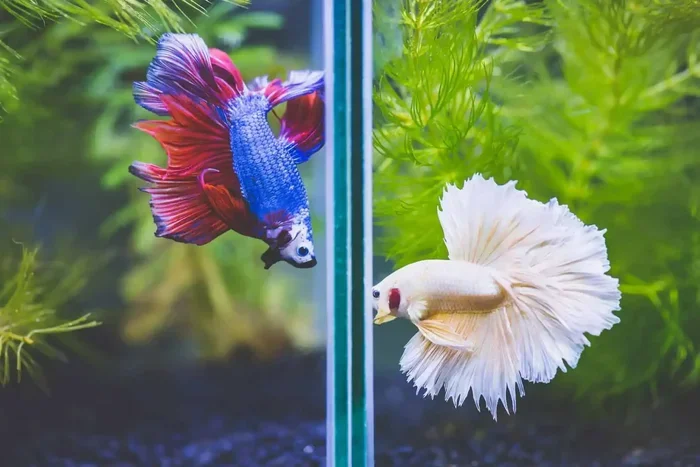
Learning how to care for a betta fish is easier than you think. This guide covers everything from setting up the right tank and maintaining clean water to feeding your betta a balanced diet. You will discover practical tips that help your betta fish thrive for years.
Taking care of a betta fish is one of the most rewarding experiences for a pet owner. These colorful fish, also known as Siamese fighting fish, are beautiful, lively, and surprisingly hardy. But they still need the right environment, food, and attention to truly thrive. Whether you are a complete beginner or looking to improve your current setup, this guide will walk you through everything you need to know about betta fish care.
The truth is, many people underestimate what bettas need to stay healthy. A tiny bowl on a windowsill might look cute, but it is not enough. Your betta deserves a proper home with clean water, the right temperature, and a good feeding routine. In this article, we will cover all the essentials step by step so you can give your fish the best life possible.
If you want to dive deeper into the basics, check out our How To Care For A Betta Fish 101 guide for even more foundational tips. Let us get started with the most important part of betta fish care: understanding what your fish needs to be happy.
Key Takeaways
- Proper tank setup: A minimum 5-gallon tank with a heater and filter creates the best environment for your betta fish.
- Water quality matters: Regular water changes and using a water conditioner keep your betta healthy and stress-free.
- Feeding routine is key: Feed your betta small amounts 1-2 times a day and avoid overfeeding at all costs.
- Watch for warning signs: Recognizing early signs of stress or illness helps you act fast and save your fish.
- Avoid common mistakes: Small bowls without heaters, cold water, and overcrowding are the top enemies of betta fish care.
📑 Table of Contents
Understanding Your Betta Fish Needs
Before you set up a tank, it helps to understand where bettas come from and what their natural habits are. Betta fish originally lived in warm, slow-moving waters in Southeast Asia. They are labyrinth fish, which means they can breathe air from the surface. This is why they can survive in low-oxygen water better than many other fish species.
However, surviving and thriving are two very different things. A betta in a proper environment will display vibrant colors, active swimming, and a healthy appetite. A betta in a poor environment will become dull, lethargic, and prone to illness. Your goal should always be to create conditions that let your fish do more than just survive.
Betta Fish Behavior and Personality
Bettas are curious and interactive fish. They love to explore their surroundings and will often swim to the front of the tank when they see you. Some bettas even recognize their owners over time. This is one of the best parts of betta fish care — you get to build a small bond with your pet.
Male bettas are especially known for their long, flowing fins and bright colors. Female bettas are smaller but still colorful. Both genders can be territorial, especially males. This is why you should never house two male bettas in the same tank. Understanding this natural behavior helps you set up the right environment from day one.
How Long Do Betta Fish Live?
With proper care, a betta fish can live between 3 and 5 years. Some well-cared-for bettas have even reached 7 years. The key factors that influence lifespan include water quality, diet, tank size, and stress levels. When you invest time in betta fish care, you are investing in years of companionship with your fish.
Setting Up the Perfect Tank
The tank is the foundation of good betta fish care. A proper setup makes everything else easier — from water maintenance to keeping your fish healthy. Many beginners make the mistake of starting with too small a container, which creates problems down the road.
Choosing the Right Tank Size
Many people think bettas can live in tiny cups or bowls. This is a myth. While bettas can survive in small spaces, they thrive in larger ones. A minimum tank size of 5 gallons is recommended for a single betta. A bigger tank gives your fish more room to swim and helps stabilize water parameters more easily.
Here is a quick look at recommended tank sizes based on your situation:
- 5 gallons: Minimum for one betta fish. Easy to manage and maintain.
- 10 gallons: Ideal size. More stable water conditions and room for plants.
- 20 gallons or more: Great if you plan to add peaceful tank mates or live plants.
If you are unsure where to start, our How To Set Up A Fish Tank For Betta Fish guide has detailed step-by-step instructions for beginners.
Heating and Filtration
Bettas are tropical fish, which means they need warm water. The ideal temperature range is between 76 and 82 degrees Fahrenheit. A small aquarium heater is essential to maintain this temperature consistently. Without a heater, your betta can become stressed, which leads to illness.
Filtration is also important, but bettas prefer gentle water flow. Strong filters can stress them out and make it hard for them to swim. Choose a filter with an adjustable flow or add a sponge pre-filter to reduce the current. A sponge filter works great for betta tanks because it provides mechanical and biological filtration without creating too much turbulence.
Decorations and Plants
Bettas love places to hide and explore. Add some live or silk plants, caves, and gentle decorations to make your fish feel safe. Avoid sharp plastic plants or rough decorations that can tear their delicate fins. Live plants are an excellent addition because they help absorb nitrates and produce oxygen naturally.
Feeding Your Betta Fish the Right Way
Feeding is one of the most important parts of daily betta fish care. A proper diet keeps your fish colorful, active, and healthy. Bettas are carnivorous by nature, so they need protein-rich food to stay in good shape.
What to Feed Your Betta
The best betta fish food includes high-quality pellets specifically designed for bettas. These pellets are packed with protein and contain the nutrients your fish needs. You can also supplement their diet with frozen or live foods like brine shrimp, bloodworms, and daphnia. These make excellent treats and add variety to their meals.
Some people wonder about feeding peas to bettas. While peas can help with constipation in some cases, they should not be a staple food. Bettas do not naturally eat plant matter, so keep peas as an occasional remedy rather than a regular meal.
How Often and How Much to Feed
A good feeding schedule is key to preventing overfeeding, which is one of the most common mistakes in betta fish care. Overfeeding leads to bloated stomachs, poor water quality, and health problems.
Here is a simple feeding guide to follow:
- Feed your betta 2-3 pellets or a small pinch of food twice a day.
- Only give what your fish can eat within 2 minutes.
- Skip one feeding per week to help with digestion.
- Remove any uneaten food immediately to keep the water clean.
Consistency matters more than quantity. A regular feeding schedule helps your betta stay healthy and makes it easier to spot changes in appetite, which can be an early sign of illness.
Keeping the Water Clean and Healthy
If there is one thing that matters most in betta fish care, it is water quality. Bettas are sensitive to ammonia, nitrite, and nitrate buildup. Poor water conditions are the leading cause of illness and early death in pet bettas.
Water Changes and Maintenance
You should perform partial water changes every week. Remove about 25-30 percent of the tank water and replace it with fresh, conditioned water. This helps keep harmful chemicals at bay without disrupting the beneficial bacteria in your tank.
For a deeper clean, do a 50 percent water change every two weeks. Always use a water conditioner to remove chlorine and chloramine from tap water before adding it to the tank. These chemicals are harmless to humans but can be deadly for fish.
For more detailed guidance on water maintenance, our How To Take Care Of A Betta Fish Water article covers water parameters, testing kits, and treatment methods in depth.
Testing Water Parameters
Invest in a simple liquid test kit to monitor your water. You want to keep ammonia and nitrite at zero, and nitrates below 20 parts per million. Testing your water regularly takes only a few minutes but can save your betta from serious health issues.
Also keep an eye on the pH level. Bettas do best in slightly acidic to neutral water, with a pH between 6.5 and 7.5. Sudden changes in pH can shock your fish, so make any adjustments slowly and gradually.
How Often to Clean the Tank
Cleaning your betta tank does not mean scrubbing everything down every week. In fact, over-cleaning can remove beneficial bacteria that keep your tank balanced. Focus on removing waste, vacuuming the substrate during water changes, and wiping down the glass. For a full cleaning schedule, check out our How Often To Clean A Betta Fish Tank guide for detailed instructions.
Recognizing Signs of a Healthy Betta Fish
One of the best skills you can develop as a betta owner is recognizing what a healthy fish looks like. A healthy betta will have bright, vivid colors, flowing fins, and a good appetite. It will swim actively and explore the tank without difficulty.
Warning Signs to Watch For
Watch for these common signs that something might be wrong with your betta:
- Clamped fins: Fins held close to the body often signal stress or illness.
- Loss of color: Fading colors can indicate poor water quality or disease.
- Not eating: Skipping more than one or two meals is a red flag.
- Lethargy: Staying at the bottom of the tank or hiding constantly is not normal.
- White spots or patches: These could be signs of ich or fungal infection.
If you notice any of these symptoms, act quickly. Testing your water parameters and checking the temperature are the first steps. If the problem persists, you may need to treat your fish with appropriate medication or a betta fish salt bath.
Common Betta Fish Illnesses
The most common illnesses affecting bettas include ich (white spot disease), fin rot, and swim bladder disorder. Ich is caused by parasites and shows up as tiny white spots on the body and fins. Fin rot appears as fraying or discoloration at the edges of the fins. Swim bladder disorder causes your fish to swim oddly or float uncontrollably.
Most of these conditions are treatable if caught early. Maintaining clean water and a stress-free environment is the best prevention. If you need help treating specific diseases, our How To Treat Ich On A Betta Fish guide provides clear, step-by-step treatment instructions.
Common Betta Fish Care Mistakes to Avoid
Even the most well-meaning betta owners can make mistakes. Learning from common errors helps you provide better care from the start. Here are the top mistakes to avoid in your betta fish care routine.
Keeping Your Betta in a Tiny Bowl
This is the number one mistake. A small bowl without a heater or filter may look pretty, but it is not a healthy home. Tiny volumes of water change temperature and chemistry quickly, which stresses your fish. Always aim for at least a 5-gallon tank with proper equipment.
Overfeeding Your Betta
Bettas have small stomachs, and overfeeding is very easy to do. Excess food sinks to the bottom and decays, polluting the water. This leads to poor water quality and health problems. Stick to small, measured portions and resist the urge to give extra food just because your fish looks hungry.
Ignoring Water Temperature
Cold water slows down a betta’s metabolism and weakens its immune system. Room temperature water is almost never warm enough for a betta. A reliable heater is not optional — it is a necessity for proper betta fish care.
Skipping Water Changes
Even with a filter, waste builds up over time. Skipping water changes allows ammonia and nitrites to reach dangerous levels. Set a reminder to do your weekly water changes so you never miss a scheduled maintenance session.
Final Thoughts on Betta Fish Care
Caring for a betta fish is a simple but meaningful responsibility. When you provide the right tank, clean water, proper food, and a little attention, your betta will reward you with years of beauty and companionship. Betta fish care does not have to be complicated. Start with the basics, stay consistent, and keep learning as you go.
Remember that every small action you take matters. A weekly water change, a balanced feeding schedule, and a well-maintained tank all add up to a happier, healthier fish. Your betta depends on you for its well-being, and the effort you put in will be worth every moment you spend watching your fish swim happily in its home.
If you are new to the hobby or want to expand your knowledge, explore more of our guides on betta fish care to build a strong foundation for your aquarium journey.
Frequently Asked Questions
How often should I feed my betta fish?
Feed your betta fish 1-2 times a day with a small amount they can finish in about 2 minutes. Overfeeding is one of the biggest risks in betta fish care, so stick to measured portions and skip one feeding per week to support healthy digestion.
What is the best tank size for a betta fish?
A 5-gallon tank is the minimum recommended size for a single betta fish. Larger tanks, such as 10 gallons or more, provide more stable water conditions and give your fish extra room to swim and explore.
Do betta fish need a heater?
Yes, bettas are tropical fish and need a heater to maintain water temperature between 76 and 82 degrees Fahrenheit. Without a heater, your betta can become stressed and more vulnerable to illness.
How do I know if my betta fish is stressed?
Common signs of a stressed betta include clamped fins, loss of color, lethargy, loss of appetite, and hiding constantly. Stress is often caused by poor water quality, wrong temperature, or an unsuitable tank setup.
Can I keep a betta fish in a bowl without a filter?
You can, but it is not ideal. A bowl without a filter requires very frequent water changes to maintain safe water conditions. A 5-gallon tank with a gentle filter is much better for long-term betta fish care and makes maintenance easier.
How do I keep my betta fish water clean?
Perform 25-30 percent water changes weekly, use a water conditioner to remove harmful chemicals, and vacuum the substrate during changes. Avoid overfeeding and remove uneaten food promptly to keep the water clean between changes.