How to Care for a Betta Fish Tumblr
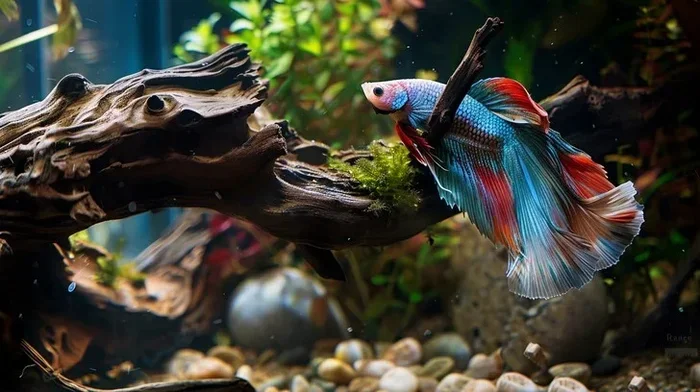
Caring for a betta fish on Tumblr means combining beautiful aquascape aesthetics with proper fish health practices. This guide covers everything you need to know about betta fish care, from setting up the perfect tank to feeding schedules and common health issues. Whether you are a beginner or a seasoned hobbyist, you will find practical tips to keep your betta thriving and your Tumblr feed looking stunning.
If you have ever scrolled through Tumblr and stopped at a gorgeous betta fish photo, you know the feeling. Those vibrant colors, the flowing fins, the tiny castle or plant in the corner — it is mesmerizing. But behind every stunning betta fish Tumblr post is a real commitment to proper care. A beautiful tank means nothing if the fish inside it is unhappy or unhealthy.
Whether you are just starting your betta fish journey or you have been posting aquatic aesthetics for a while, this guide will help you do right by your fish. We will walk through everything from tank setup to feeding routines, water maintenance, and common mistakes to avoid. By the end, you will have the confidence to create a tank that looks amazing on your feed and keeps your betta thriving for years.
The truth is, betta fish are often misunderstood. Many people think they can survive in tiny bowls or skip water changes entirely. That could not be further from the truth. These are active, curious creatures that deserve a proper habitat. Let us break down exactly what that looks like.
Key Takeaways
- Proper Tank Size Matters: A minimum of 5 gallons is essential for a healthy betta fish.
- Water Quality Is Critical: Regular water changes and proper conditioning prevent common illnesses.
- Temperature Control Is Key: Keep water between 76-82°F for optimal betta health.
- Aesthetic Meets Function: Decorations should be safe and enriching, not just visually appealing.
- Diet Affects Color and Lifespan: Feeding high-quality food keeps your betta vibrant and active.
- Know the Signs of Stress: Early detection of illness saves lives and reduces vet costs.
- Tumblr Communities Offer Great Inspiration: Join fellow hobbyists for tips, photos, and support.
📑 Table of Contents
Understanding Your Betta Fish
Before you dive into setup and maintenance, it helps to understand what makes betta fish unique. Also known as Siamese fighting fish, bettas originate from the warm, slow-moving waters of Southeast Asia. They are labyrinth fish, which means they can breathe air from the surface. This adaptation helped them survive in low-oxygen environments in the wild.
But that does not mean they thrive in poor conditions. In fact, a well-maintained tank brings out the best in your betta. Their colors become more vivid, their fins flow more gracefully, and they display natural behaviors like exploring and building bubble nests. Understanding your fish is the first step toward becoming a great caretaker.
Betta Fish Lifespan and Personality
With proper care, a betta fish can live between three and five years. Some dedicated keepers even reach the seven-year mark. That is a serious commitment, but it is also incredibly rewarding. Each betta has its own personality. Some are curious and will come to the glass when you approach. Others are more shy and prefer to hide among plants. Learning your fish’s quirks is one of the most enjoyable parts of keeping bettas.
Setting Up the Perfect Betta Tank
The foundation of great betta fish care starts with the right tank. Many beginners make the mistake of buying a tiny bowl or a vase. While bettas can survive in small spaces, they do not thrive in them. A proper tank gives your fish room to swim, explore, and stay healthy.
Tank Size Recommendations
Here is a simple breakdown of tank sizes and what works best:
- 1-2 gallons: Too small for long-term health. Only acceptable for temporary housing.
- 3-5 gallons: The minimum recommended size for a single betta fish.
- 5-10 gallons: Ideal for a single betta with room for plants and light decoration.
- 10+ gallons: Great if you plan to add peaceful tank mates or create a planted aquascape.
If you are following how to set up a fish tank for betta fish, the key is to balance aesthetics with function. A larger tank is easier to maintain because water parameters stay more stable. It also gives you more creative freedom for aquascaping.
Essential Equipment
Every betta tank needs a few key pieces of equipment. A gentle filter is important because bettas dislike strong currents. A sponge filter works well and provides mechanical and biological filtration without creating too much flow. A heater is equally critical. Bettas are tropical fish and need water temperatures between 76 and 82 degrees Fahrenheit. A small, adjustable heater keeps the temperature steady.
Do not skip the thermometer. Even if your heater has a built-in setting, an independent thermometer gives you peace of mind. You can find affordable ones at most pet stores. Also, consider adding a lid or hood. Bettas are jumpers, and a secure lid prevents escapes.
Water Quality and Maintenance
If there is one thing that matters more than anything else in betta fish care, it is water quality. Clean water prevents disease, reduces stress, and keeps your fish looking vibrant. Dirty water is the number one cause of health problems in aquarium fish.
How to Prepare Water for Your Betta
Before adding water to your tank, you need to treat it. Tap water contains chlorine and chloramine, which are harmful to fish. A good water conditioner neutralizes these chemicals instantly. Simply add the recommended dose to your tap water before it goes into the tank.
For the best results, let your water sit for a few hours after conditioning. This allows the temperature to adjust closer to the tank’s temperature. Sudden temperature changes can stress your betta and lead to illness. If you want a detailed walkthrough, check out how to prepare water for a betta fish for step-by-step instructions.
Water Changes and Cycling
A regular water change schedule is non-negotiable. For a 5-gallon tank, aim for a 25-30% water change every week. For larger tanks, you can stretch to weekly or biweekly changes depending on your setup. Use a gravel vacuum to remove debris from the substrate while you drain old water.
Cycling your tank before adding your betta is also essential. Cycling builds beneficial bacteria that break down harmful ammonia and nitrite. Skipping this step can lead to dangerous water conditions. If you are new to this process, look up how to cycle a fish tank for betta to get started on the right foot.
Testing Water Parameters
Invest in a simple liquid test kit. You want to monitor ammonia, nitrite, nitrate, and pH levels. Here is what ideal parameters look like for bettas:
- Ammonia: 0 ppm
- Nitrite: 0 ppm
- Nitrate: Below 20 ppm
- pH: 6.5 to 7.5
- Temperature: 76-82°F
Testing your water takes just a few minutes each week. It is one of those habits that separates healthy fish from sick ones. Make it part of your routine, and you will notice the difference in your betta’s energy and color.
Feeding Your Betta Fish
Feeding your betta might seem simple, but there is more to it than tossing in a few flakes. Bettas are carnivorous fish that need a protein-rich diet. Cheap flake food often lacks the nutrition your fish needs to stay healthy and colorful.
Best Foods for Bettas
High-quality betta pellets are the staple of a good diet. Look for brands that list fish or insect protein as the first ingredient. Frozen or live foods like brine shrimp, bloodworms, and daphnia make excellent treats. They boost color and provide enrichment. Just remember that treats should make up no more than 20-25% of the diet.
Here is a simple feeding schedule you can follow:
- Morning: Feed 2-3 high-quality pellets.
- Evening: Offer a small portion of frozen or live food as a treat (2-3 times per week).
Overfeeding is one of the most common mistakes new betta owners make. Excess food decays in the tank and fouls the water. Feed only what your fish can consume in two minutes. If there is leftover food, remove it with a net.
Fasting Days
Believe it or not, bettas benefit from a fasting day once a week. Skipping a meal helps prevent bloating and constipation, which are common issues in captive bettas. On fasting days, your fish will not starve. A weekly break actually supports better digestion and overall health.
Creating an Aesthetic and Healthy Habitat
This is where the Tumblr side of things comes in. One of the reasons betta fish are so popular on social media is their stunning visual appeal. Creating a beautiful tank does not have to come at the expense of your fish’s health. In fact, the best aquascapes are both gorgeous and functional.
Safe Decorations and Plants
When choosing decorations, avoid anything with sharp edges. Bettas have long, delicate fins that can tear easily. Smooth rocks, driftwood, and silk plants are great choices. Live plants are even better because they help absorb nitrates and produce oxygen. Some easy beginner plants include java fern, anubias, and amazon sword.
Avoid plastic plants with rough edges. Those can shred fins and cause infections. If you want a natural look without live plants, silk plants are a wonderful alternative. They flow beautifully in the water and are gentle on fins.
Substrate and Lighting
Your choice of substrate affects both the look and the health of your tank. Fine gravel or sand works well for most setups. Sand is easier to clean and gives a more natural appearance. For lighting, a low to moderate LED light is ideal. Bettas do not need intense light, and too-bright lighting can stress them out.
If you are curious about whether light intensity matters, you might want to read about whether a light can be too bright for a betta fish. It is a common concern among hobbyists who want to create the perfect aesthetic without harming their fish.
Tank Mates and Community Tanks
Bettas are often kept alone, but they can sometimes share a tank with peaceful species. Snails like nerite snails and small shrimp like amano shrimp make good companions. Avoid fish with bright colors or long fins, as bettas may see them as rivals. Always research compatibility before adding any tank mates.
If you are considering a community setup, a 10-gallon tank or larger gives everyone enough space. Watch your betta closely during the first few days after adding new residents. Signs of stress include hiding constantly, flaring at everything, or refusing food.
Common Betta Fish Health Issues
Even with the best care, bettas can sometimes get sick. Knowing the signs of common problems helps you catch issues early and respond quickly. Prevention is always better than treatment, but being prepared makes all the difference.
Signs of a Healthy Betta
Before we talk about illness, let us cover what a healthy betta looks like. A healthy betta has bright, vivid colors and flowing fins that are held open rather than clamped. It swims actively and eagerly takes food. Its belly is round but not bloated. The eyes are clear, and there is no redness or swelling on the body or fins.
Common Diseases and Treatments
The most common health issues in bettas include fin rot, ich (white spot disease), and velvet. Fin rot often appears as ragged or discolored fins and is usually caused by poor water quality. Ich shows up as white spots on the body and fins and spreads quickly if left untreated. Velvet looks like a gold or rust-colored dust coating the fish.
Most of these conditions can be treated at home with proper medication and water changes. If your fish shows signs of illness, the first step is always to test your water. Poor water parameters are the root cause of most fish diseases. For more detailed treatment guidance, check out resources on how to care for sick betta fish.
Prevention Tips
- Keep water parameters stable and within the ideal range.
- Perform regular water changes without fail.
- Quarantine new plants or decorations before adding them to your tank.
- Do not overcrowd the tank.
- Feed a balanced diet and avoid overfeeding.
- Observe your fish daily for any changes in behavior or appearance.
Common Mistakes to Avoid
Every betta owner makes mistakes at some point. The goal is to learn from them and avoid repeating them. Here are the most common errors that can harm your fish.
- Keeping a betta in a bowl smaller than 3 gallons: This limits your fish’s movement and makes water quality nearly impossible to maintain.
- Skipping water changes: Even with a filter, toxins build up over time. Regular changes are essential.
- Using untreated tap water: Chlorine and chloramine will damage your fish’s gills and cause serious health problems.
- Overfeeding: Uneaten food rots in the tank and spikes ammonia levels fast.
- Placing the tank in direct sunlight: This causes temperature swings and promotes algae growth.
- Adding aggressive tank mates: Fin-nipping fish or overly active species will stress your betta constantly.
Most of these mistakes come from a place of love and enthusiasm. Nobody starts out wanting to harm their fish. The key is to keep learning and adjusting as you go. If you ever feel unsure, reach out to experienced hobbyists or trusted online resources for guidance.
Expert Insights and Pro Tips
Here are some insider tips from experienced betta keepers that will take your care routine to the next level.
- Observe your fish daily: Even a quick glance at feeding time tells you a lot about your betta’s health and mood.
- Keep a log: Write down water change dates, feeding amounts, and any observations. Patterns become easier to spot over time.
- Invest in a liquid test kit: Strip tests are convenient but less accurate. A liquid kit gives you precise readings every time.
- Acclimate new fish slowly: If you ever add a new betta, drip-acclimate them over 20-30 minutes to avoid shock from water parameter differences.
- Use a turkey baster for spot cleaning: It helps remove debris from corners without disturbing your fish or substrate.
These small habits compound over time. A fish that is monitored daily and kept in stable conditions will live longer, look better, and bring more joy than one that is simply surviving in a neglected tank.
Final Thoughts on Betta Fish Care
Caring for a betta fish is a rewarding journey that combines creativity with responsibility. Whether you are building your first tank or refining an existing setup, every choice you make affects your fish’s quality of life. From the tank size and equipment you choose to the food you feed and the water you maintain, each detail matters.
The beautiful thing about the betta fish community on Tumblr and beyond is that you are never alone. There are countless hobbyists sharing advice, photos, and encouragement. Do not be afraid to ask questions or try new ideas. The most important thing is that you care enough to learn and do better each day.
Your betta fish deserves a home that is both beautiful and healthy. With the knowledge you have gained from this guide, you are well on your way to creating exactly that. Start with the basics, stay consistent, and enjoy the process. Your fish will thank you with vibrant colors, active behavior, and years of companionship.
Remember, every expert was once a beginner. The fact that you are here, reading this guide, shows you are already on the right path. Trust yourself, pay attention to your fish, and never stop learning. The world of betta fish care is vast and endlessly fascinating, and there is always something new to discover.
Frequently Asked Questions
What size tank does a betta fish need?
A betta fish needs a minimum of 5 gallons to thrive. While they can survive in smaller containers, a 5-gallon tank provides enough space for swimming, stable water parameters, and room for decorations. Larger tanks are even better and easier to maintain.
Can betta fish live with other fish?
Yes, but with caution. Bettas can sometimes live with peaceful species like nerite snails, shrimp, or certain small schooling fish. Avoid fish with bright colors or long fins, as bettas may see them as threats. Always research compatibility and provide plenty of space.
How often should I change my betta fish water?
For a 5-gallon tank, perform a 25-30% water change every week. Larger tanks can go longer between changes, but regular maintenance is still essential. Consistent water changes prevent ammonia buildup and keep your betta healthy.
What is the best food for betta fish?
High-quality betta pellets made with fish or insect protein are the best staple food. Supplement with frozen or live foods like brine shrimp and bloodworms as treats. Avoid overfeeding and skip one day of feeding per week to support digestion.
Why is my betta fish hiding or not eating?
Hiding and loss of appetite can signal stress, illness, or poor water quality. Test your water parameters first to rule out ammonia or nitrite spikes. If water conditions are fine, observe for other symptoms like clamped fins or discoloration, which may indicate disease.
How can I make my betta fish tank look good on Tumblr?
Focus on a clean, natural aquascape with live or silk plants, smooth rocks, and a gentle filter. Use low to moderate lighting to bring out your betta’s colors without stressing the fish. A well-planted 5-10 gallon tank makes for stunning photos and a healthy habitat.