How to Care Baby Betta Fish in Tamil
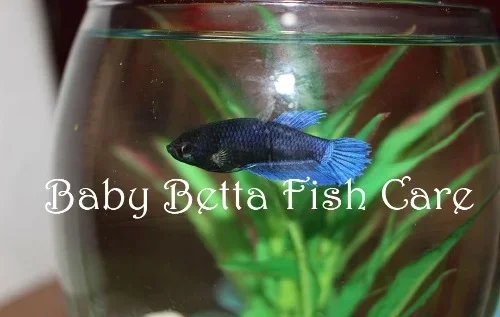
Raising baby betta fish in Tamil is a rewarding journey that starts with the right tank, food, and water conditions. This guide gives you clear, step-by-step tips on feeding schedules, disease prevention, and growth stages. Follow these simple practices and your betta fry will grow into strong, healthy adults.
If you are searching for how to care baby betta fish in Tamil, you have come to the right place. Raising betta fry can be a rewarding experience, but it requires patience and attention to detail. Baby betta fish are tiny, delicate creatures that need special care to grow into healthy adults. This guide will walk you through every step of the process in simple, easy-to-understand language.
Many new fish keepers feel overwhelmed when they first see their betta fry. The good news is that caring for baby bettas does not have to be complicated. With the right knowledge and a few simple tools, you can create a safe environment where your betta fry can thrive. Let us dive into the essential care tips that every betta owner should know.
Key Takeaways
- Proper Tank Setup: A clean, warm tank with gentle filtration is essential for baby betta fish survival and healthy growth.
- Feeding Schedule Matters: Feed betta fry small amounts 3 to 4 times daily with appropriate food like infusoria or baby brine shrimp.
- Water Quality is Critical: Regular water changes and maintaining stable parameters prevent common diseases in young bettas.
- Know the Growth Stages: Understanding betta fish growth stages helps you provide the right care at each phase of development.
- Watch for Health Signs: Early detection of illness in baby bettas leads to better treatment outcomes and higher survival rates.
- Separate Fry from Adults: Always keep betta fry away from adult fish to prevent aggression and cannibalism.
📑 Table of Contents
Setting Up the Perfect Tank for Baby Betta Fish
The first step in how to care baby betta fish in Tamil is setting up the right tank. Baby bettas need a safe and comfortable space to grow. A tank that is too big or too small can cause stress and health problems. Here is what you need to know about creating the ideal habitat for your betta fry.
Choosing the Right Tank Size
For betta fry, a small tank works best. A 5-gallon tank is a great starting point. It is easy to manage and keeps the water parameters stable. Avoid using large tanks because they make it harder to maintain consistent water conditions. If you are raising multiple fry, you can use a larger tank but make sure you have a gentle sponge filter.
Some fish keepers prefer using a betta fish bowl for very young fry. While bowls can work, they require more frequent water changes. A small tank with a lid is usually a better long-term option. The lid prevents the fry from jumping out, as baby bettas can be surprisingly agile.
Water Temperature and Heating
Baby betta fish need warm water to stay healthy. The ideal temperature range is between 78 and 80 degrees Fahrenheit. Use a small aquarium heater with a thermostat to maintain a steady temperature. Fluctuations in water temperature can weaken the immune system of your fry and make them prone to illness.
If you live in a cooler climate, consider placing the tank in a warm room away from drafts. You can also use a tank cover to retain heat. Monitoring the temperature daily with a simple thermometer helps you catch any problems early. Stable water temperature is one of the most important factors in betta fish care.
Filtration and Water Flow
Baby bettas are weak swimmers, so strong water flow can exhaust them. Use a sponge filter set to the lowest flow rate. Sponge filters are gentle and also provide beneficial bacteria that help keep the water clean. Avoid power filters with strong intake tubes, as fry can get sucked in.
If you do not have a sponge filter, you can place a small piece of filter floss over the intake of a regular filter. This slows down the water flow and keeps your fry safe. Clean or rinse your filter media in old tank water, not tap water, to preserve the beneficial bacteria that support the nitrogen cycle.
Feeding Your Baby Betta Fish Properly
Feeding is one of the most critical parts of how to care baby betta fish in Tamil. Betta fry have tiny mouths and need very small, frequent meals. Getting the feeding routine right can make a huge difference in their growth and survival rate.
What to Feed Betta Fry
Newly hatched brine shrimp is the best food for betta fry. It is small enough for them to eat and packed with nutrients. You can also feed them infusoria, which is a type of microscopic organism found in healthy aquariums. Commercial fry food designed for tropical fish is another good option.
As the fry grow, you can gradually introduce larger foods. At around two weeks old, baby bettas can eat finely crushed betta pellets. By one month, they can handle small worms like microworms or bloodworms. Always make sure the food is small enough for their tiny mouths. Proper betta fish nutrition at this stage sets the foundation for a long and healthy life.
Feeding Schedule and Frequency
Feed your betta fry 3 to 4 times a day. Each feeding should be very small, just enough that they can eat within a few minutes. Overfeeding is a common mistake that can foul the water quickly. Remove any uneaten food after feeding to keep the tank clean.
Here is a simple feeding schedule you can follow:
- Morning: A small pinch of infusoria or newly hatched brine shrimp
- Midday: A tiny amount of commercial fry food
- Afternoon: Another small feeding of brine shrimp
- Evening: A light final feeding before lights out
Consistency is key. Stick to the same schedule every day, and your betta fry will grow strong and healthy. Watching them eagerly swim to the surface at feeding time is one of the most rewarding parts of raising betta fish.
Water Quality and Maintenance for Betta Fry
Clean water is the foundation of good betta fish care. Baby bettas are especially sensitive to poor water quality. Even small amounts of ammonia or nitrite can be deadly for fry. Regular maintenance keeps your tank safe and your betta fry thriving.
How Often to Change Water
For a betta fry tank, you should change about 20 to 30 percent of the water every other day. Use a turkey baster or small siphon to remove debris from the bottom of the tank. Always replace the removed water with dechlorinated water that has been warmed to match the tank temperature.
Avoid large water changes, as they can shock the delicate fry. Sudden changes in water parameters cause stress and can lead to disease. If you are unsure about your tap water quality, consider using bottled spring water or treating tap water with a conditioner before adding it to the tank. Consistent water changes are the backbone of effective betta fish care.
Testing Water Parameters
Keep an eye on the ammonia, nitrite, and nitrate levels in your tank. Ammonia and nitrite should always be at zero. Nitrate should stay below 20 parts per million. You can use simple liquid test kits to monitor these levels. Testing the water weekly helps you catch problems before they affect your fry.
Stable water parameters are essential for proper betta fish care. If you notice any spikes in ammonia or nitrite, do a small water change immediately. Prevention is always easier than treatment when it comes to raising healthy betta fry.
Common Health Issues in Baby Betta Fish
Even with the best care, baby bettas can sometimes get sick. Knowing the signs of common diseases helps you act quickly and save your fry. Let us look at the most frequent health problems and how to handle them.
Identifying Signs of Illness
Watch for these warning signs in your betta fry:
- Lethargy: The fry stays at the bottom and does not swim or eat
- White spots on the body: This could be a sign of ick or fungal infection
- Curved or distorted spine: May indicate a genetic issue or nutritional deficiency
- Swollen abdomen: Could be a sign of dropsy or constipation
- Clamped fins: Fins held close to the body often signal stress or illness
If you notice any of these symptoms, isolate the affected fry in a quarantine container. Treating sick fish separately prevents the spread of disease to healthy ones. Quick action can make a big difference in the outcome.
Preventing Diseases in Betta Fry
The best way to keep your baby bettas healthy is prevention. Maintain clean water, feed quality food, and avoid sudden temperature changes. A stress-free environment strengthens the immune system of your fry. You can also add a few drops of aquarium salt to the water as a mild preventive measure.
If a disease does break out, act fast. For example, if you notice signs of internal parasites, look up treatment options early. Caring for a sick betta fish requires patience and the right medication. Always follow dosage instructions carefully when treating fry, as they are more sensitive to medications than adult fish.
Growth Stages of Betta Fish
Understanding the growth stages of betta fish helps you provide the right care at each phase. Baby bettas go through several changes as they develop from tiny fry to fully grown adults. Let us explore what to expect during each stage of betta fish growth.
Stage 1: Newborn Fry (0 to 2 Weeks)
Newborn betta fry are extremely small, about 3 to 4 millimeters long. They do not swim much at first and tend to stay near the surface or bottom of the tank. During this stage, they survive on their yolk sac for the first few days. After the yolk sac is absorbed, they need to start eating immediately.
During the first two weeks, keep the tank dimly lit and avoid disturbing the fry. They are very fragile and can be easily stressed. Feed them infusoria or liquid fry food in tiny amounts several times a day. This is the most vulnerable period in betta fry care.
Stage 2: Early Fry (2 to 4 Weeks)
At two to four weeks old, betta fry start to swim more actively. You will notice their colors beginning to develop. They can now eat baby brine shrimp and finely crushed pellets. This is a critical growth period, so make sure they are getting enough nutrition.
By the end of this stage, you may be able to tell the males from the females. Male bettas will start to develop longer fins and more vibrant colors. Females tend to be smaller with shorter fins. Separating them into different containers at this stage can prevent fighting later on.
Stage 3: Juvenile Betta (1 to 3 Months)
From one to three months old, betta fish enter the juvenile stage. Their fins grow longer, and their colors become more vivid. During this time, you can start transitioning them to a regular betta diet. Feed them small pellets or flakes along with frozen or live foods.
Juvenile bettas are more active and curious. They explore their environment and start establishing their territory. This is a good time to set up individual containers if you plan to keep them separately. Proper care during this stage sets the foundation for a healthy adult fish.
Stage 4: Adult Betta (3 Months and Beyond)
At three months old, betta fish are considered adults. They have fully developed fins and their final coloration. Adult bettas can be moved to a standard-sized tank with proper decoration and hiding spots. Their betta fish lifespan can reach 3 to 5 years with good care.
Adult bettas need a stable environment with clean water, proper nutrition, and enrichment. Continue feeding them a varied diet and performing regular water changes. A well-cared-for betta fish can bring joy and beauty to your home for many years.
Expert Tips for Raising Betta Fry Successfully
Raising betta fry is a journey that requires dedication and attention. Here are some expert tips that can help you succeed in your betta fish care journey.
Start with healthy parents. The health of the betta fry begins with the quality of the parents. Choose adult bettas that are active, colorful, and free from any signs of disease. Healthy parents produce stronger, more resilient fry with better survival rates.
Keep the environment stable. Sudden changes in temperature, water quality, or lighting can stress baby bettas. Make gradual adjustments and always monitor your tank conditions. Stability is the key to raising healthy fry successfully.
Be patient. Betta fry grow slowly, and not all of them will survive. This is natural. Focus on providing the best care you can and enjoy the process. Over time, you will learn what works best for your specific setup and conditions.
Learn from experience. Every batch of fry teaches you something new. Keep notes on feeding schedules, water parameters, and any health issues you observe. This record-keeping helps you improve your betta fish care routine over time and leads to better results with each generation.
Do not overcrowd the tank. Too many fry in one space leads to competition for food and poor water quality. As they grow, separate them into individual containers or groups based on size. This reduces stress and ensures each fish gets enough to eat and grow properly.
Final Thoughts on Caring for Baby Betta Fish
Caring for baby betta fish is a fulfilling experience that anyone can enjoy. By following the tips in this guide, you are giving your betta fry the best possible start in life. Remember that patience and consistency are the most important tools you have.
Start with a clean, warm tank. Feed your fry small, frequent meals. Keep the water quality high. Watch for signs of illness and act quickly if you notice any problems. Each step you take brings you closer to raising healthy, beautiful betta fish that will thrive for years to come.
Whether you are a complete beginner or have some experience, the journey of raising betta fry is full of learning and wonder. Enjoy every stage of their growth, and take pride in the care you provide. Your efforts will be rewarded with happy, healthy fish that make your aquarium truly special.
Frequently Asked Questions
How often should I feed baby betta fish?
Feed your betta fry 3 to 4 times a day with small amounts of food. Each feeding should be tiny, just enough for them to finish within a few minutes. Overfeeding can dirty the water quickly and harm your fry.
What is the best food for betta fry?
Newly hatched brine shrimp is the ideal food for baby bettas. Infusoria and liquid fry food are also excellent options. As they grow, you can introduce crushed pellets and microworms. Always match the food size to the mouth of the fry for the best results.
Can I keep betta fry in the same tank as adult bettas?
No, adult bettas may eat or harm the fry. Always separate baby bettas from adults immediately after hatching. Use a small grow-out tank or a breeding box to keep the fry safe and healthy during their early development.
What water temperature is best for betta fry?
Keep the water temperature between 78 and 80 degrees Fahrenheit. Use a small aquarium heater to maintain a steady temperature. Avoid sudden temperature changes, as they can stress or kill baby bettas.
How long does it take for betta fry to grow into adults?
Betta fry reach adult size in about 3 to 4 months. Their colors and fins fully develop by 3 months. However, full maturity and breeding readiness can take up to 5 to 6 months with proper care and nutrition.
Why are my betta fry not eating?
Newborn fry may not eat for the first 24 to 48 hours as they absorb their yolk sac. If older fry stop eating, check the water quality and temperature. Poor water conditions are the most common reason for loss of appetite in betta fry.
=== CONCLUSION ===
Learning how to care baby betta fish in Tamil is a journey that anyone can succeed at with the right knowledge. With the proper tank setup, consistent feeding schedule, clean water, and regular monitoring, your betta fry can grow into strong, healthy adults. The key is to stay patient and pay attention to the small details that make a big difference.
Remember that every betta fish is unique, and each batch of fry may need slightly different care. Use the tips in this guide as a starting point, and adjust based on what works best for your situation. Your dedication and love for your fish will shine through in the health and beauty of your bettas.
Now that you have the knowledge, it is time to put it into action. Set up your fry tank, prepare the right food, and start your journey of raising betta fish. The rewards of successful betta fry care are truly worth the effort. Happy fish keeping!