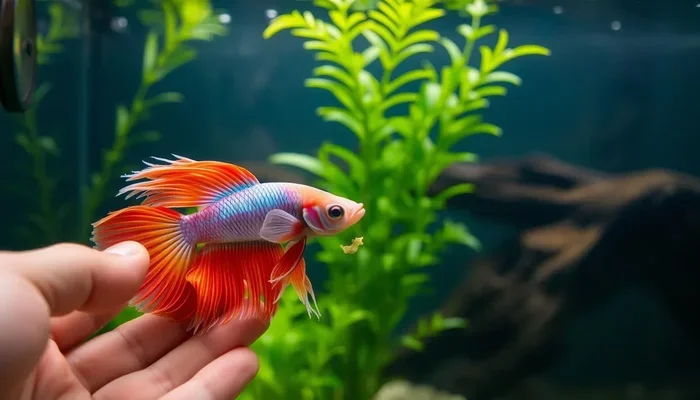
How to Betta Fish Have Babies
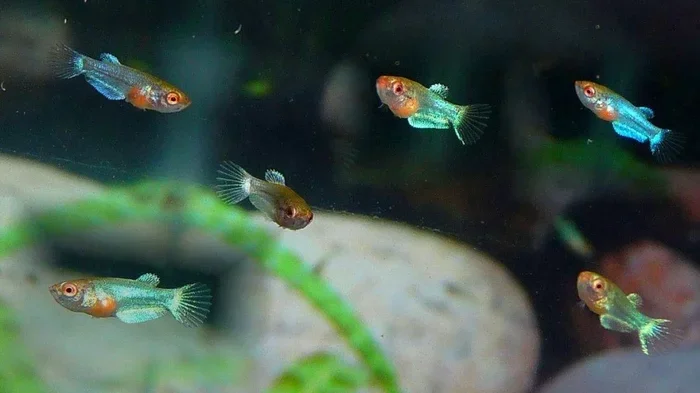
Betta fish have babies through a fascinating process called bubble nesting and external fertilization. Male bettas build bubble nests to hold eggs, and after mating with a female, they carefully guard and tend to the eggs until they hatch. Understanding this process helps you support healthy breeding and raise strong betta fry.
Betta fish have babies in one of the most interesting ways in the fish world. Unlike mammals, bettas don’t carry live young inside their bodies. Instead, they use a process called bubble nesting. This method is unique and fascinating to watch. If you have ever wondered how betta fish reproduce, this guide covers everything you need to know.
Many fish keepers find betta breeding exciting. But it requires patience, the right setup, and a good understanding of betta behavior. Whether you are a beginner or have some experience, learning about betta fish reproduction helps you create the best conditions for successful breeding. Let us walk through the entire process step by step.
## How Betta Fish Reproduce
### The Role of the Male Betta
The male betta fish plays the biggest role in the breeding process. He is the one who builds the bubble nest. A bubble nest is a collection of tiny air bubbles that stick together at the water surface. The male betta creates these bubbles using saliva and air.
The bubble nest serves as a safe home for the eggs. Once the female releases her eggs, the male collects them and places them gently into the nest. He then guards the nest carefully until the eggs hatch. This guarding behavior is very important. Without a healthy bubble nest, the eggs will not survive.
### The Role of the Female Betta
The female betta fish has an equally important job. She produces the eggs inside her body. When she is ready to breed, her body releases eggs that the male can fertilize. A healthy female betta can produce a surprising number of eggs in one spawning session.
Before breeding, the female needs to be in good health. She should be well-fed and kept in clean water. Regular water changes help keep her in top condition. A stressed or unhealthy female may not release eggs properly.
## Setting Up a Breeding Tank
### Tank Size and Setup
Setting up a proper breeding tank is the first step toward successful betta fish reproduction. You do not need a huge tank. A 10-gallon tank works well for breeding bettas. The water should be shallow, about 5 to 6 inches deep. This makes it easier for the male to build and maintain his bubble nest.
The breeding tank should have a sponge filter. This provides gentle water flow without strong currents. Bettas do not like strong water movement. A gentle filter keeps the water clean without stressing the fish.
Here are the key setup steps:
- Use a 10-gallon tank or smaller
- Keep the water shallow (5 to 6 inches deep)
- Install a gentle sponge filter
- Add a heater to maintain warm water
- Include floating plants or a breeding mop
- Keep the tank dimly lit
### Water Temperature and Conditions
Water temperature plays a huge role in betta fish breeding. The ideal temperature is between 78 and 82 degrees Fahrenheit. Warm water encourages the male to build a bubble nest. It also helps the female produce healthy eggs.
The water should be soft and slightly acidic. A pH level between 6.5 and 7.0 works best. Betta fish do need specific water conditions for breeding to succeed. Use a water test kit to check the parameters before introducing the fish.
Clean water is essential. Do a small water change before starting the breeding process. Fresh, dechlorinated water at the right temperature sets the stage for healthy betta fish reproduction.
## The Breeding Process Step by Step
### Introducing the Male and Female
The breeding process begins when you introduce the male and female betta fish. Place them in separate containers within the same breeding tank. This lets them see each other without direct contact. They will start showing interest in each other within a day or two.
Watch for signs of readiness. The male will start building or improving his bubble nest. The female may develop a white spot on her belly called the ovipositor. This means she is ready to release eggs.
### The Spawning Dance
Once both fish are ready, you can introduce the female into the male’s tank. The male will start a beautiful courtship display. He will wrap his body around the female in what is called a spawning embrace. During this embrace, the female releases eggs and the male fertilizes them.
This process repeats several times over a few hours. The male will chase the female and collect the falling eggs, placing them into the bubble nest. A single spawning session can produce anywhere from 30 to 100 or more eggs.
### After Spawning
Once spawning is complete, remove the female from the tank. The male will become aggressive toward her and may harm her. Betta fish do need to be kept alone after breeding. The male will focus on tending to the eggs and the bubble nest.
The male guards the nest constantly. He picks up any eggs that fall and places them back in the nest. He also repairs the nest as needed. This is a critical time to keep the tank peaceful and undisturbed.
## Caring for Betta Fry
### When the Eggs Hatch
Betta fish eggs typically hatch within 24 to 48 hours. The fry will stay attached to the bubble nest for another day or two. During this time, the male continues to care for them. He will pick up any fry that fall and return them to the nest.
After the fry become free-swimming, it is time to remove the male. He may start eating the fry if left in the tank. Transfer him carefully to a separate container.
### Feeding Betta Fry
Betta fry need very small food. Infusoria or liquid fry food works well for the first few days. As they grow, you can introduce baby brine shrimp. These tiny foods are the perfect size for newborn betta fish.
Feed the fry small amounts several times a day. Clean water is just as important for fry as it is for adult bettas. Proper care includes regular water maintenance even in a fry tank.
### Raising Healthy Fry
Raising betta fry takes patience and attention. Here are some tips to help them thrive:
- Keep the water temperature stable at 80 degrees Fahrenheit
- Perform small, frequent water changes
- Feed tiny amounts multiple times a day
- Watch for any signs of disease or stress
- Separate fry by size if they grow at different rates
- Provide hiding spots with fine-leaved plants
Not all fry will survive. This is normal in fish breeding. But with good care, many will grow into healthy young bettas.
## Common Breeding Mistakes to Avoid
### Skipping the Quarantine Period
One of the biggest mistakes new breeders make is not quarantining the fish. Both the male and female should be kept separately for at least two weeks before breeding. This ensures they are healthy and free from parasites or diseases.
### Wrong Water Conditions
Cold water or poor water quality will stop breeding completely. Betta fish need the right water to breed successfully. Always test and adjust water parameters before starting.
### Disturbing the Bubble Nest
The male betta works hard to build and maintain his bubble nest. Avoid tapping on the tank or making sudden movements near the breeding tank. Disturbances can destroy the nest and stop the breeding process.
### Leaving the Female Too Long
Some breeders make the mistake of keeping the female in the tank too long after spawning. This can lead to injury from the male’s aggressive behavior. Remove the female as soon as spawning is complete.
## Expert Tips for Successful Betta Breeding
Experienced breeders share a few extra tips that can make a big difference. First, choose healthy breeding stock. Look for fish with vibrant colors and no signs of disease. Knowing the age of your female betta helps too. Females between 4 and 12 months old are at their prime breeding age.
Second, condition the fish before breeding. Feed them high-quality live or frozen foods for one to two weeks before introducing them. This prepares their bodies for the demands of spawning and egg production.
Third, be patient. Not every breeding attempt will be successful. Sometimes the male will not build a nest. Sometimes the female will not release eggs. This is normal. Try again with adjustments to the setup or conditions.
Finally, keep records. Note the date of spawning, the number of eggs, and when the fry hatch. This information helps you improve your breeding efforts over time and builds your knowledge as a betta breeder.
## Conclusion
Betta fish have babies through a remarkable process that starts with bubble nest building and ends with tiny, free-swimming fry. The male betta takes on the heavy lifting, building and guarding the nest while the female produces the eggs. With the right tank setup, proper water conditions, and a little patience, you can successfully breed betta fish at home.
Remember that breeding bettas is a responsibility. You need to provide the right environment and care for both the adult fish and the fry. Understanding how betta fish have babies gives you the knowledge to support every stage of the process. Start small, learn from each experience, and enjoy the rewarding world of betta fish breeding.
Key Takeaways
- Betta fish reproduce through bubble nesting: Males build nests at the water surface to hold fertilized eggs.
- Mating requires a male and female: Both fish play specific roles during the breeding process.
- Water conditions matter a lot: Proper temperature and clean water increase breeding success.
- Betta fry need special care: They require tiny food and a safe environment to survive their first weeks.
- Separating the male after breeding is essential: He may eat the eggs or fry if left in the same tank.
- Patience is key: The full breeding cycle takes several days and careful monitoring.
Frequently Asked Questions
How long does it take for betta fish eggs to hatch?
Betta fish eggs typically hatch within 24 to 48 hours after spawning. The male betta keeps the eggs in his bubble nest during this time. Once hatched, the fry stay in the nest for another day or two before becoming free-swimming.
Can a female betta fish have babies without a male?
No, a female betta fish cannot have babies without a male. She can produce eggs, but they need to be fertilized by a male for them to develop into fry. Learn more about female betta reproduction and what happens without a male present.
How many babies do betta fish have in one spawning?
A single spawning session can produce anywhere from 30 to 100 or more eggs. However, not all eggs will hatch, and not all fry will survive. The number of healthy fry depends on water conditions, the health of the parents, and proper care during the breeding process.
Do betta fish lay eggs or have live babies?
Betta fish lay eggs. The female releases eggs into the water, and the male fertilizes them externally. The male then places the fertilized eggs into his bubble nest. They do not give birth to live babies. Find out more about betta fish egg-laying and the differences between egg layers and livebearers.
What should I feed betta fry?
Betta fry need very small food. Start with infusoria or liquid fry food for the first few days. After about a week, you can introduce baby brine shrimp. Feed them tiny amounts several times a day to support their rapid growth during the first weeks of life.
When should I separate the male betta from the fry?
Remove the male betta once the fry become free-swimming and leave the bubble nest. The male may eat the fry if left in the same tank. Use a small net to transfer him carefully to a separate container. This protects both the fry and the male fish.