How to Best Take Care of Betta Fish

Learning how to best take care of betta fish starts with the right tank setup, clean water, and a proper diet. Betta fish are beautiful, hardy pets, but they still need consistent care to thrive. This guide covers every essential topic, from choosing the right tank size to spotting early signs of illness. Follow these tips and your betta will live a long, healthy, and colorful life.
Taking care of a betta fish is one of the most rewarding experiences for a pet owner. These vibrant fish, also known as Siamese fighting fish, bring color and life to any room. But many people underestimate what it takes to keep them truly healthy. If you want to learn how to best take care of betta fish, you are in the right place. This guide walks you through everything from tank setup to daily feeding routines. Let us dive in and make sure your betta thrives.
Key Takeaways
- Tank Size Matters: A minimum 5-gallon tank gives your betta room to swim and stay healthy.
- Water Quality Is Critical: Regular water changes and proper filtration keep your betta safe from toxins and disease.
- Feed Wisely: A varied diet of high-quality pellets and occasional treats supports long-term betta fish health.
- Watch for Warning Signs: Early detection of stress or illness can prevent serious problems and save your fish’s life.
- Avoid Common Mistakes: Overfeeding, tiny bowls, and dirty water are the top reasons bettas struggle in captivity.
📑 Table of Contents
Why Proper Betta Fish Care Matters
Betta fish are often sold in small cups at pet stores. This misleading setup makes people think they are low-maintenance pets. The truth is, bettas need a well-planned environment to live their best life. Without proper care, a betta fish can become stressed, sick, or die prematurely. The average betta lifespan is three to five years, but with excellent care, some bettas live even longer. Taking the time to learn the basics pays off in a happy, active fish that displays stunning colors.
When you invest in proper betta care, you are also creating a peaceful ecosystem in your home. A well-maintained tank looks beautiful and can reduce stress for you too. Think of it as a small commitment that brings daily joy. Below, we break down every aspect of betta fish keeping into simple, actionable steps.
Setting Up the Ideal Betta Fish Tank
The foundation of great betta care starts with the right tank. Many beginners make the mistake of keeping their betta in a tiny bowl. While bettas can survive in small spaces, they thrive in larger ones. A 5-gallon tank is the sweet spot for a single betta. It gives your fish enough room to explore and stay active.
Choosing the Right Tank Size
Here is a quick comparison of common tank sizes and what they mean for your betta:
- 1-2 gallon bowls: Too small for long-term health. These limit movement and make water quality hard to maintain.
- 5-gallon tank: The recommended minimum. Easy to manage and gives your betta plenty of swimming space.
- 10-gallon tank or larger: Ideal for a single betta or a small community setup with peaceful tank mates.
A larger tank also helps stabilize temperature and water parameters. This means less work for you and a happier fish. When setting up the tank, add a gentle filter and a heater. Bettas are tropical fish and need warm water between 76 and 82 degrees Fahrenheit.
Tank Setup Essentials
Here are the key items you need for a proper betta fish tank setup:
- Heater: A small aquarium heater keeps the water at a stable, warm temperature.
- Filter: Choose a gentle filter, since bettas do not like strong currents. Sponge filters work great.
- Substrate: Soft gravel or sand creates a natural look and supports beneficial bacteria.
- Decorations: Live or silk plants give your betta places to hide and explore. Avoid sharp plastic plants.
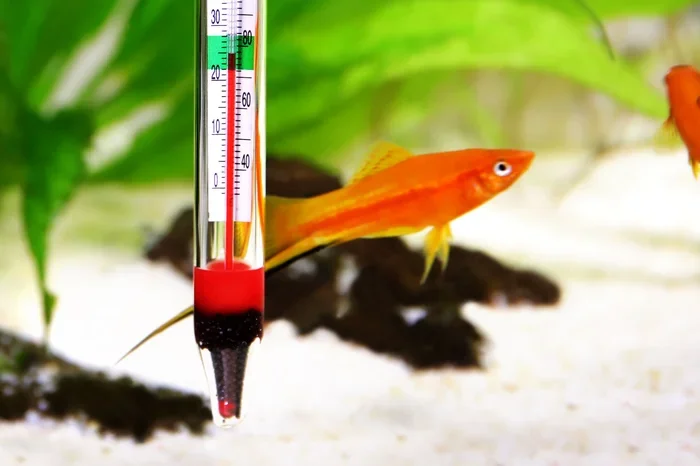
- Thermometer: A simple sticker thermometer helps you monitor water temperature daily.
Before adding your betta, let the tank cycle for at least two weeks. This builds helpful bacteria that break down harmful toxins. Proper tank cycling is one of the most important steps many beginners skip. Skipping this step can lead to ammonia spikes that harm or kill your fish.
Feeding Your Betta Fish the Right Way
Diet plays a huge role in your betta’s overall health and color. Many owners overfeed their bettas, which causes constipation and poor water quality. Bettas are carnivorous by nature, so they need a protein-rich diet. The best approach is to feed high-quality betta pellets as the staple food. Look for pellets where the first ingredient is whole fish or fish meal.
Best Foods for Betta Fish
Variety keeps your betta healthy and interested in food. Consider these options:
- High-quality betta pellets: The foundation of a balanced diet. Feed 2-3 pellets twice a day.
- Frozen or live brine shrimp: A fantastic treat that encourages natural hunting behavior.
- Bloodworms: Nutritious but should only be given a few times a week as a supplement.
- Daphnia: A natural digestive aid that helps prevent constipation.
A good rule of thumb is to feed only what your betta can eat in two minutes. Remove any uneaten food right away to keep the water clean. Overfeeding is one of the most common mistakes new betta owners make, and it can quickly lead to water quality problems and health issues.
Maintaining Water Quality and Temperature
If there is one thing that matters most for betta fish, it is clean, stable water. Bettas are sensitive to changes in water parameters. Poor water quality is the number one cause of illness in pet bettas. Understanding how to manage your betta fish water conditions will save you a lot of trouble down the road.
Water Parameters to Monitor
Keep these key parameters in check for a healthy betta environment:
- Temperature: 76-82°F (24-28°C). Use a heater and thermometer to maintain consistency.
- pH Level: Aim for a neutral pH around 7.0. Bettas can tolerate slight variations between 6.5 and 7.5.
- Ammonia and Nitrite: Both should be at 0 ppm. Even low levels can stress your fish.
- Nitrate: Keep below 20 ppm through regular water changes.
Water Change Schedule
Performing regular water changes is essential. For a 5-gallon tank, change 25-30% of the water every week. Use a gravel vacuum to remove debris from the substrate. Always treat new water with a water conditioner to remove chlorine and chloramine before adding it to the tank. Learning about betta fish water care is one of the best investments you can make as an owner.
Also, never replace all the water at once. A full water change removes beneficial bacteria that keep your tank balanced. Stick to partial changes weekly, and your tank ecosystem will stay healthy and stable.
Keeping Your Betta Fish Healthy and Happy
A healthy betta fish is active, colorful, and curious. It swims around the tank, explores decorations, and responds to your presence. But sometimes, even with the best care, problems can arise. Knowing the signs of a stressed or sick betta helps you act quickly.
Signs of a Healthy Betta
- Bright, vibrant colors and flowing fins
- Active swimming and interest in food
- Clear eyes and smooth scales
- Regular eating habits
Common Health Problems
Watch out for these warning signs that something is wrong:
- Fin rot: Frayed or discolored fins caused by bacterial infection. Often linked to poor water quality.
- Ich (white spots): A parasitic infection that appears as white dots on the body and fins.
- Swim bladder disease: Difficulty maintaining balance, often caused by overfeeding or constipation.
- Loss of color: Can indicate stress, illness, or poor diet.
If you notice any of these symptoms, test your water parameters first. Many health issues trace back to water problems. Catching illness early gives your betta the best chance of recovery. Quarantine a sick fish in a separate tank to prevent spreading disease to other aquarium inhabitants.
Enhancing Your Betta’s Color Naturally
One of the most exciting parts of betta keeping is watching their colors deepen over time. You can support vibrant coloration through diet and environment. Foods rich in carotenoids and spirulina help bring out reds, blues, and greens. A stress-free tank with soft lighting also encourages natural color display. Enhancing your betta’s color is a rewarding part of the hobby that any owner can enjoy.
Common Mistakes to Avoid
Even well-meaning owners can fall into habits that hurt their betta. Here are the most common mistakes and how to avoid them:
- Keeping your betta in a tiny bowl: A small bowl limits movement, makes temperature control nearly impossible, and allows toxins to build up fast.
- Overfeeding: Excess food rots in the water and creates ammonia. Feed small amounts twice a day and skip one feeding day per week.
- Skipping water changes: Even with a filter, waste builds up over time. Consistent partial water changes are non-negotiable.
- Using untreated tap water: Chlorine and chloramine in tap water are toxic to fish. Always use a conditioner before adding water to the tank.
- Placing the tank in direct sunlight: This causes temperature swings and promotes algae growth. Choose a spot with indirect light.
Avoiding these simple mistakes will set you on the path to success. Most betta health problems are preventable with consistent, basic care.
Quick Tips for Busy Betta Owners
Not everyone has hours to spend on aquarium maintenance. Here are quick tips that make betta fish care easy even on a hectic schedule:
- Set a weekly reminder for water changes. A 10-minute task keeps everything running smoothly.
- Keep test kits on hand. A quick test takes seconds but catches problems before they escalate.
- Prep food in advance. Measure out a week’s worth of pellets so you never overfeed.
- Observe your fish daily. Just a quick glance while you make coffee can reveal changes in behavior or appearance.
- Keep a simple log. Note water parameters, feeding amounts, and any observations. Patterns help you catch issues early.
These small habits add up to big benefits. Consistent care is far easier than fixing problems after they develop.
Final Thoughts on Betta Fish Care
Learning how to best take care of betta fish is a journey, not a destination. Every tank is different, and your fish will teach you something new over time. The key is to stay consistent with feeding, water changes, and monitoring. A well-cared-for betta fish is a joy to watch and a true companion in your home.
Start with the basics: a properly sized tank, clean water, a balanced diet, and a stress-free environment. From there, you can explore advanced topics like breeding, tank mates, and color enhancement. The most important thing is to enjoy the process and give your betta the best life possible. With the knowledge you have gained from this guide, you are already well on your way to becoming a confident and caring betta fish owner.
Frequently Asked Questions
How often should I feed my betta fish?
Feed your betta twice a day with a small amount of food, about 2-3 pellets per feeding. It is also helpful to skip one feeding day per week to support healthy digestion and prevent overfeeding.
What is the best tank size for a betta fish?
A 5-gallon tank is the minimum recommended size for a single betta fish. Larger tanks provide more stable water conditions and give your fish room to swim, which supports better overall health and longevity.
Can betta fish live with other fish?
Yes, but carefully. Bettas can sometimes live with peaceful, non-fin-nipping species like corydoras or small tetras. Avoid housing two male bettas together, as they will fight. Always research compatibility before adding tank mates.
Why is my betta fish staying at the bottom of the tank?
A betta staying at the bottom could be a sign of stress, illness, or poor water quality. Check your water parameters first, especially ammonia and nitrite levels. If the water is clean, observe for other symptoms like loss of appetite or faded colors.
Do betta fish need a heater?
Yes, bettas are tropical fish and need a consistent water temperature between 76 and 82 degrees Fahrenheit. A small aquarium heater helps maintain this range and prevents temperature fluctuations that can stress your fish.
How can I tell if my betta fish is happy?
A happy betta is active, swims around the tank, builds bubble nests, eats eagerly, and displays bright, vibrant colors. If your fish shows these behaviors, it is a strong sign that its environment and care are meeting its needs.