How Often to Changr Betta Fish Filters
Knowing how often to change betta fish filters is essential for a healthy aquarium. Most filter media needs replacement every 4 to 6 weeks, while mechanical parts require rinsing every 1 to 2 weeks. Proper filter care removes toxins, supports beneficial bacteria, and keeps your betta fish happy and active.
Keeping your betta fish healthy starts with a clean and functioning filter. Many new fish owners overlook this simple fact. The filter in your betta tank works around the clock to remove harmful toxins and keep the water safe. But how often should you actually change or replace that filter?
The answer depends on several factors. These include the type of filter you use, the size of your tank, and how many fish live inside. In this guide, we will walk you through everything you need to know about how often to change betta fish filters. You will learn the best schedules, common mistakes, and easy tips to keep your aquarium sparkling clean.
Whether you just got your first betta or you have been caring for them for years, this guide has something for you. Let us dive in and make filter maintenance simple.
Key Takeaways
- Replace filter media every 4 to 6 weeks to maintain effective biological and chemical filtration in your betta tank.
- Rinse mechanical filter sponges every 1 to 2 weeks using old tank water to preserve beneficial bacteria.
- Never replace all filter media at once or you risk cycling your tank and harming your betta fish.
- Choose gentle filter flow rates to match the needs of betta fish, who prefer calm water movement.
- Watch for cloudy water, foul odors, or reduced flow as clear signs your filter needs attention.
- Pair filter changes with regular water changes for the best results in betta fish tank maintenance.
📑 Table of Contents
- Why Filter Maintenance Matters for Betta Fish
- How Often Should You Change Your Betta Fish Filter
- Types of Filters Best for Betta Fish Tanks
- Step-by-Step Guide to Changing Your Betta Fish Filter
- Common Mistakes to Avoid When Changing Filters
- Signs Your Betta Filter Needs Immediate Attention
- Expert Tips for Long-Lasting Filter Performance
- Conclusion
Why Filter Maintenance Matters for Betta Fish
Your betta fish filter does more than just keep the water looking clear. It plays a huge role in the overall health of your aquarium. Without a working filter, toxic chemicals like ammonia and nitrite can build up quickly. These substances are dangerous and even deadly for betta fish.
How Filters Work in a Betta Tank
Most aquarium filters use three types of filtration. Mechanical filtration catches debris and uneaten food particles. Biological filtration supports helpful bacteria that break down harmful toxins. Chemical filtration uses materials like activated carbon to remove odors and discoloration.
All three types work together to create a safe environment. When any part of the filter fails, water quality drops fast. This is why regular maintenance is so important.
The Connection Between Filter Care and Betta Health
A dirty or broken filter can cause serious problems. Betta fish are sensitive to water changes. Poor water quality leads to stress, disease, and a shorter lifespan. On the other hand, a well-maintained filter promotes strong fins, bright colors, and active behavior.
Many owners also ask how to take care of betta fish water alongside filter changes. Both tasks go hand in hand for a thriving aquarium.
How Often Should You Change Your Betta Fish Filter
This is the most common question among betta fish owners. The short answer is that it depends on what part of the filter you are talking about. Different components need attention on different schedules.
Filter Media Replacement Schedule
Filter media refers to the materials inside your filter that do the actual cleaning work. Here is a simple breakdown:
- Biological media (ceramic rings, bio balls): Replace every 6 to 12 months. These harbor beneficial bacteria and should only be rinsed gently.
- Chemical media (activated carbon): Replace every 2 to 4 weeks. Carbon loses its effectiveness over time.
- Mechanical media (sponges, floss): Replace every 4 to 6 weeks or when they start falling apart.
Rinsing vs. Replacing
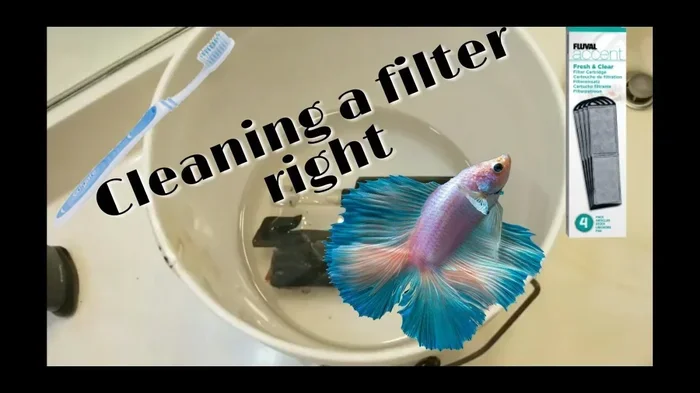
Rinsing and replacing are two different things. You should rinse mechanical sponges every 1 to 2 weeks. Use old tank water, not tap water, to protect the beneficial bacteria. Replacing means swapping out old media for new media on the schedule above.
If you are unsure about your specific setup, check out our guide on how often to clean a betta fish tank for more practical advice.
How Tank Size Affects Filter Change Frequency
Larger tanks need less frequent filter changes because the water volume dilutes waste. Smaller tanks, on the other hand, accumulate toxins faster. Here is a quick comparison:
- 2.5 gallon tank: Rinse mechanical media every 1 week. Replace chemical media every 2 weeks.
- 5 gallon tank: Rinse every 1 to 2 weeks. Replace chemical media every 3 to 4 weeks.
- 10 gallon tank or larger: Rinse every 2 weeks. Replace chemical media every 4 to 6 weeks.
Remember that over-filtering is better than under-filtering. But you should still follow the schedules above to keep your system balanced.
Types of Filters Best for Betta Fish Tanks
Not all filters are created equal. Some work better for betta fish than others. Choosing the right type makes maintenance easier and keeps your fish comfortable.
Sponge Filters
Sponge filters are a popular choice for betta tanks. They provide gentle mechanical and biological filtration. The flow rate is low, which betta fish prefer. Cleaning a sponge filter is simple. Just squeeze the sponge in old tank water every 1 to 2 weeks.
Sponge filters rarely need full replacement. You can use the same sponge for over a year if you rinse it regularly.
Hang-On-Back Filters
Hang-on-back, or HOB, filters are powerful and efficient. They offer all three types of filtration. However, betta fish sometimes struggle with the strong water flow these filters create. If you use an HOB filter, consider baffle the output to reduce flow.
Many owners wonder if some filters are too strong for bettas. Our article on are some water filters too strong for betta fish covers this topic in detail.
Internal Filters
Internal filters attach to the inside of the tank wall. They are compact and easy to maintain. These filters work well for small betta tanks and are simple to rinse and replace. They are a great option for beginners who want straightforward filter maintenance.
Step-by-Step Guide to Changing Your Betta Fish Filter
Changing your betta fish filter does not have to be complicated. Follow these simple steps to keep your tank clean and your fish healthy.
Step 1: Gather Your Supplies
Before you start, collect everything you need. You will need new filter media, a bucket, old tank water, and a soft brush or sponge. Having everything ready makes the process smooth and fast.
Step 2: Unplug and Remove the Filter
Always unplug the filter before handling it. Remove it from the tank carefully. Place it on a clean towel or towel you use only for aquarium purposes.
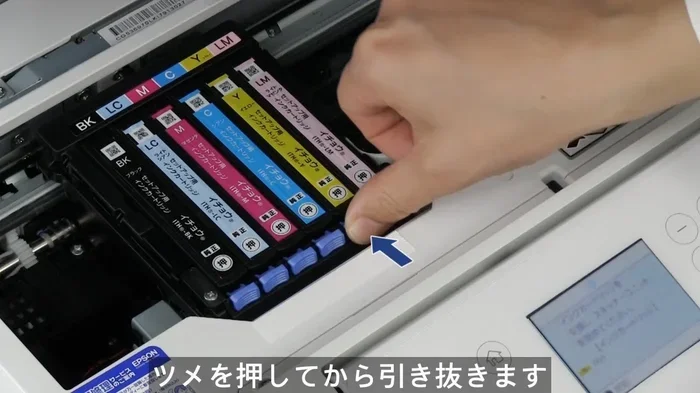
Step 3: Rinse the Mechanical Media
Take out the sponge or filter floss. Rinse it gently in old tank water. Never use tap water because chlorine kills beneficial bacteria. Squeeze the sponge a few times until the water runs clear.
Step 4: Replace Chemical and Biological Media
Check the age of your chemical media. If it has been more than 4 weeks, replace it. For biological media, only replace it if it is crumbling or falling apart. Always keep some old biological media to maintain your bacteria colony.
Step 5: Reassemble and Reinstall
Put all the media back in the correct order. Reattach the filter to the tank. Plug it in and check that water flows through properly. Your filter is now fresh and ready to work.
If you want to pair this with a water change, check out how often to change water for betta fish for the best routine.
Common Mistakes to Avoid When Changing Filters
Even experienced fish owners make mistakes with filter changes. Here are the most common ones and how to avoid them.
Mistake 1: Replacing All Filter Media at Once
This is the number one mistake. When you replace all media at once, you wipe out beneficial bacteria. This can cause a dangerous spike in ammonia levels. Always keep at least some old biological media when you change filters.
Mistake 2: Using Tap Water to Rinse Filter Media
Tap water contains chlorine and chloramine. These chemicals kill the beneficial bacteria your tank needs. Always use old tank water for rinsing. This simple step protects your entire aquarium ecosystem.
Mistake 3: Ignoring the Filter Until Something Goes Wrong
Many owners only think about their filter when the water looks bad or the fish seem sick. Proactive maintenance prevents problems before they start. Stick to a regular schedule and your filter will work reliably for months.
Mistake 4: Choosing the Wrong Filter for Your Tank
Using an oversized or undersized filter causes problems. Too strong a flow stresses betta fish. Too weak a filter fails to clean the water properly. Match your filter to your tank size and your fish’s needs.
Signs Your Betta Filter Needs Immediate Attention
Sometimes things go wrong between scheduled maintenance. Knowing the warning signs helps you act fast and protect your betta fish.
- Cloudy or discolored water: This often means the filter is no longer removing debris effectively.
- Foul odor from the tank: A rotten smell indicates a buildup of waste that the filter cannot handle.
- Reduced water flow: If the output is weaker than usual, the filter media may be clogged.
- Your betta fish acting lethargic: Stress from poor water quality often shows up as low energy and loss of appetite.
- Visible debris floating: This suggests the mechanical filtration is failing and needs rinsing or replacement.
If you notice any of these signs, check your filter right away. For more help with water quality issues, read how to prepare water for a betta fish to ensure your tank water stays safe and clean.
Expert Tips for Long-Lasting Filter Performance
Want your filter to last longer and work better? Follow these expert-backed tips.
- Keep spare media on hand. Having extra chemical and mechanical media ready means you never skip a replacement.
- Stagger your replacements. Replace one type of media at a time. This preserves bacteria colonies and keeps filtration running smoothly.
- Clean the filter housing regularly. Algae and gunk build up on the outside too. Wipe it down monthly for best results.
- Monitor your water parameters. Test kits help you catch problems early. Ammonia and nitrite levels should always read zero.
- Match your filter to your setup. If you have a planted tank or a single betta in a small bowl, choose a gentle filter. For larger community tanks, a stronger filter may be needed.
Pairing your filter routine with proper betta fish tank maintenance creates the ideal environment. Your fish will show you the difference through vibrant colors and energetic swimming.
Conclusion
Understanding how often to change betta fish filters is one of the most important skills for any betta owner. Replace chemical media every 2 to 4 weeks, rinse mechanical sponges every 1 to 2 weeks, and keep biological media for 6 to 12 months. Avoid the common mistakes that catch so many new owners off guard.
A clean filter means clean water. Clean water means a happy, healthy betta fish. Start following the schedules and tips in this guide today. Your fish will thank you with years of vibrant life and beautiful fins. Stay consistent, stay proactive, and enjoy the rewarding hobby of betta fish keeping.
Frequently Asked Questions
How often should I replace my betta fish filter cartridge?
Most filter cartridges need replacement every 4 to 6 weeks. However, if you have a reusable sponge filter, you only need to rinse it regularly. Always check the manufacturer’s recommendations for your specific filter model.
Can I clean my betta filter with tap water?
No, tap water contains chlorine and chloramine that kill beneficial bacteria. Always use old tank water from a water change to rinse your filter media. This protects the bacterial colony that keeps your tank safe.
What happens if I change all the filter media at once?
Changing all media at once crashes your biological filtration. Beneficial bacteria populations drop suddenly, causing ammonia and nitrite spikes. This can seriously harm or even kill your betta fish. Always replace media in stages.
How do I know if my betta filter is too strong?
If your betta struggles to swim against the current or stays near the bottom, the flow is likely too strong. Consider adding a baffle or switching to a gentler filter like a sponge filter. For more details, see our guide on water filter strength for betta fish.
Do I need to change my filter after treating my betta fish for illness?
After treating your betta for illness, it is a good idea to change the filter media. Medications can kill beneficial bacteria and degrade filter materials. Fresh media helps restore clean water conditions after treatment.
How does filter maintenance relate to regular water changes?
Filter maintenance and water changes work together to keep your tank healthy. The filter removes debris and toxins between water changes. Water changes dilute accumulated waste that the filter cannot process alone. Together, they form the foundation of proper betta fish care. For a complete routine, check out how to properly take care of betta fish for a full care guide.