How Often Should Feed a Betta Fish
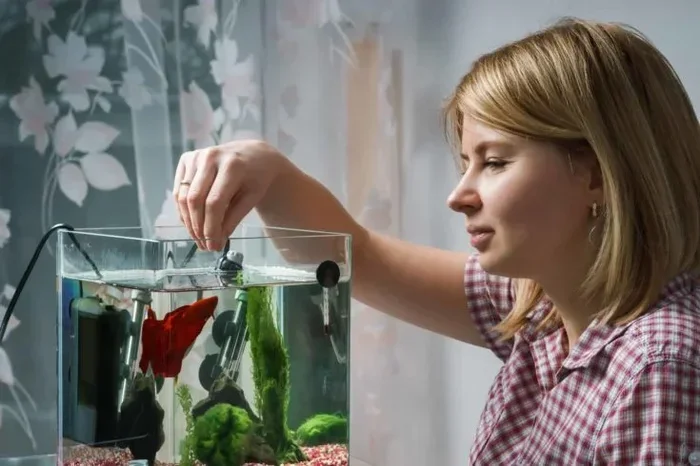
Figuring out how often should feed a betta fish is one of the most important parts of betta care. Most experts recommend feeding your betta 2 small meals per day, about 12 hours apart. The right feeding schedule keeps your fish healthy, prevents overfeeding, and supports a long, vibrant life.
Key Takeaways
- Feed 2 small meals daily: Morning and evening feedings work best for most bettas.
- Portion control matters: Only give what your betta can eat in 2 minutes to avoid health problems.
- Variety is key: Rotate between pellets, flakes, and occasional treats like bloodworms for balanced nutrition.
- Watch for hunger signs: A betta that begs for food may still be getting enough — don’t overfeed.
- Skip one day a week: A fasting day helps prevent bloating and digestive issues in betta fish.
- Clean water supports feeding: Regular tank maintenance keeps your fish healthy and hungry at the right times.
📑 Table of Contents
- How Often Should Feed a Betta Fish: The Complete Guide
- Why Feeding Frequency Matters for Bettas
- How Many Times a Day Should You Feed a Betta Fish
- How Much Food Should a Betta Fish Eat
- Creating the Perfect Betta Feeding Schedule
- Common Feeding Mistakes to Avoid
- Special Feeding Situations
- How to Tell If Your Betta Is Getting Enough Food
- Conclusion
How Often Should Feed a Betta Fish: The Complete Guide
If you own a betta fish, you have probably wondered, how often should feed a betta fish. It is a simple question, but the answer matters a lot. Feed too little and your fish gets weak. Feed too much and you risk serious health problems. The good news is that getting the feeding schedule right is easier than most people think.
A proper betta fish feeding routine keeps your fish active, colorful, and full of energy. It also keeps the water clean longer, since uneaten food is one of the biggest causes of tank pollution. In this guide, we will walk through everything you need to know about how often to feed a betta fish, how much food to give, and the best feeding practices for a happy, healthy fish.
Whether you are a first-time betta owner or a seasoned fish keeper, this guide will help you set up a routine that works. Let us dive in and make sure your betta is getting exactly what it needs.
Why Feeding Frequency Matters for Bettas
Betta fish are small creatures with simple digestive systems. Their stomachs are tiny, about the size of their eye. This means they cannot handle large meals. When you how often should feed a betta fish, you are really asking how to match their natural eating patterns in a home tank.
In the wild, bettas eat small insects and larvae throughout the day. They do not get one big meal. Instead, they snack frequently. Replicating this pattern in a home aquarium is the goal. A consistent betta fish feeding schedule mimics their natural behavior and keeps their metabolism steady.
Overfeeding is the number one killer of pet bettas. Many new fish owners think more food equals a happier fish. That is not true. Excess food rots in the tank, spikes ammonia levels, and causes deadly water quality issues. A good betta fish care routine always includes measured, timed feedings.
The Risks of Overfeeding
Overfeeding causes a long list of problems. Here are the most common ones:
- Bloating and constipation: Betta fish stomachs cannot process large amounts of food at once.
- Swim bladder disease: This painful condition makes it hard for your fish to swim properly.
- Poor water quality: Uneaten food decays fast and releases harmful toxins into the water.
- Fatty liver disease: Too many calories over time damage internal organs.
- Shortened lifespan: A chronically overfed betta may live years less than a properly fed one.
On the flip side, underfeeding can also cause problems. A malnourished betta becomes lethargic, loses color, and becomes vulnerable to disease. The key is finding the right balance, which starts with understanding how often do you feed a betta fish correctly.
How Many Times a Day Should You Feed a Betta Fish
The standard recommendation is two small meals per day. This is the sweet spot for most bettas. A morning feeding and an evening feeding, spaced about 12 hours apart, works perfectly. This mimics a natural day-night cycle and keeps digestion regular.
Some experienced fish keepers prefer one meal per day with a fasting day once a week. This approach works well for bettas that are prone to bloating. If you go this route, make sure the single meal is nutrient-dense and appropriately sized.
If you are wondering how many times a day to feed a betta fish, the answer depends on your fish’s age, activity level, and overall health. Young bettas and breeding males may need slightly more frequent feedings. Senior bettas, on the other hand, do better with less food. Adjust based on what your fish tells you.
| Feeding Frequency | Best For | Portion Size |
|---|---|---|
| 2 meals per day | Most adult bettas | 2-3 pellets or small flakes per meal |
| 1 meal per day + 1 fasting day | Bettas prone to bloating | 3-4 pellets per meal |
| 2 meals + 1 treat | Active, young bettas | 2 pellets + 1 treat treat |
Signs You Are Feeding Too Much
Watch for these warning signs that your feeding routine needs adjustment:
- Food left uneaten after 5 minutes
- Cloudy water shortly after feeding
- Your betta appears bloated or has a swollen belly
- Your fish stops eating or shows no interest in food
- Long strings of waste hanging from the fish
How Much Food Should a Betta Fish Eat
Portion size is just as important as frequency. The general rule is simple: give your betta only what it can eat in about 2 minutes. This prevents leftover food from polluting the tank and keeps your fish from overeating.
A good starting point is 2 to 3 small pellets per feeding. If you use flakes, a pinch the size of your fish’s eye works well. Some brands make betta-specific pellets that expand in water, so start with fewer pellets than you think you need. You can always add a tiny bit more if your fish finishes quickly.
When you think about how much to feed a betta fish, remember that bettas are not bottom feeders. They eat from the surface of the water. If food sinks and sits at the bottom, it will rot and harm your water quality. Always use floating betta food or soak sinking food before adding it to the tank.
For more detailed guidance on portions, check out our article on how much to feed a betta fish for expert tips and visual portion guides.
Best Foods for Betta Fish
Not all fish food is created equal. Bettas are carnivores and need a protein-rich diet. Here are the best food options:
- Betta pellets: The staple food. Look for brands with high protein content (35% or more).
- Betta flakes: A good alternative, but they lose nutrients faster than pellets.
- Frozen or live bloodworms: Great as an occasional treat, not a staple food.
- Brine shrimp: Another excellent treat that adds variety to the diet.
- Daphnia: A natural food source that aids digestion and makes a good fasting-day alternative.
For more information on feeding specific foods, see our guide on how to feed a pea to a betta fish and learn about using peas as a natural remedy for constipation.
Creating the Perfect Betta Feeding Schedule
A consistent betta fish meal routine does more than just feed your fish. It helps with training, makes tank maintenance easier, and lets you monitor your fish’s health daily. Here is how to build a routine that works for both you and your betta.
Start by picking two fixed times each day. Many fish owners choose 8 AM and 8 PM. These times work well because they align with natural light cycles. Feed at these times every single day, even on weekends. Bettas thrive on routine and will soon learn to anticipate their meals.
When it is feeding time, follow these steps:
- Turn off the tank light briefly to reduce stress and slow your betta down.
- Add the food slowly and watch your fish eat.
- Wait 2 minutes, then remove any uneaten food with a small net or siphon.
- Turn the light back on and note how much your fish ate.
This routine takes only a few minutes but gives you valuable insight into your fish’s appetite and behavior. If your betta suddenly stops eating or eats significantly less, that is often the first sign of illness. Catching these changes early can save your fish’s life.
For those asking how often do I feed my betta fish, the answer is the same: twice a day with a consistent schedule. Once your betta knows the routine, mealtimes become a fun bonding moment between you and your fish.
Common Feeding Mistakes to Avoid
Even experienced fish owners make mistakes when it comes to feeding. Here are the most common ones and how to fix them:
Mistake 1: Feeding Too Much at Once
This is the most common error. A betta’s stomach is tiny. A few pellets are plenty. If your fish is begging for more, it is usually just habit, not actual hunger. Stick to the 2-minute rule and resist the urge to add extra food.
Mistake 2: Feeding the Wrong Food
Many generic tropical fish flakes do not meet a betta’s nutritional needs. Bettas need high-protein food. Always choose food specifically formulated for bettas or other carnivorous fish.
Mistake 3: Ignoring Fasting Days
Betta fish benefit from a fasting day once a week. This gives their digestive system a break and helps prevent bloating. On fasting days, you can offer a single daphnia or just skip food entirely.
Mistake 4: Feeding at Random Times
Inconsistent feeding times stress your betta and disrupt its internal clock. Set alarms on your phone if you need to. A predictable routine keeps your fish calm and healthy.
Mistake 5: Not Removing Uneaten Food
Leftover food decays within minutes in warm water. This spikes ammonia and nitrite levels quickly. Always remove uneaten food after feeding time is over.
For more on maintaining a clean environment, read our guide on how often to clean a betta fish tank to keep the habitat healthy alongside a proper feeding plan.
Special Feeding Situations
Not all bettas are the same. Different life stages and health conditions require adjustments to the standard feeding plan. Here are some situations where you may need to change your approach.
Feeding Baby or Juvenile Bettas
Young bettas grow fast and need more frequent feedings. Feed baby bettas 3 to 4 times per day with very small portions of crushed pellets or baby brine shrimp. As they grow, you can reduce the frequency and increase the portion size gradually.
Feeding Sick or Recovering Bettas
A sick betta may lose its appetite. In this case, try offering a single pellet or a small piece of daphnia. If your fish refuses food for more than 2 days, check the water parameters and consider consulting a fish veterinarian. Sometimes the problem is not the food but the water quality.
Feeding a Betta With Swim Bladder Issues
Bettas prone to swim bladder problems benefit from smaller, more frequent meals. Soak pellets before feeding to prevent air gulping. You can also feed a single thawed pea (without the skin) to help with digestion. For more on this topic, visit our article on how to feed a pea to a betta fish.
Feeding a Betta While You Are Away
If you need to travel, an automatic fish feeder set to 1 small portion works well for trips up to 5 days. For longer trips, ask a friend or neighbor to feed your betta using the portion guidelines above. Always leave clear instructions to prevent overfeeding by the caretaker.
How to Tell If Your Betta Is Getting Enough Food
A well-fed betta shows clear signs of good health. Here is what to look for:
- Bright, vibrant colors: A healthy diet brings out the reds, blues, and greens in your betta’s scales.
- Active swimming: Your betta should move around the tank with energy and curiosity.
- Healthy appetite: Your fish should eat eagerly but not frantically at each feeding.
- Regular waste: Well-formed waste indicates proper digestion and nutrition.
- Stable weight: Your betta should look full-bodied but not bloated.
If your betta shows any of these signs, your feeding frequency and portions are on the right track. If not, it may be time to adjust the routine or review the quality of the food you are using.
Remember that how often should feed a betta fish is not a one-size-fits-all answer. Every fish is different. Pay attention to your individual betta’s behavior, body condition, and energy levels. Adjust the schedule as needed and you will have a thriving, beautiful fish for years to come.
For more tips on betta nutrition and care, explore our full collection of betta fish articles. And if you are ever unsure about your feeding routine, come back to this guide as your go-to reference for how often to feed a betta fish the right way.
Conclusion
Getting the betta fish feeding schedule right is one of the simplest yet most impactful things you can do for your fish. Feed 2 small meals per day, keep portions small, and always remove uneaten food. Add a fasting day once a week, rotate food types for variety, and watch your betta thrive.
Your betta depends on you for everything, including its meals. By following the guidelines in this article, you are giving your fish the best possible chance at a long, healthy, and colorful life. The question of how often should feed a betta fish has a clear answer: consistency, portion control, and quality food make all the difference.
Start today. Set your feeding times, measure your portions, and enjoy the rewarding experience of caring for a well-fed, happy betta fish. Your fish will thank you with vibrant colors and energetic swimming every single day.
Frequently Asked Questions
How often should I feed my betta fish each day?
Most bettas do well with 2 small meals per day, spaced about 12 hours apart. This morning and evening routine mimics their natural eating patterns and keeps digestion steady. Some owners prefer one meal a day with a weekly fasting day, and that works too if portions are adjusted accordingly.
What happens if I overfeed my betta fish?
Overfeeding causes bloating, constipation, swim bladder issues, and poor water quality from uneaten food decaying in the tank. It can also lead to fatty liver disease and a shortened lifespan. Always follow the 2-minute rule and only give what your fish can eat in that time frame.
Can I feed my betta fish once a day instead of twice?
Yes, once-daily feeding works for many bettas, especially those prone to bloating. Just make sure the single meal is slightly larger than a double feeding but still within the 2-minute consumption window. Adding a weekly fasting day helps compensate for the reduced feeding frequency.
How many pellets should I feed my betta fish per meal?
Start with 2 to 3 small pellets per feeding and adjust based on how quickly your fish eats them. Different pellet brands vary in size, so check the recommended portion on the packaging. Remove any uneaten pellets after a few minutes to maintain water quality.
Should I feed my betta fish every day or skip days?
Feed your betta every day on a consistent schedule. Skipping days regularly can lead to malnutrition. However, one fasting day per week is beneficial and helps the digestive system reset. Daily feeding with one rest day is the ideal balance for most bettas.
What is the best time of day to feed a betta fish?
Feed your betta at the same times every day, ideally once in the morning and once in the evening. Consistent timing helps regulate your fish’s metabolism and makes it easier to monitor appetite and behavior. Many owners find that 8 AM and 8 PM work well with their daily routine.