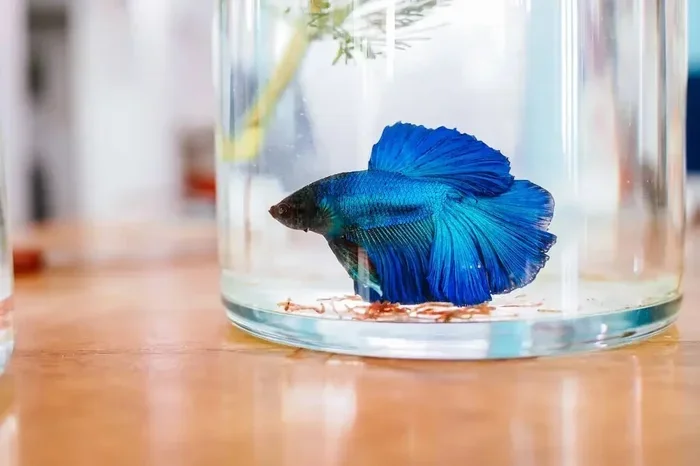
How Often Does a Betta Fish Have to Be Fed
So, how often does a betta fish have to be fed? The answer is once or twice a day, with small portions that your fish can finish in about two minutes. Overfeeding is the most common mistake betta owners make, and it can lead to serious health problems. Follow this guide to build a feeding routine that keeps your betta thriving.
Feeding a betta fish might seem simple on the surface. Just toss in some flakes, right? Not quite. How often does a betta fish have to be fed is one of the most important questions any betta owner should ask. The truth is, getting the feeding schedule right can mean the difference between a vibrant, healthy fish and one that struggles with digestive problems and a shortened lifespan.
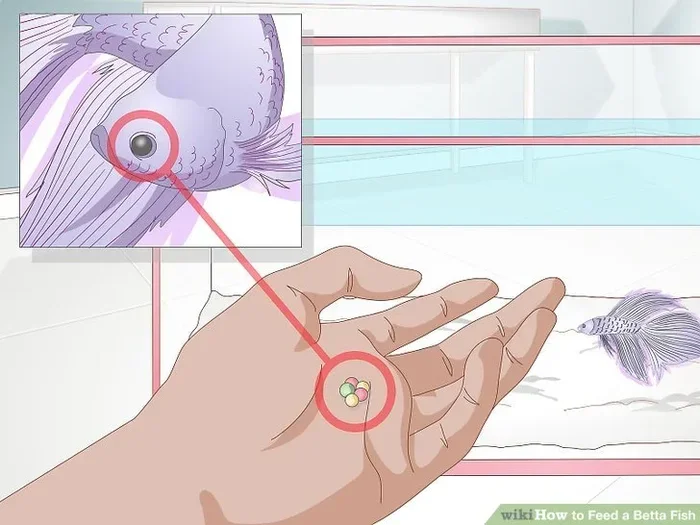
Many new betta owners make the mistake of overfeeding. It is easy to do. Those big, eager eyes staring up at you make it hard to say no. But bettas have tiny stomachs, roughly the size of their eyeball. Giving them too much food leads to bloating, constipation, and polluted water. On the flip side, underfeeding can cause malnutrition and a weakened immune system. Finding the right balance is everything.
This guide breaks down everything you need to know about betta fish feeding frequency, portion sizes, the best foods to offer, and how to spot trouble before it starts. Whether you are a complete beginner or have had bettas for years, you will find practical tips here that make a real difference.
Key Takeaways
- Feed your betta fish once or twice a day: This is the standard recommendation for adult bettas.
- Portion size matters: Only give what your fish can eat in two minutes to avoid overfeeding.
- Variety in diet is key: Rotate between pellets, frozen, and live foods for optimal betta fish nutrition.
- Watch for signs of overfeeding: Bloating, constipation, and dirty water are red flags you should not ignore.
- Fasting days help digestion: Skipping one meal per week can prevent digestive issues in bettas.
- Consistency beats quantity: A regular feeding schedule is more important than the amount of food.
📑 Table of Contents
The Ideal Feeding Schedule for Betta Fish
The general rule for adult bettas is simple: feed them once or twice a day. Each feeding session should be small. You want to offer only what your betta can consume within about two minutes. This prevents leftover food from rotting in the tank and fouling the water.
For younger bettas, especially those under six months old, you may need to feed them more frequently. Baby bettas benefit from two to three small feedings per day. Their metabolism is faster, and they need consistent energy for growth. As they mature, you can scale back to the standard once or twice daily routine.
Morning vs. Evening Feeding
Many owners prefer feeding their betta in the morning. This aligns with a natural daily rhythm and makes it easy to remember. Others split the feedings between morning and evening. Both approaches work well. The key is consistency. Your betta will learn when to expect food, and this reduces stress.
If you choose to feed twice a day, try to space the meals evenly. For example, a morning feeding around 8 AM and an evening feeding around 6 PM creates a predictable pattern. A consistent feeding routine helps regulate your betta’s digestion and keeps their energy levels stable.
What About Skipping Days?
Some experienced betta keepers practice a weekly fasting day. This means skipping one full feeding day each week. Fasting gives the digestive system a break and can help prevent constipation. It is not mandatory, but many owners swear by it. If you are new to betta care, start with a regular feeding schedule first and add a fasting day once you feel comfortable.
How Much Food Should You Give Your Betta Fish
Portion control is just as important as feeding frequency. A common guideline is to offer two to three pellets per feeding for an adult betta. If you are using flakes, a small pinch about the size of a pea works well. The goal is for your betta to eat everything within two minutes. If food is left behind, you are giving too much.
It helps to think of a betta’s stomach in simple terms. It is about the size of the fish’s eye. That is tiny. Keeping portions small and frequent is far better than one large feeding that overwhelms the digestive system.
How to Measure the Right Portion
Here is a quick way to gauge the right amount:
- For pellets: Two to three small pellets per feeding.
- For flakes: A pinch no bigger than a pea.
- For frozen or live food: One or two bloodworms or brine shrimp per feeding.
Adjust these amounts based on your individual betta’s size and appetite. Some bettas are hungrier than others, but the two-minute rule is your best guide. If food remains after two minutes, remove it from the tank to keep the water clean.
Best Foods for Your Betta Fish
Not all fish food is created equal. Bettas are carnivorous by nature, which means they need a protein-rich diet. The best betta fish diet includes a mix of high-quality pellets, frozen foods, and occasional live treats. Let us look at the options.
High-Quality Pellets
Betta-specific pellets should form the foundation of your fish’s diet. Look for pellets where the first ingredient is a named protein source, such as fish meal or shrimp. Avoid generic flake food designed for tropical community fish. It often lacks the protein levels bettas need. Feeding your betta quality pellets ensures they get balanced nutrition every day.
Frozen and Freeze-Dried Foods
Frozen bloodworms, brine shrimp, and daphnia are excellent supplements. They are packed with protein and mimic what bettas would eat in the wild. Freeze-dried versions are also convenient. Just make sure to soak them in tank water before feeding. Dry food can expand in the stomach and cause bloating.
Live Foods
Live foods are the most natural option. Brine shrimp, mosquito larvae, and daphnia are all great choices. Many bettas love hunting live food, and it can really bring out their natural behaviors. If you are wondering how often does a betta fish have to be fed live food, treat it as an occasional supplement rather than a staple. Two to three times a week is plenty.
For those who also keep other fish, you might wonder whether betta food can be fed to other fish. While betta food is not harmful to other species, it is specially formulated for bettas and may not meet the dietary needs of other fish.
Can Betta Flakes Be Shared With Other Fish?
If you have a community tank and are considering using betta flakes for other inhabitants, check out our guide on whether betta flakes can be fed to other fish. It covers compatibility and safe feeding practices.
Signs You Are Overfeeding or Underfeeding Your Betta
Reading your betta’s body language and observing tank conditions can tell you a lot about whether the feeding routine is working. Both overfeeding and underfeeding come with clear warning signs.
Signs of Overfeeding
- Bloating: A swollen belly that does not go down after feeding is a red flag.
- Constipation: If your betta has not produced waste in more than a day or two, it may be constipated.
- Excess food in the tank: Uneaten food sinks to the bottom and decays quickly.
- Cloudy or smelly water: Overfeeding is one of the leading causes of poor water quality.
- Lethargy: A well-fed betta should be active and curious. If yours seems sluggish, check the feeding amount.
Signs of Underfeeding
- Weight loss: A visibly thin or gaunt betta is not getting enough food.
- Loss of color: Bettas that are underfed may fade in color and look dull.
- Lethargy and hiding: A hungry betta often becomes less active and may hide more than usual.
- Aggressive begging: While it might look cute, constant begging at the glass can signal hunger.
If you notice any of these signs, adjust your betta fish feeding frequency right away. Small, gradual changes work best. Do not suddenly increase or decrease the amount dramatically.
Creating the Perfect Feeding Routine
A good routine is about more than just timing. It is about building habits that support your betta’s long-term health. Here is how to set up a routine that works.
Step 1: Choose Consistent Feeding Times
Pick two times each day and stick to them. Morning and early evening work well for most people. Consistency helps your betta’s body clock regulate digestion and energy levels.
Step 2: Measure the Food Before Adding It
Do not guess. Use the portion guidelines we discussed earlier. Pre-measuring your betta’s food prevents accidental overfeeding. A small container with pellets ready to go makes this even easier.
Step 3: Watch Your Betta Eat
Take a moment to observe your betta during feeding time. This is not just a bonding experience. It lets you see how quickly your fish eats and whether any food is going to waste. If your betta seems disinterested, it might be a sign of stress or illness rather than a feeding issue.
Step 4: Remove Uneaten Food
After two minutes, use a small net or turkey baster to remove any leftover food. This keeps the tank clean and prevents ammonia spikes. Clean water is just as important as proper nutrition for your betta’s health.
Step 5: Keep a Feeding Log
This might sound overly detailed, but it works. A simple note of what you fed and when helps you spot patterns. If your betta suddenly stops eating or starts eating more, you will catch it early.
Special Feeding Considerations
Every betta is different. Age, health, and living conditions all play a role in how you should approach feeding. Here are some special situations to keep in mind.
Feeding a Sick Betta
If your betta is not feeling well, appetite often drops first. A stressed or sick betta may refuse food entirely. In these cases, do not force-feed. Instead, check the water parameters and temperature. Often, fixing the environment will restore their appetite. For more on helping a stressed fish, check out our guide on how to treat a stressed betta fish.
Feeding a Betta in a Bowl
Bettas kept in bowls require extra attention to feeding. Bowls typically have less filtration, so uneaten food degrades water quality faster. Feed even smaller portions in a bowl and remove leftovers promptly. For more on bowl setup and care, see our article on setting up a betta fish bowl with a plant.
How Tank Size Affects Feeding
The size of your betta’s home affects how you should manage feeding. In a larger tank, uneaten food disperses more and can be harder to remove. In a smaller tank, even a few extra pellets can significantly impact water quality. For guidance on choosing the right tank size, read our article on how big a betta fish tank needs to be.
Feeding During Water Changes
It is best to feed your betta after a water change rather than before. Fresh water can sometimes cause a temporary dip in appetite. Also, feeding after a water change means any uneaten food is less likely to mess with the newly refreshed water parameters.
Common Feeding Mistakes to Avoid
Even experienced betta keepers can fall into bad habits. Here are the most common mistakes and how to avoid them.
- Overfeeding: This is the number one mistake. More food does not mean a healthier fish. Stick to small portions.
- Feeding the same food every day: A varied diet keeps your betta healthy and interested in food.
- Ignoring uneaten food: Leftover food decays fast and spikes ammonia levels. Always remove it.
- Feeding on a random schedule: Bettas thrive on routine. Irregular feeding times create stress.
- Using the wrong food: Generic tropical flakes do not provide enough protein for bettas. Invest in betta-specific food.
- Not adjusting for age: Young bettas need more frequent feedings than adults. Adjust as your fish grows.
Avoiding these mistakes puts you ahead of most betta owners. Your fish will be healthier, more colorful, and more active as a result.
Conclusion
So, how often does a betta fish have to be fed? The answer is clear: once or twice a day with small, measured portions. Stick to a consistent schedule, offer a varied and protein-rich diet, and always remove uneaten food. Watch for the signs of overfeeding and underfeeding, and adjust as needed. A good feeding routine is one of the simplest yet most powerful ways to ensure your betta lives a long, healthy, and vibrant life.
Take what you have learned here and put it into practice today. Your betta will thank you with bright colors, active swimming, and a healthy appetite. Happy feeding.
Frequently Asked Questions
Can I feed my betta fish once a day?
Yes, feeding your betta once a day is perfectly fine for adult fish. Just make sure the portion is enough to satisfy your betta within two minutes. Some owners prefer once-daily feeding because it reduces the risk of overfeeding and keeps the tank cleaner.
What happens if I overfeed my betta fish?
Overfeeding can cause bloating, constipation, and poor water quality. Uneaten food decays quickly and raises ammonia levels, which is dangerous for your betta. If you suspect overfeeding, skip the next meal and monitor your fish for signs of improvement.
Can I feed my betta fish every other day?
Feeding every other day is not recommended for adult bettas. They need regular nutrition to maintain their energy, color, and immune function. Stick to a daily feeding schedule with small portions for the best results.
How do I know if my betta is still hungry?
A betta that has finished its food and looks healthy is not hungry. If your betta is begging at the glass shortly after eating, it may be a learned behavior rather than true hunger. Stick to the scheduled portions and avoid giving in to begging, as this leads to overfeeding.
Can I use a feeding block or automatic feeder for my betta?
Automatic feeders can work, but they are not ideal for bettas. These devices often release too much food at once, leading to waste and water quality issues. Manual feeding gives you better control over portion size and lets you observe your betta during mealtime.
Do betta fish need to eat every day?
Yes, adult bettas should be fed daily. Skipping a day occasionally, such as a weekly fasting day, can be beneficial for digestion. But daily feeding with the right portion size is essential for maintaining your betta’s health and vitality.
=== END ===