How Much Waste Does a Betta Fish Produce
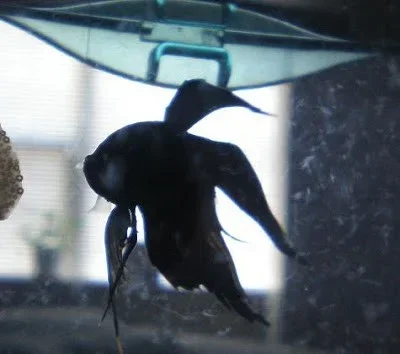
A betta fish produces a moderate amount of waste relative to its size, and understanding this is key to maintaining clean water. Overfeeding, small tanks, and poor filtration can quickly turn waste into a health hazard. Regular water changes and proper feeding habits make a huge difference.
You love your betta fish. You watch it glide through the water, flare its fins, and explore every corner of its home. But here is something many betta owners overlook: how much waste does a betta fish produce, and why does it matter so much?
Every fish in your tank leaves behind waste. It happens all day, every day. And if that waste builds up, it can harm your fish in serious ways. The good news? Managing betta waste is not as hard as it sounds. With the right setup and a few simple habits, you can keep your tank clean and your betta healthy.
In this guide, we will break down everything you need to know about betta fish waste. We will cover how much they produce, what that waste is made of, and the best ways to keep your tank water clean. Whether you are a new betta owner or a seasoned hobbyist, you will find practical tips that actually work.
Key Takeaways
- Betta fish waste includes solid feces and dissolved ammonia, both of which affect water quality.
- A single betta can pollute a small bowl rapidly, which is why tank size matters so much.
- Overfeeding is the #1 cause of excess waste, and most bettas eat less than owners think.
- A good filter and regular water changes are the best ways to manage betta waste.
- Beneficial bacteria in your tank break down toxic waste, but they need time and stable conditions to thrive.
- Testing water parameters weekly helps you catch waste buildup before it becomes dangerous.
📑 Table of Contents
- What Does Betta Fish Waste Look Like?
- How Much Waste Does a Betta Fish Produce Daily?
- Why Betta Waste Matters for Tank Water Quality
- Best Ways to Manage Betta Fish Waste
- Common Mistakes That Lead to Waste Buildup
- How Tank Size Affects Waste Concentration
- Quick Tips for Keeping Waste Under Control
- When Waste Becomes a Health Problem for Your Betta
- Expert Insight: The Role of Beneficial Bacteria
- Final Thoughts on Betta Fish Waste
What Does Betta Fish Waste Look Like?
Before we talk about quantities, let us first understand what betta waste actually looks like. Healthy betta feces are small and round. They tend to be brown or dark red in color, depending on what your fish has been eating. If you notice white or stringy waste, that can be a sign of digestive issues or overfeeding.
But solid waste is only part of the picture. Betta fish also release dissolved waste through their gills and urine. This invisible waste is actually more dangerous than the solid stuff. It contains ammonia, which is toxic to fish even in small amounts. So while you might not see it, it is definitely there.
Solid vs. Dissolved Waste
Solid waste sinks to the bottom of the tank. It collects in the substrate, around decorations, and in corners. You can remove some of it by vacuuming the gravel during water changes.
Dissolved waste, on the other hand, stays suspended in the water column. It is invisible but very harmful. This is where ammonia, nitrite, and nitrate come into play. Your tank’s biological filtration system works to convert these toxic compounds into less harmful ones. But it can only do so much.
How Much Waste Does a Betta Fish Produce Daily?
The amount of waste a betta produces depends on several factors. These include tank size, diet, water temperature, and the fish’s overall health. On average, a single betta fish produces a small but steady amount of waste every day.
Because bettas are relatively small fish, their waste output is lower than larger species. However, this does not mean it is insignificant. In a small tank, even a little waste can cause a big spike in ammonia levels. This is why bettas in bowls or tiny tanks need frequent water changes.
Factors That Increase Waste Production
Several things can cause your betta to produce more waste than usual:
- Overfeeding: This is the biggest culprit. When you feed too much, your betta eats more, digests more, and produces more waste. Uneaten food also rots in the water, adding to the problem.
- High-protein diets: Betta pellets and live foods are rich in protein. High-protein foods tend to create more solid waste.
- Warm water temperatures: Bettas thrive in warm water, but warmer temperatures speed up digestion. More digestion means more waste.
- Poor water conditions: When water quality drops, beneficial bacteria struggle. This means waste breaks down more slowly, leading to buildup.
For more guidance on feeding amounts that match your betta’s needs, check out how much does a betta fish eat. Feeding the right amount is the first step to controlling waste.
Why Betta Waste Matters for Tank Water Quality
Waste is not just unsightly. It directly affects the chemistry of your tank water. When betta waste breaks down, it releases ammonia. Ammonia is extremely toxic to fish. Even levels as low as 0.25 ppm can cause stress, gill damage, and illness.
The nitrogen cycle is the natural process that handles this waste. Here is how it works in simple terms:
- Ammonia from fish waste and uneaten food builds up in the water.
- Nitrosomonas bacteria convert ammonia into nitrite, which is also toxic.
- Nitrobacter bacteria then convert nitrite into nitrate, which is much less harmful.
- Water changes remove nitrate from the system before it reaches dangerous levels.
If any part of this cycle is broken, waste builds up quickly. This is why cycling your tank properly is so important before you add your betta. A fully cycled tank has thriving colonies of beneficial bacteria ready to process waste.
Wondering how tank size plays into all of this? Smaller tanks dilute waste less effectively. If you want to understand the ideal setup, read how big does a betta fish tank need to be.
Best Ways to Manage Betta Fish Waste
Managing waste does not require a chemistry degree. A few consistent habits will keep your tank in great shape. Here are the most effective strategies every betta owner should use.
1. Perform Regular Water Changes
This is the single most important thing you can do. A 25-50% water change every week removes dissolved waste and keeps nitrate levels in check. Use a gravel vacuum to suck up solid waste from the substrate while you change the water.
Make sure the new water is treated with a dechlorinator. Tap water contains chlorine and chloramine, which kill the beneficial bacteria you need for waste processing.
2. Do Not Overfeed Your Betta
Most bettas only need two small feedings per day. A few pellets per feeding is plenty. Your betta’s stomach is about the size of its eye, so do not overdo it.
Remove any uneaten food within a few minutes. This prevents it from rotting and adding to the waste load. If you want to learn more about proper feeding habits, visit how much to feed a betta fish.
3. Use a Proper Filter
Even though bettas prefer calm water, a gentle filter is essential for waste management. The filter provides mechanical filtration to trap solid particles and biological filtration to host beneficial bacteria.
Choose a filter with adjustable flow. Bettas do not like strong currents, so a sponge filter or a hang-on-back filter on the lowest setting works great. For more on choosing the right setup, see how to take care of a betta fish water.
4. Vacuum the Gravel Regularly
Solid waste settles into the gravel and substrate. If you leave it there, it breaks down and releases ammonia right where your fish lives. Use a gravel vacuum during water changes to remove this debris.
You do not need to vacuum the entire substrate every time. Focus on areas where waste tends to collect, such as corners and under decorations.
5. Test Your Water Weekly
A good liquid test kit is your best friend. Test for ammonia, nitrite, nitrate, and pH every week. This tells you exactly what is happening with your waste levels and gives you time to fix problems before they escalate.
You should aim for:
– Ammonia: 0 ppm
– Nitrite: 0 ppm
– Nitrate: below 20 ppm
Common Mistakes That Lead to Waste Buildup
Even experienced fish keepers make mistakes. Here are some common errors that cause waste to pile up in betta tanks.
Overcrowding the Tank
Bettas are solitary fish. They do not need tank mates, and adding other fish increases the total waste output. If your tank is too small for multiple fish, waste levels will spike fast.
Skipping Water Changes
Some owners think a filter alone is enough. It is not. Filters remove solid particles and host bacteria, but they do not remove dissolved waste. Only water changes do that. Skipping them leads to a toxic buildup over time.
Using the Wrong Substrate
Sand and fine gravel can trap waste deep below the surface. This makes it harder to vacuum out. If you are struggling with waste buildup, consider switching to a smoother substrate that is easier to clean.
Ignoring Dead Plant Matter
Live plants are great for absorbing some waste, but dead leaves and roots decompose and add to the ammonia load. Trim dead plant material regularly to keep your tank clean.
How Tank Size Affects Waste Concentration
Tank size plays a huge role in waste management. In a larger tank, waste is diluted across more water. This gives you more time to address it before it becomes dangerous. In a small bowl or vase, the same amount of waste concentrates quickly.
Here is a simple comparison:
| Tank Size | Waste Dilution | Water Change Frequency | Risk Level |
|---|---|---|---|
| 1-2 gallons | Very low | Every 2-3 days | High |
| 5 gallons | Moderate | Weekly | Medium |
| 10+ gallons | Good | Every 1-2 weeks | Low |
As you can see, a bigger tank gives you much more breathing room. If you are still using a tiny bowl, it is time to upgrade. Your betta will be healthier, and you will spend less time chasing water quality problems.
Quick Tips for Keeping Waste Under Control
- Feed your betta small amounts twice a day. Remove anything they do not eat within 2 minutes.
- Perform a 25% water change every week without fail.
- Use a gravel vacuum during every water change.
- Rinse your filter media in tank water, never tap water, to preserve beneficial bacteria.
- Add live plants to help absorb some dissolved waste naturally.
- Test your water parameters weekly and keep a log to spot trends early.
- Never clean your filter and change your water on the same day. This can crash your biological filter.
When Waste Becomes a Health Problem for Your Betta
Sometimes, despite your best efforts, waste levels spike. Knowing the signs of a waste-related health problem can save your betta’s life. Watch for these warning signals:
- Lethargy: Your betta stays at the bottom of the tank and barely moves.
- Loss of appetite: Even favorite foods get ignored.
- Gasping at the surface: This is a classic sign of ammonia poisoning.
- Red or inflamed gills: Indicates irritation from poor water quality.
- Clamped fins: Fins held close to the body signal stress.
- White or stringy feces: May point to digestive issues linked to poor water conditions.
If you notice any of these signs, test your water immediately. A water change of 30-50% can quickly reduce toxic ammonia levels. You may also want to check your feeding habits and adjust accordingly.
Expert Insight: The Role of Beneficial Bacteria
Your tank’s biological filter is home to millions of beneficial bacteria. These tiny organisms are the unsung heroes of waste management. They convert toxic ammonia into safer compounds, keeping your betta alive.
But these bacteria need stable conditions to thrive. Sudden temperature changes, harsh cleaning products, and antibiotics can all wipe them out. This is why gentle maintenance is so important. Avoid scrubbing everything clean at once. Instead, focus on partial water changes and careful filter maintenance.
Adding bottled beneficial bacteria supplements can help speed up the cycling process or recover a struggling biological filter. These products contain concentrated Nitrosomonas and Nitrobacter cultures that get your waste-processing system back on track fast.
Final Thoughts on Betta Fish Waste
Understanding how much waste a betta fish produces is one of the most important steps toward becoming a confident fish keeper. It is not about being perfect. It is about building simple, consistent habits that keep your tank clean and your fish healthy.
Remember that every betta produces waste, and that is completely normal. The key is managing it effectively through proper feeding, regular water changes, good filtration, and weekly water testing. With these practices in place, you will create a thriving environment where your betta can live a long, happy life.
Start small. Pick one or two habits from this guide and build from there. Your betta will thank you with vibrant colors, energetic swimming, and those beautiful fin flares you love so much.
Frequently Asked Questions
How often should I clean my betta fish tank to manage waste?
A 25-50% water change every week is ideal for most betta tanks. If you have a smaller tank under 5 gallons, you may need to change water more frequently. Always vacuum the gravel during water changes to remove solid waste buildup.
Can too much betta fish waste make my fish sick?
Yes, absolutely. Excess waste raises ammonia levels, which is toxic to bettas. Even low concentrations of ammonia can damage gills, cause stress, and lead to serious illness or death if left unchecked.
Does the type of food I feed affect how much waste my betta produces?
Yes, it does. High-protein foods like pellets and live food create more solid waste. Overfeeding any type of food increases both solid and dissolved waste. Feed small amounts twice a day and remove uneaten food promptly.
Is a sponge filter enough for betta waste management?
A sponge filter provides both mechanical and biological filtration, making it a great choice for betta tanks. It offers gentle flow and hosts beneficial bacteria that help process waste. Just make sure to rinse the sponge in tank water during maintenance.
Do live plants help reduce betta fish waste?
Live plants absorb some dissolved nutrients from fish waste, which helps reduce nitrate levels. They are not a replacement for water changes, but they are a helpful addition to any betta tank. Plants like java fern and anubias work well in betta setups.
What should my water parameters be to keep waste levels safe?
Aim for ammonia at 0 ppm, nitrite at 0 ppm, and nitrate below 20 ppm. pH should stay between 6.5 and 7.5. Testing your water weekly with a liquid test kit helps you catch waste-related problems before they affect your betta’s health.