How Much Times Do You Feed a Betta Fish
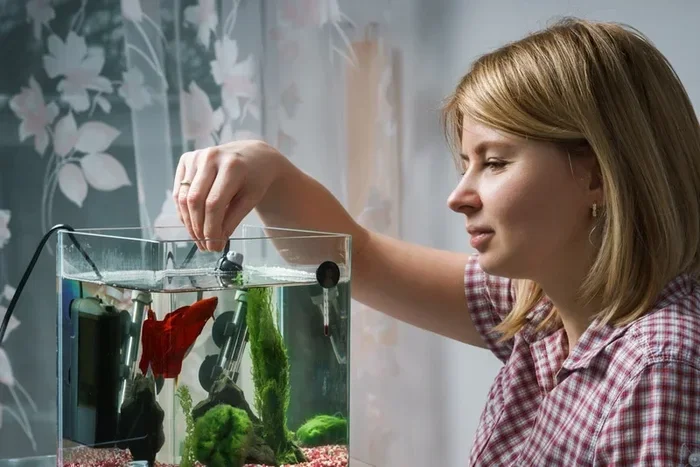
Feeding your betta fish the right number of times each day is one of the most important things you can do for its health. Most experts recommend feeding a betta fish two to three times per day with small portions. In this guide, you will learn the ideal feeding frequency, how much food to give, and common mistakes to avoid so your betta thrives.
Feeding a betta fish might seem simple, but it is actually one of the biggest challenges new fish keepers face. Give too much food, and your fish can get sick. Give too little, and your betta may not get the nutrition it needs. The big question most people ask is: how much times do you feed a betta fish each day?
The answer is not just about counting meals. It is about understanding your betta’s natural habits, knowing the right portion sizes, and watching for signs that something is off. In this guide, we break everything down into simple, easy-to-follow advice. You will learn the ideal feeding schedule, the best foods to offer, and how to avoid the most common feeding mistakes. Whether you are a first-time betta owner or have had these fish for years, this article will help you feed your betta with confidence.
Let us dive in and make sure your betta gets exactly what it needs, no more and no less.
Key Takeaways
- Feed 2-3 times daily: Most betta fish do well with two to three small meals per day, mimicking their natural eating patterns.
- Keep portions small: A betta’s stomach is roughly the size of its eye, so a few pellets or flakes per feeding is enough.
- Skip one day weekly: Giving your betta a fasting day once a week helps prevent bloating and supports digestion.
- Watch for overfeeding signs: Cloudy water, uneaten food, and weight gain are clear signals you are feeding too much.
- Use quality food: High-protein pellets, frozen bloodworms, and freeze-dried brine shrimp provide the best nutrition.
- Adjust for age and activity: Baby bettas and more active fish may need slightly different feeding schedules than adults.
- Be consistent: A regular feeding routine reduces stress and helps your betta feel secure in its environment.
📑 Table of Contents
- Why Feeding Frequency Matters for Your Betta Fish
- How Much Times Do You Feed a Betta Fish: The Ideal Schedule
- Best Food Types for Your Betta Fish
- Signs You Are Feeding Your Betta Fish Too Much
- How to Adjust the Feeding Schedule for Different Situations
- Quick Tips for Feeding Your Betta Fish Like a Pro
- Conclusion
Why Feeding Frequency Matters for Your Betta Fish
Feeding frequency is not just a routine task. It directly affects your betta’s health, energy, and lifespan. Bettas are small tropical fish that come from warm, slow-moving waters in Southeast Asia. In the wild, they eat small insects, larvae, and tiny organisms that float near the surface. They do not have access to food around the clock. Instead, they eat small meals throughout the day.
When you keep a betta in an aquarium, you take on the role of providing food. That means your feeding habits shape your fish’s daily life. If you feed too often, your betta can become overweight. Its stomach may bloat, and it could develop serious health problems. On the other hand, feeding too little can lead to malnutrition, dull colors, and a weak immune system.
Finding the right betta fish feeding schedule keeps your fish active, colorful, and strong. It also keeps your tank water clean, since uneaten food decays quickly and messes up your water quality. A well-fed betta is a happy betta, and a happy betta can live up to five years or even longer with proper care.
How Much Times Do You Feed a Betta Fish: The Ideal Schedule
So, how much times do you feed a betta fish? The short answer is two to three times per day. This mirrors how bettas eat in the wild, where they have access to small feedings throughout the day rather than one large meal.
Here is a simple breakdown of the most common feeding schedules:
- Two meals per day: Morning and evening. This is the most popular option and works great for most bettas.
- Three meals per day: Morning, midday, and evening. This works well for very active bettas or younger fish that grow quickly.
- One meal per day: Some experienced keepers feed once a day with a slightly larger portion. This can work but is less ideal for most bettas.
Each feeding session should offer a small amount of food. A good rule of thumb is to give your betta two to three pellets or a small pinch of flakes per meal. Your betta’s stomach is about the same size as its eye, so it does not take much to fill up. If you are using how much to feed a betta fish guidelines, always start small and add more only if your fish seems hungry.
It is also important to keep a consistent schedule. Feed your betta at roughly the same times every day. This helps your fish feel secure and reduces stress. Bettas are creatures of habit, and a predictable routine makes them feel safe in their environment.
Weekly Fasting Day
Many experienced betta owners recommend giving your fish a fasting day once a week. This means no food for 24 hours. It might sound harsh, but it is actually very beneficial. A fasting day gives your betta’s digestive system a break. It helps clear out any leftover food in the gut and prevents bloating. Think of it like a reset day for your fish’s belly.
Pick a day that fits your routine, like Tuesday or Saturday. Just make sure your betta has access to clean water during the fast. The fast does not mean skipping water changes or tank maintenance. Your fish still needs a healthy environment to thrive.
Best Food Types for Your Betta Fish
Not all betta food is created equal. Your choice of food plays a big role in your fish’s overall health. Bettas are carnivorous by nature, which means they need a diet high in protein. Here are the best food types to include in your betta fish diet:
- High-quality pellets: These should be your betta’s staple food. Look for pellets made specifically for bettas, with a protein content of 35% or higher. Pellets sink slowly and are easy to portion.
- Frozen bloodworms: These are a favorite treat. Bloodworms are rich in protein and add variety. Feed them once or twice a week as a supplement.
- Freeze-dried brine shrimp: Another excellent treat. Brine shrimp boost your betta’s color and energy. Soak them in tank water for a few minutes before feeding to prevent bloating.
- Live foods: Live brine shrimp, daphnia, or mosquito larvae are the closest to a wild diet. They are excellent but can carry parasites, so buy from reputable sources.
- Betta flakes: Flakes work in a pinch, but they often lose their nutritional value quickly. Many bettas also struggle to eat flakes since they prefer to feed from the surface.
You can also check out how often do you feed a betta fish for more details on treating your betta with the right food variety. A mix of pellets and occasional treats gives your betta the best of both worlds: balanced nutrition and mealtime excitement.
Avoid feeding your betta human food like bread, crackers, or peanut butter. These foods have no nutritional value for fish and can harm your tank water. If you are ever unsure about a certain food, it is always better to skip it and stick with proven options.
Foods to Avoid
Some common foods that betta owners mistakenly offer include:
- Bread or toast
- Rice or pasta
- Lettuce or spinach
- Crackers or chips
- Peanut butter
These items expand in water and can block your betta’s digestive tract. They also break down in the tank and create dangerous ammonia spikes. Always stick to foods designed for betta fish.
Signs You Are Feeding Your Betta Fish Too Much
Overfeeding is the number one mistake betta owners make. It happens out of love. People see their fish swimming near the surface and think, “It must be hungry!” But your betta is likely just begging for food, which is a natural behavior. Here are the key signs that you are feeding too much:
- Cloudy water: Uneaten food decays fast and turns your water cloudy. If your tank water gets murchy between water changes, you are likely overfeeding.
- Fat or bloated body: A healthy betta has a slim, streamlined body. If your fish looks round or puffy, especially near the tail, it may be bloated from overeating.
- Uneaten food at the bottom: If your betta leaves food behind after a meal, you gave too much. Remove any uneaten food immediately to protect your water quality.
- Lethargy: An overfed betta may become sluggish and stop swimming actively. A bloated stomach makes it uncomfortable to move around.
- Swim bladder problems: Overfeeding can cause swim bladder disease, where your betta struggles to stay upright. This is a serious condition that often requires dietary changes to fix.
If you notice any of these signs, cut back on the food right away. Switch to smaller portions and consider adding a fasting day. You can also learn more about the dangers of overfeeding at can you feed a betta fish too much. Catching overfeeding early can save your betta from serious health issues.
How to Adjust the Feeding Schedule for Different Situations
Every betta is different. Your feeding schedule should adapt to your fish’s age, activity level, and overall health. Here is how to adjust for common situations:
Baby Betta Fish (Fry)
Baby bettas need more frequent feedings to support their rapid growth. Feed fry three to four times per day with very small portions. Infusoria, liquid fry food, or freshly hatched brine shrimp are great options for young bettas. As they grow, you can gradually reduce feedings to two or three times per day.
Adult Betta Fish
Adult bettas do best with two meals per day. This is the standard recommendation for most adult bettas. Keep portions small and consistent. If your adult betta is less active due to age, you may want to reduce portions slightly to match its lower energy needs.
Inactive or Sick Betta Fish
If your betta is dealing with an illness or is generally inactive, feed it once per day with easily digestible foods like soaked pellets or frozen daphnia. Force feeding is never a good idea. If your betta refuses food for more than two days, check for signs of disease and consider consulting a fish health expert.
Highly Active Bettas
Some bettas are naturally more energetic and curious. These fish may burn more calories and handle three small meals per day just fine. Watch your fish closely and adjust the portions based on its body condition. A slim, active betta with a healthy appetite is a happy betta.
No matter what situation you are dealing with, the key is to observe your fish and respond to its needs. Every betta has its own personality, and feeding should reflect that.
Quick Tips for Feeding Your Betta Fish Like a Pro
Here are some practical tips to make your feeding routine simple and effective:
- Use tweezers or a feeding ring: These tools help you drop food right in front of your betta. This prevents food from scattering and polluting your tank.
- Feed from the surface: Bettas are surface feeders. Drop food where your fish can easily reach it. Sinking pellets are fine, but bettas usually prefer food at the top.
- Remove uneaten food: After each feeding, check your tank for leftover food. Use a small net to scoop out anything your betta did not eat.
- Rotate foods: Alternate between pellets, frozen treats, and freeze-dried snacks. This keeps your betta interested and provides a wider range of nutrients.
- Do not feed flake food as a staple: Flakes break apart quickly and lose nutrition. They also make it hard for bettas to eat since they prefer surface feeding. Use pellets as your main food source.
- Watch your betta during feeding: Pay attention to how fast your fish eats. A healthy betta should finish its food within two to three minutes. If it takes much longer, you are giving too much.
Following these tips makes feeding time easy for both you and your betta. Over time, you will develop a rhythm that works perfectly for your fish. You can also explore how many times a day to feed a betta fish for additional guidance on perfecting your schedule.
Expert Insight: Patience Is Everything
experienced betta keepers will tell you one thing: patience. Do not rush to feed more just because your fish swims to the surface. Bettas are excellent beggars. They will always act hungry, even when their stomach is full. Stick to the schedule, give small portions, and trust the process. Your betta will reward you with vibrant colors, active swimming, and a long, healthy life.
Conclusion
Feeding your betta fish the right number of times each day is simple once you know the basics. Most bettas thrive on two to three small meals per day, with a fasting day once a week. Choose high-quality pellets as the main food and add frozen or freeze-dried treats for variety. Watch for signs of overfeeding and adjust portions as needed. Stay consistent with your schedule, and your betta will reward you with a happy, healthy life.
The question of how much times do you feed a betta fish does not have to be complicated. Start with the guidelines in this article, pay close attention to your fish, and make changes as needed. Every betta is unique, and the best feeding plan is the one that fits your fish’s individual needs. Apply what you have learned today, and enjoy watching your betta flourish.
Frequently Asked Questions
How much times do you feed a betta fish each day?
Most betta fish do best with two to three small feedings per day. Morning and evening meals are the most common schedule. Each feeding should include just a few pellets or a small pinch of food. You can also add one fasting day per week to help digestion.
Can I feed my betta fish only once a day?
Feeding once a day can work for some bettas, but it is not the ideal schedule for most. Bettas are used to eating small meals throughout the day. If you feed once daily, make the portion slightly larger and ensure it is high in protein. Two meals per day is still the recommended approach.
What happens if I overfeed my betta fish?
Overfeeding can cause bloating, cloudy water, swim bladder problems, and a shortened lifespan. Uneaten food also decays and creates harmful ammonia in your tank. If you notice your betta looks round or sluggish, reduce the food immediately and consider adding a fasting day.
How many pellets should I give my betta per feeding?
Give your betta two to three pellets per feeding. Bettas have very small stomachs, roughly the size of their eye. If your fish finishes the food in under two minutes, the portion is about right. You can add a tiny extra amount if your betta seems hungry, but always start small.
Is it okay to feed my betta frozen bloodworms every day?
Frozen bloodworms are a great treat, but they should not be the main food source. Feed bloodworms one to two times per week as a supplement to your betta’s regular pellets. Bloodworms are high in protein but lack some of the balanced nutrition that commercial betta pellets provide.
How do I know if my betta fish is hungry?
Bettas often swim near the surface and appear to beg for food when they are hungry. However, they do this frequently even when full. A truly hungry betta may also show reduced activity, faded colors, or start searching the tank for food. Stick to your regular schedule and watch for genuine hunger cues before adding extra meals.