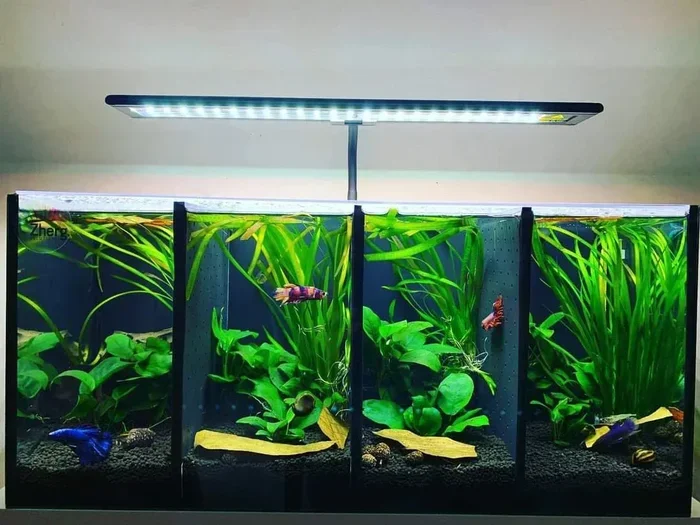
How Much Space Do 2 Betta Fish Need

Two betta fish need at least a 20-gallon tank to thrive together. Keeping them in a small bowl leads to stress, disease, and early death. This guide covers the exact tank size, setup requirements, and tips for housing two betta fish safely.
How much space do 2 betta fish need? This is one of the most common questions new fish keepers ask. The answer might surprise you. Most people think a tiny bowl is enough for a betta fish. But when you add a second fish, everything changes. Two betta fish need significantly more space than one.
In this guide, we break down the exact tank size, setup requirements, and common mistakes to avoid. Whether you are a beginner or have some experience, you will find practical advice here. Let us dive in.
Key Takeaways
- Minimum tank size: A 20-gallon tank is the absolute smallest recommended for two betta fish.
- Never house two males together: Male bettas are highly territorial and will fight aggressively.
- Tank setup matters: You need proper filtration, heating, hiding spots, and enough swimming space.
- A 10-gallon tank is too small for two bettas: It increases aggression and water quality problems.
- Female bettas can sometimes coexist: But only in larger tanks with plenty of hiding places and visual barriers.
- Regular maintenance is essential: Two fish produce more waste, so water changes and cycling are critical.
📑 Table of Contents
- Why Tank Size Matters for Two Betta Fish
- Can Two Betta Fish Live Together?
- What You Need for a Two-Betta Tank Setup
- Common Mistakes People Make With Two Betta Fish
- How to Introduce Two Betta Fish to the Same Tank
- Signs That Your Two Betta Fish Are Not Getting Along
- How Often Should You Maintain a Two-Betta Tank?
- How Long Can Two Betta Fish Live in a Shared Tank?
- Final Thoughts
Why Tank Size Matters for Two Betta Fish
Betta fish are not just pretty pets. They are active swimmers with specific needs. When you keep two bettas in a small tank, things go wrong fast. Stress builds up. Aggression spikes. Water quality drops quickly. Space directly affects their health and lifespan.
A single betta fish can survive in a 5-gallon tank, but that is already considered the bare minimum. Now imagine adding a second fish. The waste production doubles. The territory shrinks. The competition for resources increases. This is why choosing the right tank size is the most important decision you will make.
Many people make the mistake of thinking bettas are low-maintenance because they are sold in small cups at pet stores. That could not be further from the truth. In the wild, bettas spread out across rice paddies, slow-moving streams, and flooded fields. They need room to explore. Two bettas need even more room to establish their own areas without constant conflict.
The Minimum Tank Size for Two Betta Fish
The general rule is simple. For two betta fish, you need at least a 20-gallon tank. Some experts recommend going even bigger. A 20-gallon long tank gives both fish horizontal swimming space, which bettas prefer. Vertical space is less important than floor area.
Here is a quick breakdown of tank sizes and whether they work for two bettas:
- 5-gallon tank: Only suitable for one betta. Too small for two.
- 10-gallon tank: Still too cramped. Water quality will crash fast with two fish.
- 20-gallon tank: The minimum acceptable size for two bettas.
- 30-gallon tank or larger: Ideal. Gives both fish room to thrive.
Keep in mind that how big do betta fish tanks need to be depends on whether the two fish can coexist peacefully. Male bettas cannot live together. A male and female pair needs more space than two females in some cases. We will cover this in detail below.
Can Two Betta Fish Live Together?
This is the big question. The short answer is: it depends. Not all combinations of two bettas work. The wrong pairing leads to fighting, injury, and death. You need to understand betta behavior before you even think about a shared tank.
Male and Male: Never Do It
Two male betta fish will fight. This is not a maybe. It is a guarantee. Male bettas are called “Siamese fighting fish” for a reason. They are bred for aggression. Even in a large tank, two males will chase each other and flare their gills constantly. This causes extreme stress. Never house two male bettas together, no matter how big the tank is.
Male and Female: Possible With Caution
A male and female betta can sometimes live together. But it requires careful planning. You need a tank of at least 20 gallons. You also need plenty of hiding spots and plants to break up lines of sight. Many aquarists use a breeding tank with a divider first to let them get used to each other.
Even then, there is no guarantee. Some pairs will get along. Others will not. Watch for signs of aggression like flaring, chasing, and fin nipping. If you see these behaviors, separate the fish immediately.
Female and Female: The Sorority Approach
Two female bettas can sometimes live together in what is called a “sorority” setup. But even this is tricky. Female bettas can be territorial too. A 20-gallon tank is the minimum for a sorority of females. You need at least five hiding spots and dense plants to create separate territories.
With only two females, the chances of one dominating the other are high. Monitor their behavior closely during the first few weeks. If one fish is bullying the other, you will need to separate them.
What You Need for a Two-Betta Tank Setup
Setting up a tank for two betta fish is more involved than just filling a bowl with water. You need the right equipment to keep both fish healthy. Here is everything you need to know.
Filtration
A good filter is essential. Two bettas produce more waste than one. Without proper filtration, ammonia and nitrite levels will spike. This can kill your fish fast. Choose a filter with adjustable flow. Betta fish do not like strong currents. A sponge filter or a hang-on-back filter on low settings works great.
Heating
Betta fish need warm water. The ideal temperature is between 78 and 80 degrees Fahrenheit. A heater with a thermostat keeps the temperature stable. Do not rely on room temperature. A tank without a heater is a ticking time bomb for your fish’s health.
Plants and Decorations
Plants serve two purposes. They provide hiding spots and they help maintain water quality. Live plants are best, but silk plants work too. Avoid sharp plastic decorations that can tear delicate betta fins.
For two bettas, you need plenty of plants to create visual barriers. This reduces aggression by breaking up territory lines. Java moss, amazon sword, and anubias are excellent choices. They are hardy and easy to maintain.
Substrate and Lighting
A soft substrate like sand or fine gravel protects betta fins. Bettas like to explore the bottom of the tank. Standard aquarium LED lights work fine. You do not need expensive lighting. Just make sure the tank gets a natural day-night cycle of about 8 to 10 hours of light per day.
Common Mistakes People Make With Two Betta Fish
Even well-meaning fish keepers make mistakes. Here are the most common ones you should avoid.
Starting With Too Small a Tank
The biggest mistake is buying a 5 or 10-gallon tank for two bettas. It might look cute at first. But within weeks, water quality will deteriorate. The fish will become stressed and sick. Always start with at least a 20-gallon tank for two bettas.
Ignoring Water Parameters
Two fish mean twice the waste. You need to test your water regularly. Ammonia and nitrite should always read zero. Nitrate should stay below 20 ppm. Do water changes of 25 to 30 percent every week to keep conditions stable.
Skipping the Cycle
New tanks need to be cycled before adding fish. Cycling builds beneficial bacteria that break down toxic waste. Adding two bettas to an uncycled tank is dangerous. Always cycle your tank for at least 4 to 6 weeks before introducing any fish.
Overcrowding With Decorations
You need hiding spots, but too many decorations reduce swimming space. Bettas need room to move. Leave open areas in the front and middle of the tank. Balance is key between decor and open swimming space.
How to Introduce Two Betta Fish to the Same Tank
If you have decided to keep two bettas together, the introduction process matters a lot. A bad introduction can set the stage for constant fighting. Follow these steps for the best chance of success.
- Set up the tank first. Make sure the water is cycled and parameters are stable. This should take at least 4 to 6 weeks.
- Place both fish in separate containers within the same room. Let them see each other through the glass. This helps them get used to each other’s presence.
- After a week, add visual barriers. Plants and decorations help break up direct sightlines between the two fish.
- Monitor closely for the first 48 hours. Watch for flaring, chasing, and fin nipping. Some mild flaring is normal. Constant aggression is not.
- Be ready to separate. If one fish is clearly dominating or bullying the other, have a backup tank ready. Not every pairing will work.
Remember that how much space do 2 betta fish need is only part of the equation. The setup, introduction process, and ongoing maintenance all matter equally.
Signs That Your Two Betta Fish Are Not Getting Along
Even with the best setup, some pairs simply do not work. Know the warning signs so you can act fast.
- Constant flaring: One or both fish flare their gills at each other repeatedly.
- Chasing: One fish relentlessly chases the other around the tank.
- Fin damage: Torn or ragged fins from biting or nipping.
- Hiding constantly: One fish refuses to come out of hiding.
- Loss of color: Stress causes bettas to lose their vibrant colors.
- Not eating: A stressed betta will stop eating or eat very little.
If you notice these signs, separate the fish immediately. Continuing to house aggressive pairs together causes long-term health problems. A stressed betta is more susceptible to diseases like ich, fin rot, and velvet.
How Often Should You Maintain a Two-Betta Tank?
Maintenance becomes more frequent with two fish. Here is a simple schedule to follow.
- Daily: Check the temperature and feed both fish appropriately.
- Weekly: Perform a 25 to 30 percent water change. Vacuum the substrate gently.
- Bi-weekly: Test water parameters including ammonia, nitrite, and nitrate.
- Monthly: Clean the filter media in old tank water. Never use tap water directly on filter media.
Two bettas produce more waste than one, so staying on top of maintenance is non-negotiable. A clean tank means healthy, happy fish that live longer.
For more tips on feeding and care, check out our guide on how often you need to feed a betta fish. Proper feeding plays a big role in keeping your tank clean and your fish healthy.
How Long Can Two Betta Fish Live in a Shared Tank?
The lifespan of a betta fish depends heavily on its environment. In a proper 20-gallon or larger tank, bettas can live 3 to 5 years. In a small bowl, they often survive only 1 to 2 years. When two bettas share a well-maintained tank, they can enjoy a similar quality of life.
Water quality, diet, and stress levels are the biggest factors. A well-cycled 20-gallon tank with stable parameters gives both fish the best chance at a long, healthy life. Keep up with water changes, feed appropriately, and watch for signs of illness.
Final Thoughts
So, how much space do 2 betta fish need? The answer is clear. A minimum of 20 gallons is essential for two betta fish. Anything smaller leads to stress, aggression, and health problems. But tank size is only the beginning. You also need proper filtration, heating, plants, and a careful introduction process.
Keep in mind that not all pairs of bettas will get along. Be prepared to separate them if needed. The well-being of your fish always comes first. Start with the right setup, maintain it consistently, and you will give your bettas the best possible life.
For more information on betta fish tank requirements, visit our guide on what you need for a betta fish tank. It covers all the essentials for building a healthy aquarium.
Frequently Asked Questions
Can two male betta fish live in the same tank?
No. Two male bettas will fight aggressively, often to the death. Male bettas are highly territorial and cannot share space, regardless of tank size. Always keep males separated.
Is a 10-gallon tank enough for two betta fish?
A 10-gallon tank is too small for two bettas. It leads to rapid water quality decline and increased aggression. A 20-gallon tank is the absolute minimum for housing two bettas together.
Can a male and female betta fish live together?
Yes, but only with careful planning. You need at least a 20-gallon tank, plenty of hiding spots, and close monitoring. Some male-female pairs get along, but others do not. Be ready to separate them if aggression occurs.
How often should you do water changes in a two-betta tank?
Perform a 25 to 30 percent water change every week. Two fish produce more waste than one, so staying consistent with water changes is critical for maintaining healthy water parameters.
What is the best tank shape for two betta fish?
A 20-gallon long tank is ideal. It provides more horizontal swimming space, which bettas prefer. Avoid tall, narrow tanks because bettas swim primarily in the horizontal plane.
Do two female betta fish get along better than two males?
Female bettas are generally less aggressive than males, but they can still be territorial. Two females may coexist in a 20-gallon tank with plenty of plants and hiding spots. However, there is no guarantee, and close observation is always necessary.