How Much Shoud You Feed a Betta Fish

Knowing how much you should feed a betta fish is one of the most important parts of betta care. Overfeeding can lead to serious health problems, while underfeeding can leave your fish weak and unhappy. This guide covers the right portions, feeding frequency, and best practices so your betta stays healthy and vibrant.
If you own a betta fish, you probably wonder about the right feeding routine. It is one of the most common questions new fish owners ask. The truth is, how much you should feed a betta fish is not as simple as filling a bowl with food. Too much food can cause serious health issues. Too little food can leave your fish weak and stressed. This guide breaks everything down in plain, easy-to-follow steps so you can feed your betta with confidence every single day.
Feeding your betta the right amount is not just about portion size. It also involves timing, food type, and paying attention to your fish’s behavior. A proper feeding routine keeps your betta healthy, colorful, and active. It also keeps your tank water cleaner for longer. In this article, we will cover everything you need to know about betta fish portions, feeding schedules, common mistakes, and much more.
Key Takeaways
- Feed small portions: Give your betta only what they can eat in 2 minutes, typically 2-3 pellets per meal.
- Stick to a schedule: Feed your betta once or twice a day with a consistent routine.
- Watch for overfeeding signs: Bloating, constipation, and leftover food in the tank are red flags.
- Variety matters: Rotate between pellets, frozen foods, and occasional treats for balanced betta fish nutrition.
- Fast your betta: Skip one feeding day per week to help with digestion and prevent constipation.
- Adjust for age and size: Baby bettas and larger fish may need slightly different portion sizes.
📑 Table of Contents
How Much Should You Feed a Betta Fish?
The golden rule of feeding betta fish is simple: give them only what they can eat in about 2 minutes. For most bettas, this means 2 to 3 small pellets per feeding. If you are using flakes, a tiny pinch is enough. The key is to watch your fish eat and stop adding food once they lose interest.
Many new fish owners make the mistake of thinking a full belly equals a happy fish. That is not true for bettas. Their stomachs are very small, about the size of their eye. This means even a few extra pellets can cause problems. How much to feed a betta fish depends on several factors, including their age, size, and activity level. But the 2-minute rule works as a reliable baseline for almost every betta.
The 2-Minute Rule Explained
Here is how the 2-minute rule works in practice. Drop a small amount of food into the tank. Watch your betta eat. If there is still food floating after 2 minutes, you added too much. Remove the uneaten food right away with a net or siphon. Leftover food rots quickly and pollutes the water, which can harm your fish.
This simple method takes the guesswork out of betta fish feeding. Over time, you will learn exactly how much your individual betta needs. Some bettas eat slowly and may only finish one pellet in 2 minutes. Others are hungry eaters and will finish everything quickly. Adjust based on what you observe.
How Often Should You Feed a Betta Fish?
Feeding frequency is just as important as portion size. Most experts recommend feeding adult bettas once or twice a day. A common schedule is one meal in the morning and one in the evening. If you choose to feed twice a day, make each portion smaller than you would for a single feeding. This keeps the total daily intake balanced.
Some experienced fish keepers follow a once-daily feeding schedule and it works well for many bettas. The important thing is consistency. Bettas thrive on routine. Feeding at the same times each day helps regulate their digestion and keeps them healthy.
Can You Feed a Betta Fish Every Other Day?
Feeding your betta every other day is not ideal for most fish. Adult bettas need daily nutrition to stay healthy. Skipping days regularly can lead to malnutrition and a weakened immune system. However, a single fasting day once a week is actually beneficial. We will cover that more below.
If you are wondering how often do you feed a betta fish, the answer is daily with one rest day per week. This gives their digestive system a break and helps prevent common issues like bloating and constipation. You can learn more about feeding frequency at how often do you feed a betta fish.
Best Foods for Betta Fish
Not all fish food is created equal. Bettas are carnivores, which means they need a protein-rich diet. The best betta fish diet mimics what they would eat in the wild. This includes small insects, larvae, and other protein sources.
Here are the most common and recommended food options for bettas:
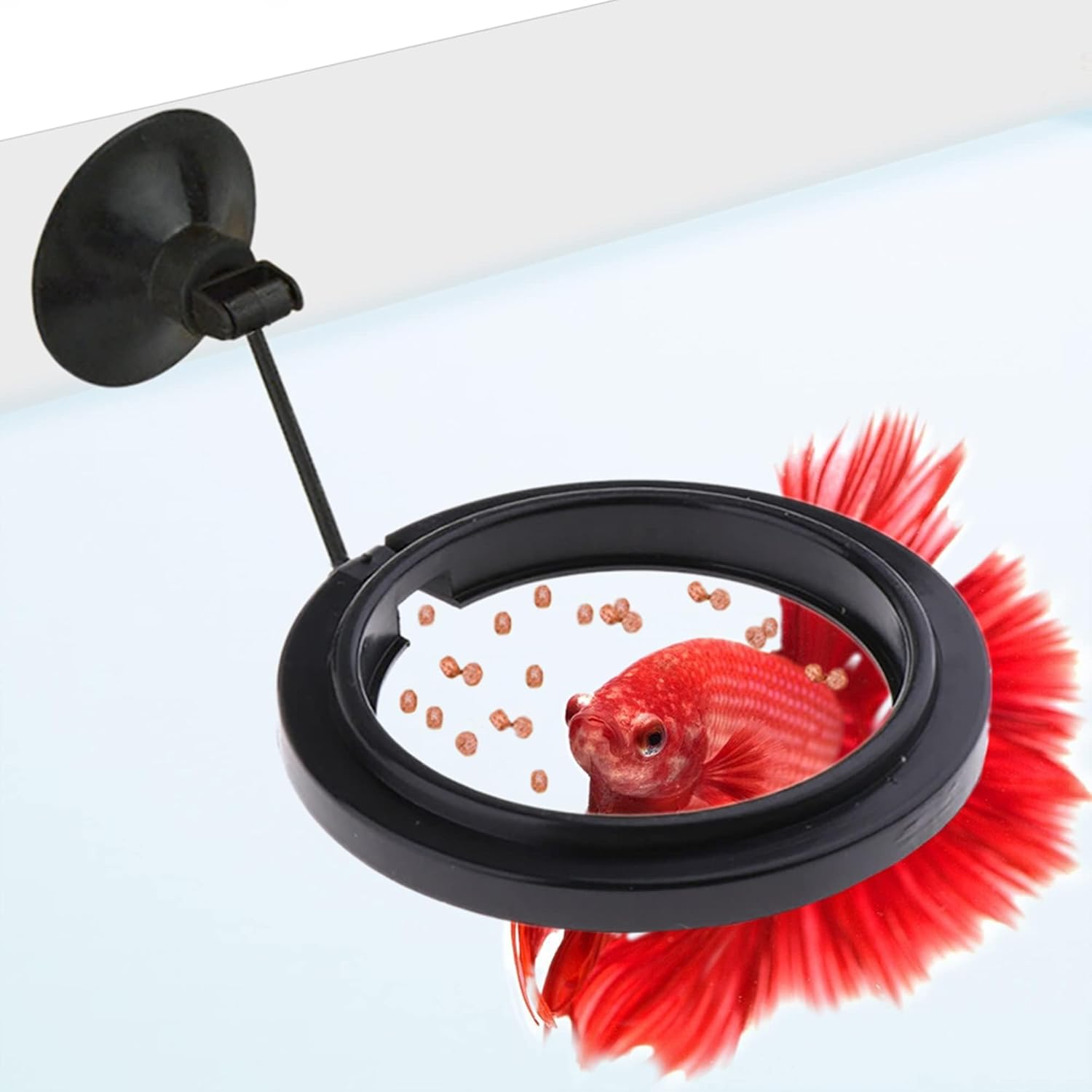
- Betta pellets: These are specially formulated for bettas and provide balanced nutrition. They are the staple of most feeding routines. High-quality pellets float, which is perfect since bettas prefer eating from the surface.
- Frozen or live bloodworms: A great treat that many bettas love. Bloodworms are high in protein but should not be the main diet. Use them as a supplement 1 to 2 times per week.
- Frozen or live brine shrimp: Another excellent treat option. Brine shrimp are nutritious and help add variety to your betta’s diet.
- Daphnia: A small aquatic crustacean that acts as a natural laxative. It can help with digestion and is a good occasional food.
- Betta flakes: Some owners use flakes, but they are not ideal. Flakes can break apart quickly and cloud the water. They also lack the protein density bettas need.
How Many Pellets Should You Feed a Betta Fish?
When it comes to pellets, the standard recommendation is 2 to 3 pellets per feeding for an adult betta. If you feed twice a day, that is 4 to 6 pellets total per day. Some brands make smaller pellets, and some make larger ones. Adjust the number based on the size of the pellets and your fish’s appetite.
You can find more detailed guidance on how many pellets to feed a betta fish in our dedicated article. The right number also depends on the pellet brand, as some are denser and more nutritious than others. Always check the feeding instructions on the package and adjust from there.
Common Feeding Mistakes to Avoid
Even the most loving betta owners make feeding mistakes. Here are the most common ones and how to fix them:
Overfeeding
Overfeeding is the number one mistake people make. It is easy to think your fish is still hungry when it swims to the surface. But bettas are opportunistic eaters. They will eat as much as you give them, even if it is too much. Overfeeding leads to bloating, constipation, and poor water quality. Uneaten food decays quickly and raises ammonia levels in the tank, which is dangerous for your fish.
Feeding Too Much Variety at Once
Variety is good, but introducing too many new foods at once can upset your betta’s stomach. Stick to one main food and add treats gradually. A good approach is to feed pellets as the staple and offer bloodworms or brine shrimp a couple of times per week as a supplement.
Ignoring Leftover Food
Leaving uneaten food in the tank is a hidden danger. It decomposes fast and releases harmful chemicals into the water. Always remove any food your betta does not eat within a few minutes. A clean tank means a healthier betta.
How to Tell If You Are Feeding Your Betta the Right Amount
Observing your betta is the best way to know if your feeding routine is working. A well-fed betta has a healthy appetite, a rounded but not bloated belly, and steady energy levels. Here are some signs that your feeding amounts are on track:
- Your betta eats eagerly: A healthy betta will come to the surface when it sees food. This shows a good appetite without being overly aggressive.
- The belly looks proportional: A slightly rounded belly is normal. A tight, distended belly is a sign of overfeeding or constipation.
- No leftover food in the tank: If all the food is eaten within 2 minutes, your portions are likely correct.
- Regular waste production: A well-fed betta produces solid, normal-colored waste. This indicates proper digestion and nutrition.
If you notice your betta is not eating or seems uninterested in food, that could signal a problem. A loss of appetite can mean illness, stress, or simply that the water temperature is too low. Bettas need warm water between 76 and 82 degrees Fahrenheit to digest food properly. Learn more about caring for a betta fish to ensure all their needs are met.
The Role of Fasting in Betta Fish Health
Fasting might sound strange, but it is actually very beneficial for bettas. Skipping one meal per week gives their digestive system a chance to process any remaining food and clear out the gut. Many experienced betta owners fast their fish on Sundays or one fixed day each week.
Fasting helps prevent constipation, which is one of the most common health issues in betta fish. It also gives you a chance to observe your fish closely and notice any changes in behavior or appetite. A single day without food will not harm your betta. In fact, it can improve their overall health and longevity.
When to Skip Fasting
There are times when you should not fast your betta. Baby bettas, also known as fry, need frequent small meals and should not be fasted. Sick or recovering bettas also need consistent nutrition to heal. If your betta is showing signs of illness, such as lethargy or loss of color, consult a vet or experienced aquarist before making changes to the feeding routine.
For more on fasting and feeding schedules, check out how often should you feed a betta fish for expert-backed recommendations.
Betta Fish Feeding Schedule Template
Here is a simple weekly feeding schedule you can follow. This template balances nutrition, variety, and digestive health.
Monday: 2-3 pellets in the morning
Tuesday: 2-3 pellets in the morning
Wednesday: 2-3 pellets in the morning, 1-2 bloodworms as a treat
Thursday: 2-3 pellets in the morning
Friday: 2-3 pellets in the morning
Saturday: 2-3 pellets in the morning, 1-2 brine shrimp as a treat
Sunday: Fasting day — no food
This schedule gives your betta a consistent routine with built-in variety and a weekly rest day. You can adjust the treats based on what your betta enjoys and what is available. The key is to keep the main meals small and consistent.
Final Thoughts
Getting the feeding amount right is one of the simplest yet most impactful things you can do for your betta fish. How much you should feed a betta fish comes down to small portions, consistent timing, and watching your fish closely. Stick to the 2-minute rule, feed once or twice a day, and remember to fast once a week. Avoid the common traps of overfeeding and too much variety at once. Your betta will reward you with vibrant colors, active behavior, and a long, healthy life.
A well-fed betta is a happy betta. Take the time to learn your fish’s individual needs and preferences. Every betta is slightly different, and part of the joy of fish keeping is getting to know your pet. With the right feeding routine in place, you can feel confident that you are giving your betta the best possible care.
For more tips on betta fish care, check out how do you care for a betta fish to cover all aspects of keeping your fish happy and healthy.
Frequently Asked Questions
How much food should I feed my betta fish per day?
Feed your betta 2 to 3 pellets per meal, once or twice a day. That is a total of 4 to 6 pellets daily for most adult bettas. Always follow the 2-minute rule and remove any uneaten food right away.
Can I feed my betta fish once a day instead of twice?
Yes, many betta owners feed once a day successfully. If you choose this route, give a slightly larger portion to meet daily nutritional needs. Just make sure it is still within the 2-minute eating window.
What happens if I overfeed my betta fish?
Overfeeding causes bloating, constipation, and poor water quality. Uneaten food decays quickly and raises ammonia levels, which can make your betta seriously ill. It is always better to feed slightly less than too much.
How do I know if my betta is still hungry?
Bettas will often swim to the surface and beg for food even when they are not truly hungry. This is natural behavior. Wait a few minutes after feeding to see if they still seem interested. If they eat everything quickly and still look for more, you may need to slightly increase the portion.
Can I feed my betta fish human food?
Some human foods are safe in tiny amounts, such as cooked peas or lettuce. However, bettas need a protein-rich diet primarily. Avoid bread, crackers, and processed foods as they offer no nutritional value and can harm your fish.
How often should I give my betta fish treats like bloodworms?
Treats like bloodworms or brine shrimp should be given 1 to 2 times per week. They are high in protein and make excellent supplements but should never replace the main pellet-based diet. Too many treats can lead to nutritional imbalances.