How Much Food Should My Betta Fish Eat
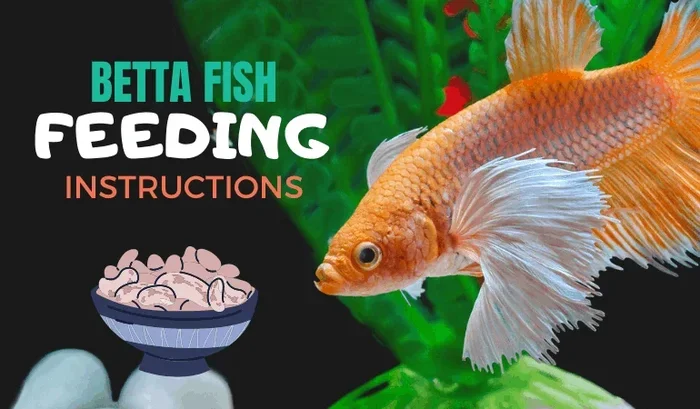
Knowing how much food should my betta fish eat is one of the most important parts of betta care. A betta fish needs only a small amount of food, about two to four pellets per meal, twice a day. Overfeeding is the biggest mistake new fish owners make, and it can lead to serious health problems and poor water quality.
If you own a betta fish, you have probably wondered about how much food should my betta fish eat. It is a simple question, but the answer matters a lot. Feed too little, and your fish gets weak. Feed too much, and you can make your fish very sick. This guide breaks it all down in plain language so you can feed your betta with confidence.
Betta fish are popular pets, and for good reason. They are colorful, active, and relatively easy to care for. But their small size means their stomachs are tiny too. In fact, a betta’s stomach is roughly the size of its eye. That should tell you everything you need to know about portion sizes. In this article, we will cover exactly how much to feed your betta, how often, what types of food work best, and how to spot the warning signs of overfeeding.
Key Takeaways
- Small Portions Matter: Betta fish have tiny stomachs, so they only need a small pinch of food per feeding.
- Feed Twice a Day: Most bettas do well with two small meals each day, morning and evening.
- Watch for Overfeeding Signs: Cloudy water, uneaten food, and a bloated belly are clear red flags.
- Variety Is Key: Rotate between pellets, freeze-dried, and live food for balanced nutrition.
- Fasting Days Help: Skipping one feeding per week supports digestion and prevents constipation.
- Adjust for Your Fish: Age, temperature, and activity level all affect how much your betta needs.
📑 Table of Contents
- Understanding Your Betta Fish’s Stomach Size
- How Much Should You Feed Your Betta Fish Per Meal?
- How Often Should You Feed Your Betta?
- What Types of Food Should You Feed Your Betta?
- Signs You Are Overfeeding Your Betta
- Common Feeding Mistakes to Avoid
- How to Adjust Feeding Based on Tank Conditions
- Conclusion
Understanding Your Betta Fish’s Stomach Size
Many new fish owners do not realize just how small a betta fish’s stomach really is. It is about the same size as one of its eyes. This tiny stomach means your fish cannot handle large meals. When people ask how much food should my betta fish eat, the stomach size is the first thing to understand.
A betta fish’s digestive system is designed for small, frequent meals. In the wild, bettas eat tiny insects and larvae throughout the day. They do not get one big meal. So when you feed your pet betta, think small portions, not big ones. A good rule of thumb is to offer only what your fish can eat in two minutes. Anything left over will sink to the bottom and ruin your water quality.
Why Portion Control Matters
Controlling portions is not just about keeping your fish from getting fat. It is about protecting the water in your tank. Uneaten food decays quickly, and that releases ammonia. Ammonia is toxic to fish, even in small amounts. So when you keep portions small, you are also keeping your tank cleaner. This is one of the easiest ways to support your betta’s health and longevity.
How Much Should You Feed Your Betta Fish Per Meal?
This is the core question behind how much food should my betta fish eat. The answer depends on a few factors, but here is a clear starting point. For adult bettas, two to four pellets per meal is the sweet spot. For younger bettas or fry, you can offer slightly smaller portions more frequently.
Not all pellets are the same size, either. Some brands make small pellets, and others make larger ones. If your betta food pellets are very large, you may only need one or two per feeding. If they are tiny, you can offer a few more. The key is to watch your fish during feeding time and adjust accordingly.
What Does a Proper Portion Look Like?
Here is a simple way to visualize a proper portion:
- Two to four pellets for standard-sized betta pellets
- One small pinch of freeze-dried bloodworms or brine shrimp
- One or two flakes if you are using flake food
- A tiny cube of frozen food, about the size of a pea
These amounts might seem very small, but that is exactly right. Your betta does not need a lot of food to stay healthy and full. Over time, you will learn to eyeball the right amount without measuring anything.
How Often Should You Feed Your Betta?
Frequency matters just as much as portion size. Most experts recommend feeding adult bettas two times per day. This gives your fish a steady supply of nutrients without overwhelming its digestive system. Morning and evening feedings work well for most fish owners.
Some experienced fish keepers also recommend one fasting day per week. On this day, you skip feeding entirely. Fasting helps your betta’s digestive system reset and can prevent constipation. It also reduces the risk of bloating, which is a common problem in bettas that are fed too often.
Feeding Schedule for Different Life Stages
Your betta’s age changes its feeding needs. Here is a quick breakdown:
- Baby fry (0-3 months): Feed small amounts three to four times a day
- Juvenile bettas (3-6 months): Feed twice a day with small portions
- Adult bettas (6 months and older): Feed twice a day, with one fasting day per week
- Senior bettas (2+ years): Reduce to once a day or every other day
Adjusting the schedule based on age helps your betta thrive at every stage of life. Younger fish need more frequent feedings because they are growing. Older fish have slower metabolisms and do not need as much food.
What Types of Food Should You Feed Your Betta?
Variety is important for a healthy betta diet. While pellets should be the staple of your fish’s diet, you can and should mix things up. Different food types offer different nutrients, and variety keeps your betta interested in eating.
When choosing food, always look for high-quality options. Cheap fish food is often filled with fillers that have little nutritional value. Live and frozen foods are excellent choices because they closely mimic what bettas eat in the wild. These include bloodworms, brine shrimp, daphnia, and mosquito larvae.
Best Food Options Ranked
Here is a simple ranking of the best betta foods, from most recommended to least:
- High-quality betta pellets — These are formulated specifically for bettas and provide balanced nutrition.
- Freeze-dried bloodworms — Great as a treat or supplement, not a main meal.
- Frozen brine shrimp — Nutritious and easy to portion out.
- Live foods — The closest to a natural diet, but harder to source.
- Flake food — Okay in a pinch, but not ideal for bettas.
You should also be careful about offering treats too often. Treats like bloodworms are high in protein but low in other nutrients. Use them as a supplement, not a replacement for your betta’s main diet. Overloading on treats can lead to nutritional imbalances.
Signs You Are Overfeeding Your Betta
Overfeeding is the number one mistake betta owners make. It is also one of the easiest to fix. Once you know the signs, you can adjust your feeding habits before your fish suffers. Overfeeding can actually be fatal, so learning to recognize the warning signs is essential.
Cloudy water is often the first clue. If your tank water gets cloudy soon after feeding, you are likely giving too much food. Uneaten food that sits at the bottom of the tank will decay and pollute the water. Another clear sign is a bloated or swollen belly. A betta that looks like it is carrying marbles inside may be suffering from constipation or dropsy.
Other Warning Signs to Watch For
- Refusing food: If your betta suddenly stops eating, it could be a sign of digestive issues from previous overfeeding.
- Lethargy: A fish that spends most of its time lying at the bottom of the tank may be feeling unwell from poor diet.
- Finned clamping: When a betta holds its fins close to its body, it can signal stress or illness, sometimes caused by diet problems.
- Excess waste: More food means more waste, which spikes ammonia and nitrite levels in your tank.
- Algae blooms: Extra nutrients from uneaten food can fuel unwanted algae growth.
If you notice any of these signs, the first step is to stop feeding for a day or two. Then reduce your portion sizes going forward. Your betta’s behavior and appearance should improve within a week or so.
Common Feeding Mistakes to Avoid
Even well-meaning betta owners can fall into bad habits. Here are some of the most common mistakes and how to avoid them.
Mistake 1: Feeding Too Much at Once
This is the big one. It is tempting to dump a bunch of food into the tank, but your betta simply cannot eat it all. Excess food pollutes the water and can make your fish sick. Stick to small portions and remove any uneaten food after a couple of minutes.
Mistake 2: Feeding on an Irregular Schedule
Bettas do best with a consistent routine. Feeding at the same times each day helps regulate their metabolism and digestion. If you are away, consider using an automatic feeder or asking a friend to feed your fish on schedule.
Mistake 3: Relying on One Type of Food Only
Pellets are great, but they do not provide every nutrient your betta needs. Rotating between different food types ensures your fish gets a well-rounded diet. Adding occasional treats like bloodworms or brine shrimp keeps things interesting and nutritious.
Mistake 4: Ignoring Your Fish’s Appetite
Some days your betta may eat less, and that is perfectly normal. Fish appetite can change based on temperature, stress, and even the time of year. Do not force feed your betta if it seems uninterested. Simply remove any uneaten food and try again at the next feeding.
How to Adjust Feeding Based on Tank Conditions
Your tank environment plays a big role in how much and how often you should feed your betta. Warmer water speeds up metabolism, which means your fish will need slightly more food. Cooler water slows things down, so you should reduce portions accordingly.
Tank size matters too. In a small tank, uneaten food has a bigger impact on water quality. In a larger tank, the filtration system can handle a bit more waste. But this does not mean you should feed more. Always keep portions small regardless of tank size. If your betta refuses food, check the water parameters first. Poor water quality is often the real culprit behind a loss of appetite.
Quick Tips for Better Feeding Habits
- Feed your betta at the same times every day for consistency
- Use a small container to pre-measure food before adding it to the tank
- Soak freeze-dried food before feeding to prevent digestive issues
- Remove uneaten food within two minutes of feeding
- Keep your tank clean with regular water changes to support digestion
- Observe your betta during feeding to ensure it is eating properly
Conclusion
Figuring out how much food should my betta fish eat does not have to be complicated. The answer is simple: small portions, fed twice a day, with one fasting day per week. Keep an eye on your fish, adjust as needed, and avoid the trap of overfeeding. Your betta will be healthier, happier, and more active when you get the feeding routine right. Remember, a well-fed betta is a clean-water betta, and clean water leads to a long and vibrant life for your colorful companion.
Frequently Asked Questions
Can I Feed My Betta Once a Day Instead of Twice?
Yes, feeding once a day can work, especially if you combine it with a fasting day. Some owners prefer once-daily feeding because it reduces the risk of overfeeding. Just make sure the single meal is high quality and provides enough nutrition for the day.
How Do I Know If I Am Feeding My Betta Enough?
A healthy betta will have a good appetite, bright colors, and active behavior. If your fish is eating eagerly and maintaining a healthy weight, you are likely feeding the right amount. If your betta looks thin or lethargic, you may need to slightly increase portions.
Is It Okay to Skip a Day of Feeding My Betta?
Absolutely. Skipping a day is perfectly safe for adult bettas and can actually benefit their digestion. Many experienced fish keepers fast their bettas once a week to support gut health and prevent constipation.
What Happens If My Betta Eats Too Much?
Overfeeding can lead to bloating, constipation, and poor water quality. Excess food decays in the tank, raising ammonia levels. In severe cases, overfeeding can cause swim bladder disorder or even death. Always feed small amounts and remove uneaten food promptly.
Can Betta Fish Eat Human Food?
Some human foods like boiled peas or cucumber can be offered as occasional treats. However, bettas need a protein-rich diet, and most human food does not meet their nutritional needs. Stick to specially formulated betta food as the main part of their diet.
How Long Can a Betta Fish Go Without Eating?
A healthy adult betta can survive up to two weeks without food, though this is not recommended as a regular practice. Short fasting periods of one to two days are beneficial and help maintain digestive health. If your betta is a juvenile or sick, do not skip feedings.