How Much Fish Food Do You Feed a Betta

Knowing how much fish food you feed a betta is the single most important part of betta fish care. Most owners overfeed their bettas, which leads to serious health problems and a dirty tank. This guide breaks down the exact portions, feeding frequency, and best practices so your betta stays vibrant and healthy.
Every betta fish owner wants their pet to thrive. A big part of that comes down to one simple thing: food. But here is the thing most people get wrong. They think more food equals a happier fish. That is not true at all. In fact, how much fish food do you feed a betta is one of the most misunderstood parts of fish keeping.
The truth is, a betta fish has a tiny stomach. It is about the size of their eye. That means they need very little food to stay full and healthy. Feed them too much, and you risk serious health problems. Feed them too little, and they become weak and stressed. Finding the right balance is everything.
In this guide, we will walk through exactly how much food your betta needs. We will cover portion sizes, feeding frequency, the best types of food, and the mistakes almost every beginner makes. By the end, you will know exactly what to do at feeding time. Let us get into it.
Key Takeaways
- Portion Size Matters: Feed your betta only what it can eat in 2 minutes, roughly 2-3 pellets per meal.
- Feed 2 Times a Day: A consistent morning and evening feeding schedule works best for betta fish.
- Overfeeding Is the #1 Killer: Too much food causes bloating, constipation, and dirty water.
- Variety Keeps Them Healthy: Rotate between pellets, frozen, and live foods for complete nutrition.
- Watch for Warning Signs: A bloated belly or uneaten food on the substrate means you are feeding too much.
- Fasting Days Help Digestion: Skip one feeding per week to let your betta’s stomach clear out naturally.
📑 Table of Contents
- Understanding Your Betta Fish’s Stomach Size
- How Much Food Should You Feed a Betta Fish?
- How Often Should You Feed a Betta Fish?
- Best Types of Food for Betta Fish
- Common Feeding Mistakes to Avoid
- Signs Your Betta Is Getting the Right Amount of Food
- Special Feeding Considerations
- Final Thoughts on Feeding Your Betta
Understanding Your Betta Fish’s Stomach Size
Before we talk about portions, you need to understand something important. A betta fish stomach is incredibly small. Many people do not realize this. They see a big, colorful fish and assume it needs a big meal. That is not how it works at all.
A betta’s stomach is roughly the size of its eyeball. Think about that for a second. This means even a few pellets can fill them up completely. Betta fish digestion works best when they eat small, manageable amounts. Their bodies are not designed to process large meals.
Why Stomach Size Affects Feeding
When you overload a betta’s stomach, it causes real problems. The food expands inside them. This leads to bloating and discomfort. Over time, overfeeding can cause serious conditions like swim bladder disease. Your fish may struggle to stay upright in the water.
Proper betta fish nutrition starts with understanding this simple fact. Less is more. A little bit of high-quality food goes a long way. Your betta will be healthier and happier for it.
How Much Food Should You Feed a Betta Fish?
This is the question most people search for, and it is a great one. The answer depends on a few factors, but the general rule is simple. You want to give your betta only what it can eat in about 2 minutes. For most bettas, that is 2 to 3 small pellets per feeding.
The 2-Minute Rule
The 2-minute rule is the gold standard for feeding bettas. Drop in a small amount of food. Watch your fish eat. If there is still food left after 2 minutes, you gave too much. Remove the uneaten food right away. Leftover food rots in the water and makes it dirty fast.
How much food for a betta fish can vary slightly based on the type of food you use. A single large pellet may be enough for one meal. Smaller micro-pellets might require a pinch of 3 or 4. The key is to keep the portion small every time.
Portion Size by Food Type
Different foods have different sizes and nutritional densities. Here is a quick breakdown of what a proper portion looks like for each type:
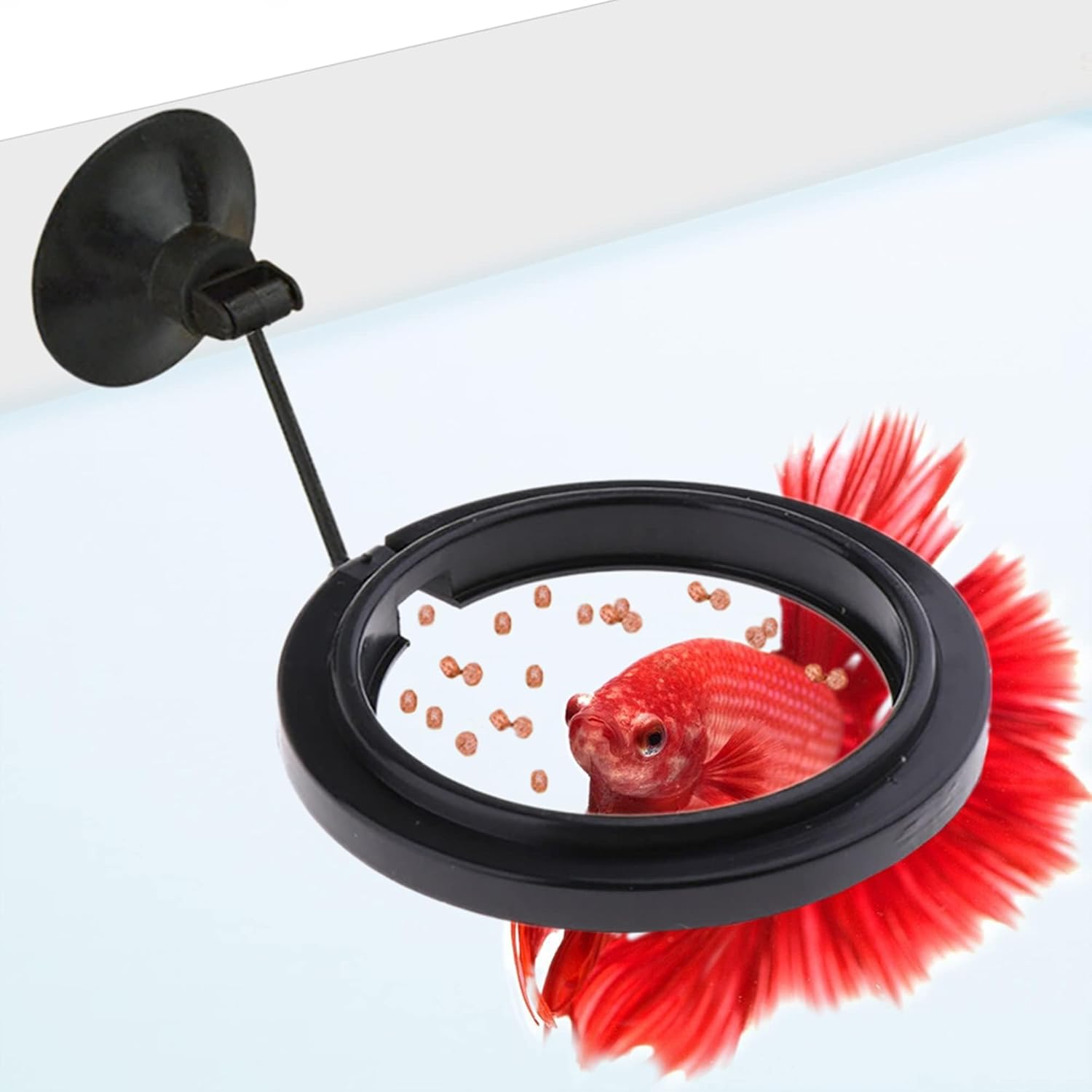
- Betta Pellets: 2 to 3 small pellets per feeding. These are the most common and easiest to portion.
- Frozen Bloodworms: A small cube or a few worms. Think about the size of a pea.
- Live Food (Brine Shrimp): 3 to 5 brine shrimp per meal. Easy to overfeed on these.
- Flakes: A tiny pinch, about the size of a small coin. Flakes expand in water, so less is more.
Sticking to these portions will keep your betta in great shape. If you ever feel unsure, feed a little less. Your fish will thank you for it.
How Often Should You Feed a Betta Fish?
Frequency matters just as much as portion size. So how often do you feed a betta fish? The standard recommendation is twice a day. Once in the morning and once in the evening. This mimics their natural eating patterns in the wild.
Creating a Feeding Schedule
A consistent betta fish feeding schedule helps your fish stay healthy and predictable. Bettas thrive on routine. They know when to expect food, which reduces stress and makes them more active. Try to feed them at the same times every day.
Here is a simple daily feeding routine you can follow:
- Morning Feeding (around 8 AM): Give 2 to 3 pellets or an equivalent portion. This starts their day with energy.
- Evening Feeding (around 6 PM): Offer the same amount. This gives them time to digest before sleeping.
- One Fasting Day Per Week: Skip one full feeding day each week. This helps clear their digestive system and prevents constipation.
Some experienced fish keepers also skip feeding one day every two weeks for older bettas. This can help with digestion and overall gut health. If you want to learn more about feeding frequency, check out our guide on how often you feed a betta fish.
Can You Feed a Betta Fish Too Much?
Absolutely, yes. Overfeeding is one of the most common problems betta owners face. It is also one of the most dangerous. When you give your betta more food than it needs, several bad things happen quickly.
First, uneaten food decays in the tank. This spikes ammonia and nitrite levels. Those chemicals are toxic to fish. Second, a full belly puts pressure on internal organs. Third, overfeeding leads to obesity and fatty liver disease in bettas.
Watch for these signs that you are feeding too much:
- A bloated or round belly that does not go down
- Food left uneaten after feeding time
- Cloudy or dirty water shortly after feeding
- Your betta becoming lethargic or floating oddly
- Long strings of waste hanging from the fish
If you notice these signs, reduce the portion size immediately. You can also learn more about the dangers of overfeeding in our article on can you feed a betta fish too much.
Best Types of Food for Betta Fish
Not all fish food is created equal. The type of food you choose matters a lot for your betta’s health and nutrition. Bettas are carnivores by nature. They need a protein-rich diet to stay vibrant and active. Let us look at the best options.
Betta Pellets (The Best Staple Food)
High-quality betta pellets should be the foundation of your fish’s diet. Look for pellets where the first ingredient is fish meal or whole fish. Avoid pellets filled with fillers like corn or wheat. These offer little nutritional value and can cause digestive issues.
A good pellet will float or sink slowly, which is perfect for bettas. They prefer to eat from the middle or top of the water column. Make sure the pellets are small enough for your betta’s mouth. Large pellets can be hard for them to eat and digest.
Frozen and Freeze-Dried Foods
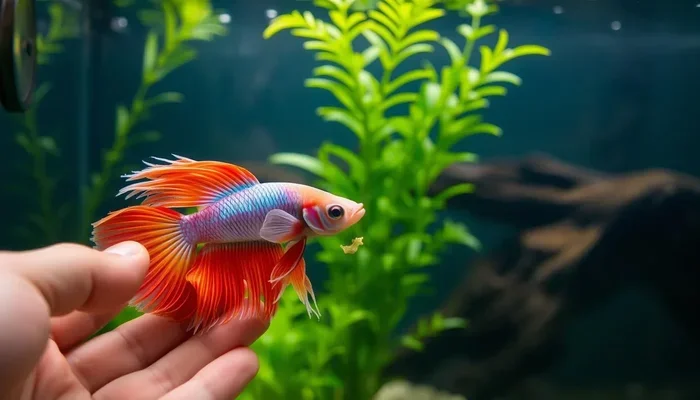
Frozen bloodworms and brine shrimp make excellent treats for bettas. They are packed with protein and mimic what bettas eat in the wild. You should feed these as a supplement, not the main diet. Use them 2 to 3 times a week alongside pellets.
Freeze-dried foods are convenient and last a long time. Just make sure to soak them in tank water before feeding. This prevents them from expanding inside your fish’s stomach, which can cause bloating.
Live Foods
Live foods are the most natural option for bettas. Mosquito larvae, daphnia, and live brine shrimp are all excellent choices. They stimulate natural hunting behavior and provide top-quality nutrition. However, they can carry parasites or bacteria if purchased from unreliable sources.
If you buy live food, make sure it comes from a reputable supplier. You can also culture your own at home. It is cheaper and much safer for your fish. For more tips on feeding your betta the right way, visit our page on how do you feed a betta fish.
Common Feeding Mistakes to Avoid
Even experienced betta owners make feeding mistakes. The good news is that most of these are easy to fix once you know what to look for. Here are the most common errors people make when feeding their bettas.
Mistake 1: Feeding Too Much at Once
This is the number one mistake. People see their betta eating eagerly and think it is still hungry. Bettas are opportunistic eaters. They will eat as much as you give them, even if it is too much. That does not mean they need it. Stick to the 2-minute rule and resist the urge to add more food.
Mistake 2: Feeding Too Often
Some owners feed their bettas 3 or 4 times a day because they think it is better. It is not. Twice a day is plenty for a healthy adult betta. More frequent feedings lead to excess waste in the tank and put stress on your fish’s digestive system.
Mistake 3: Ignoring Uneaten Food
Leaving uneaten food in the tank is a bad habit. It decays quickly and pollutes the water. Always remove any food your betta does not eat within a few minutes. Use a small net or siphon to clean it up. This keeps your tank water clean and your fish healthy.
Mistake 4: Skipping Variety
Feeding only pellets every day can lead to nutritional gaps. Bettas need variety for optimal health. Rotate between pellets, frozen foods, and occasional live foods. This keeps them interested in eating and provides a broader range of nutrients.
Signs Your Betta Is Getting the Right Amount of Food
How do you know if you are feeding your betta correctly? Your fish will tell you if you pay attention. A well-fed betta shows clear signs of good health and proper nutrition.
Look for these positive signs:
- Bright, vivid colors: A properly fed betta has rich, intense colors. Fading colors can signal a poor diet.
- Active swimming: Your betta should swim around the tank with energy and curiosity.
- Healthy appetite: Your fish should eat eagerly but stop when full.
- Regular waste: Well-formed waste means digestion is working properly.
- Plump but not bloated body: Your betta should look full and healthy, not stretched out.
On the flip side, signs of underfeeding include a thin or gaunt body, lethargy, and hiding more than usual. If you notice these, slowly increase the portion size. Make changes gradually so you do not shock your fish’s system.
For more information on recognizing when something is wrong with your betta, read our guide on how do you know a betta fish is dying. It covers important warning signs every owner should know.
Special Feeding Considerations
Not all bettas are the same. Age, health, and tank conditions can all affect how you should feed your fish. Here are a few special situations to keep in mind.
Feeding Baby Betta Fish (Fry)
Baby bettas need very different feeding than adults. They have tiny stomachs and high metabolisms. Feed them small amounts 3 to 4 times a day. Infusoria, baby brine shrimp, and finely crushed pellets work well for fry. The portions should be microscopic.
Feeding Senior Betta Fish
Older bettas may become less active and have slower digestion. You might need to reduce portion sizes slightly and feed them once a day instead of twice. Adding a weekly fasting day becomes even more important for aging fish.
Feeding a Sick Betta
A sick betta often loses its appetite. This is a serious sign. If your fish stops eating, try offering a small amount of its favorite food. Soaking food in tank water can make it more appealing. If your betta still refuses to eat for more than 2 days, it may be time to look into treatment options. Check out our article on how do you cure a sick betta fish for helpful guidance.
Final Thoughts on Feeding Your Betta
Getting the right amount of food for your betta fish is simpler than most people think. The secret is consistency and restraint. Feed small portions twice a day. Stick to a schedule. Remove uneaten food. And give your betta a fasting day each week.
When you ask yourself, how much fish food do you feed a betta, remember this: a little goes a long way. Your betta does not need a big meal. It needs the right meal, at the right time, in the right amount. Follow these guidelines and your fish will live a long, healthy, and colorful life.
Take what you learned here and put it into practice today. Your betta will show you the difference with brighter colors, more energy, and a stronger appetite. That is the reward of feeding them correctly.
Frequently Asked Questions
How much should I feed my betta fish per day?
You should feed your betta 2 to 3 small pellets per meal, twice a day. That is a total of 4 to 6 pellets daily. Always follow the 2-minute rule and remove any uneaten food right away. Proper betta fish feeding means keeping portions small and consistent every day.
Can I feed my betta once a day instead of twice?
Yes, you can feed a betta once a day if you prefer. Some owners do this with older or less active fish. Just make sure the single portion is still within the 2-minute eating window. Adding one fasting day per week helps with digestion either way.
What happens if I overfeed my betta fish?
Overfeeding causes bloating, constipation, and swim bladder issues in bettas. Uneaten food also rots in the tank and raises ammonia levels quickly. This can lead to cloudy water and serious health problems. To avoid this, always measure portions carefully and resist the urge to give extra food.
How do I know if my betta is still hungry?
Bettas will often beg for food even when they are full. This is natural behavior, not a sign of hunger. If your betta has eaten its portion within 2 minutes and there is no food left, it has had enough. Wait until the next scheduled feeding time.
What is the best time of day to feed a betta fish?
The best times are in the morning and early evening. Feeding around 8 AM and 6 PM works well for most bettas. This gives your fish time to digest before resting at night. A consistent routine helps reduce stress and keeps your betta on a healthy feeding schedule.
Should I skip feeding my betta if the water is dirty?
Yes, if your tank water is cloudy or has high ammonia levels, skip one feeding. Poor water quality makes it harder for your betta to stay healthy. Fix the water first, then resume feeding at the normal portion size. Clean water is just as important as proper food for your betta’s well-being.