How Much Does a Betta Fish Weight
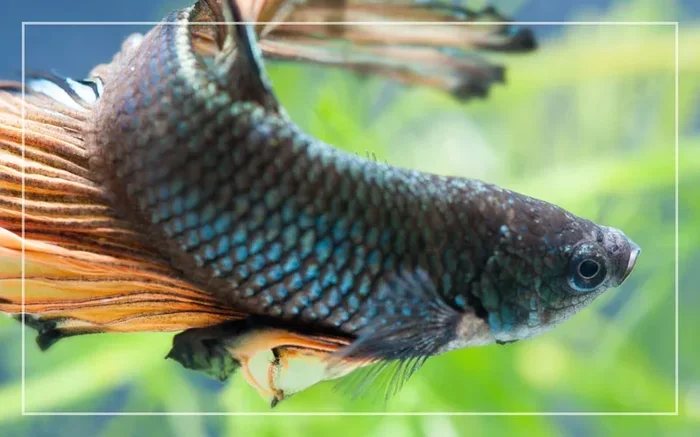
The average betta fish weighs between 0.08 and 0.15 ounces (about 2 to 4 grams). A healthy betta fish weight depends on factors like diet, tank size, and age. Keeping your betta at the right weight ensures a long, happy life.
If you have a betta fish or are thinking about getting one, you might wonder about their betta fish weight. It sounds like a simple question, but the answer is more interesting than you might think. A healthy betta fish carries just a few grams of body weight, yet that small number tells you a lot about their overall health.
Knowing your betta’s weight helps you spot problems early. Whether your fish is too light or too heavy, weight changes are often the first sign that something is off. In this guide, we will walk you through everything you need to know about how much a betta fish weighs, what affects their weight, and how to keep them in great shape.
Key Takeaways
- Average Weight: Most betta fish weigh between 0.08 and 0.15 ounces (2 to 4 grams).
- Diet Matters: Overfeeding is the top cause of unhealthy weight gain in bettas.
- Tank Size Affects Health: A proper tank supports better movement and metabolism.
- Growth Stages: Betta fish weight changes as they move from fry to adult.
- Health Checks: Sudden weight changes can signal illness or poor water conditions.
- Feeding Tips: Feed small amounts 1 to 2 times a day for optimal weight.
📑 Table of Contents
How Much Does a Betta Fish Weigh?
The average betta fish weight sits between 0.08 and 0.15 ounces, which is about 2 to 4 grams. That is incredibly light. For comparison, a single paperclip weighs about 1 gram, so your betta weighs roughly the same as a few paperclips together.
But weight varies quite a bit from fish to fish. Several factors play a role in determining where your betta falls on the scale. Let us break them down.
Factors That Affect Betta Fish Weight
Not all bettas are the same size or weight. Here is what causes the differences:
- Age: Young bettas weigh much less than adults. A baby betta might weigh just 0.02 grams at birth.
- Gender: Male bettas tend to be slightly larger and heavier than females, especially when they develop their full fins.
- Diet: What and how much your betta eats directly impacts their body weight.
- Tank Size: Bettas with more room to swim tend to stay more active and maintain a healthy weight.
- Health: Illness, stress, and poor water conditions can cause weight loss or bloating.
As your betta grows, you will notice steady changes in their betta fish size and weight. This ties directly into how much space a betta fish really needs, since proper tank conditions support steady, healthy growth.
Betta Fish Weight by Growth Stage
Understanding how betta fish weight changes over time helps you set realistic expectations. Bettas go through several growth stages, and each one comes with different weight ranges.
Stage 1: Fry (0 to 4 Weeks)
Newborn betta fry are tiny. They weigh around 0.02 grams and measure less than a quarter of an inch. At this stage, they live off their yolk sac and do not need external food yet.
Stage 2: Juvenile (1 to 3 Months)
By the time your betta reaches the juvenile stage, they start eating regular food. Their weight climbs to around 0.05 to 0.08 grams. You will also notice their colors beginning to show.
Stage 3: Sub-Adult (3 to 6 Months)
At this point, your betta is growing quickly. They can weigh between 0.08 and 0.12 grams. Fins start becoming more dramatic, especially in males. This is also the stage where how much you feed a betta fish really matters.
Stage 4: Adult (6 Months and Older)
A fully grown adult betta typically weighs between 0.08 and 0.15 grams. Some particularly large males may push closer to 0.2 grams, but that is rare. Maintaining a healthy betta fish weight at this stage requires consistent feeding and good water quality.
Why Betta Fish Weight Matters
You might think that a few grams does not matter much. But betta fish weight is actually a key indicator of overall health. Sudden changes in weight are often the earliest warning signs of problems.
Underweight Betta Fish
If your betta looks thin and their body seems narrow or pinched, they may be underweight. Common causes include:
- Not enough food or poor nutrition
- Internal parasites
- Stress from a crowded tank
- Poor water quality
An underweight betta will have a weakened immune system. This makes them more vulnerable to diseases like ich and fungal infections. If you notice your fish looking slim, check their feeding routine and water parameters right away.
Overweight Betta Fish
Yes, bettas can be overweight too. Overfeeding is the number one cause of excess weight. An overweight betta may appear bloated or have a round, distended belly. This is different from the normal slight plumpness a healthy betta carries.
Excess weight puts strain on a betta’s internal organs. It can shorten their betta fish lifespan and lead to serious health issues. Learning how much food your betta actually needs is one of the best things you can do for their health.
How to Weigh Your Betta Fish
Weighing a betta fish is not as hard as it sounds. You do not need fancy equipment. Here is a simple method that works well at home.
Method 1: The Cup Method
Weigh an empty plastic cup on a kitchen scale. Then gently place your betta in the cup with a small amount of tank water. Subtract the weight of the cup and water. The remaining number is your betta’s weight.
Method 2: Visual Assessment
If you do not have a scale, you can still monitor weight by watching your fish’s body shape. A healthy betta has a smooth, slightly rounded body without any visible bloating or thinning. Compare their appearance week to week for changes.
For more detailed guidance on how much food to offer, check out this guide on how much to feed a betta fish to avoid over or underfeeding.
How Much Should You Feed a Betta Fish?
Feeding is the single biggest factor in maintaining a healthy betta fish weight. Too little food leads to weight loss. Too much food leads to obesity and water pollution.
The general rule is simple: feed your betta an amount they can eat in 2 minutes, 1 to 2 times per day. A good portion size is about 2 to 3 small pellets per feeding. You can also offer frozen or live foods like brine shrimp as an occasional treat.
Here are some quick feeding tips:
- Soak dry pellets before feeding to prevent bloating.
- Skip one feeding day per week to help digestion.
- Remove uneaten food after 5 minutes to keep the water clean.
- Rotate between different food types for balanced nutrition.
If you want a deeper dive into feeding amounts, this article on how much a betta fish eats covers the topic in great detail.
Common Weight Problems and How to Fix Them
Even with the best care, bettas sometimes face weight issues. Here are the most common problems and what you can do about them.
Constipation and Bloating
Constipation is one of the most common reasons a betta appears heavier than normal. Signs include a swollen belly, difficulty swimming, and loss of appetite. The fix is simple:
- Stop feeding for 1 to 2 days.
- Offer a small piece of blanched pea (no skin) to help digestion.
- Check your tank temperature; warmer water (around 78 to 80 degrees Fahrenheit) aids digestion.
Weight Loss from Illness
If your betta is losing weight quickly, it could signal an illness. Look out for other symptoms like clamped fins, faded colors, or unusual swimming behavior. A stressed betta needs immediate attention. Learning how to treat a stressed betta fish can make a big difference in their recovery and weight.
The Impact of Tank Size on Weight
Many people underestimate how much tank size affects a betta’s weight and overall health. A tiny bowl restricts movement, which slows metabolism and can lead to weight gain. A proper tank gives your betta room to swim and stay active.
So, how big does a betta fish tank need to be? The minimum recommended size is 5 gallons. A larger tank, around 10 gallons, is even better. If you are unsure about the right setup, this guide on how big of a tank a betta fish needs will help you choose the perfect home.
How to Keep Your Betta at a Healthy Weight
Maintaining a healthy betta fish weight comes down to a few simple habits. Follow these tips and your betta will thrive:
- Feed the right amount: Small portions, 1 to 2 times a day, nothing more.
- Keep the water clean: Regular water changes prevent stress and illness that affect weight.
- Provide enrichment: Plants, hiding spots, and gentle current encourage natural movement.
- Monitor regularly: Check your betta’s body shape weekly to catch changes early.
- Avoid over-treating: Treats like bloodworms should be occasional, not daily.
A well-maintained betta fish tank setup plays a huge role here. The environment directly impacts your fish’s activity level, appetite, and overall well-being. For tips on creating the ideal setup, check out how to set up a fish tank for betta fish.
Your betta fish is a living creature that depends on you for its health. Keeping an eye on their weight is one of the simplest and most effective ways to ensure they live a long, happy life.
Final Thoughts on Betta Fish Weight
The betta fish weight of a healthy adult falls between 2 and 4 grams. It is a small number, but it carries a lot of meaning. Weight tells you whether your fish is getting the right nutrition, living in a good environment, and staying free from illness.
By paying attention to what and how much you feed your betta, keeping their tank clean, and watching for changes in their body shape, you can easily maintain their ideal weight. A healthy betta is a happy betta, and a happy betta will reward you with vibrant colors and lively behavior for years to come.
Remember, every betta is unique. Some are naturally a bit heavier, others a bit lighter. What matters most is that your fish stays within a healthy range and shows no signs of distress. With the care tips in this guide, you are well equipped to keep your betta at the perfect weight.
Frequently Asked Questions
What is the average weight of a betta fish?
The average betta fish weighs between 0.08 and 0.15 ounces, or about 2 to 4 grams. This range applies to healthy adult bettas. Younger or smaller bettas will weigh less, while larger males may be slightly heavier.
Can a betta fish be overweight?
Yes, bettas can become overweight if they are fed too much or too frequently. An overweight betta may have a bloated or distended belly. Overfeeding is the most common cause, and it can lead to serious health problems like swim bladder issues and organ strain.
How can I tell if my betta fish is at a healthy weight?
A healthy betta has a smooth, slightly rounded body without visible bloating or thinning. Their body should look proportional to their size. If you notice sudden weight loss or gain, check their diet, water quality, and overall environment for possible causes.
How often should I weigh my betta fish?
Weighing your betta once a month is usually enough for most fish owners. Daily visual checks of their body shape are also helpful. You do not need to weigh them every day unless your vet recommends it for a specific health concern.
Does tank size affect betta fish weight?
Yes, tank size plays a role in a betta’s weight and overall health. A larger tank encourages more swimming and activity, which helps maintain a healthy weight. A tank that is too small can lead to a sedentary lifestyle and weight gain.
What should I do if my betta fish is losing weight?
If your betta is losing weight, first check their feeding schedule and food quality. Look for signs of illness like faded colors or clamped fins. Poor water quality and stress can also cause weight loss. If the problem continues, consult a veterinarian who specializes in fish care.