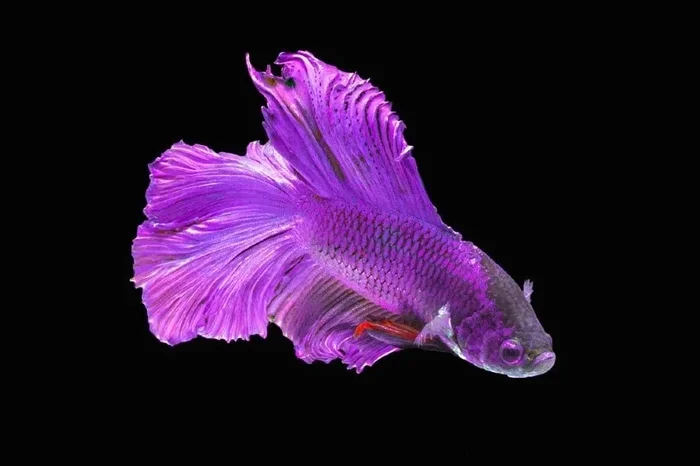
Can Betta Fish Eat Meat
Yes, betta fish can eat meat, and it is a vital part of their natural diet. These carnivorous fish thrive on animal protein from sources like bloodworms, brine shrimp, and small insects. This guide covers everything you need to know about safely incorporating meat into your betta fish meals for better health and vibrant color.
Key Takeaways
- Betta fish are carnivores: They need meat-based protein to stay healthy and active.
- Safe meat options exist: Bloodworms, brine shrimp, and small pieces of cooked fish are excellent choices.
- Avoid processed meats: Never feed your betta beef, pork, or seasoned human food.
- Moderation is key: Overfeeding meat can cause digestive issues and water quality problems.
- Variety matters: Combine meat with pellets and flakes for a balanced betta fish diet.
📑 Table of Contents
- Can Betta Fish Eat Meat? The Complete Feeding Guide
- Safe Meat Options for Betta Fish
- Meats to Avoid Feeding Your Betta
- How Often Should You Feed Meat to Your Betta?
- The Nutritional Benefits of Meat for Bettas
- Can Betta Fish Eat Different Types of Meat? A Comparison
- Signs Your Betta Is Not Getting Enough Protein
- Common Mistakes People Make When Feeding Meat to Bettas
- Expert Insights on Feeding Meat to Betta Fish
- Conclusion
Can Betta Fish Eat Meat? The Complete Feeding Guide
Yes, betta fish can eat meat, and they actually need it to survive. Unlike herbivorous fish that graze on plants, bettas are natural carnivores. In the wild, they hunt insects, larvae, and small aquatic creatures. Their bodies are built to digest animal protein. If you want your betta to thrive, understanding its meat-based dietary needs is essential.
Many new fish owners wonder whether feeding betta fish meat is safe or even necessary. The short answer is yes. But not all meat is created equal. Some types can harm your fish, while others provide incredible nutrition. This guide breaks down exactly what works, what does not, and how to do it right.
Bettas originate from the warm, slow-moving waters of Southeast Asia. Their natural diet consists almost entirely of protein-rich foods. They are opportunistic hunters that eat whatever small creatures they can find. This means a meat-based diet is not just good for bettas — it is what they are designed for.
Why Betta Fish Need Meat in Their Diet
Betta fish have short digestive tracts built for processing animal protein. Their bodies break down meat efficiently and use it for energy, growth, and vibrant coloration. Without enough protein, bettas can become lethargic, lose their bright fins, and even develop health problems.
Here is why meat matters so much for your betta:
- High protein content: Meat provides the amino acids bettas need to build strong muscles and repair tissue.
- Energy source: Animal protein gives bettas the fuel they need to be active and curious.
- Color enhancement: Protein-rich foods help bring out the stunning reds, blues, and greens in betta fins.
- Digestive health: Meat is easier for bettas to digest than plant-based foods.
- Natural behavior: Hunting and eating meat satisfies their instinctual feeding patterns.
When you feed betta fish meat properly, you are mimicking their natural habitat. This leads to happier, healthier fish that display their full potential. A diet lacking in meat, on the other hand, can cause malnutrition and a weakened immune system.
Safe Meat Options for Betta Fish
Not every type of meat is safe for your betta. Knowing which options work best will help you make informed feeding decisions. Here are the top meat-based foods that bettas love and can safely eat.
Bloodworms
Bloodworms are a staple in the betta fish world. These small, red larvae are packed with protein and are one of the most popular live and frozen foods for bettas. You can buy them freeze-dried, frozen, or live. Most bettas go absolutely crazy for bloodworms.
Feed bloodworms as a treat or supplement 2 to 3 times per week. Do not make them the sole food source. Overfeeding bloodworms can lead to constipation and bloating. If you want to learn more about whether bettas can survive on bloodworms alone, check out can betta fish just eat bloodworms for a deeper dive.
Brine Shrimp
Brine shrimp are another excellent protein source. They are small, nutritious, and easy for bettas to consume. You can feed them live, frozen, or freeze-dried. Brine shrimp are especially great as a high-protein betta treat that encourages natural hunting behavior.
Daphnia
Daphnia are tiny freshwater crustaceans often called “water fleas.” They are a natural food source for bettas and provide good protein without the risk of overloading fat. Frozen daphnia cubes are widely available and make a convenient addition to your betta’s meal rotation.
Small Pieces of Cooked Fish
You can feed your betta tiny pieces of cooked, unseasoned fish. White fish like tilapia or cod works well. Make sure the fish is plain — no salt, butter, garlic, or seasoning. Cut it into very small, bite-sized pieces that your betta can easily manage.
If you are curious about whether bettas can eat other types of meat like crab, you might want to read can betta fish eat crab meat for specific guidance on shellfish options.
Mosquito Larvae
In the wild, bettas hunt mosquito larvae near the water surface. You can culture these at home or purchase them from pet stores. Mosquito larvae are a natural, protein-rich food that bettas find irresistible. They also encourage surface feeding, which is how bettas naturally eat.
Meats to Avoid Feeding Your Betta
Just as important as knowing what to feed is knowing what not to feed. Some meats can seriously harm your betta fish. Keep these items far away from your aquarium.
Processed Human Meats
Never feed your betta beef, pork, chicken, or any processed meat from the grocery store. These foods contain high levels of sodium, preservatives, and additives that are toxic to fish. The fat content in these meats can also cause serious digestive blockages in bettas.
Seasoned or Cooked Meats with Oil
Any meat cooked with oil, butter, garlic, or seasoning is dangerous. Even small amounts of salt or onion can poison your betta. Always keep human food completely out of the aquarium.
Raw Meat from the Grocery Store
Raw meat may seem like a natural option, but it can introduce harmful bacteria into your tank. It also decomposes rapidly in water, which tanks your water quality fast and can make your betta sick.
Red Meat and Beef Heart
Some fish keepers recommend beef heart for larger fish, but it is not suitable for bettas. Beef heart is too fatty and heavy for a betta’s small digestive system. It can cause swim bladder issues and long-term health problems.
How Often Should You Feed Meat to Your Betta?
Getting the frequency right is just as important as choosing the right foods. Overfeeding is one of the most common mistakes betta owners make, and it can lead to serious health and water quality issues.
Here is a simple feeding schedule to follow:
- Main meals: Feed your betta high-quality betta pellets or flakes twice daily. These should form the foundation of the diet.
- Meat treats: Offer a small portion of meat-based food 2 to 3 times per week. This can be bloodworms, brine shrimp, or daphnia.
- Portion size: Only give your betta as much meat as it can eat in 2 minutes. Remove any uneaten food promptly.
- Fasting days: Skip one feeding per week to help your betta’s digestive system process food and prevent constipation.
Remember, moderation with meat is essential. Too much protein can cause constipation, bloating, and poor water conditions from uneaten food decaying in the tank. A balanced approach works best for long-term betta health.
Quick Tips for Feeding Meat Safely
- Always thaw frozen foods before feeding to avoid shocking your betta with cold food.
- Cut meat into tiny, manageable pieces no larger than your betta’s mouth.
- Feed meat near the surface since bettas are top-feeders.
- Watch your betta during feeding to ensure it actually eats the food.
- Remove any leftover meat after a few minutes to keep the water clean.
The Nutritional Benefits of Meat for Bettas
Understanding what meat provides nutritionally helps you make better feeding choices. Betta fish need a diet high in protein and moderate in fat. They also require certain vitamins and minerals to maintain their immune system, vibrant colors, and overall vitality.
| Nutrient | Why It Matters | Best Meat Source |
|---|---|---|
| Protein | Builds muscle, supports growth, and maintains energy | Bloodworms, brine shrimp |
| Fat | Provides concentrated energy in small amounts | Mosquito larvae, daphnia |
| Amino Acids | Essential for tissue repair and color development | Cooked white fish, bloodworms |
| Fiber | Aids digestion and prevents constipation | Daphnia, brine shrimp |
| Vitamins | Supports immune function and overall health | Live mosquito larvae, daphnia |
A well-rounded diet that includes both commercial betta food and natural meat sources gives your fish the best chance at a long, healthy life. For more information on whether betta fish can over eat and how to avoid it, check out can betta fish over eat.
Can Betta Fish Eat Different Types of Meat? A Comparison
Not all meat options are equal when it comes to feeding your betta. Here is a quick comparison of common meat foods to help you decide what works best.
| Food Type | Protein Level | Ease of Feeding | Best For |
|---|---|---|---|
| Bloodworms | High | Very Easy | Weekly treat, color enhancement |
| Brine Shrimp | High | Easy | Active feeding, variety |
| Daphnia | Moderate | Easy | Digestive health, light meal |
| Cooked White Fish | Very High | Moderate | Protein boost, occasional meal |
| Mosquito Larvae | High | Easy | Natural hunting, surface feeding |
| Freeze-Dried Krill | High | Very Easy | Convenient protein source |
Each of these options serves a slightly different purpose. Using a combination gives your betta the nutritional variety it craves. If you are exploring other food types, you might also wonder can you feed betta fish meat in different forms like freeze-dried or frozen. The answer is yes, and each form has its own benefits.
Signs Your Betta Is Not Getting Enough Protein
Sometimes it is hard to tell if your betta’s diet is lacking. Watch for these warning signs that your fish may need more meat in its meals:
- Dull color: Faded or pale fins and body can indicate a nutritional deficiency.
- Lethargy: A betta that stays in one spot and refuses to move may not be getting enough energy from its food.
- Loss of appetite: Ironically, a protein-deficient betta may stop eating altogether.
- Slow growth: Young bettas that are not growing properly may need more protein-rich food.
- Fin clamping: When a betta holds its fins close to its body constantly, it can be a sign of poor health linked to diet.
If you notice any of these signs, consider adding more protein-rich meat foods to your betta’s routine. Start slowly and introduce one new food at a time to monitor how your fish responds.
Common Mistakes People Make When Feeding Meat to Bettas
Even well-meaning betta owners can make mistakes when introducing meat into their fish’s diet. Here are the most common errors to avoid.
Feeding Too Much Too Soon
When you first start offering meat, go slow. Your betta’s digestive system needs time to adjust to new foods. Start with small portions once a week and gradually increase if your fish tolerates it well.
Using the Wrong Meat Type
Not all meat is safe. Feeding beef, pork, or seasoned chicken can be fatal. Always stick to fish-safe protein sources like bloodworms, brine shrimp, and plain cooked fish.
Skipping Pellets Entirely
Meat should supplement a betta’s diet, not replace it entirely. High-quality betta pellets provide balanced nutrition that meat alone cannot. Think of meat as a treat or protein boost, not a complete meal replacement.
Ignoring Uneaten Food
Leaving uneaten meat in the tank fouls the water quickly. Decaying food releases ammonia, which is toxic to bettas. Always remove any food your fish does not eat within a few minutes.
Expert Insights on Feeding Meat to Betta Fish
Veterinary aquarists and experienced betta breeders agree that a meat-based diet is fundamental to betta health. According to fish nutrition experts, wild bettas consume a diet that is over 70 percent protein from animal sources. Captive bettas thrive when their diet closely mirrors this natural intake.
The key is balance. Professional breeders often use a rotation of high-quality pellets, frozen bloodworms, brine shrimp, and occasional live foods. This rotation ensures that bettas receive all the nutrients they need without any single food dominating the diet.
One expert tip from seasoned betta keepers: always watch your fish during feeding. This helps you spot appetite changes early and ensures every betta in a community tank gets its share of food. If you are keeping bettas with other species, you may also want to check out can other fish eat betta pellets to understand how different tank mates interact with betta food.
Conclusion
Can betta fish eat meat? Absolutely. In fact, meat is one of the most important parts of their diet. From bloodworms to brine shrimp, there are many safe and nutritious meat options that will keep your betta healthy, colorful, and active. The key is to choose the right types of meat, feed in moderation, and always maintain a balanced diet with quality pellets or flakes as the foundation.
Avoid processed and seasoned human meats at all costs. Stick to fish-safe protein sources and follow a consistent feeding schedule. Your betta will reward you with vibrant colors, energetic behavior, and a long, happy life. Feeding your betta the right meat is one of the simplest yet most impactful things you can do as a fish owner.
Take what you have learned here and start making small improvements to your betta’s feeding routine today. Your fish will thank you for it.
Frequently Asked Questions
Can betta fish eat raw meat from the store?
No, you should not feed raw grocery store meat to your betta. It contains harmful bacteria, excess fat, and preservatives that can make your fish very sick. Stick to fish-safe protein sources like bloodworms, brine shrimp, or plain cooked fish.
What is the best meat for betta fish?
Bloodworms and brine shrimp are widely considered the best meat options for bettas. They are high in protein, easy to digest, and most bettas love them. Cooked plain white fish is also an excellent occasional choice.
Can I feed my betta chicken or beef?
No, never feed your betta chicken, beef, or any other red meat. These are too fatty and contain ingredients that are toxic to fish. They can cause serious digestive problems and even death.
How often should I feed my betta meat?
Offer meat-based foods 2 to 3 times per week as a treat or supplement. The main part of your betta’s diet should be high-quality betta pellets or flakes. Always feed small portions that your betta can finish in under two minutes.
Can betta fish eat worms other than bloodworms?
Yes, bettas can eat other worms like tubifex worms and white worms. These are all protein-rich and generally safe. However, always source them from reputable suppliers to avoid parasites or contaminants.
Is it okay to feed my betta only meat and no pellets?
No, meat alone does not provide all the nutrients a betta needs. Pellets and flakes are specially formulated to deliver a balanced diet. Use meat as a supplement to enhance nutrition, not as a replacement for staple foods.