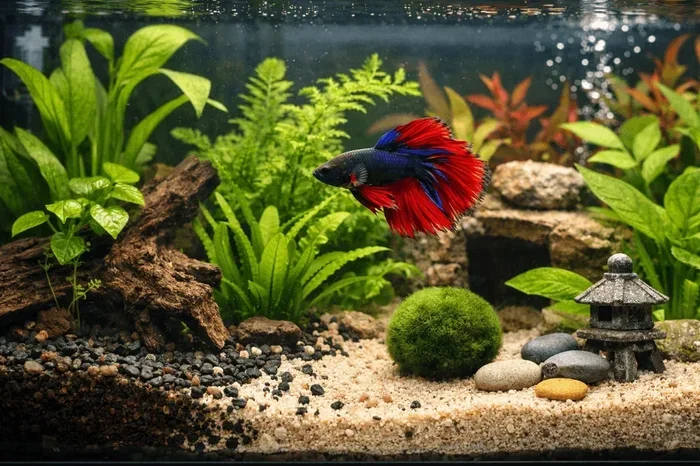
Can Betta Fish Eat Flies

Yes, betta fish can eat flies and they often enjoy them as a natural protein source. Flies are a great addition to a betta fish diet when offered safely and in moderation. This guide covers which flies are safe, how to feed them, and what to avoid.
If you have ever wondered can betta fish eat flies, the short answer is yes. Bettas are natural hunters, and in the wild, they eat insects and other small creatures that land on the water surface. Flies are one of the most accessible and nutritious treats you can offer your betta fish. But there are important details you need to know before dropping a fly into your aquarium.
This guide covers everything you need about feeding flies to your betta. We will look at which types of flies are safe, how to prepare them, and how often to offer them. By the end, you will feel confident about adding this natural food to your betta fish feeding guide.
Bettas originate from the warm, shallow waters of Southeast Asia. In their natural habitat, they eat a varied diet of insects, larvae, and small invertebrates. Can betta fish eat flies is a common question among new owners because it connects to this wild diet. Understanding what bettas eat in nature helps us provide better care in our homes.
Key Takeaways
- Betta fish can eat flies: Flies are a natural part of a wild betta diet and provide valuable protein.
- House flies and fruit flies are safe: These common insects make good treats when sourced cleanly.
- Dead flies can work too: But live flies stimulate natural hunting behavior and are more nutritious.
- Avoid wild-caught flies from dirty areas: Pesticides and pollutants can harm your betta fish.
- Feed flies in moderation: Too many flies can cause digestive issues or water quality problems.
- Gut-load flies before feeding: Feeding the flies nutritious food first boosts their value for your betta.
- Always monitor your fish: Watch for signs of overfeeding or adverse reactions after introducing new food.
📑 Table of Contents
- Why Flies Make Great Food for Betta Fish
- Which Flies Are Safe for Betta Fish?
- How to Safely Feed Flies to Your Betta Fish
- How Often Should You Feed Flies to Your Betta?
- Benefits of Feeding Flies to Your Betta Fish
- Risks and Things to Watch Out For
- Quick Tips for Feeding Flies to Your Betta
- How Flies Compare to Other Live Foods
- Common Mistakes People Make When Feeding Flies to Bettas
- Final Thoughts
Why Flies Make Great Food for Betta Fish
Flies are not just random bugs buzzing around your home. They are a natural food source that bettas have evolved to eat over thousands of years. Here is why flies work so well for your fish.
Protein-Rich Nutrition
Flies are packed with protein, which is the most important nutrient for betta fish. Bettas are carnivores by nature, and they need a protein-rich food diet to stay healthy, colorful, and active. A single fly contains a good amount of amino acids that support muscle growth and overall vitality.
Natural Hunting Stimulus
Betta fish are surface feeders. They love to hunt and catch food that lands on the water. When you drop a fly into the tank, you trigger their natural instincts. This kind of live food for betta fish enrichment keeps them mentally stimulated and reduces boredom. A stimulated betta is a happier and healthier betta.
Easy to Source
You do not need to buy expensive fish food from a store to offer variety. Flies are everywhere. You can catch them yourself or even raise them at home. This makes flies one of the easiest and most affordable betta fish treats you can provide.
Which Flies Are Safe for Betta Fish?
Not all flies are created equal. Some are perfectly safe, while others can be harmful. Here is a breakdown of the most common types and whether they are okay for your betta.
| Type of Fly | Safe for Betta? | Notes |
|---|---|---|
| House Flies | Yes | Common and safe if sourced from clean areas |
| Fruit Flies | Yes | Small and easy to digest; a favorite for bettas |
| Dead Flies | Yes | Less nutritious than live but still acceptable |
| Wingless Fruit Flies | Yes | Ideal for aquarium feeding; cannot escape the tank |
| Horse Flies | No | Too large and may carry bacteria or parasites |
| Blow Flies | Avoid | Often found on decaying matter; risk of contamination |
| Ants | Use Caution | Some species can make bettas sick |
Can betta fish eat house flies? Yes, house flies are one of the safest options. Just make sure they come from a clean environment, not from areas sprayed with pesticides. Do betta fish eat fruit flies? Absolutely. Fruit flies are small, soft, and many bettas love them. In fact, can I feed wingless fruit flies to betta fish is a popular question, and the answer is a definite yes. Wingless fruit flies are perfect because they cannot fly out of the tank and are easy for your betta to catch.
When it comes to dead flies, can betta fish eat dead flies is a question many owners ask. The answer is yes, but live flies offer more nutritional benefit and behavioral enrichment. Dead flies can be offered occasionally, but they lose some nutritional value over time.
How to Safely Feed Flies to Your Betta Fish
Feeding flies to your betta is simple, but doing it the right way matters. Follow these steps to keep your fish safe and healthy.
Step 1: Source Flies Responsibly
Never collect flies from areas treated with pesticides, chemicals, or near garbage dumps. Flies absorb toxins from their environment, and these toxins can transfer to your betta fish. The safest option is to use flies from a clean indoor environment or purchase live cultures from a pet store or online supplier.
Step 2: Rinse the Flies
Before offering flies to your betta, rinse them gently with clean water. This removes any dirt, dust, or residue that could contaminate your tank water. A quick rinse under a gentle stream of dechlorinated water works best.
Step 3: Drop Flies on the Surface
Betta fish feed from the surface. Simply drop one or two flies onto the water and let your betta hunt them down. Do not drop more than your fish can eat within a few minutes. Overfeeding is a common mistake that leads to betta fish over eat problems and poor water quality.
Step 4: Remove Uneaten Flies
If your betta does not eat all the flies within five to ten minutes, remove the leftovers. Dead flies that sit in the tank can decompose and raise ammonia levels. Clean water is essential for betta fish health, so always keep the tank environment pristine.
How Often Should You Feed Flies to Your Betta?
Flies should be treated as a supplement, not a staple food. A good betta fish diet consists primarily of high-quality pellets or flakes designed for bettas. Flies and other live foods should make up about 10 to 20 percent of their overall intake.
Feeding flies once or twice a week is ideal for most bettas. This frequency provides variety without the risk of nutritional imbalance. If you are raising wingless fruit flies at home, you have a convenient supply that makes regular feeding easy.
Pay attention to your betta’s appetite and behavior. A healthy betta will eagerly hunt down flies. If your fish seems disinterested, try offering a different food instead. Every betta has unique betta fish appetite preferences, and variety helps keep mealtime exciting.
Benefits of Feeding Flies to Your Betta Fish
Adding flies to your betta’s diet offers several real benefits that go beyond just nutrition.
Improved Coloration
The natural pigments found in insects can enhance your betta’s vibrant colors. Many betta owners notice brighter reds, blues, and greens after introducing live food like flies into their diet. This is one of the most rewarding benefits of offering natural betta food.
Better Digestion
Processed foods can sometimes cause constipation in bettas. Flies are a whole, natural food that is easier to digest. The exoskeleton of flies provides gentle fiber that supports healthy betta fish digestion.
Increased Activity Levels
Betta fish that hunt live prey are more active and engaged. You will notice your betta swimming to the surface eagerly when it sees you approaching with food. This active feeding behavior mimics their life in the wild and keeps them physically fit.
Stronger Immune System
A varied diet supports a stronger immune system. When your betta receives different nutrients from different food sources, it is better equipped to fight off disease. Think of flies as a natural vitamin boost for your fish.
Risks and Things to Watch Out For
While flies are generally safe, there are some risks you should be aware of.
Can betta fish get sick if they eat ants? This is a related concern. Some ant species produce formic acid, which can be harmful to fish. Avoid feeding ants to your betta unless you are certain they are from a safe, chemical-free source. The same caution applies to flies collected from outdoors near roads, farms, or buildings.
Pesticide exposure is the biggest danger. Even small amounts of insecticide on a fly can make your betta seriously ill. Always source your flies from safe, clean environments.
Another risk is overfeeding. Flies are calorie-dense, and too many can lead to bloating, constipation, or obesity. Stick to the recommended feeding frequency and portion sizes to keep your betta in top shape.
Water quality is also a concern. Uneaten flies that sink and decompose release ammonia into the water. This can spike your tank’s ammonia levels and stress your fish. Always remove any flies your betta does not eat promptly.
Expert Insight: Many experienced betta keepers recommend gut-loading flies before feeding them to your fish. Gut-loading means feeding the flies nutritious food like vegetables or fish flakes for 24 hours before offering them to your betta. This process makes the flies even more nutritious and gives your betta extra vitamins and minerals with every meal.
Quick Tips for Feeding Flies to Your Betta
- Always wash flies with clean water before dropping them in the tank.
- Offer one to three flies per feeding depending on the size of your betta.
- Use a pair of soft tweezers to place flies gently on the water surface.
- Feed your betta before offering flies so they are hungry and eager to hunt.
- Watch your betta closely during feeding to ensure they catch and eat the flies.
- Never feed flies from outdoor areas that may have been sprayed with chemicals.
- Store live fly cultures properly to keep them fresh and healthy for your fish.
How Flies Compare to Other Live Foods
Flies are just one option in the world of live foods for bettas. Here is how they stack up against other popular choices.
- Bloodworms: Higher in fat, great as an occasional treat but not a complete food. Flies offer a more balanced nutritional profile.
- Brine Shrimp: Excellent protein source and easy to culture at home. Both brine shrimp and flies make a great combination for variety.
- Daphnia: Rich in fiber and helps with digestion. Flies are more protein-dense, so they complement daphnia well.
- Mosquito Larvae: A natural wild betta food that is very nutritious. Flies and mosquito larvae are both excellent surface-feeding options.
The best approach is to rotate between different live and frozen foods. This ensures your betta gets a wide range of nutrients and never gets bored with its meals. Can betta fish eat flies alongside other foods? Absolutely. Variety is the key to a thriving betta.
Common Mistakes People Make When Feeding Flies to Bettas
Feeding Too Many Flies at Once
It is tempting to offer a handful of flies, especially if you have a large culture at home. But bettas have small stomachs. Overfeeding leads to bloating, constipation, and wasted food that fouls the water. Keep portions small and controlled.
Ignoring Water Quality After Feeding
Flies that escape the surface and sink to the bottom can decay quickly. Always check your tank after feeding and remove any uneaten flies. Skipping this step can lead to ammonia spikes that endanger your fish.
Assuming All Flies Are the Same
Not every fly species is safe. Large flies like horse flies or blow flies can be dangerous. Stick to small, soft-bodied flies like house flies, fruit flies, and wingless fruit flies. These are the safest and most nutritious options for your betta.
Skipping the Rinse
Even flies from a clean indoor environment can carry dust or bacteria. A quick rinse removes contaminants and protects your tank’s water quality. This simple step makes a big difference in keeping your betta healthy.
Final Thoughts
Can betta fish eat flies? The answer is a clear and enthusiastic yes. Flies are a natural, protein-rich food that aligns perfectly with a betta’s wild diet. Whether you choose house flies, fruit flies, or wingless fruit flies, your betta will appreciate the variety and the chance to exercise its natural hunting instincts.
The key is to feed flies safely, in moderation, and from clean sources. Avoid flies from chemically treated areas, rinse them before offering, and remove any uneaten portions promptly. When done correctly, flies are one of the best betta fish treats you can provide.
Remember that a healthy betta fish diet is all about balance. Flies should complement a high-quality pellet or flake base, not replace it. With the right approach, you will keep your betta happy, healthy, and thriving for years to come. Start small, observe your fish, and enjoy the rewarding experience of watching your betta hunt its natural prey.
Frequently Asked Questions
Can betta fish eat flies that are already dead?
Yes, bettas can eat dead flies, but live flies are more nutritious and provide better enrichment. Dead flies lose some nutritional value over time, so fresh is always best. If you do offer dead flies, make sure they are from a clean source and rinse them first.
How many flies can I feed my betta fish at once?
One to three flies per feeding is ideal for most bettas. The exact number depends on the size of your fish and the size of the flies. Always watch your betta eat and remove any uneaten flies within ten minutes to protect water quality.
Are fruit flies safe for betta fish to eat?
Absolutely. Fruit flies are small, soft-bodied, and easy for bettas to digest. They are one of the safest and most popular live foods for betta fish. Wingless fruit flies are especially convenient because they cannot escape the aquarium.
Can I catch flies from outside to feed my betta?
It is best to avoid catching flies from outside. Outdoor flies may carry pesticides, parasites, or bacteria that can harm your betta. Instead, use flies from a clean indoor environment or purchase live cultures from a reputable supplier.
Can betta fish eat flies every day?
No, flies should not be fed every day. They are a treat and supplement, not a staple food. Feeding flies once or twice a week is sufficient. A balanced diet of quality betta pellets with occasional fly treats will keep your fish healthy and well-nourished.
What other insects can betta fish eat besides flies?
Betta fish can safely eat mosquito larvae, brine shrimp, daphnia, and bloodworms. Each offers different nutrients, so rotating between these foods provides the best variety. Always source live foods from clean, safe environments to protect your betta’s health.