Can Betta Fish Eat Dried Mealworms
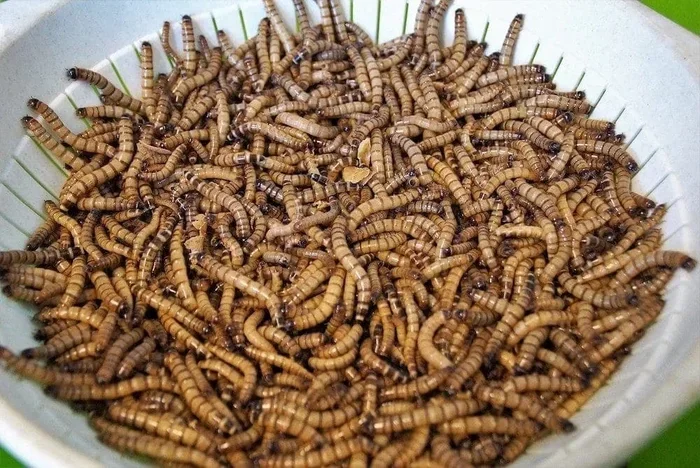
Yes, betta fish can eat dried mealworms in moderation. These protein-rich treats offer a nutritious supplement to your betta’s regular diet. Dried mealworms are a popular choice among fish keepers looking to add variety and boost protein intake for their bettas.
You love your betta fish. You want to give them the best. And when you see those little dried mealworms at the pet store, you might wonder, “Can I toss these into my betta tank?” It is a question many fish keepers ask when they are looking for new treats to mix things up.
The short answer is yes. Betta fish can eat dried mealworms safely, but there are some important things you need to know first. Not all dried treats are created equal. Some are better than others. And feeding too much of the wrong thing can cause real problems. In this guide, we will walk through everything you need to know about dried mealworms for bettas. You will learn what makes them a good treat, how to feed them properly, and what mistakes to avoid.
Your betta fish is a carnivore by nature. In the wild, bettas hunt small insects, larvae, and tiny crustaceans. This means their bodies are built to process protein-rich foods like mealworms. Dried mealworms offer a convenient way to replicate what your betta would find in its natural habitat. But convenience does not mean you should skip the research. Let us dive in and explore this topic fully.
Key Takeaways
- Dried mealworms are safe for betta fish: They provide a good source of protein and can be fed as an occasional treat.
- Moderation is key: Overfeeding dried mealworms can lead to digestive issues and nutritional imbalances.
- Soak before feeding: Rehydrating dried mealworms makes them easier for bettas to eat and digest.
- Check the ingredients: Some dried mealworm products contain additives that may harm your fish.
- Dried mealworms are not a complete diet: They should supplement, not replace, high-quality betta pellets or flakes.
- Watch for allergic reactions: Some bettas may refuse or react poorly to new food items like dried mealworms.
- Feed 1-2 mealworms per serving: This is enough to provide enrichment without overloading their system.
📑 Table of Contents
- What Are Dried Mealworms?
- Can Betta Fish Eat Dried Mealworms Safely?
- How to Feed Dried Mealworms to Your Betta
- Benefits of Feeding Dried Mealworms
- Potential Risks and Things to Watch Out For
- Best Practices for a Balanced Betta Diet
- Expert Insights on Feeding Dried Mealworms to Bettas
- Common Mistakes People Make When Feeding Dried Mealworms
- Final Thoughts
What Are Dried Mealworms?
Dried mealworms are the dehydrated form of mealworm beetles. They go through a process that removes moisture, making them lightweight and shelf-stable. These dried insects are a popular treat for many pets, including birds, reptiles, and yes, fish.
The Nutritional Profile of Dried Mealworms
Dried mealworms pack a serious nutritional punch. Here is what you typically find in them:
- Protein: Around 50-60% protein content, which is excellent for bettas.
- Fat: Roughly 25-30%, providing healthy energy.
- Chitin: The exoskeleton fiber, which aids digestion in small amounts.
- Vitamins and minerals: Including iron, calcium, and B vitamins.
For a betta fish diet, the high protein content is the biggest draw. Bettas need protein to stay healthy, build strong muscles, and maintain vibrant colors. Dried mealworms deliver on this front. But they also contain a fair amount of fat. Too much fat can lead to obesity and swim bladder issues in bettas. This is why moderation matters so much.
Can Betta Fish Eat Dried Mealworms Safely?
This is the question at the heart of this guide. The answer is a clear yes, with a few conditions attached. Dried mealworms are not toxic to betta fish. They are a natural food source that bettas would encounter in the wild. However, “safe” does not mean “unlimited.”
When you feed dried mealworms to your betta, you are offering a supplemental treat. They should never make up more than 10% of your betta’s overall diet. The bulk of their nutrition should come from high-quality betta pellets or flakes that are specifically formulated for their needs. Think of dried mealworms as a bonus, not a staple.
One important thing to note is that dried mealworms can expand slightly when they接触 water. This means if your betta swallows one whole without soaking, it could cause minor bloating. Always soak dried mealworms before feeding to prevent this issue. We will cover the proper feeding method in detail shortly.
How Dried Mealworms Compare to Other Betta Treats
Not all treats are the same. Here is how dried mealworms stack up against other popular betta snacks:
- Freeze-dried brine shrimp: Similar protein content, but often more expensive. Many betta owners keep both on hand.
- Dried bloodworms: A classic betta favorite. Bloodworms are softer and easier to eat than mealworms.
- Live blackworms: The closest thing to a natural feeding experience, but they require more maintenance.
Dried mealworms hold their own in this lineup. They are affordable, long-lasting, and packed with protein. Many fish keepers find that their bettas go crazy for them. Just remember that variety is important. Rotating between different treats keeps your betta interested and ensures a broader nutrient profile.
How to Feed Dried Mealworms to Your Betta
Feeding dried mealworms the right way makes all the difference. You cannot just toss a handful into the tank and call it a day. There is a simple process that ensures your betta gets the most benefit without any risk.
Step-by-Step Feeding Guide
- Choose a quality product: Look for dried mealworms with no added preservatives or artificial colors. The fewer ingredients, the better.
- Soak the mealworms: Place 1-2 mealworms in a small dish of tank water or dechlorinated water. Let them soak for 5-10 minutes. They will soften and expand slightly.
- Drain and offer: Use a small net or tweezers to place the soaked mealworms into the tank. Do not dump the soaking water into the aquarium.
- Watch your betta eat: Bettas are surface feeders. They will grab the mealworms from the water. Remove any uneaten pieces after a few minutes to keep the tank clean.
- Limit frequency: Feed dried mealworms no more than 2-3 times per week. This keeps treats special and prevents overfeeding.
How Many Dried Mealworms Should You Feed?
For a single betta fish, 1-2 dried mealworms per feeding is plenty. Overfeeding is one of the most common mistakes new fish keepers make. Bettas have small stomachs, roughly the size of their eyeball. A couple of mealworms are more than enough to satisfy their treat cravings without causing digestive distress.
If you are unsure how your betta will react, start with just one mealworm. Observe them for 24 hours. Look for any signs of bloating, lethargy, or loss of appetite. If everything looks normal, you can make dried mealworms a regular part of your treat rotation.
Benefits of Feeding Dried Mealworms
There are several reasons why dried mealworms are a great addition to a betta fish diet. Let us break down the key benefits.
1. High Protein Content
Bettas are protein predators. They thrive on diets rich in animal-based protein. Dried mealworms deliver this in spades. Protein supports muscle growth, color development, and overall vitality in your betta. A well-fed betta will display brighter fins and more energetic swimming behavior.
2. Enrichment and Mental Stimulation
Feeding is not just about nutrition. It is also about enrichment. Bettas are curious creatures. They enjoy the challenge of hunting and grabbing food. Dried mealworms provide a different texture and movement compared to standard pellets. This variety keeps your betta mentally engaged and reduces boredom.
3. Long Shelf Life
Unlike live foods, dried mealworms last a long time. You can store them in a cool, dry place for months. This makes them a convenient option for fish keepers who do not want the hassle of maintaining live food cultures. They are also travel-friendly if you need someone to feed your betta while you are away.
4. Cost Effective
Compared to freeze-dried brine shrimp or specialized betta treats, dried mealworms are very affordable. A small bag goes a long way. For budget-conscious fish keepers, they offer excellent value without sacrificing quality.
Potential Risks and Things to Watch Out For
Every food has its downsides. Dried mealworms are no exception. Being aware of the risks helps you make informed decisions and keep your betta safe.
Choking Hazard
Whole dried mealworms are hard and crunchy. A betta might try to swallow one without properly softening it first. This can lead to choking or temporary blockages. Always soak dried mealworms before offering them to your betta. The soaking process softens the exoskeleton and makes the mealworm safe and easy to consume.
Overfeeding and Digestive Issues
Too much of a good thing is still too much. Feeding dried mealworms too frequently can cause bloating, constipation, and swim bladder disorder in bettas. The chitin in mealworm exoskeletons is hard to digest in large quantities. Stick to the recommended feeding amounts and frequency to avoid these problems.
Quality and Additives
Not all dried mealworm products are created equal. Some brands add fillers, artificial colors, or preservatives that are harmful to fish. Always read the ingredient list before purchasing. Choose products that list mealworms as the sole ingredient, or at least keep the ingredient list short and recognizable.
Allergic Reactions or Refusal
Some bettas simply will not eat dried mealworms. This is normal. Every fish has its own preferences. If your betta ignores the mealworms after a few tries, do not force them. Try a different treat instead, such as freeze-dried brine shrimp or dried bloodworms. Not every food works for every fish, and that is perfectly okay.
Best Practices for a Balanced Betta Diet
Dried mealworms are just one piece of the puzzle. A truly healthy betta needs a varied and balanced diet. Here are some tips to keep your betta thriving.
- Feed high-quality betta pellets daily: These should form the foundation of your betta’s diet. Look for pellets with at least 35-40% protein content.
- Rotate treats regularly: Alternate between dried mealworms, bloodworms, brine shrimp, and other safe options. This ensures a wider range of nutrients.
- Fast your betta once a week: Skipping one feeding day per week helps prevent constipation and keeps the digestive system healthy.
- Watch for signs of overfeeding: Cloudy water, uneaten food on the substrate, and a bloated belly are all warning signs.
- Consider soaking all dry foods: Whether it is pellets, flakes, or dried mealworms, soaking helps with digestion and prevents bloating.
For more ideas on what to feed your betta, check out our guide on can betta fish just eat bloodworms. Bloodworms are another excellent protein source that pairs well with dried mealworms in a varied feeding schedule.
You might also be interested in whether dried shrimp makes a good addition to your betta’s menu. Our article on can betta fish eat sun dried shrimp covers this topic in detail and offers helpful feeding tips that apply to both shrimp and mealworms.
If you are curious about what other dried insect treats are safe, take a look at our piece on can betta fish eat wax worms. Wax worms are another worm-based treat that shares many similarities with mealworms in terms of nutrition and feeding guidelines.
Expert Insights on Feeding Dried Mealworms to Bettas
Many experienced aquarists agree that dried mealworms are an underrated betta treat. They are often overlooked in favor of more popular options like bloodworms and brine shrimp. But seasoned fish keepers know that variety is the secret to a thriving betta.
“I have been keeping bettas for over ten years, and dried mealworms are a staple in my feeding rotation,” says a professional aquarist. “They are affordable, easy to store, and my bettas love them. The key is to soak them first and never overdo it.”
This aligns with what most betta care guides recommend. Treats should enhance the diet, not replace it. Dried mealworms do exactly that when used correctly.
Common Mistakes People Make When Feeding Dried Mealworms
Avoiding these mistakes will save you a lot of trouble and keep your betta healthy.
- Feeding too many at once: More is not better. Stick to 1-2 mealworms per serving.
- Skipping the soaking step: Dry mealworms are hard and can cause digestive blockages.
- Using them as a staple food: They lack the complete nutrition of quality betta pellets.
- Buying the cheapest option: Low-quality mealworms may contain harmful additives or fillers.
- Ignoring your betta’s reaction: If your betta refuses them or shows signs of discomfort, stop feeding and try something else.
By steering clear of these common pitfalls, you can safely introduce dried mealworms into your betta’s diet and enjoy the benefits they offer.
Final Thoughts
So, can betta fish eat dried mealworms? Absolutely. Dried mealworms are a safe, nutritious, and affordable treat that most bettas enjoy. They are packed with protein, easy to store, and simple to prepare. Just remember to soak them first, feed in moderation, and always pair them with a high-quality staple diet.
Your betta fish deserves the best care you can provide. Offering a variety of healthy treats like dried mealworms is one of the simplest ways to show your love. Keep learning, keep experimenting, and most importantly, keep having fun with your fishkeeping journey.
Your betta will thank you with bright colors, active swimming, and a healthy appetite. And that is exactly what every fish keeper wants to see.
Frequently Asked Questions
Can baby betta fish eat dried mealworms?
It is best to avoid feeding dried mealworms to baby bettas. Their mouths and digestive systems are too small to handle them safely. Stick to finely crushed pellets or live baby brine shrimp for fry. Once your betta grows to full size, you can introduce dried mealworms as an occasional treat.
How often can I feed my betta dried mealworms?
Feed dried mealworms 1-2 times per week at most. They should only make up a small part of your betta’s overall diet. Overfeeding protein-rich treats can lead to digestive problems and water quality issues in the tank.
Can dried mealworms replace betta pellets?
No. Dried mealworms should never replace betta pellets. Pellets are specifically formulated to meet all of your betta’s nutritional needs. Mealworms are a supplement, not a complete food source. Always keep pellets as the main part of your betta’s diet.
Do dried mealworms need to be soaked before feeding?
Yes, absolutely. Soaking dried mealworms for 5-10 minutes softens them and makes them safe for your betta to eat. Unsoaked mealworms are too hard and can cause choking or digestive blockages in small fish like bettas.
Are dried mealworms better than freeze-dried bloodworms for bettas?
Both have their merits. Dried mealworms have a slightly higher protein content and a crunchier texture. Bloodworms are softer and easier to eat. Many fish keepers offer both as part of a varied diet. The best choice depends on your betta’s preferences and dietary needs.
What happens if my betta eats too many dried mealworms?
Overfeeding dried mealworms can cause bloating, constipation, and swim bladder issues. If you notice your betta looking swollen or having trouble swimming, stop feeding treats immediately and consider fasting your betta for 24 hours. Consult a vet if symptoms persist.