Can Betta Fish Be Kept with Other Fish
Yes, betta fish can sometimes be kept with other fish, but it depends on temperament, tank size, and setup. Male bettas are often territorial and need careful pairing, while female bettas may do better in small groups. Choosing the right betta tank mates and following proven aquarium setup tips makes all the difference.
Can betta fish be kept with other fish? It’s one of the most common questions new aquarium owners ask. The short answer is yes, but with important caveats. Bettas have unique personalities and specific needs that make pairing them with other fish a bit tricky. Some bettas live peacefully with tank mates for years, while others refuse to share their space at all.
In this guide, we’ll walk through everything you need to know about betta fish tank mates. You’ll learn which fish work well, what setups to avoid, and how to create a peaceful community tank that keeps everyone healthy and happy. Whether you’re a beginner or a seasoned fish keeper, this guide has practical tips you can use right away.
Key Takeaways
- Male bettas are territorial: They often do best alone, but some can live with peaceful, non-flashy fish in large tanks.
- Female bettas can be more social: They sometimes do well in small groups called sororities with the right setup.
- Tank size matters a lot: A minimum of 20 gallons is recommended when keeping bettas with other fish.
- Choose calm, non-aggressive tank mates: Fish that are too bright or fin-nippy can trigger betta aggression.
- Watch for signs of stress: Constant flaring, hiding, or loss of color means the pairing isn’t working.
- Setup and decor play a key role: Plenty of hiding spots and plants reduce territorial behavior.
- Not all combinations work: Some fish simply aren’t compatible with bettas no matter what you try.
📑 Table of Contents
- Understanding Betta Fish Temperament
- Can Male Bettas Live With Other Fish?
- Can Female Bettas Live With Other Fish?
- Setting Up the Right Tank for Multiple Fish
- Common Mistakes When Keeping Bettas With Other Fish
- Benefits of Keeping Betta Fish With Other Fish
- Final Thoughts on Keeping Bettas With Other Fish
Understanding Betta Fish Temperament
Before you add any tank mates, you need to understand betta behavior. Bettas are also called Siamese fighting fish, and for good reason. They were originally bred for fighting in Thailand. This history shapes how they act in home aquariums today.
Male bettas are especially territorial. They flare their gills, spread their fins, and may attack anything that looks like a rival. Female bettas are generally less aggressive, but they can still be feisty. Each betta has its own personality. Some are calm and curious. Others are bold and defensive.
Why Bettas Act Aggressive
Betta aggression usually comes from three things:
- Territory: Bettas see their tank as their personal space. Other fish entering that space can trigger a defensive response.
- Bright colors or long fins: Fish that look similar to bettas may be seen as rivals. This is why bright, finned fish often don’t work as tank mates.
- Stress: A cramped or poorly set up tank makes any fish more aggressive. Bettas need room to feel secure.
Knowing this helps you pick the right compatible tank mates. You want fish that don’t trigger your betta’s defensive instincts.
Can Male Bettas Live With Other Fish?
The big question most fish owners ask is whether a male betta can share a tank. The honest answer is it depends. Many male bettas do best alone in a tank by themselves. But some males can live peacefully with the right companions in the right setup.
If you want to try keeping a male betta with other fish, Can Male Bettas Be Kept With Other Fish is a topic worth studying first. Male bettas are more likely to do well with fish that stay at the bottom of the tank or near the sides. They don’t like fish swimming through their middle territory.
Best Tank Mates for Male Bettas
Here are some fish and creatures that often work well with male bettas:
- Corydoras catfish: These small bottom dwellers stay out of the betta’s way and are very peaceful.
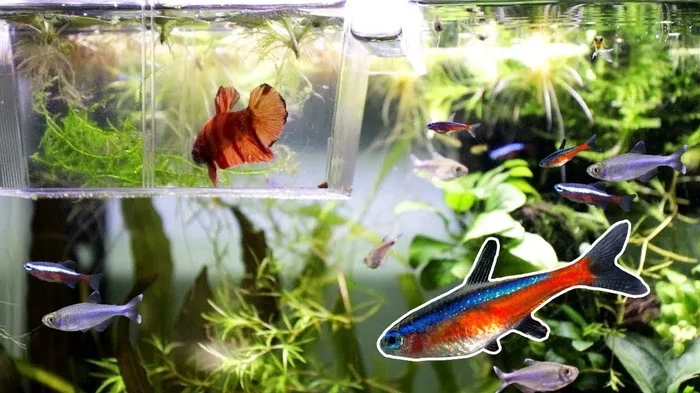
- Neon tetras: They’re small, fast, and tend to stay in the middle and upper levels of the tank.
- Ghost shrimp: They’re unobtrusive and help clean the tank.
- Mystery snails: They move slowly and don’t bother bettas at all.
- Kuhli loaches: These eel-like fish stay near the bottom and are very docile.
Each of these fish has a different temperament and habitat preference. That variety helps spread out the activity in the tank so your betta doesn’t feel threatened.
Fish to Avoid With Male Bettas
Some fish are a bad match for male bettas. Here are examples to skip:
- Other male bettas: Two males will almost always fight.
- Guppies with bright tails: Their colorful fins can trigger betta aggression.
- Fin-nipping fish: Fish like tiger barbs may nip at betta fins and cause stress.
- Large or aggressive fish: Fish that are bigger or more dominant will bully bettas easily.
Choosing the wrong companions leads to stress, disease, and even death. Take the time to research each potential tank mate carefully.
Can Female Bettas Live With Other Fish?
Female bettas tend to be less aggressive than males. This makes them better candidates for community tanks. Some aquarists even keep groups of female bettas together, a setup called a sorority. But sororities need careful planning and enough space.
If you’re considering Can Female Bettas Be Kept With Other Fish, the answer is often more positive than for males. A group of four to six female bettas can coexist in a tank of 40 gallons or more, provided there are plenty of hiding spots and plants.
Setting Up a Female Betta Sorority
A sorority tank requires some special considerations:
- Tank size: Go with at least 40 gallons. More space means less confrontation.
- Hiding spots: Use plants, caves, and decorations to break up sight lines.
- Even numbers: Keep an even number of females to prevent one fish from being singled out.
- Background: A dark background can reduce visual stimulation and territorial behavior.
Watch the group closely during the first few weeks. If one fish is being bullied, remove her immediately. Not every group will work out, and that’s okay.
Good Tank Mates for Female Bettas
Female bettas can often live with a wider range of fish. Some great options include:
- Harlequin rasboras: Peaceful schooling fish that add movement without stress.
- Amano shrimp: Excellent algae eaters that stay out of the way.
- Otocinclus catfish: Small, peaceful fish that clean algae off surfaces.
- Platies: Colorful but not flashy enough to trigger aggression.
When you look into which fishes can be kept with betta fish, you’ll find a surprising number of options. The key is matching temperament, size, and activity level.
Setting Up the Right Tank for Multiple Fish
A successful community tank starts with the right setup. You can’t just throw fish together and hope for the best. The tank environment plays a huge role in how well bettas get along with others.
Tank Size Requirements
Size is the most important factor. A single betta needs at least a 5-gallon tank. But when you add other fish, you need much more space. Here’s a simple guide:
- 1 betta + 2-3 small fish: Minimum 20 gallons
- 1 betta + 5-6 small fish: Minimum 30 gallons
- Female betta sorority (4-6 fish): Minimum 40 gallons
More space means less competition for territory and resources. It also gives fish room to retreat when things get tense.
Plants and Decorations
Live plants are your best friend in a betta community tank. They serve several purposes:
- Breaking up sight lines: Fish can’t see each other constantly, which reduces tension.
- Providing hiding spots: Shy fish need places to retreat when they feel threatened.
- Improving water quality: Plants absorb nitrates and produce oxygen.
- Adding natural cover: Bettas feel safer surrounded by greenery.
Good plant choices include java fern, anubias, amazon sword, and floating plants like water lettuce. Floating plants are especially great because bettas love resting near the surface near leaves.
Water Parameters
Bettas and their tank mates need similar water conditions for a community setup to work. Here are the ideal parameters:
- Temperature: 78-80°F (25-27°C)
- pH: 6.5-7.5
- Ammonia: 0 ppm
- Nitrite: 0 ppm
- Nitrate: Below 20 ppm
Make sure all fish in the tank can thrive in these same conditions. If one species needs different water, the setup won’t work long-term. Always cycle your tank before adding any fish.
Common Mistakes When Keeping Bettas With Other Fish
Even well-meaning fish owners make mistakes. Here are the most common ones to avoid:
Overcrowding the Tank
Too many fish in a small tank leads to aggression and poor water quality. Bettas need their own space. If the tank feels crowded, your betta will become stressed and may attack its tank mates. Start with fewer fish and add more only if the tank seems stable and calm.
Choosing Fish Based on Looks Alone
It’s tempting to pick fish that are colorful and beautiful. But bright colors and long flowing fins are a red flag for bettas. Those features tell a betta that another fish is a rival. Stick with subdued-colored, short-finned species for the best results.
Skipping the Quarantine Period
New fish can carry diseases and parasites. Always quarantine new arrivals for at least two weeks before adding them to your betta tank. This protects all the fish and gives you time to observe health issues in isolation.
Ignoring Early Warning Signs
Watch your fish closely during the first few weeks of a new setup. Signs that a pairing isn’t working include:
- Constant flaring from the betta
- Fish hiding all the time
- Loss of color in any fish
- Not eating or weight loss
- Nipped fins or visible injuries
If you notice these signs, separate the fish immediately. It’s better to rehome one fish than to let stress and aggression damage everyone’s health.
Benefits of Keeping Betta Fish With Other Fish
When done right, keeping a betta with other fish has real rewards. A community tank is more interesting to watch. The different colors, shapes, and swimming patterns create a lively, dynamic display. Your betta also benefits from a richer environment with more things to explore.
Many fish owners say their bettas become more active and curious when they have calm tank mates. The key is finding the right balance. A well-planned community tank can bring out the best in your betta and create a beautiful underwater scene in your home.
Final Thoughts on Keeping Bettas With Other Fish
So, can betta fish be kept with other fish? Yes, but it takes planning, patience, and the right choices. Start with a spacious tank, pick peaceful companions, and watch your fish closely during the adjustment period. Every betta is different, so what works for one fish may not work for another. Be prepared to adjust your setup if needed. With the right approach, you can create a thriving community aquarium where your betta and its tank mates all live happily together.
Remember, the goal is a healthy, stress-free environment for every fish in the tank. Take it slow, do your research, and enjoy the process. A successful community tank is one of the most rewarding experiences in fish keeping.
Frequently Asked Questions
Can I keep a male betta with a female betta?
It’s generally not recommended. Male and female bettas will often fight, especially during breeding periods. If you want to keep both, a very large tank with heavy planting and dividers is the only safe option. Most aquarists keep them separate.
What is the best tank size for a betta community?
A 20-gallon tank is the minimum for a betta with a few small tank mates. Larger tanks provide more territory and reduce aggression. A 30-gallon or 40-gallon tank is even better for a stable community setup.
Can betta fish live with goldfish?
No. Goldfish need cooler water temperatures than bettas, and they grow very large. They also produce a lot of waste, which can harm bettas. The two species have very different needs and should never be kept together.
Do bettas get lonely in a tank by themselves?
Bettas are solitary fish by nature. Most do just fine on their own and don’t need companions. A well-decorated tank with plants and hiding spots keeps a solo betta mentally stimulated and happy.
Can I keep bettas with angelfish?
It’s risky. Angelfish can be semi-aggressive and may nip at betta fins. They also grow large and need tall tanks. If you try this pairing, use a very large tank with plenty of hiding spots and be ready to separate them if needed.
How do I introduce a new fish to my betta tank?
Add the new fish while the betta is fed and distracted. Use a divider for the first few days so they can see each other without direct contact. Monitor behavior closely and be ready to separate them if aggression occurs. Slow introductions reduce stress for everyone.