Can Aquarium Salt Kill Betta Fish
Aquarium salt can harm or even kill betta fish if used incorrectly. The key is understanding the right dosage, concentration, and when to avoid it altogether. This guide breaks down everything betta owners need to know about aquarium salt safety.
Many betta fish owners wonder about using aquarium salt as a treatment or preventive measure. The question can aquarium salt kill betta fish comes up often in fishkeeping forums and social media groups. The short answer is yes, it absolutely can if used incorrectly.
Aquarium salt is a common tool in freshwater fish care. But bettas are sensitive creatures. They thrive in specific water conditions, and adding salt changes those conditions in ways that can quickly become dangerous. This guide walks you through everything you need to know about aquarium salt and betta fish safety.
Whether you are treating an illness, preventing disease, or just curious about salt baths, you will find clear, practical answers here. Let us dive in and explore how salt affects your betta.
Key Takeaways
- Aquarium salt is not always safe: Even small amounts can harm bettas if the dosage is wrong.
- Dosage matters enormously: Too much salt disrupts osmotic balance and damages gills.
- Not all salts are equal: Table salt, sea salt, and aquarium salt behave very differently in freshwater tanks.
- Short-term treatments work best: Prolonged exposure to salt increases the risk of harm.
- Know when to avoid salt entirely: Sick, stressed, or sensitive bettas may react badly to any salt addition.
- Always monitor your fish: Watch for signs of distress after adding any salt to the tank.
📑 Table of Contents
- What Is Aquarium Salt and Why Do People Use It?
- Can Aquarium Salt Kill Betta Fish?
- Common Mistakes That Lead to Betta Death From Salt
- When Is Aquarium Salt Safe for Betta Fish?
- Salt Alternatives for Betta Fish Care
- Quick Tips for Using Aquarium Salt Safely With Bettas
- Expert Insights on Salt and Betta Fish Health
- Conclusion
What Is Aquarium Salt and Why Do People Use It?
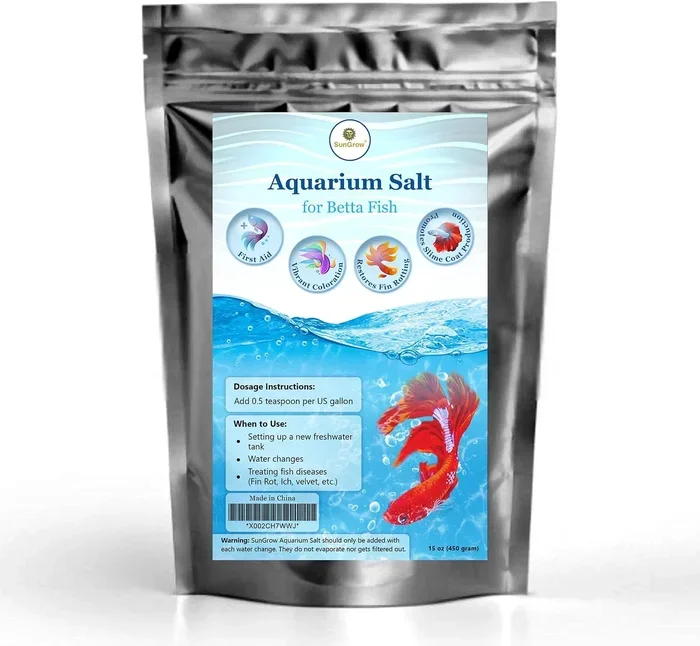
Aquarium salt is pure sodium chloride (NaCl). It contains no additives, iodine, or anti-caking agents found in table salt. Fish keepers use it for several reasons:
- Treating external parasites: Salt helps remove protozoans from fish skin and gills.
- Reducing fish stress: A mild salt solution can ease osmotic stress during transport or illness.
- Promoting slime coat health: Salt supports the protective mucus layer on a betta’s body.
- Fighting mild infections: Salt creates a less hospitable environment for certain bacteria and fungi.
Many experienced fish keepers keep aquarium salt on hand. It is affordable and effective when used correctly. But the keyword here is correctly. Mistakes with salt dosing can lead to serious problems.
How Aquarium Salt Works in Freshwater Tanks
Freshwater fish like bettas live in an environment where the water has very low salt concentration. Their bodies naturally hold more salt than the surrounding water. Through a process called osmosis, water constantly flows into the fish through the gills and skin.
When you add aquarium salt to the tank, you change the balance. The salt concentration outside the fish increases. This reduces the osmotic flow of water into the fish’s body. For some fish, this mild adjustment helps them recover from stress or illness.
But bettas are not all the same. Some tolerate low levels of salt well. Others react poorly even to small amounts. This is why understanding your specific fish matters so much.
Also, if you have ever asked can aquarium salt harm your betta fish, the answer depends heavily on how and how much you use it.
Can Aquarium Salt Kill Betta Fish?
The direct answer is yes. Aquarium salt can kill betta fish if the concentration is too high or if exposure lasts too long. Bettas are freshwater fish. Their bodies are not designed to handle high salinity levels over time.
Here is what happens when salt levels become dangerous:
- Gill damage: High salt concentrations irritate and burn delicate gill tissue. Damaged gills cannot properly oxygenate the blood.
- Osmotic shock: Rapid changes in water salinity cause fluid imbalances inside the fish’s cells.
- Dehydration: Salt pulls water out of the fish’s body through osmosis, leading to severe dehydration.
- Stress and weakened immunity: A stressed betta becomes vulnerable to secondary infections and diseases.
These effects can happen quickly. A betta that seems fine one hour can show signs of distress within hours if the salt level is too high.
How Much Salt Is Too Much for a Betta?
The safe dosage for bettas is very low. Most experts recommend no more than 1 teaspoon of aquarium salt per 5 gallons of water for short-term treatment. Even this amount can be too much for some individual fish.
For comparison, many freshwater fish species tolerate 1 tablespoon per 5 gallons. Bettas sit at the lower end of the tolerance spectrum. This makes them more vulnerable to salt-related harm.
If you are ever unsure, always start with less. You can always add a little more, but you cannot remove salt quickly once it is dissolved in the water.
Common Mistakes That Lead to Betta Death From Salt
Many betta owners accidentally harm their fish with salt. Understanding these common mistakes helps you avoid them.
Using Table Salt Instead of Aquarium Salt
This is one of the most dangerous mistakes. Table salt contains iodine, anti-caking agents, and other chemicals that are toxic to fish. Never use table salt in your betta tank. If you need salt, always use pure aquarium salt or marine salt mix designed for freshwater use.
If you have ever used table salt and worried about the consequences, check out this article on can you use table salt for betta fish to understand the risks better.
Leaving Salt in the Tank Permanently
Aquarium salt is meant for short-term treatment, not long-term water maintenance. Leaving salt in the tank permanently builds up over time. Regular water changes do not remove salt effectively because salt does not evaporate.
Over weeks and months, this buildup creates a chronically high-salinity environment. Your betta will slowly suffer from gill damage and osmotic stress. Many owners do not realize this is happening until it is too late.
Adding Too Much Salt at Once
Some owners panic during a disease outbreak and dump in too much salt too quickly. This creates a sudden shock to the fish’s system. Always dissolve salt in a separate container of tank water first, then add it gradually.
Using Salt on Sensitive or Already-Stressed Bettas
A betta that is already sick, injured, or stressed has a weaker immune system. Adding salt to an already compromised fish can push it over the edge. Always assess your fish’s overall condition before deciding to use salt.
When Is Aquarium Salt Safe for Betta Fish?
Salt is not always the enemy. Used correctly and in the right situation, it can actually help your betta recover. Here are safe scenarios for aquarium salt use:
- Short-term salt baths: A brief dip in a mild salt solution (1 teaspoon per gallon) for 5 to 10 minutes can help remove parasites.
- Treating early-stage ich: A low-dose salt addition (1 teaspoon per 5 gallons) for 3 to 5 days can help control mild ich outbreaks.
- Post-transport recovery: A very mild salt level in a quarantine tank can help a betta recover from the stress of moving.
- Boosting slime coat production: Some keepers use trace amounts of salt to support a healthy protective coating on the fish.
In all these cases, the key is short duration and low concentration. Never exceed recommended dosages, and always remove salt from the main tank after treatment ends through partial water changes.
Signs Your Betta Is Reacting Badly to Salt
Watch your betta closely after adding salt. Look for these warning signs:
- Rapid breathing or gasping at the surface
- Clamped fins held close to the body
- Loss of color or fading of vibrant hues
- Lethargy and refusal to eat
- Scratching against decorations or substrate
- White patches or unusual film on the skin
If you notice any of these symptoms, perform an immediate water change of 50 percent or more to dilute the salt concentration. Remove your betta to clean, conditioned freshwater if the symptoms persist.
Salt Alternatives for Betta Fish Care
If you are worried about using aquarium salt, there are safer alternatives to consider. Not every situation requires salt treatment.
Pure Freshwater Tank Maintenance
The best prevention for disease is a clean, well-maintained tank. Regular water changes, proper filtration, and stable temperature keep your betta healthy without any need for salt. A stable betta aquarium setup reduces stress and strengthens the fish’s natural immune system.
You can learn more about proper betta tank setups in this guide on can betta fish live in an aquarium.
Medicated Treatments
For specific diseases, targeted medications are often safer and more effective than salt. Antibiotics, antifungals, and anti-parasite treatments address the root cause without altering water chemistry. Always research any medication carefully before adding it to your tank.
Indian Almond Leaves
Many betta keepers use Indian almond leaves (Catappa leaves) as a natural alternative. These leaves release tannins that have mild antibacterial and antifungal properties. They also soften the water and create a more natural environment for bettas.
Indian almond leaves do not alter salinity. They are a gentle, effective option for supporting betta health without the risks associated with salt.
Epsom Salt for Specific Treatments
Epsom salt (magnesium sulfate) is different from aquarium salt (sodium chloride). Epsom salt is sometimes used for treating constipation or swelling in bettas. However, it also requires careful dosing. If you want to explore this option, check out this article on will Epsom salt kill betta fish for detailed safety information.
Quick Tips for Using Aquarium Salt Safely With Bettas
Here are practical tips to keep your betta safe when using aquarium salt:
- Always use pure aquarium salt. Never substitute table salt, sea salt, or Epsom salt unless specifically recommended for a different purpose.
- Start with the lowest possible dose. Begin at half the recommended amount and increase only if needed.
- Limit treatment duration. Do not leave salt in the tank for more than 5 to 7 days without a water change.
- Dissolve salt first. Mix the salt in a cup of tank water before adding it to the aquarium. This prevents direct contact with the fish.
- Remove salt after treatment. Perform partial water changes to bring salt levels back to zero after the treatment period ends.
- Observe your betta constantly. Watch for any signs of distress during and after salt treatment.
- When in doubt, skip the salt. There are many treatment options available. Salt is not always necessary.
Following these simple steps dramatically reduces the risk of harm. Your betta will stay healthier and happier with proper care.
Expert Insights on Salt and Betta Fish Health
Veterinarians and experienced fish keepers often have mixed opinions about aquarium salt. Some swear by it as an essential treatment tool. Others avoid it entirely, preferring medicated alternatives.
The truth lies somewhere in the middle. Salt works for certain conditions and certain fish. But bettas are particularly sensitive to salinity changes. What works for a hardy goldfish or corydoras can be dangerous for a betta.
Expert aquarists recommend knowing your individual fish. A betta that has lived in stable conditions for months may tolerate a low-dose salt treatment well. A betta that is already stressed from a new environment may not survive even a mild salt bath.
Always prioritize your fish’s comfort and safety. If a treatment seems risky, there is almost always a safer alternative available.
Conclusion
The answer to can aquarium salt kill betta fish is a clear and important yes. Salt is a powerful tool, but it is not harmless. Wrong dosage, wrong type of salt, prolonged exposure, or use on sensitive fish can all lead to serious harm or death.
However, when used correctly, in the right amount, and for the right duration, aquarium salt can be a helpful part of betta care. The key is knowledge, caution, and close observation.
Always start with the safest option. Use pure aquarium salt only. Keep doses low. Limit treatment time. And never hesitate to remove salt and perform water changes if your betta shows any signs of distress. Your betta depends on you to make safe choices. Armed with the right information, you can give your fish the best possible care.
Frequently Asked Questions
Can aquarium salt kill a betta fish instantly?
In most cases, aquarium salt does not kill a betta instantly. However, a very high concentration can cause rapid osmotic shock and death within hours. Always follow recommended dosages carefully and never add large amounts of salt all at once.
Is aquarium salt the same as table salt for betta fish?
No, they are completely different. Table salt contains additives like iodine and anti-caking agents that are toxic to fish. Aquarium salt is pure sodium chloride with no harmful additives. Always use aquarium salt only.
How long can a betta fish stay in salt water safely?
For treatment purposes, most experts recommend no more than 5 to 7 days of salt exposure at low doses. After that, perform a partial water change to remove the salt. Long-term salt exposure damages betta gills and overall health.
Can Epsom salt be used instead of aquarium salt for bettas?
Epsom salt (magnesium sulfate) and aquarium salt (sodium chloride) serve different purposes. Epsom salt is sometimes used for constipation or swelling, but it is not a direct replacement for aquarium salt. Each has its own proper use and dosing guidelines.
What salt is safest for betta fish?
Pure aquarium salt (sodium chloride with no additives) is the safest option. Avoid table salt, sea salt, and iodized salt. If you are unsure about any salt product, consult a knowledgeable fish store or veterinarian before adding it to your tank.
Do all betta fish react the same way to aquarium salt?
No, individual bettas vary in their salt tolerance. Some bettas handle low-dose salt treatments well, while others show signs of stress even at minimal concentrations. Always observe your specific fish closely and adjust your approach based on its reaction.