Can a Turtle Live with a Betta Fish
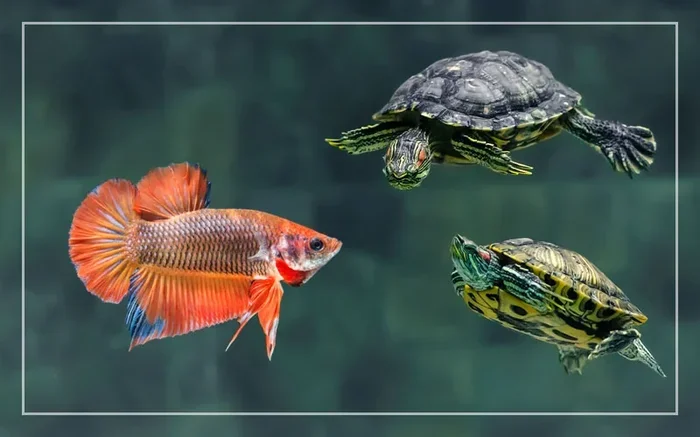
A turtle will likely eat a betta fish if housed together, making this combination highly dangerous for the smaller pet. While some aquarists attempt this setup, the natural predatory instincts of turtles and conflicting water needs make it impossible for both species to live safely and happily.
Key Takeaways
- Never house turtles and bettas together permanently. Their needs and temperaments are fundamentally incompatible.
- Turtles will likely attack or eat betta fish. Even small turtles see bettas as prey.
- Separate tanks with dividers are the only safe option. Shared habitats create serious stress for both species.
- Water temperature and quality must suit each species separately. Turtles and bettas need different tank conditions.
- Always prioritize your betta’s safety over cohabitation attempts. A stressed betta will suffer health problems.
- Monitor both animals closely if temporary interaction occurs. Watch for signs of aggression or injury immediately.
📑 Table of Contents
- What You Need to Know About Keeping a Turtle and a Betta Fish Together
- Understanding Betta Fish and Turtle Behavior
- The Challenges of Housing a Turtle with a Betta Fish
- Setting Up a Shared Tank for Turtles and Bettas
- Tank Size and Setup Comparison
- Better Alternatives to Keeping Turtles and Bettas Together
- Expert Tips for Success if You Try Co-habitation
- Key Takeaways
- Conclusion
What You Need to Know About Keeping a Turtle and a Betta Fish Together
If you have ever wondered whether can a turtle live with a betta fish, you are not alone. This is one of the most common questions new and experienced fish keepers ask. The idea of sharing a tank between a cute little turtle and a colorful betta sounds amazing. But the reality is more complicated than most people expect.
Turtles and bettas are both popular aquatic pets. They each have very different needs, behaviors, and instincts. Putting them together can work in some cases, but it can also lead to disaster. Understanding the risks and requirements is essential before you even think about cohabitation. This guide covers everything you need to know about can a turtle live with a betta fish safely.
We will look at the challenges, the tank setup, and the better alternatives available. By the end, you will have a clear picture of whether this pairing is right for you. Let us dive in.
Understanding Betta Fish and Turtle Behavior
Before you even consider housing these two species together, you need to understand how each one behaves. Their instincts can make or break the arrangement. A betta fish is known for its vibrant colors and flowing fins. But do not let that beauty fool you. Bettas are territorial and can be quite aggressive.
Betta Fish Temperament
Male bettas are famously aggressive. They are called Siamese fighting fish for a reason. In the wild, they defend their territory fiercely. In a home tank, they may flare at their own reflection, chase other fish, and nip at long fins. Female bettas are generally calmer but can still show aggression toward tank mates.
Bettas prefer calm water with plenty of hiding spots. They like warm water between 76°F and 82°F. They also need clean water with good water quality. Any drop in water conditions can stress them out quickly.
Turtle Temperament
Turtles are curious and active creatures. They explore their environment constantly. Most turtles are not naturally aggressive toward fish. But they are opportunistic feeders. A hungry turtle may see a slow-moving betta as a food source. This is the biggest concern when you ask the question, can a turtle live with a betta fish.
Turtles also grow quite large. A common slider can reach 8 to 12 inches. They need basking areas and UV lighting. Their waste produces a lot of ammonia. This can quickly dirty the water if the tank is not properly maintained.
The Challenges of Housing a Turtle with a Betta Fish
Let us be honest. There are real challenges when it comes to cohabitation between turtles and bettas. Ignoring these problems can lead to injury, stress, or even death for one or both pets.
Risk of Injury to the Betta
The most serious risk is to the betta fish. Turtles may try to bite or nip at the betta’s long, flowing fins. A betta with torn fins is a stressed betta. Repeated attacks can lead to infections and a shortened lifespan. Even if the turtle does not intend to harm the fish, its size and curiosity can be dangerous.
Stress and Anxiety
Stress affects fish more than many people realize. A betta living with a turtle may constantly feel threatened. Hiding all day is a sign of stress. Reduced appetite, faded colors, and lethargy are also common. Over time, chronic stress weakens the immune system and makes the fish vulnerable to disease.
Water Quality Concerns
Turtles are messy. They produce far more waste than most fish. This means the filtration system needs to work overtime. Poor water quality affects both pets. High ammonia levels can burn a betta’s fins and cause respiratory problems. Turtles can also tolerate dirty water better than bettas, which creates an unfair imbalance.
Different Temperature and Habitat Needs
Bettas need warm water. Many turtles prefer cooler temperatures. Some species, like painted turtles, bask under heat lamps and swim in cooler water. Finding the right water temperature that satisfies both pets is tricky. You may need to invest in additional heating or cooling equipment.
Setting Up a Shared Tank for Turtles and Bettas
If you have done your research and still want to try housing a turtle with a betta, proper setup is everything. The wrong tank setup can make everything worse. Here is what you need to get right.
Tank Size Requirements
A shared tank needs to be significantly larger than a standard setup. For a single turtle and a betta, a 75-gallon tank is the minimum. Bigger is always better. The extra space gives the betta room to escape and reduces territorial tension.
Essential Equipment
Here is a quick list of what you will need:
- A large, sturdy aquarium with a secure lid
- A powerful filter rated for at least twice the tank size
- A heat lamp and basking area for the turtle
- A submersible heater to maintain warm water for the betta
- Live plants for cover and natural filtration
- Smooth rocks and decorations (avoid anything sharp)
Creating Safe Zones
The tank should have distinct zones. The betta needs quiet areas with plants or decorations where it can retreat. The turtle needs a dry basking spot with access to UV light. These zones should be far enough apart that the turtle cannot corner the fish. Think of it as giving each pet its own space within the shared habitat.
Tank Size and Setup Comparison
Not all setups are created equal. Here is a comparison table to help you understand the differences between keeping these pets separately versus together.
| Factor | Separate Tanks | Shared Tank |
|---|---|---|
| Minimum Tank Size | 20 gallons (turtle) + 5 gallons (betta) | 75 gallons or larger |
| Filtration Needs | Standard | Heavy-duty, oversized |
| Temperature Control | Species-specific | Compromise settings needed |
| Risk of Injury | Very Low | Moderate to High |
| Maintenance Effort | Moderate | High |
| Pet Stress Level | Low | Moderate to High |
As you can see, a shared tank demands much more effort. You need to be committed to regular maintenance and close monitoring. If you want a simpler approach, consider reading about can betta fish live with a bottom feeder for a safer pairing option.
Better Alternatives to Keeping Turtles and Bettas Together
If the risks sound too high, you are not alone. Many experienced hobbyists recommend keeping these species separate. Fortunately, there are plenty of tank mates that work well for each pet individually.
Best Tank Mates for Betta Fish
If you love bettas, consider these safer companions:
- Neon tetras — small, peaceful, and colorful
- Corydoras catfish — bottom dwellers that stay out of the betta’s way
- Ghost shrimp — low-maintenance and entertaining to watch
- Mystery snails — help clean the tank and rarely bother bettas
Each of these options provides company without the risk. You can learn more about betta compatibility by checking our guide on can a male betta fish live with neon tetras.
Best Tank Mates for Turtles
Turtles do well with certain species that can hold their own:
- Goldfish — hardy and fast enough to avoid most turtle advances
- Mosquito fish — tough and active swimmers
- Large plecos — bottom feeders that clean the tank
Keep in mind that even with these safer options, supervision and proper setup remain important. If you are curious about other pairings, our article on can a water turtle live with a betta fish provides detailed insights.
When Separation Is the Best Choice
Sometimes the kindest choice is to keep pets in separate tanks. This eliminates all risk. You can still enjoy watching both species thrive in their ideal environments. A well-planted betta tank and a properly set up turtle tank each tell a unique story. There is no shame in choosing safety over cohabitation.
Expert Tips for Success if You Try Co-habitation
If you are determined to house a turtle with a betta, here are some practical tips to improve your chances. These come from experienced aquarists who have seen both success and failure.
Start with a Young Turtle
Baby turtles are smaller and less likely to harm a betta. However, they grow fast. You need a plan for when the turtle outgrows the setup. A turtle that was fine at 2 inches may become a problem at 8 inches. This is especially relevant if you are considering can a baby turtle live with a betta fish. The answer is short-term yes, but long-term it is risky.
Monitor Behavior Daily
Watch both pets every day. Look for signs of aggression from the turtle and signs of stress from the betta. If the betta is hiding constantly, its colors are fading, or it refuses food, separation is needed immediately. Pet safety always comes first.
Maintain Excellent Water Conditions
Test the water weekly for ammonia, nitrite, and nitrate levels. Perform partial water changes at least twice a week. A strong filtration system is non-negotiable. Dirty water harms both pets, but bettas are far more sensitive.
Add Plenty of Hiding Spots
Use live plants, caves, and driftwood. The more places the betta can retreat, the safer it will feel. Plants like java fern and anubias are turtle-resistant and provide excellent cover.
Feed Pets Separately
This is a simple but effective strategy. Feed the betta in one corner and the turtle in another. This prevents food aggression and ensures both pets get proper nutrition. Turtle food is different from fish food, so keep their diets distinct.
Key Takeaways
- Can a turtle live with a betta fish? It is possible but challenging and not always recommended.
- Turtles can injure bettas through chasing, nipping, or accidental contact.
- A very large tank, strong filtration, and careful setup are required for any chance of success.
- Both pets need separate zones for hiding, basking, and feeding.
- Daily monitoring is essential to catch problems early.
- Safer tank mate options exist for both species if cohabitation feels too risky.
Conclusion
So, can a turtle live with a betta fish? The honest answer is: it depends. It depends on the turtle species, the tank size, the setup, and how well you manage the environment. Some hobbyists have made it work, but it requires dedication, patience, and a willingness to separate the pets at any sign of trouble.
Both turtles and bettas are rewarding pets on their own. Each deserves an environment tailored to its specific needs. If you choose to try cohabitation, do so with realistic expectations and a solid plan. And if you decide the risks are too great, that is completely okay. Your pets will be happier and healthier in setups designed just for them.
Take the time to research, prepare, and observe. Your aquatic companions will thank you for it.
Frequently Asked Questions
Can a turtle live with a betta fish safely?
In most cases, it is not safe to house a turtle with a betta fish. Turtles are natural predators and will likely chase, bite, or eat a betta fish. Even if your turtle seems calm, its instincts can kick in at any time.
Will a turtle eat a betta fish if they share a tank?
Yes, a turtle will almost certainly try to eat a betta fish. Turtles are opportunistic feeders, and a slow-moving betta looks like an easy meal. Keeping them together puts your betta at serious risk of injury or death.
What size tank do you need if you keep a turtle and a betta fish together?
If you attempt to house them together, you need a very large tank of at least 75 gallons. A bigger tank gives the betta more space to hide and escape the turtle’s reach. However, even with a large tank, this setup remains risky and is not recommended.
Can betta fish and turtles share the same water conditions?
Turtles and betta fish have different water needs, which makes cohabitation even harder. Turtles produce a lot of waste, requiring stronger filtration and more frequent water changes. Bettas prefer calm, warm, and clean water, which is hard to maintain with a turtle in the same tank.
How do you protect a betta fish from a curious turtle?
The best way to protect a betta is to keep them in completely separate tanks. If you must house them together, provide plenty of hiding spots and a partition. However, no setup is truly foolproof, and turtles are skilled at reaching tank mates.
Is it ever a good idea to put a turtle and a betta fish in the same tank?
Most experts strongly advise against keeping a turtle and a betta fish together. The risks to the betta’s safety and health far outweigh any benefits of a shared display. It is always better to give each species its own proper home.