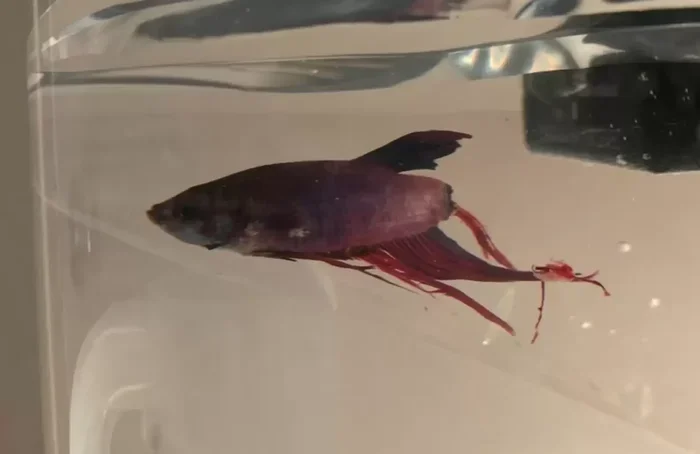
Can a Betta Fish Live with Other Betta Fish

The short answer to can a betta fish live with other betta fish is almost always no. Male bettas are highly territorial and will aggressively fight each other, often leading to serious injury or death. Female bettas may sometimes coexist in small groups under carefully managed conditions, but keeping two male bettas together in the same tank is never recommended.
Key Takeaways
- Never house two male bettas together. They will fight and injure each other severely.
- Female bettas can form sororities with careful setup and ample hiding spots.
- Tank size is critical for any multi-betta setup, minimum 20 gallons per fish.
- Introduce bettas gradually using a divided tank or breeder box to observe reactions.
- Watch for aggression signs like flaring, nipping, or chasing, and separate immediately if seen.
- Provide dense plants and decorations to break lines of sight and reduce stress.
- Feed separately to avoid competition and ensure all fish get enough food.
📑 Table of Contents
- Understanding Betta Fish Behavior and Territorial Instincts
- Can Two Male Betta Fish Live Together?
- Can Female Betta Fish Live Together?
- What Happens When You Put Betta Fish Together?
- How to Set Up a Tank for Multiple Bettas
- Can You Keep Different Types of Betta Fish Together?
- Final Verdict: Should You Keep Betta Fish Together?
Understanding Betta Fish Behavior and Territorial Instincts
So you’re wondering can a betta fish live with other betta fish? It’s a question that almost every betta owner asks at some point. The honest answer? It’s complicated. Betta fish, also known as Betta splendens, are beautiful, colorful creatures that have captured the hearts of fish keepers worldwide. But their stunning looks come with a strong personality — one that is deeply territorial and often aggressive.
In the wild, betta fish fight to protect their space, find food, and attract mates. This betta territorial behavior is hardwired into their DNA. Males especially are known for flaring their gills and attacking anything that looks like a rival. So when you think about keeping bettas together, you need to understand this core trait first. It’s not personal — it’s just how they’re built.
That said, not all betta interactions end in disaster. With the right setup, some bettas can coexist peacefully. Let’s break down exactly how this works and what you need to know before adding another betta to your tank.
Can Two Male Betta Fish Live Together?
Let’s tackle the big question first. Can a betta fish live with other betta fish when both are males? Short answer: almost never. Two male bettas in the same tank is one of the worst combinations you can try. It usually leads to fighting, injuries, and sometimes death.
Why Male Bettas Fight
Male bettas are nicknamed “Siamese fighting fish” for a reason. Their entire biology is designed for combat. When you put two males together, they see each other as rivals. The fighting can start within minutes or take a few days to escalate, but it almost always happens. Here’s what you can expect:
- Constant flaring and chasing
- Biting and fin nipping
- Stress that weakens their immune system
- Injuries that can lead to infections
- One fish dominating and cornering the other
Even if they don’t kill each other, the chronic betta fish aggression causes severe stress. A stressed betta stops eating, loses color, and becomes vulnerable to diseases. It’s simply not worth the risk.
The “Mirror Tank” Myth
Some people think putting two males on opposite sides of a tank with a divider works. While this stops physical fights, it doesn’t stop the psychological stress. Both fish spend their entire lives staring at a rival, flaring constantly. This wears them down over time. It’s best to avoid this setup altogether.
If you’re curious about other options, check out this detailed guide on can a betta live with other fish to explore safer alternatives for your tank.
Can Female Betta Fish Live Together?
Now here’s where things get interesting. Can a betta fish live with other betta fish when we’re talking about females? Yes — with some important caveats. Female bettas can live together in what’s called a betta sorority. But “can” doesn’t mean “should” in every case. It takes careful planning and a bit of luck.
How a Betta Sorority Works
A betta sorority is a group of female bettas kept in the same tank. It can work beautifully if you follow the right steps. Here are the key factors for keeping bettas together successfully:
- Tank size: At least 20 gallons for a group of 4-5 females. Bigger is always better.
- Number of fish: Start with 4-5 females. Too few means one fish gets targeted. Too many creates chaos.
- Tank layout: Heavy planting, caves, and hiding spots are essential. Break lines of sight so fish can escape.
- Water conditions: Clean, warm water (78-80°F) keeps stress levels down and supports betta fish health.
Even with all this, there’s no guarantee every female will get along. Betta fish compatibility varies from fish to fish. Some females are naturally more docile, while others are bullies.
For more insights on female bettas in community settings, read about can a female betta live with other tropical fish for helpful tips on mixed setups.
Introducing Females to Each Other
The way you introduce females matters a lot. Don’t just drop them in and hope for the best. Follow these steps:
- Set up the tank with plenty of plants and decorations beforehand.
- Add the first female and let her settle in for a few days.
- Introduce the next female at the opposite end of the tank.
- Watch closely for the first 48 hours. Look for chasing, biting, or hiding.
- If aggression is severe, separate the fish immediately.
Patience is everything here. Rushing the process almost always leads to problems.
What Happens When You Put Betta Fish Together?
Understanding what actually happens when bettas meet helps you make better decisions. Not all encounters end in war, but most do involve some tension at first.
Signs of Aggression to Watch For
Betta communication is pretty visible if you know what to look for. Watch for these betta aggression levels and behavioral signs:
- Flaring: Both sides spread their gills and fins. Brief flaring can be normal. Constant flaring is a red flag.
- Chasing: One fish follows another nonstop. This is a clear sign of dominance behavior.
- Nipping: Biting fins or tails. This causes real damage over time.
- Color darkening: A stressed betta may darken or fade. This signals chronic stress.
- Hiding constantly: A fish that never comes out is being bullied or is too afraid to eat.
If you notice any of these, it’s time to intervene. Don’t wait until injuries show up. Betta fish behavior tells you a lot if you pay attention early.
How Long the Adjustment Period Takes
In a successful sorority setup, expect 1-2 weeks of active territorial disputes. After that, a pecking order usually forms, and things calm down. In a bad setup, fights can start immediately and never stop. The difference comes down to tank size, setup, and individual temperament.
For broader advice on choosing betta tank mates, this resource on can you keep a betta with other fish offers great guidance for mixed community setups.
How to Set Up a Tank for Multiple Bettas
If you’ve decided to try keeping multiple bettas, the tank setup makes or breaks the experiment. A poorly decorated tank is a death sentence for any community tank attempt. Here’s how to do it right.
Tank Size and Layout
Go big. A 10-gallon tank is the absolute minimum for two bettas. A 20-gallon tank works better for a sorority of 4-5 females. The more space, the easier it is for fish to establish separate zones and avoid each other.
Fill the tank with:
Live plants — Java fern, Amazon sword, and anubias are great choices. They break sight lines and create natural barriers.
Caves and tunnels — Ceramic caves and driftwood give shy fish places to retreat.
Open swimming areas — Don’t over-decorate. Bettas need room to swim freely too.
Water Conditions and Maintenance
Clean water is non-negotiable for betta fish care. Poor water quality amplifies stress and aggression. Keep these parameters in range:
- Temperature: 78-80°F consistently
- pH: 6.5-7.5
- Ammonia/Nitrites: 0 ppm at all times
- Nitrates: Below 20 ppm
Do 25-30% water changes weekly. A strong aquarium setup with good filtration keeps waste under control. Avoid strong currents — bettas are weak swimmers and hate being pushed around by filter output.
Feeding Strategies for Multiple Bettas
Feeding time can trigger fights. To keep things peaceful, try these tips:
- Spread food across multiple spots in the tank.
- Use a feeding ring or target feed each fish separately.
- Feed high-quality food so fish feel full and less territorial.
- Never overfeed — leftover food fouls the water fast.
Can You Keep Different Types of Betta Fish Together?
Not all bettas are the same. Different types have different aggression levels, and understanding this helps you plan better. Let’s look at some specific combinations and whether they can work.
Male and Female Betta Combinations
A male betta should never be housed with a female unless you’re specifically breeding them. Males will chase and attack females who aren’t receptive. The female needs a way to escape, or she’ll be exhausted and injured. For breeding purposes only, a divided tank or a very large tank with heavy cover is needed.
For more on this topic, explore whether can male betta fish live with other female betta fish to understand the risks involved.
Halfmoon, Plakat, and Other Varieties
Different betta varieties — like Halfmoons, Crowntails, Plakats, and Dumbo — can live together if they’re all females. However, fin type matters. Long-finned bettas like Halfmoons are easier targets for nippers. Short-finned Plakats may be more active and bold. Here’s a quick comparison:
| Betta Variety | Fin Type | Aggression Level | Tank Compatibility |
|---|---|---|---|
| Halfmoon | Long, flowing fins | Moderate | Best in large sororities |
| Plakat | Short fins | High | More active, needs space |
| Crowntail | Spiky, textured fins | Moderate | Works well in groups |
| Dumbo | Long, flowing fins | Low to moderate | Good for sororities |
Keep in mind that these are general trends. Individual personality always plays a role. Some Plakats are peaceful, and some Halfmoons are absolute bullies.
Betta Fish Health Risks in Group Tanks
When betta fish live together, disease spreads faster. Fin rot, ich, and bacterial infections can wipe through a shared tank. Quarantine any new fish before adding them. Watch for clamped fins, lethargy, or unusual spots. Quick action saves lives in a group setting. Proper water conditions and a clean environment are your best defense.
Final Verdict: Should You Keep Betta Fish Together?
So, can a betta fish live with other betta fish? The answer is: it depends. Two males should never share a tank. Females can sometimes form a peaceful sorority, but it takes the right setup, the right number of fish, and a healthy dose of patience. Mixed-gender setups should only happen for breeding purposes.
Here are the key takeaways to keep in mind:
- Two male bettas: Never keep them together. It’s a guaranteed fight.
- Female bettas: Possible in a sorority with a large tank, heavy planting, and careful introductions.
- Male and female: Only for breeding, and only with proper barriers and escape routes.
- Tank setup: 20+ gallons, live plants, caves, and open swimming areas are essential.
- Monitoring: Watch your fish daily. Early intervention prevents tragedy.
If you’re new to keeping betta splendens, start with a single male in a well-decorated 5-gallon tank. Master his care first. Then, if you feel confident, try a sorority setup. There’s no rush, and there’s no shame in keeping bettas solo — many experienced hobbyists do it for life. These are beautiful, individual creatures with strong personalities. Respect their nature, give them the best environment you can, and enjoy watching them thrive.
Whether you go solo or try a group setup, always prioritize your fish’s well-being. A happy, healthy betta is always the real goal. And that starts with understanding exactly what these incredible fish need to feel safe and secure in their home.
Frequently Asked Questions
Can Two Male Betta Fish Live Together?
Two male betta fish should never share the same tank. They are highly territorial and will fight aggressively, often leading to serious injury or death. Always keep male bettas in separate tanks to ensure their safety and well-being.
Can a Male and Female Betta Fish Live Together?
A male and female betta can sometimes live together, but only under very specific conditions. They need a large tank with plenty of hiding spots, plants, and barriers to break up their line of sight. Even then, monitoring is essential because aggression can still occur at any time.
Can Female Betta Fish Live Together?
Yes, female bettas can sometimes live together in what is called a sorority tank. This setup works best with groups of four or more females in a tank that is at least 20 gallons. Providing enough space and hiding spots helps reduce stress and territorial behavior among them.
What Happens When Two Betta Fish Are in the Same Tank?
When two bettas share a tank, they will likely flare at each other and chase one another constantly. This leads to extreme stress, torn fins, loss of appetite, and a weakened immune system. In most cases, one fish will bully the other, causing long-term health problems or even death.
How Many Betta Fish Can You Keep Together Safely?
Keeping multiple bettas together is risky and not recommended for most fishkeepers. If you attempt a sorority setup, four to six female bettas in a large, heavily planted tank is the safest approach. Male bettas should always be kept alone in their own separate tanks.
Can You Put a Betta Fish with Other Types of Fish Instead?
Yes, bettas can often live peacefully with other non-aggressive species like corydoras, tetras, and snails. The key is choosing tank mates that are calm, small, and prefer the lower levels of the tank. Always introduce new fish slowly and watch for signs of stress or aggression from your betta.