Are There Pink Betta Fish

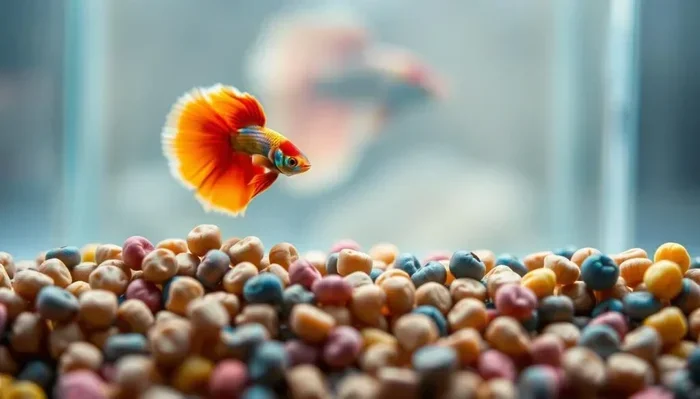
Yes, pink betta fish do exist, and they are one of the most stunning color morphs in the freshwater aquarium world. These beautiful fish come in several shades of pink, from soft pastel hues to vibrant hot pink, and they are bred through selective breeding. In this guide, you will learn about the different types of pink bettas, how to care for them, and what makes them unique.
Have you ever walked past a pet store aquarium and spotted a fish that looked like it was glowing pink? Maybe you saw a pink betta fish and thought, “Is that even real?” The short answer is yes. Pink bettas are absolutely real, and they are one of the most eye-catching freshwater fish you can keep at home.
Betta fish come in a huge range of colors. You have reds, blues, greens, blacks, and even oranges. But pink? That’s a color that stands out. It feels almost magical. A pink betta gliding through a tank with green plants looks like something out of a dream. People love them for their soft, gentle color and their flowing fins.
But there is more to pink bettas than just their pretty looks. They have specific care needs, unique color variations, and a fascinating breeding history. This guide covers everything you need to know. Whether you are a beginner or a seasoned fish keeper, you will find useful tips and insights here. Let us dive in.
Key Takeaways
- Pink betta fish are real: They are a popular color morph created through selective breeding, not a naturally occurring wild color.
- Several pink varieties exist: You can find solid pink, pink marble, pink halfmoon, and even pink dragon scale bettas.
- Care is straightforward: Pink bettas need warm water, a clean tank, and a balanced diet just like other betta varieties.
- They are not aggressive with the right tank mates: Choosing compatible companions is key to a peaceful aquarium.
- Price varies widely: Rare pink shades can cost more, but common pinks are affordable for most fish keepers.
- Breeding pink bettas takes skill: Achieving consistent pink coloration requires careful genetics and selective pairing.
📑 Table of Contents
What Are Pink Betta Fish?
A pink betta fish is a betta splendens that has been selectively bred to display pink coloration. Bettas come from the warm, shallow waters of Southeast Asia. In the wild, you will mostly find them in reds, greens, and dull browns. Pink is not a natural wild color. It is the result of years of careful breeding by passionate hobbyists.
Selective breeding means breeders choose fish with the best color traits and pair them together. Over many generations, this process creates vivid and consistent colors. Pink bettas are a product of this dedicated work. The result is a fish that comes in several shades of pink, each one beautiful in its own way.
The Science Behind Pink Coloration
Betta fish get their colors from special cells called chromatophores. These cells contain pigments that reflect light. The way these cells are layered and distributed determines the fish’s final color. In pink bettas, the chromatophores produce a reduced amount of red pigment, which mixes with a white or translucent base. This creates that soft pink look.
Some pink bettas have more white pigment, making them look almost pastel. Others have a stronger red-pink hue that really pops. The exact shade depends on genetics, diet, and even the lighting in the tank. This is why two pink bettas can look quite different from each other.
Types of Pink Betta Fish
Not all pink bettas look the same. There are several distinct types, and each one has its own charm. Here are the most common pink betta fish varieties you will come across.
Solid Pink Betta
A solid pink betta is exactly what it sounds like. The entire body is a consistent pink color from nose to tail fin. These fish are prized for their even, uniform color. They look clean and elegant in any tank setup. Solid pink bettas are often the most sought after because of their simplicity and beauty.
Pink Marble Betta
Marble bettas have a playful, unpredictable pattern. Their colors swirl and shift over time. A pink marble betta might start out mostly white and gradually develop pink patches across its body. This color change is called “marbling,” and it happens because of a special gene that moves pigment cells around. No two pink marble bettas look exactly alike.
Pink Halfmoon Betta
The halfmoon betta is known for its spectacular tail fin, which spreads out like a fan when fully displayed. A pink halfmoon betta combines that dramatic fin shape with a lovely pink body. The wide tail fin makes the color really stand out. These fish are a favorite among show enthusiasts and casual hobbyists alike.
Pink Dragon Scale Betta
Dragon scale bettas have thick, metallic scales that give them a armored, shiny appearance. A pink dragon scale betta has a metallic pink sheen that looks almost jewel-like. The scales catch the light beautifully, creating a shimmering effect. These fish are rarer and often cost more because of their unique texture and color.
How to Care for Pink Betta Fish
Caring for a pink betta is not much different from caring for any other betta variety. They need the same basics: clean water, proper temperature, and good nutrition. But there are a few things worth paying extra attention to, especially when it comes to color maintenance.
Tank Setup and Size
A pink betta needs a tank that is at least 5 gallons. Bigger is always better. A larger tank gives the fish more room to swim and helps keep the water stable. Here are the key setup requirements:
- Tank size: Minimum 5 gallons, 10 gallons or more is ideal.
- Heater: Keep the water between 76 and 82 degrees Fahrenheit.
- Filter: Use a gentle filter. Bettas do not like strong currents.
- Lighting: Moderate lighting brings out the pink color beautifully.
- Decorations: Add plants and hiding spots to make the fish feel safe.
Water Quality and Maintenance
Clean water is essential for keeping your pink betta healthy and colorful. Dirty water can cause stress, which fades their color over time. Here is what you need to do:
- Test the water parameters regularly. Keep ammonia and nitrite at zero.
- Change 25 to 30 percent of the water every week.
- Use a water conditioner to remove chlorine and chloramine.
- Avoid sudden temperature swings, which can shock your fish.
Feeding Your Pink Betta
A good diet keeps a pink betta’s colors vibrant. In the wild, bettas eat small insects and larvae. In captivity, you should offer a varied diet. High-quality betta pellets should be the staple. You can supplement with frozen or live foods like bloodworms and brine shrimp. Feed small amounts twice a day, and never overfeed. Extra food that sits at the bottom of the tank will foul the water quickly.
Expert Insight: Many experienced betta keepers believe that a diet rich in carotenoid-containing foods helps enhance pink and red tones. Foods like brine shrimp and certain high-quality pellets can make the pink color appear more vivid.
Are Pink Betta Fish Rare?
Pink bettas are not as common as red or blue bettas, but they are not extremely rare either. You can find them at many local fish stores and online breeders. The price depends on the shade and variety. A basic solid pink betta might cost between 10 and 20 dollars. A pink dragon scale or a pink halfmoon can cost more, sometimes 30 to 50 dollars or even higher for show-quality specimens.
Rarity also depends on the region. In some areas, pink bettas are more popular and easier to find. In others, you might need to order online. The good news is that the availability of pink bettas has been growing as more breeders focus on producing them.
Factors That Affect Price
Several things influence how much a pink betta costs:
- Color intensity: Deeper, more vivid pink shades cost more.
- Fin type: Halfmoon and crown tail pink bettas are priced higher than standard fin types.
- Pattern: Unique patterns like marble or dragon scale add value.
- Breeder reputation: Fish from well-known breeders often cost more but tend to be healthier.
- Size and age: Larger, mature fish with fully developed fins command higher prices.
Tank Mates for Pink Betta Fish
One of the most common questions betta owners ask is whether they can keep their fish with other species. The answer is yes, but with caution. Bettas can be territorial, especially males. You need to choose tank mates carefully. The wrong companion can cause stress, injury, or even death.
Good tank mates for a pink betta include small, peaceful fish that do not bother the betta’s fins. Corydoras catfish, neon tetras, and kuhli loaches are popular choices. Snails are also excellent companions. They do not bother bettas and help keep the tank clean. Always research any potential tank mate before adding it to the aquarium.
Fish That Should Be Avoided
Some fish are not suitable for a betta tank. Avoid fin-nippers like tiger barbs and serpae tetras. Brightly colored fish like guppies can trigger aggression in bettas. Large or aggressive fish should never be housed with a pink betta. The goal is a peaceful community where every fish feels safe and comfortable.
Common Mistakes When Keeping Pink Betta Fish
Even well-meaning fish keepers make mistakes. Here are some common ones to avoid:
- Keeping the betta in too small a tank: A tiny bowl is not enough. Bettas need space to thrive.
- Overfeeding: This leads to obesity and dirty water. Feed small amounts and remove uneaten food.
- Using the wrong filter: A strong filter creates currents that stress bettas. Choose a gentle sponge filter.
- Ignoring water changes: Even with a filter, regular water changes are essential for health and color.
- Housing two male bettas together: Male bettas will fight. Never keep two males in the same tank.
Final Thoughts
Pink betta fish are a wonderful addition to any freshwater aquarium. Their soft, gentle color brings a sense of calm and beauty to your tank. With the right care, proper tank setup, and a little patience, you can enjoy these stunning fish for years. Whether you choose a solid pink, a pink marble, or a pink halfmoon, you are getting a fish that is truly special.
If you are new to betta keeping, start small and learn as you go. Watch your fish, observe their behavior, and make adjustments to their environment as needed. The more you learn, the better your fish will thrive. And there is nothing quite like watching a pink betta glide gracefully through the water, its color glowing under the tank lights.
So the next time someone asks you, “Are there pink betta fish?” you can tell them with confidence. Yes, they are real, they are beautiful, and they are waiting for a home. Consider adding one to your aquarium and experience the joy of keeping these remarkable creatures yourself.
Frequently Asked Questions
Are pink betta fish natural or bred?
Pink betta fish are not found in the wild. They are created through selective breeding by dedicated hobbyists and breeders who pair fish with the best pink color traits over many generations.
How long do pink betta fish live?
With proper care, pink bettas can live 3 to 5 years. Some fish keepers report their bettas living even longer when they maintain excellent water quality and a healthy diet.
Can male and female pink bettas live together?
Male and female bettas can sometimes live together, but it requires careful planning. A larger tank with plenty of hiding spots is essential, and you should monitor them closely for signs of aggression.
Do pink betta fish need a heater?
Yes, bettas are tropical fish and need warm water. A heater set between 76 and 82 degrees Fahrenheit helps keep your pink betta healthy and comfortable.
Why is my pink betta losing its color?
Stress, poor water quality, illness, or inadequate diet can cause a betta to lose its color. Check your water parameters, clean the tank, and offer high-quality food to help restore their vibrant pink hue.
Where can I buy pink betta fish?
You can find pink bettas at local fish stores, online breeders, and specialty aquarium shops. Always choose reputable sellers who prioritize fish health and ethical breeding practices.