Are Red Worms or Nightcrawlers Better for Fishing
Red worms and nightcrawlers are both top choices for fishing bait, but they serve different purposes. Red worms work best for panfish and smaller species in tight spaces, while nightcrawlers excel at targeting larger freshwater fish in open water. Choosing the right worm depends on your target species, fishing location, and personal technique. This guide breaks down everything you need to know.
Key Takeaways
- Red worms are smaller and ideal for panfish, trout, and bass in rivers and streams.
- Nightcrawlers are larger and better suited for targeting big freshwater species like catfish and largemouth bass.
- Both worm types are widely available and easy to keep alive with proper storage.
- Your choice of worm should match your target fish species and fishing environment.
- Using the right bait size significantly improves your catch rate and overall fishing success.
- Live worms outperform dead worms in most fishing scenarios for better movement and scent.
- Proper rigging technique matters just as much as choosing between red worms and nightcrawlers.
📑 Table of Contents
- Are Red Worms or Nightcrawlers Better for Fishing?
- What Are Red Worms?
- What Are Nightcrawlers?
- Red Worms vs Nightcrawlers: Side-by-Side Comparison
- Which Worm Is Best for Different Fish Species?
- How to Rig Red Worms and Nightcrawlers Properly
- Common Mistakes Anglers Make with Worm Fishing
- Expert Insights on Worm Selection
- Final Verdict: Which Worm Should You Choose?
Are Red Worms or Nightcrawlers Better for Fishing?
Every angler knows that picking the right fishing bait can make or break your day on the water. When it comes to worm fishing, two options dominate the tackle box: red worms and nightcrawlers. Both are types of earthworms, but they behave differently on the hook and attract different species. So which one should you use?
The short answer is that neither worm is universally better. Red worms shine when you are chasing smaller fish in tight spots, while nightcrawlers dominate when you are going after bigger freshwater species. Understanding the strengths of each will help you make smarter choices every time you tie on a hook.
Whether you fish rivers, lakes, or ponds, knowing your bait selection basics gives you a real edge. Let us dive deep into the world of live bait and figure out which worm earns the top spot for your next outing.
What Are Red Worms?
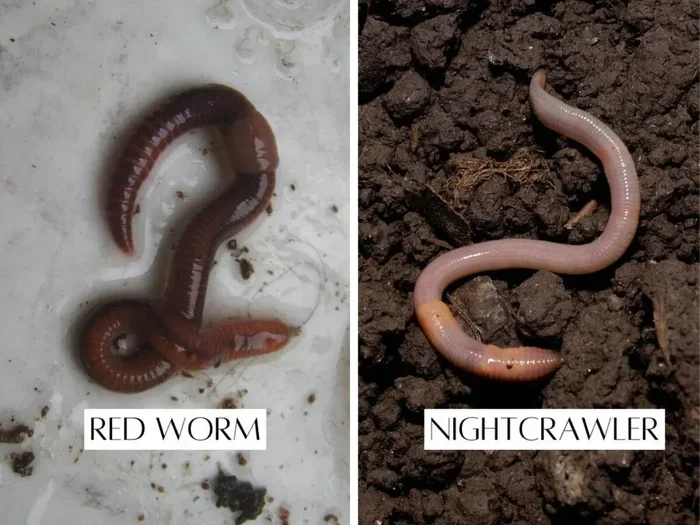
Red worms go by many names. People call them red wigglers, manure worms, or compost worms. These small creatures typically grow between one and three inches long. They have a reddish-brown color and a thin, flexible body that moves a lot on the hook.
Red worms thrive in decaying organic matter like compost piles and leaf litter. They reproduce quickly, which makes them easy to breed at home. Many anglers keep a worm bin in their garage just to have a steady supply of live worms ready for fishing trips.
Why Red Worms Work Well for Fishing
Red worms move a lot when placed in water. That constant wriggling creates small vibrations that draw curious fish in. Their size makes them perfect for panfish like bluegill, crappie, and sunfish. They also work well for trout in streams and small bass in rivers.
Because red worms are small, you can thread them onto the hook multiple times. This means your bait stays on the hook longer, giving you more time to attract fish. They are also easy to hook through the collar without killing them too quickly, so they stay lively longer.
What Are Nightcrawlers?
Nightcrawlers are the big brothers of the worm world. These earthworms can grow up to eight or even ten inches long. They have a dark pinkish-gray body and a thicker profile compared to red worms. You will usually find nightcrawlers in deep soil, especially after a rain.
Anglers love nightcrawlers because of their size and scent. A single nightcrawler can attract attention from fish far across the water. They are the go-to choice for many freshwater fishing adventures, especially when targeting species that need a bigger meal.
Why Nightcrawlers Work Well for Fishing
Nightcrawlers create a strong scent trail in the water. Fish like catfish, largemouth bass, and walleye can detect this scent from a distance. The large size also means fewer re-hooks, which saves you time and keeps your bait looking natural longer.
When you use a nightcrawler, you often hook it through the head or collar and let the tail drag behind. That dangling tail moves naturally with the current, mimicking a real insect or larva. This natural presentation is hard for fish to resist, especially in bass fishing scenarios.
Red Worms vs Nightcrawlers: Side-by-Side Comparison
Let us put both worm types head to head. The table below breaks down the key differences so you can decide which fits your fishing style.
- Size: Red worms are small (1-3 inches). Nightcrawlers are large (5-10 inches).
- Best for: Red worms for panfish and trout. Nightcrawlers for bass, catfish, and walleye.
- Movement: Red worms wiggle actively. Nightcrawlers drift and sway with the current.
- Scent: Nightcrawlers release a stronger scent over distance. Red worms have a subtler scent.
- Hooking ease: Red worms are easy to thread multiple times. Nightcrawlers require fewer hooks but need proper rigging.
- Availability: Both are widely available at bait shops and tackle stores.
- Storage life: Red worms last longer in containers. Nightcrawlers need cooler, moist conditions.
Your choice really comes down to what you are fishing for and where you are fishing. If you are fishing a small pond for bluegill, red worms are your best bet. If you are on a big lake targeting catfish, go with nightcrawlers every time.
Which Worm Is Best for Different Fish Species?
Matching your worm to your target species is one of the most important fishing tips you can follow. Different fish have different feeding habits, and the right bait size makes a huge difference.
Best Worm for Panfish
Panfish like bluegill, pumpkinseed, and crappie have small mouths. A full nightcrawler is too big for most of them. Red worms are the perfect size. You can thread a red worm onto a small hook and watch it wriggle enticingly. Panfish love the movement and will bite quickly.
Best Worm for Bass
Bass are aggressive feeders. They will eat both red worms and nightcrawlers, but the results differ. In shallow water or near structure, a red worm works great for smaller bass. For larger largemouth bass, a nightcrawler on a Carolina rig or Texas rig produces better results. The size and scent of a nightcrawler trigger bigger strikes.
Best Worm for Catfish
Catfish rely heavily on their sense of smell. Nightcrawlers are the clear winner here. Their strong scent draws catfish from the bottom of the lake or river. You can use a whole nightcrawler on a circle hook and let it sit on the bottom. The slow movement and scent combination is nearly irresistible to catfish.
Best Worm for Trout
Trout are selective feeders. They prefer smaller, natural-looking bait. Red worms are ideal for trout fishing in rivers and streams. Use a small hook and a split shot to keep your red worm near the bottom where trout like to feed. The natural red color of the worm also mimics insects that trout eat regularly.
How to Rig Red Worms and Nightcrawlers Properly
Even the best worm will not catch fish if you rig it wrong. Proper rigging keeps your bait alive longer and looks more natural in the water.
Rigging Red Worms
Start with a small to medium hook, like a size 8 or 10. Push the hook through the collar of the red worm, just behind the head. Let the worm dangle naturally. You can add a small split shot about 12 inches above the hook to help with casting distance and keeping the bait near the bottom.
Rigging Nightcrawlers
For nightcrawlers, use a larger hook, typically a size 4 to 1/0 depending on the worm size. Thread the hook through the head of the nightcrawler. You can let the tail hang free or run the hook through the center for a more secure hold. For bottom fishing, a Carolina rig works perfectly with a nightcrawler.
Common Mistakes Anglers Make with Worm Fishing
Even experienced anglers sometimes make avoidable mistakes when using worms. Here are a few pitfalls to watch out for.
- Using too big a worm for the target fish. A giant nightcrawler will scare away small panfish. Match your bait size to the fish you are chasing.
- Using dead worms when live ones are available. Live worms move more and attract fish better. If your worms die before you fish, check your storage method.
- Overpowering the hook with too much worm. Piling on too much worm hides the hook and makes it harder to set the hook when a fish bites.
- Ignoring water conditions. Fishing before or after a rainstorm can change how fish respond to your bait. Check local conditions and adjust your approach.
- Not keeping worms cool and moist. Worms dry out fast in the sun. Keep them in a shaded, damp container to keep them alive and active.
Avoiding these simple mistakes will improve your fishing success right away. Sometimes the smallest adjustments make the biggest difference.
Expert Insights on Worm Selection
Professional anglers often carry both red worms and nightcrawlers in their tackle box. Why? Because different fishing spots call for different approaches. A tournament angler might start the day with red worms for active panfish in shallow water and switch to nightcrawlers for deeper bass fishing later.
The key is versatility. Carrying both worm types gives you the flexibility to adapt to changing conditions. If the fish are not biting on one type, switching to the other can turn a slow day into a great one. This strategy works whether you are fishing freshwater lakes or winding rivers.
Many experienced anglers also swear by fishing after rainfall. The rain stirs up worms and brings them closer to the surface, which puts more food in the water column. Fish become more active and willing to bite. So if you are wondering whether to head out, check the weather and plan accordingly.
Final Verdict: Which Worm Should You Choose?
So, are red worms or nightcrawlers better for fishing? The truth is, both have a place in every angler’s tackle box. Red worms are your go-to for smaller fish, tight spaces, and clear water. Nightcrawlers are your power bait for big species, deep water, and murky conditions.
If you are just starting out, buy a container of each and experiment. Try red worms in a local pond for bluegill. Then try nightcrawlers in a deeper lake for bass or catfish. You will quickly learn which one works best for your style of fishing.
The best fishing bait is the one that matches your target species and conditions. Keep your worms fresh, rig them properly, and pay attention to what the fish are telling you. With the right worm and a little patience, you will be reeling in fish in no time.
Remember, the best anglers are the ones who stay adaptable. Carry both red worms and nightcrawlers, read the water, and let the fish decide which one wins. Happy fishing!
Frequently Asked Questions
Can you use both red worms and nightcrawlers on the same fishing trip?
Absolutely. Many anglers carry both worm types to adapt to different fish species and conditions. Try red worms for panfish and switch to nightcrawlers for larger bass or catfish during the same trip.
How do you keep red worms and nightcrawlers alive before a fishing trip?
Store worms in a cool, dark, and damp container. Use a worm bed with moist shredded newspaper or peat moss. Keep them out of direct sunlight and away from heat sources. Proper storage keeps your live worms fresh and active for days.
Are red worms better than nightcrawlers for bass fishing?
It depends on the size of the bass and the fishing spot. Red worms work well for smaller bass in rivers and streams. Nightcrawlers are better for targeting larger largemouth bass in lakes and deeper water.
Do nightcrawlers catch more fish than red worms?
Not necessarily. Nightcrawlers attract larger species due to their size and strong scent. Red worms are more effective for smaller fish like panfish and trout. The best worm is the one that matches your target species and fishing conditions.
Can you use dead worms for fishing instead of live ones?
Live worms generally outperform dead ones because they move more and release a stronger scent. However, dead worms can still catch fish in some situations. If you only have dead worms, rig them carefully and fish them slowly near the bottom.
What is the best hook size for worm fishing?
Use smaller hooks (size 8 to 10) for red worms and larger hooks (size 4 to 1/0) for nightcrawlers. The hook size should match the worm size and the target fish species. A properly sized hook ensures the bait looks natural and the hook sets cleanly.
=== CONCLUSION ===
Choosing between red worms and nightcrawlers does not have to be complicated. Each worm type has unique strengths that make it better suited for specific fishing situations. Red worms are perfect for panfish, trout, and smaller bass in rivers and streams. Nightcrawlers dominate when you are targeting large freshwater species like catfish and trophy bass.
The real secret to worm fishing success is knowing your target species and matching your bait accordingly. Carry both worm types on every trip, keep them fresh, and rig them properly. With the right bait selection and a little practice, you will see better results on every outing. Now get out there and put these tips to work!